


 English
 中文简体
中文简体 Español
 عربى
عربىWhat Is a Power Board to Board Connector
A power board to board connector is a small but important part inside many electronic products. It links one circuit board to another and allows power to pass directly between them. No external wire is needed. The connection happens inside the device, in a very compact space.
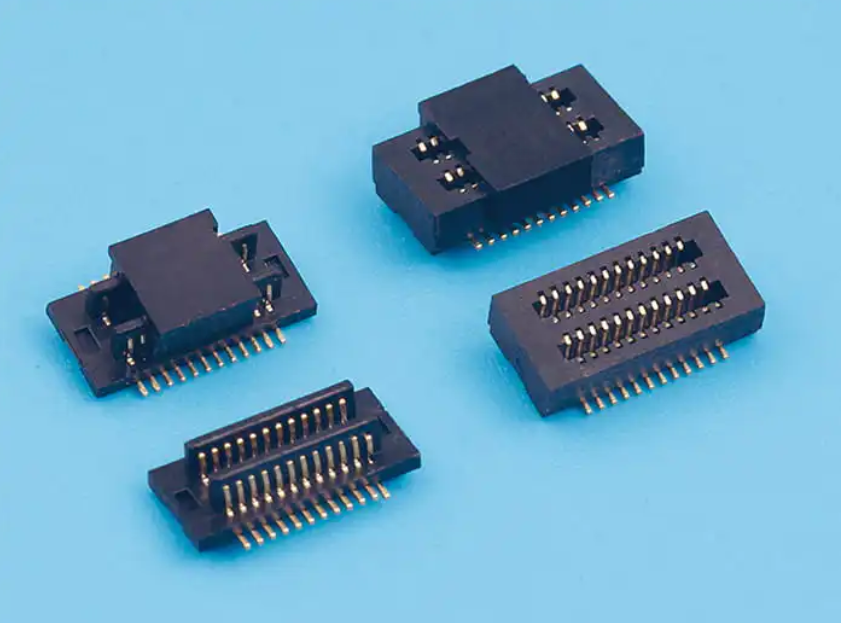
You usually do not see it from the outside. It sits between boards, quietly doing one job: keeping power moving where it is needed.
In many systems, electronics are split into different boards. One board may handle control, another may handle power, and another may manage signals. The connector becomes the bridge between them.
How Does Power Transfer Happen Between Two Boards?
Inside a device, boards are often placed close together. Sometimes they are stacked. Sometimes they sit side by side.
When the system is assembled, the connector sits between contact points on both boards. Once aligned, it creates a direct path for electricity.
The idea is simple:
- one board sends power
- the connector carries it
- the other board receives it
There is no long routing path inside the device. The distance is short. That helps keep the internal layout clean and compact.
In real use, stability matters more than complexity. If the boards stay aligned, the power flow stays steady.
Why Not Just Use Wires Instead?
Wires can still do the job, but they take more space. Inside small electronic products, space is often limited.
A board to board connector removes the need for loose wiring inside the system. That changes the internal structure in a few practical ways:
- fewer cables inside the housing
- shorter power path between boards
- easier internal assembly
- cleaner layout for compact designs
In devices that have multiple stacked boards, wiring would quickly become messy. A direct board connection keeps everything in order.
It also reduces movement inside the product. Once fixed, the connection does not shift easily during normal use.
What Does a Typical Board Connection Layout Look Like?
There is no single layout. Different products use different arrangements depending on space and function.
Some common layouts include:
| Layout style | How boards are placed | Where it is often used |
|---|---|---|
| Vertical stack | One board above another | Compact devices |
| Side-by-side | Boards placed horizontally | Wider internal space |
| Mixed layout | Combination of both | Multi-function systems |
Vertical stacking is common when space is tight. Side-by-side layouts are used when airflow or access space is needed. Mixed layouts appear in more complex systems where functions are separated.
What Role Does It Play in Power Distribution?
Inside a device, power does not go everywhere at once. It is directed from one part to another.
A board to board connector helps guide that movement between sections. It connects different functional boards so each one gets the power it needs.
In simple terms:
- one board acts as the source
- the connector transfers energy
- another board uses it
This keeps the system organized. Each board can focus on its own function while still being part of the same structure.
It also helps reduce long internal paths that could take up space or complicate design.
Where Is It Commonly Used?
Power board to board connectors appear in many types of electronics. They are not limited to one industry.
You can find them in:
- industrial control equipment
- communication devices
- power modules
- compact electronic systems
- multi-board embedded products
In industrial equipment, stability is important because systems may run for long periods. In compact electronics, the focus is usually space saving.
Even though the applications differ, the idea stays the same: connect boards and move power in a simple way.
How Does Design Affect Real Use?
The connector itself is small, but design details matter a lot.
A few key points influence how it works in practice:
- how well two boards line up
- how stable the contact points are
- how much pressure is needed during assembly
- how the structure holds during use
If alignment is slightly off, the connection may not sit properly. If pressure is uneven, contact may become unstable over time.
Design is usually focused on keeping things steady during assembly and use. Once installed, the connector is expected to stay in place without adjustment.
What Challenges Come With Board to Board Power Connections?
Even though the idea is simple, real use has some practical challenges.
One common issue is alignment. Two boards must meet in the correct position. Small shifts can affect the connection.
Another challenge is space. As devices become smaller, internal room becomes tighter. The connector must fit without affecting other parts.
Heat inside the device can also influence long-term stability. When systems run for a long time, internal temperature changes may affect materials around the connector.
Vibration is another factor, especially in industrial environments. Continuous movement can slowly affect contact stability if the structure is not strong enough.
These issues are usually solved through careful layout planning before assembly.
How Does Modular Design Change the Way It Is Used?
Many modern electronic systems are built in modules. Instead of one large board, functions are split into smaller parts.
Each board handles a specific task:
- one for power
- one for control
- one for communication
The power board to board connector links these modules together.
This structure makes systems easier to build and adjust. If one module changes, the others do not need full redesign.
It also helps during repairs. A single board can sometimes be replaced without touching the rest of the system.
What Should Be Considered When Choosing a Connector?
Selection is not just about shape. It depends on how the whole system is built.
Key points usually include:
- available space between boards
- how much power needs to pass through
- how the boards are arranged
- how stable the system must be during use
- how assembly is done in production
Different products have different priorities. A small device may focus on saving space. An industrial system may focus more on stability and long-term use.
So the connector is chosen based on system behavior, not just size or appearance.
How Does It Fit Into Modern Electronics?
Modern electronics are moving toward smaller size and higher function density. More features are packed into less space.
In this situation, board to board connectors help keep internal structure manageable. They allow designers to split functions across multiple boards while still keeping strong internal power links.
Inside a finished product, you do not see them. But they are part of how the system stays organized and functional.
They sit between boards, quietly maintaining power flow, while the device handles everything else.
Related Products
-
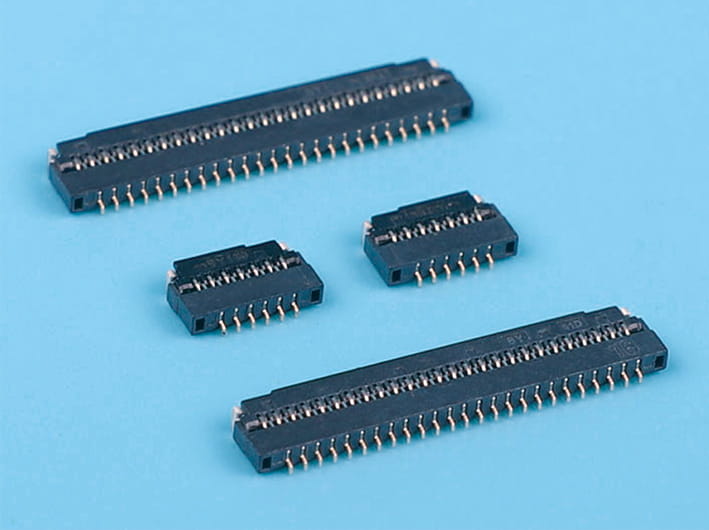
Easy-on fpc flat ribbon connector, 0.3mm pitch, 1.0mm height, flexible printed circuit connector, horizontal smt type
-

Back flip fpc flat flexible cable connector, 0.3mm pitch, 1.0mm height, bottom contact type for pcb board connections
-
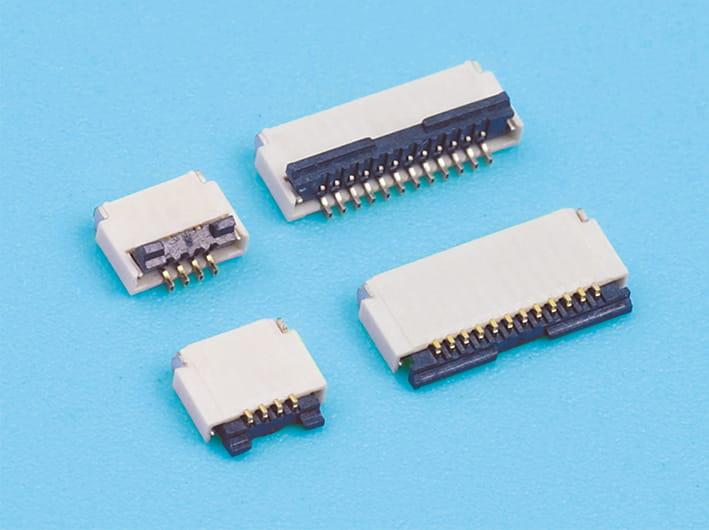
Back flip micro fpc flat cable connector, 0.5mm pitch, 1.0mm height, compact design, white, for data, signal transfer applications
-
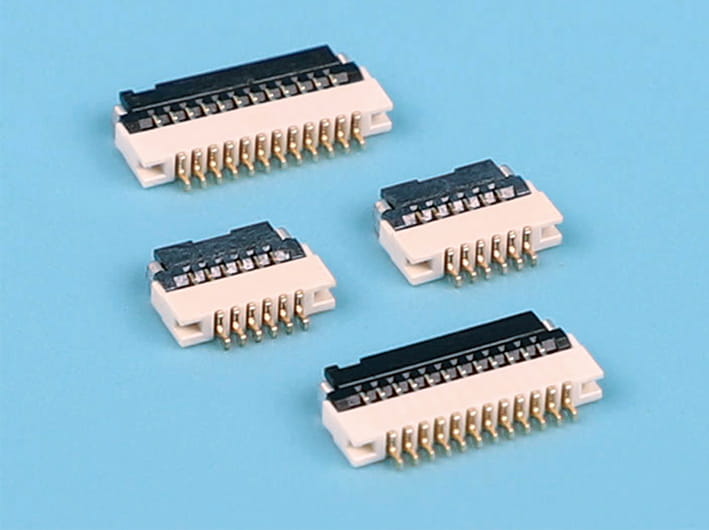
0.5mm Pitch, 1.0mm Height, Flip-Type Horizontal FPC Connector
-
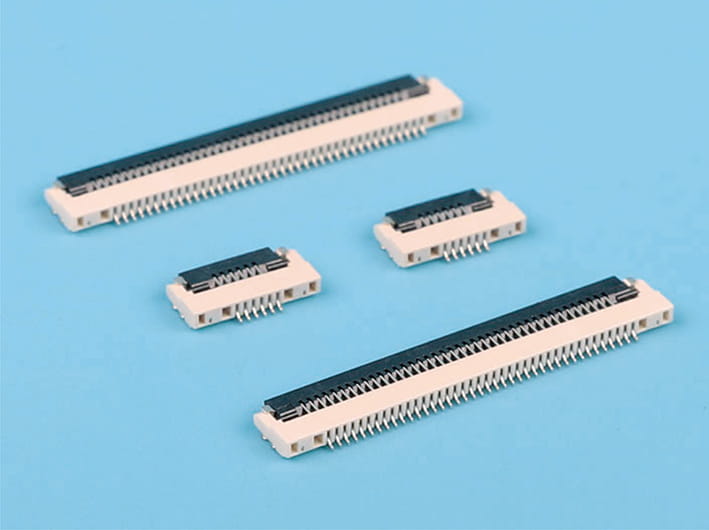
0.5mm pitch 1.2mm fpc flat cable connectors, horizontal smt type, flexible printed circuit connectors, secure locking
-
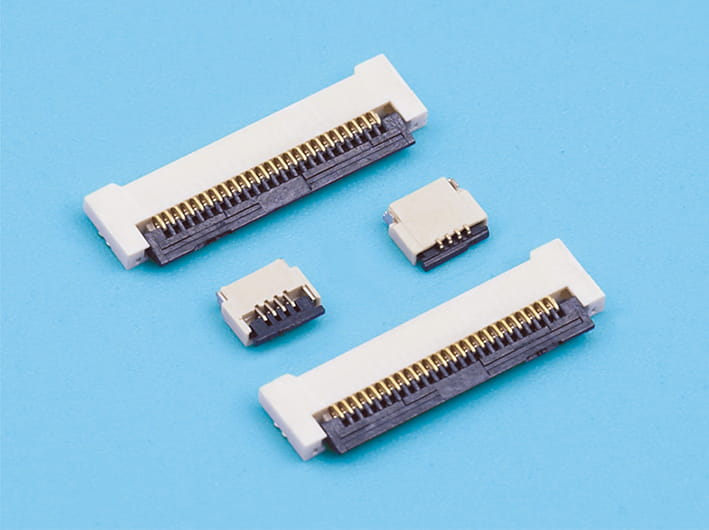
0.5mm Pitch, 1.2mm Height, Rear-Entry Horizontal FPC Connector
-
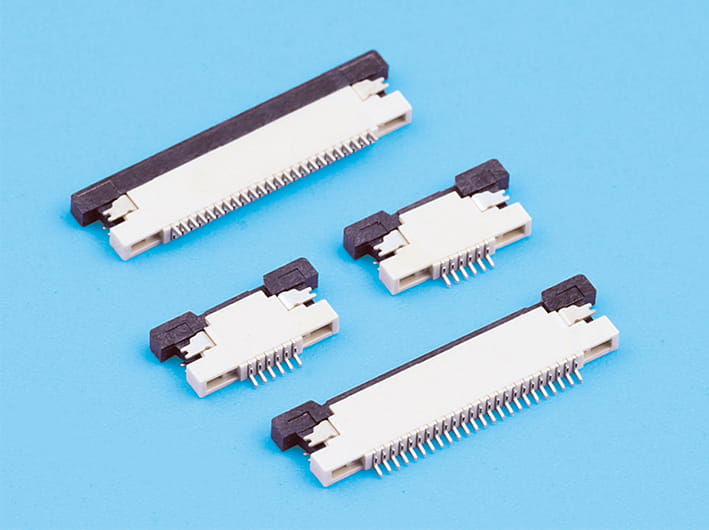
0.5mm pitch 1.2mm height fpc flat cable connector, zif r/a upper contact, locking slider, high-density integration, durable, for flexible printed circuits
-
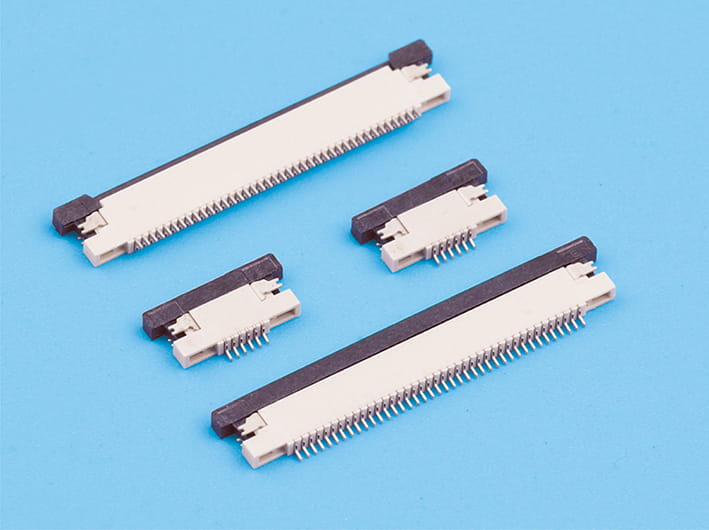
0.5mm pitch 1.2mm height fpc flat flexible cable connector, zif r/a down contact, for electronics and pcb boards
-
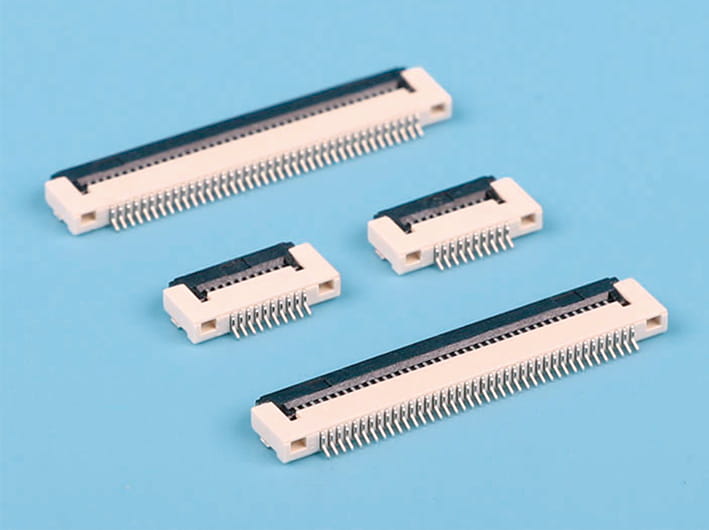
High-quality 0.5mm pitch 1.5mm height easy-on flat flexible cable fpc connector, horizontal type, locking-style, for pcb circuit board
-
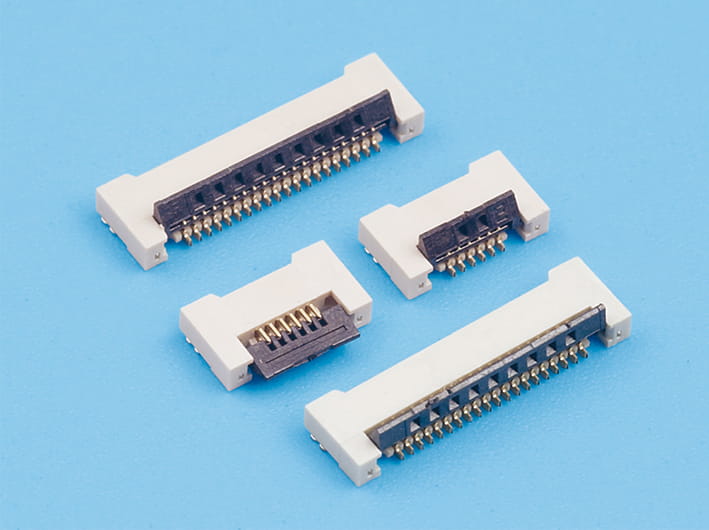
0.5mm pitch 1.5mm height back flip fpc flat connectors, zif slide type, flexible printed circuit cable connectors, horizontal contact
-
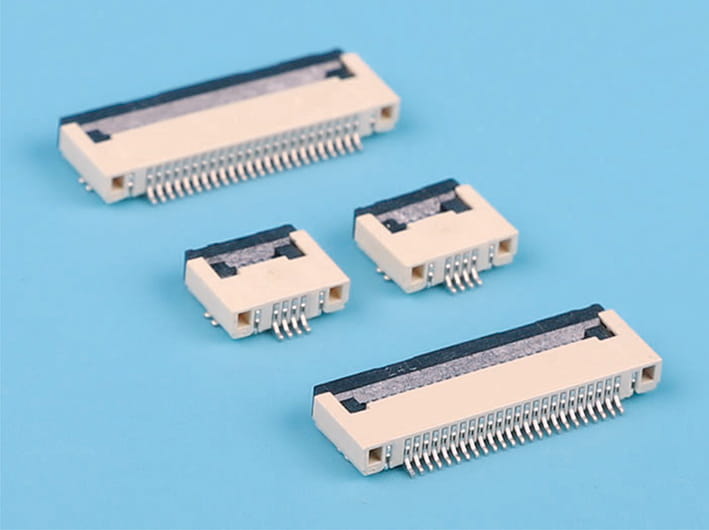
0.5mm pitch easy-on fpc flat ribbon connector, 2.0mm height, locking zif slide type, horizontal contact, flexible printed circuit board connector
-
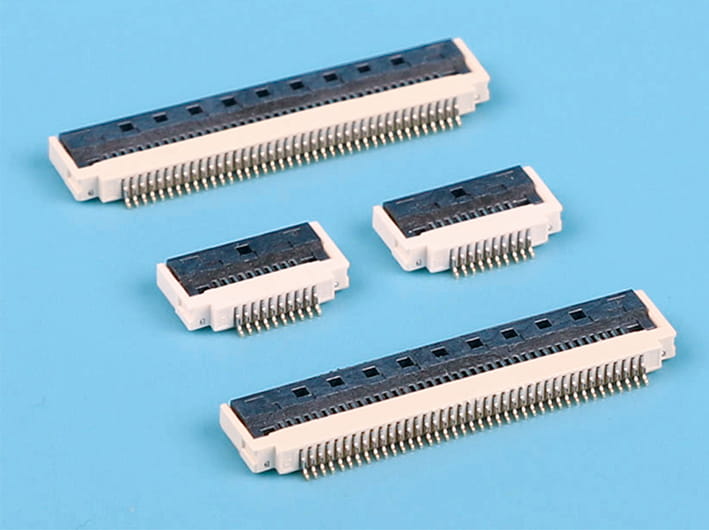
0.5mm pitch 2.0mm height, easy-on r/a with buckle fpc flat connectors, high-density integration flexible printed circuit board connectors
-
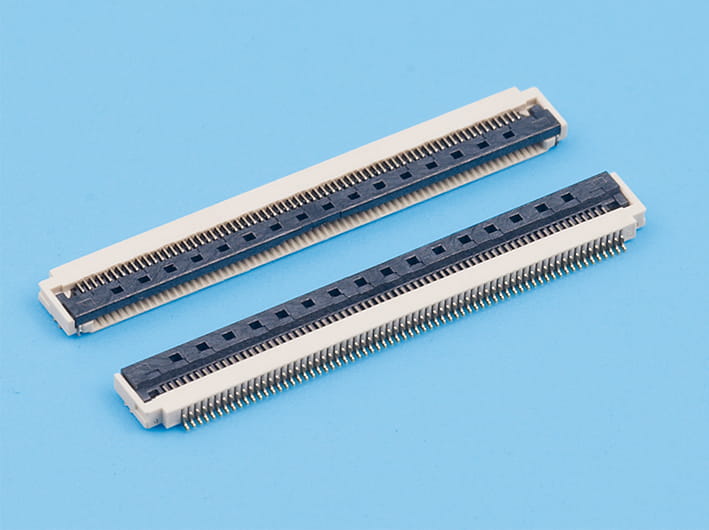
0.5mm Pitch, 2.0mm Height, Hinged Cover, Horizontal Mounting, Large Solder Pads
-

0.5mm pitch 2.0mm height back flip fpc flat connectors, horizontal insert, locking type, zif slide, pcb mount
-
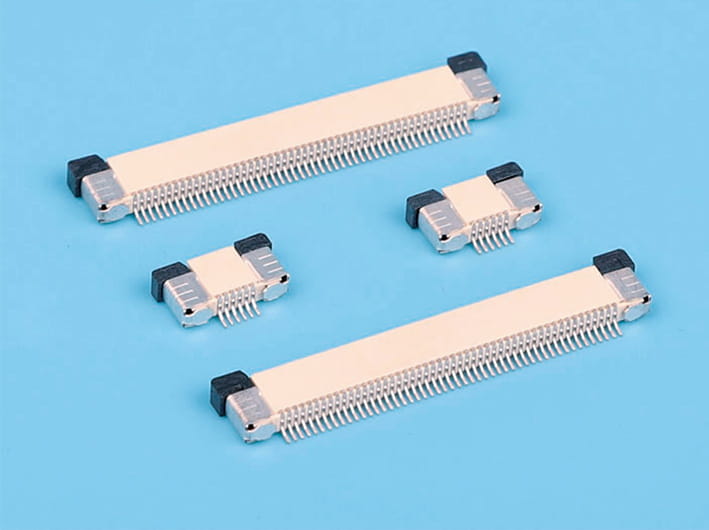
0.5mm Pitch, Ultra-Thin 2.0mm Horizontal FPC Connector (Pull-Out Locking Type, Top Contact Type)
-
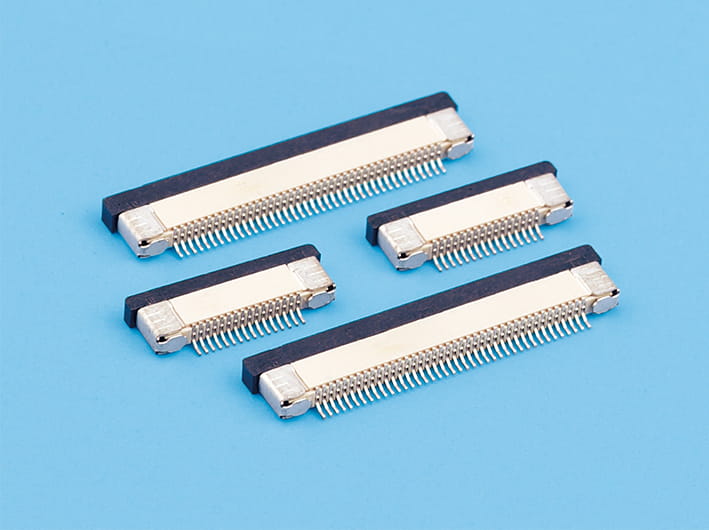
0.5mm Pitch, Ultra-Thin 2.0mm Horizontal FPC Connector (Pull-Out Locking Type, Bottom Contact Type)
-
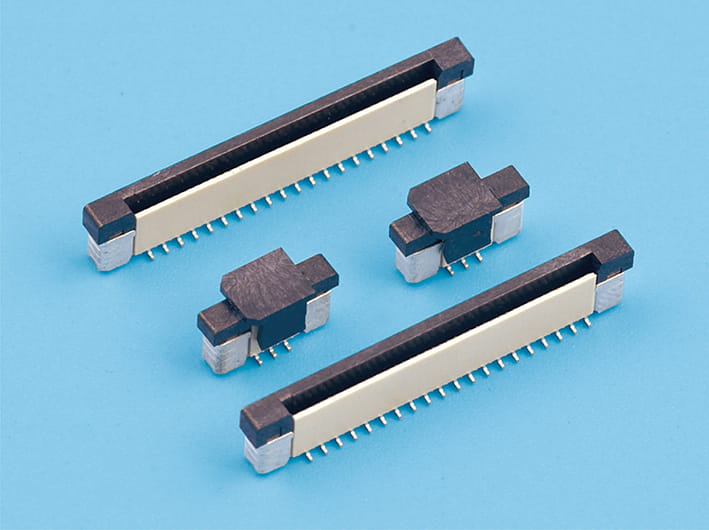
0.5mm pitch 4.5mm height fpc flat cable connector, zif s/t reversed pointer, locking slide
-
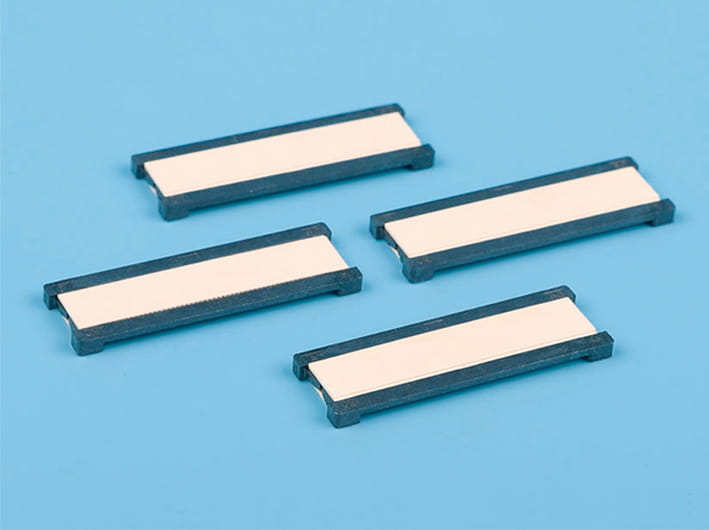
Double-side drawing fpc flat connector, 0.5mm pitch, 2.0mm/2.5mm height, flip type, for flexible cable, pcb mountable
CONTACT INFORMATION
-
Mr.Zhou(Sales manager)
Tel:+86(0)577-62369959
Tel:+86(0)577-62378959
MP:+86-13570877599
E-mail:[email protected]
Wechat:+86-13570877599
PRODUCT LINKS

Copyright © Zhejiang Wenda Electronics Co., Ltd. All Rights Reserved

Custom Electronic Connectors Manufacturer
