


 English
 中文简体
中文简体 Español
 عربى
عربىIndustry News
Home / News / Industry News / What Is a High Speed BTB Connector and How Does It Work in Electronic Devices
Inside modern electronic products, some of the real structure is hidden. Users see screens, buttons, and smooth surfaces. What they do not see is a layered system of circuit boards working together in a tight space.
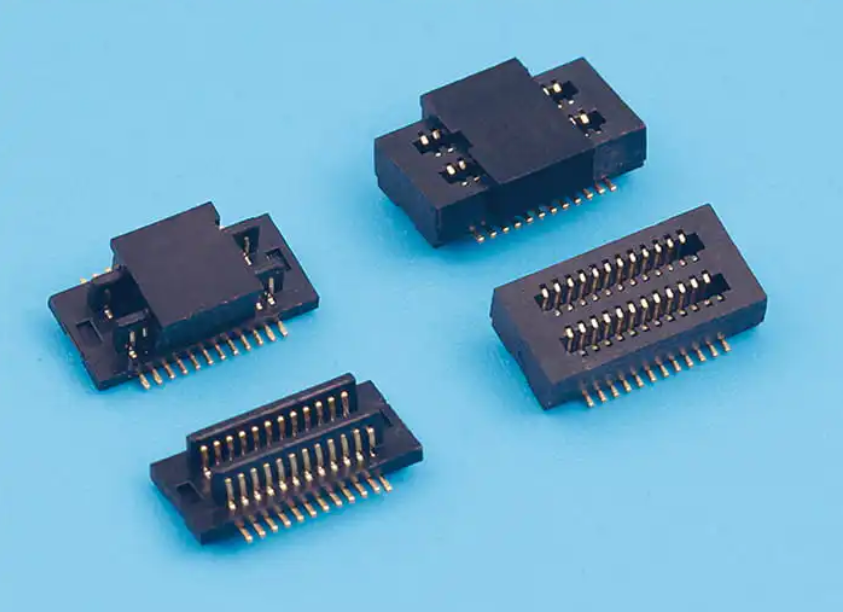
A High Speed BTB Connector sits inside this structure. It is small, often overlooked, but it plays a steady role in how different parts of a device communicate. As electronic products continue to shrink while gaining more functions, this type of connector has become a common internal link between boards.
It does not perform a visible function on its own. Its value comes from connection stability and space efficiency.
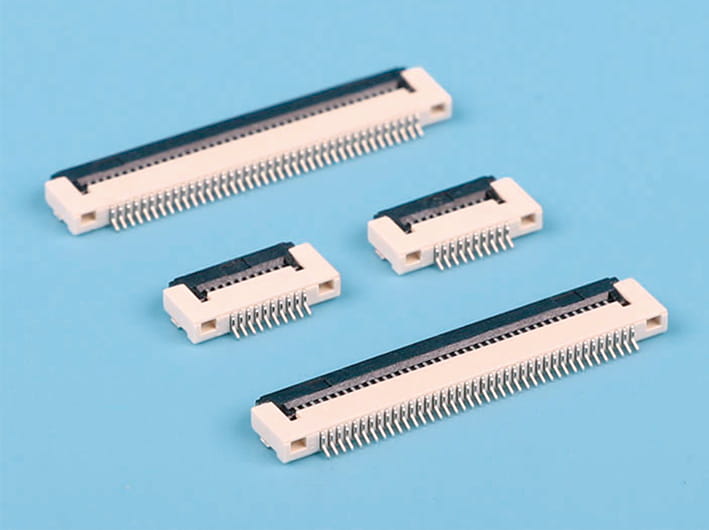
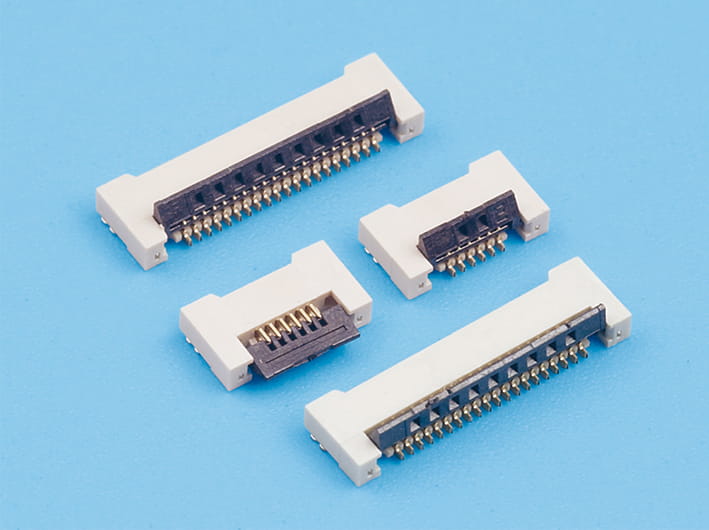
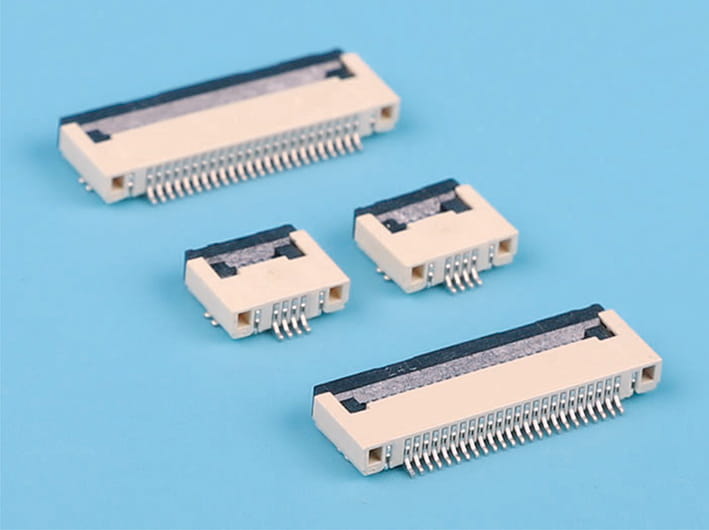
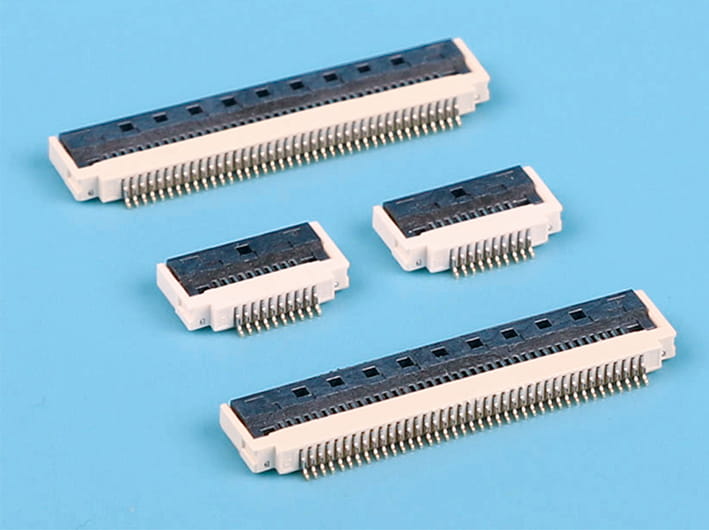
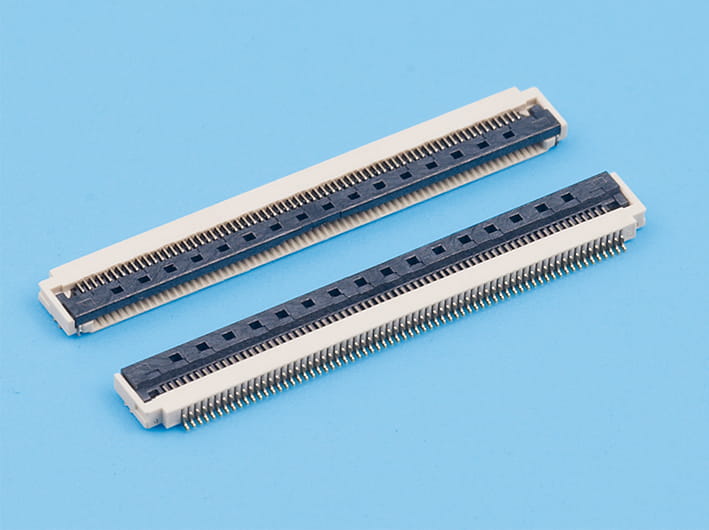
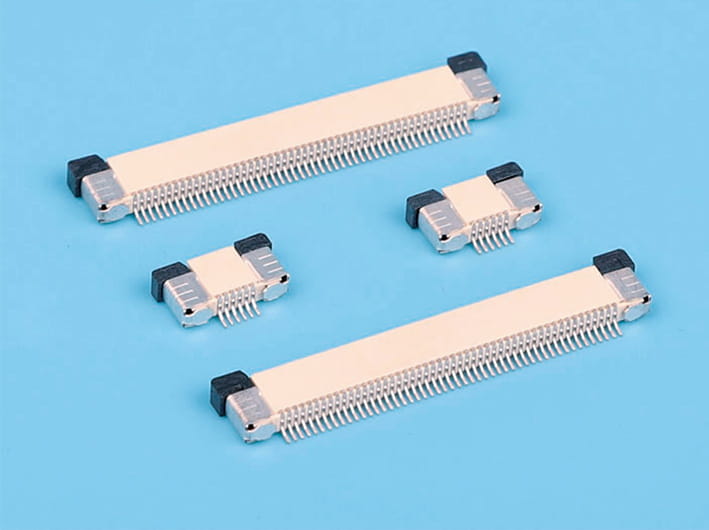
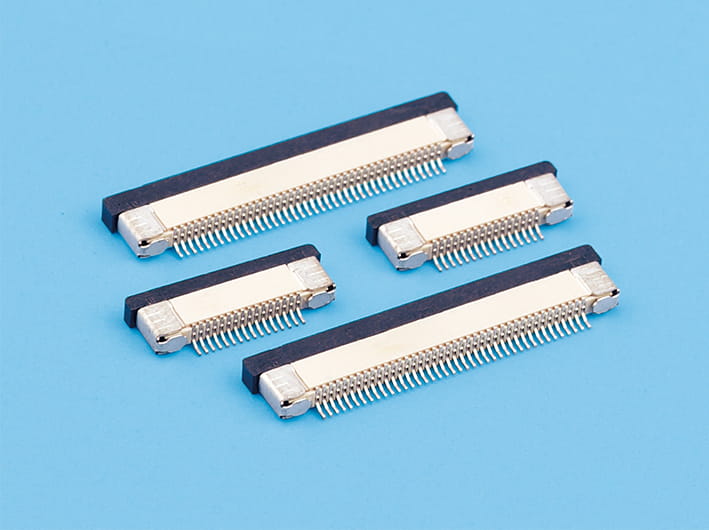
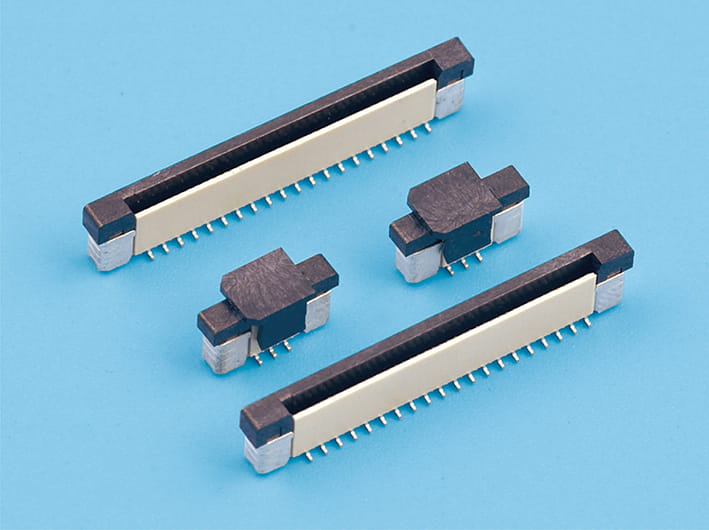
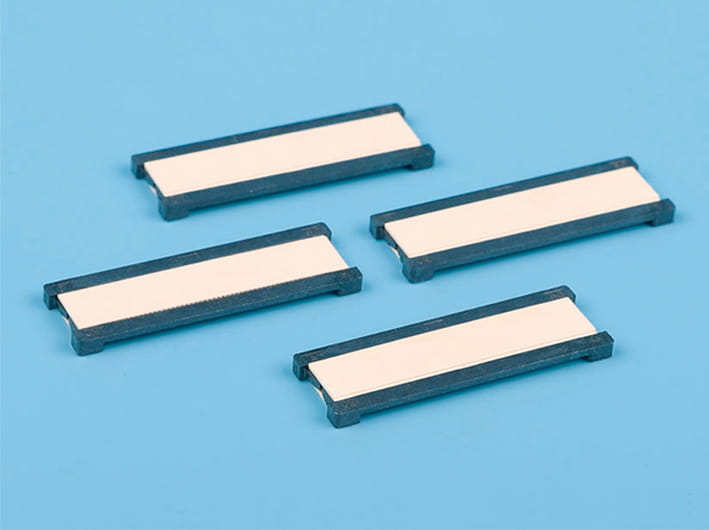
A BTB Connector Manufacturer is a board-to-board connection component used inside electronic devices. It links two printed circuit boards so they can exchange signals and power without using long wires.
The idea is simple. Instead of connecting boards with cables, they are placed close together. The connector forms a direct interface between them.
This structure allows:
In many devices, one board handles processing tasks while another focuses on display, power, or communication. The connector allows these separate boards to behave like one integrated system.
Electronic design has shifted toward modular structures. Instead of building everything on one board, manufacturers divide functions across multiple smaller boards.
This approach brings flexibility, but also creates a challenge. These boards must communicate efficiently inside a limited space.
BTB connectors solve this by acting as internal bridges between modules.
They help:
As devices become thinner and more function-dense, internal connection systems become more important than before.
The working process is based on direct physical alignment.
Two circuit boards are designed with matching connector areas. During assembly, they are positioned so that these areas face each other. When pressure or structural support holds them in place, multiple contact points connect at once.
This creates a direct electrical path between the boards.
A simplified breakdown of the process:
Once connected, signals can move continuously without needing external wiring.
The stability of this process depends heavily on alignment accuracy and contact consistency.
Inside electronic devices, signals travel constantly between different functional blocks. These signals control display behavior, processing tasks, and internal coordination.
If the connection between boards is unstable, small interruptions may appear.
A stable BTB connector helps reduce this risk by maintaining consistent contact between boards.
When the connection is stable:
Even though users never see these signals, they experience the result in how smoothly the device behaves.
Structure affects how the connector behaves under real working conditions.
Different designs distribute contact points in different ways. Some focus on tight spacing for compact devices. Others prioritize mechanical support for repeated assembly cycles.
Several structural factors play a role:
Even small structural differences can influence long-term behavior, especially in devices that undergo repeated assembly or vibration.
Modern devices are built with space limitations in mind. The goal is to fit more functions into smaller volumes.
BTB connectors help achieve this by supporting vertical or closely stacked board arrangements.
This removes the need for long routing paths or external wiring loops.
Compact internal design allows:
As devices continue to become thinner, internal connection design becomes more important in overall engineering decisions.
A well-designed connector still lives or dies by its manufacturing quality out in real-world use.
Tiny variations during production can affect how contacts work, as well as the product's long-term reliability.
The main production aspects that matter:
Tight production control means every connector works reliably. If standards slip, individual units will start to perform differently.
This gap is easy to spot, especially in mass-produced electronics.
Although BTB connectors are designed for stable use, they still experience changes over time.
Repeated mechanical contact may slowly influence performance. In some cases, slight variation in contact strength or alignment may appear after long-term use.
Common signs of wear-related influence include:
These changes usually develop gradually rather than suddenly.
BTB connectors appear in many types of electronic systems where compact structure and multi-board design are required.
Typical applications include:
In each case, multiple boards must work together in a limited space, making direct board-to-board connection a practical solution.
Electronic product design is moving toward modular and layered structures. Instead of relying on one large circuit board, designers prefer multiple smaller functional boards.
This approach improves flexibility in both design and production.
BTB connectors support this direction by enabling:
As product functions increase, internal connection systems become part of the design foundation rather than just supporting components.
While BTB connectors are widely used, you have to pay close attention during the design process.
Here are the main problems we often see:
We always work through these points at the design stage, instead of trying to fix them after production starts.
Device reliability is closely connected to internal communication stability. If board connections remain stable, the system is more likely to operate consistently over time.
BTB connectors contribute to this stability by providing structured contact paths between boards.
Over time, this supports:
Even though they are small components, their role in maintaining system stability is significant.
FAQs
1. What does a high speed BTB connector do?
It connects two circuit boards inside an electronic device, allowing signals and power to pass between them in a compact structure.
2. Why are BTB connectors used instead of wires?
They save space, reduce internal wiring complexity, and support compact multi-board designs.
3. Does alignment affect BTB connector performance?
Yes. Proper alignment ensures stable contact between boards, which is important for consistent signal transfer.
4. Where are BTB connectors commonly used?
They are used in compact electronics, communication systems, display modules, and industrial devices.
5. How does production quality affect these connectors?
Manufacturing consistency influences alignment precision and contact stability, which affects overall performance.
6. Are BTB connectors important for modern devices?
Yes. They support multi-board structures and help enable smaller, more function-dense electronic products.


Copyright © Zhejiang Wenda Electronics Co., Ltd. All Rights Reserved

Custom Electronic Connectors Manufacturer

