


 English
 中文简体
中文简体 Español
 عربى
عربىWhat Causes Connection Failures in WTB Wire to Board Connector
WTB Wire to Board Connector sit quietly inside many electronic systems. They link loose wires to rigid circuit boards and help power and signals move through devices. When they work well, the system feels seamless. When they fail, the impact can spread quickly across performance, stability, and usability.
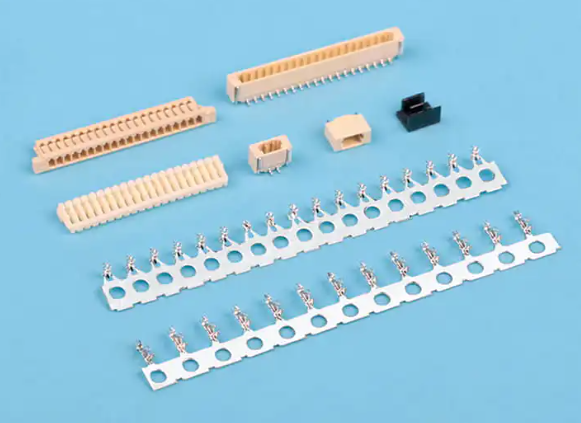
Connection failure is not always sudden. It often builds up through small issues that go unnoticed during design, assembly, or long-term use. Understanding these causes helps reduce interruptions and improves overall system reliability.
Why Do Mechanical Fit Issues Lead To Connection Problems?
A stable connection starts with physical alignment. Wire to board connectors depend on precise mating between parts. When alignment is off, even slightly, the contact may become unstable.
Loose fitting is one common issue. If the connector does not sit firmly, vibration or movement can weaken the contact over time. This can result in intermittent power or signal loss.
Over-tight or forced insertion can also create problems. It may damage internal contact points or deform the housing. Once the structure changes, recovery is difficult.In some cases, repeated mating cycles reduce holding strength. The connection may still appear intact, but internal stability gradually declines.
How Does Poor Wire Preparation Affect Connection Stability?
Wires carry the actual current or signal into the connector. If the wire end is not properly prepared, the connection can suffer.
Stray strands are a common issue. Small loose wire pieces can interfere with contact points. This may to unstable or weak transmission.
Uneven stripping length can also create problems. If the exposed section is too short, contact may be incomplete. If it is too long, it may expose parts that should remain protected.
Improper crimping or termination adds another layer of risk. A weak mechanical grip can cause movement inside the connector. Over time, this leads to inconsistent performance.These issues often begin at the preparation stage rather than the connector itself.
What Role Does Contamination Play In Connection Failure?
Clean surfaces are essential for stable electrical contact. Dust, oil, or moisture can interfere with conductivity.Even small particles can create resistance at the contact point. This may not stop the connection completely, but it can weaken performance.Moist environments introduce additional challenges. Over time, exposure can affect metal surfaces and reduce contact quality.
Handling during assembly also matters. Oils from fingers or tools can transfer onto contact areas. These residues may not be visible but can still affect long-term reliability.In controlled environments, contamination risks are lower. In open or industrial settings, they require more attention.
How Can Improper Installation Lead To Failure?
Installation is a critical stage for wire to board connectors. Small mistakes here often Find to long-term issues.
One common problem is partial insertion. The connector may appear connected, but internal contact is not fully engaged. This can cause unstable operation.
Misalignment during assembly can also create stress on the connector body. Over time, this stress may weaken the structure.
Forcing a connector into place is another risk. When resistance is ignored, internal parts may deform. Once damaged, the connection may no longer perform consistently.In some systems, connectors are installed in tight spaces. Limited visibility can increase the chance of improper seating.
Why Do Environmental Conditions Influence Connection Quality?
Wire to board connectors operate in different environments. Temperature changes, vibration, and humidity can all affect performance.Repeated temperature shifts can cause materials to expand and contract. This movement may slowly loosen the connection.
Vibration is another factor. In systems that move or operate continuously, small shifts can occur over time. These shifts may weaken the contact between wire and board.Humidity introduces moisture into the environment. Even without direct exposure, moisture in the air can affect surfaces over time.
Below is a simple overview of environmental influences:
| Environmental Factor | Effect On Connection | Possible Result |
|---|---|---|
| Temperature change | Expansion and contraction | Gradual loosening |
| Vibration | Continuous micro-movement | Intermittent contact |
| Humidity | Surface moisture exposure | Reduced conductivity |
| Dust exposure | Particle buildup | Contact interference |
These factors often work together rather than separately.
How Does Material Wear Contribute To Failure?
Over time, repeated use affects connector components. Contact points experience small amounts of wear each time they are engaged or disengaged.
This wear may not be visible at first. However, it can slowly reduce contact quality. The connection may still function, but with less stability.
Friction during repeated cycles can also change surface conditions. A smoother or uneven surface may not maintain consistent contact pressure.
In long-term applications, wear becomes more noticeable. Systems that rely on frequent reconnection are especially affected.Material aging is another aspect. Even without heavy use, time alone can influence performance.
What Happens When Electrical Load Is Not Balanced?
Wire to board connectors are designed to carry specific levels of current and signal flow. When usage exceeds expected balance, stress can appear in the system.
Excess load may generate heat. Heat can affect both the wire and the contact point. Over time, this may weaken the connection.
Uneven distribution of load across multiple connectors can also create pressure differences. Some connections may carry more demand than others, Finding to uneven wear.In stable systems, load is distributed evenly. In less controlled setups, imbalance can develop gradually.
How Do Design And Layout Choices Affect Reliability?
Connector performance is not only about the component itself. Layout and design decisions also play a role.
If connectors are placed in tight or awkward positions, installation becomes more difficult. This increases the chance of misalignment.
Poor spacing between components can also find to heat buildup or limited airflow. These conditions may indirectly affect connector stability.
Cable routing is another factor. If wires are bent sharply or under constant tension, stress can transfer to the connector interface.Design choices often influence long-term behavior more than expected.
Why Do Handling And Maintenance Practices Matter?
Even a well-designed system can experience issues if handling is not consistent. Connectors require careful treatment during assembly and maintenance.
Rough handling during installation can weaken internal structure. Small impacts may not show immediate effects but can reduce long-term reliability.
During maintenance, repeated disconnection and reconnection should be done with care. Excessive force or misalignment can shorten connector life.
Regular inspection helps identify early signs of wear or contamination. Small changes in appearance or fit can indicate developing issues.In many systems, maintenance routines are simple but important. They help maintain stable performance over time.
What Common Patterns Appear In Connection Failures?
Connection failures rarely come from a single cause. They often result from a combination of factors.
A slightly loose fit combined with vibration can gradually weaken stability. Contamination combined with moisture can reduce conductivity. Poor installation combined with mechanical stress can find to structural issues.
These patterns tend to develop slowly. Early signs may include intermittent performance or slight changes in system behavior.Recognizing these patterns helps identify root causes without focusing on a single point of failure.
Wire to board connectors remain a key part of modern electronic systems. Their reliability depends on a balance between design, handling, environment, and usage conditions. Each factor plays a role in how stable the final connection becomes.
Related Products
-
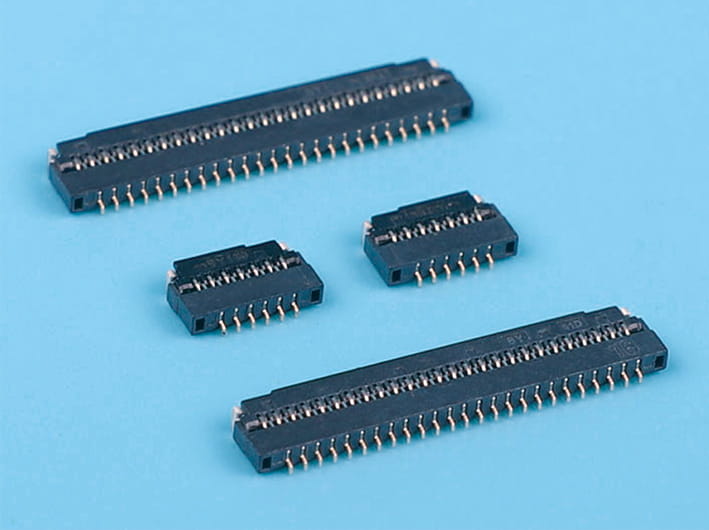
Easy-on fpc flat ribbon connector, 0.3mm pitch, 1.0mm height, flexible printed circuit connector, horizontal smt type
-

Back flip fpc flat flexible cable connector, 0.3mm pitch, 1.0mm height, bottom contact type for pcb board connections
-
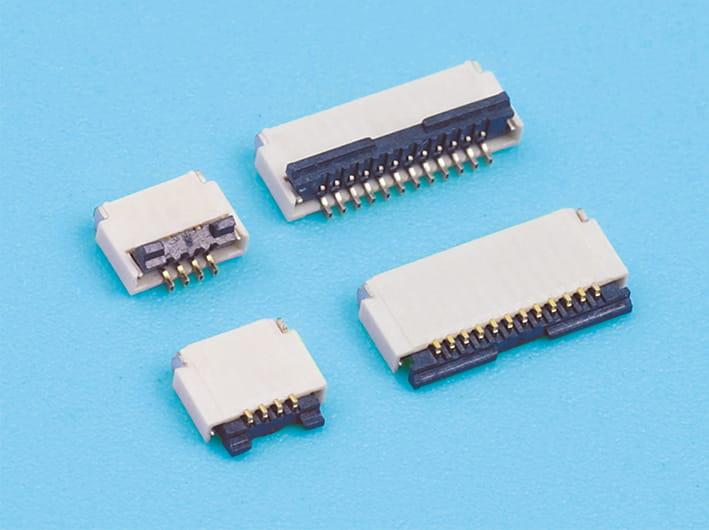
Back flip micro fpc flat cable connector, 0.5mm pitch, 1.0mm height, compact design, white, for data, signal transfer applications
-
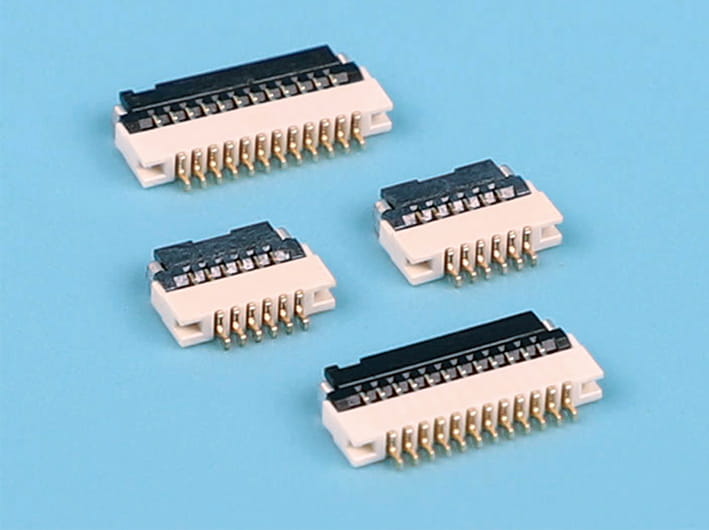
0.5mm Pitch, 1.0mm Height, Flip-Type Horizontal FPC Connector
-
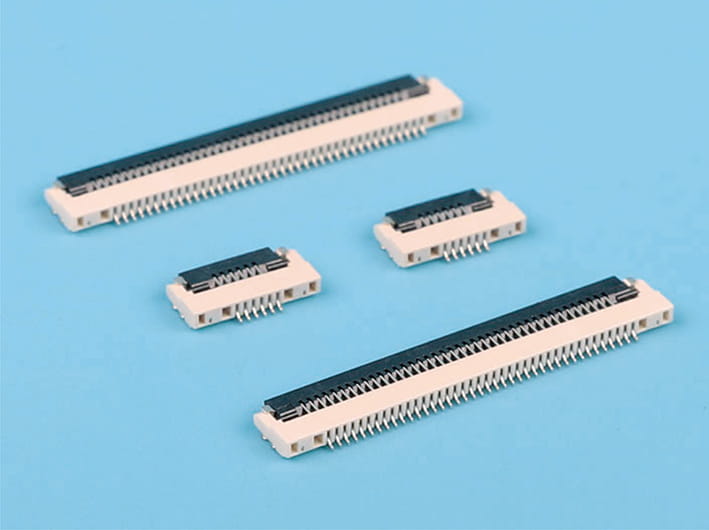
0.5mm pitch 1.2mm fpc flat cable connectors, horizontal smt type, flexible printed circuit connectors, secure locking
-
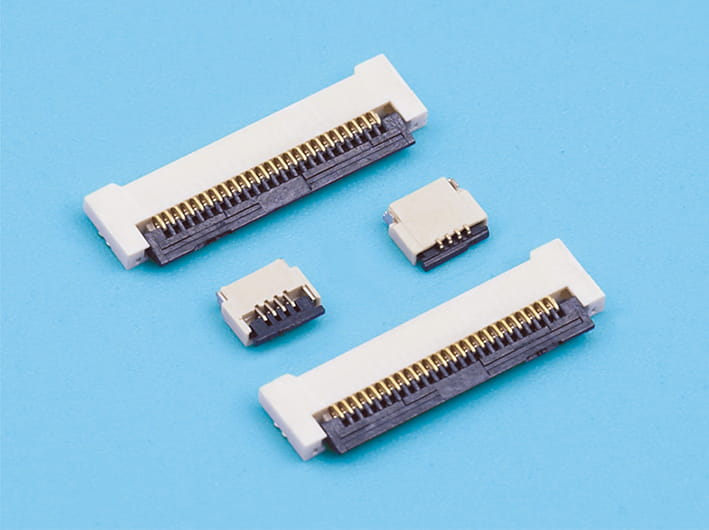
0.5mm Pitch, 1.2mm Height, Rear-Entry Horizontal FPC Connector
-
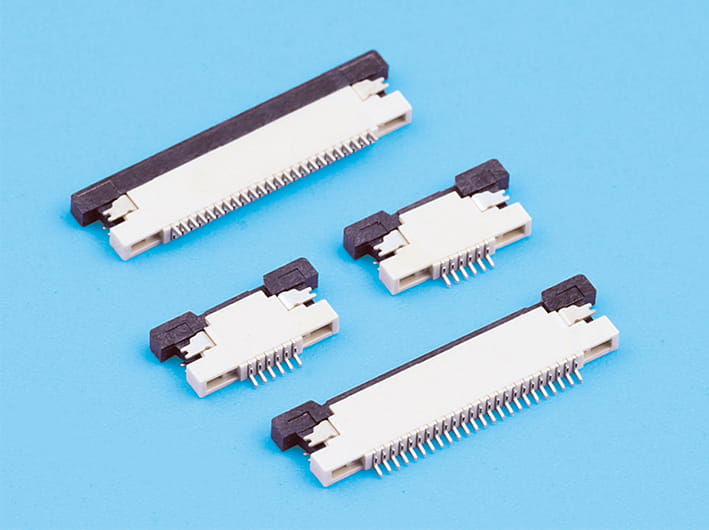
0.5mm pitch 1.2mm height fpc flat cable connector, zif r/a upper contact, locking slider, high-density integration, durable, for flexible printed circuits
-
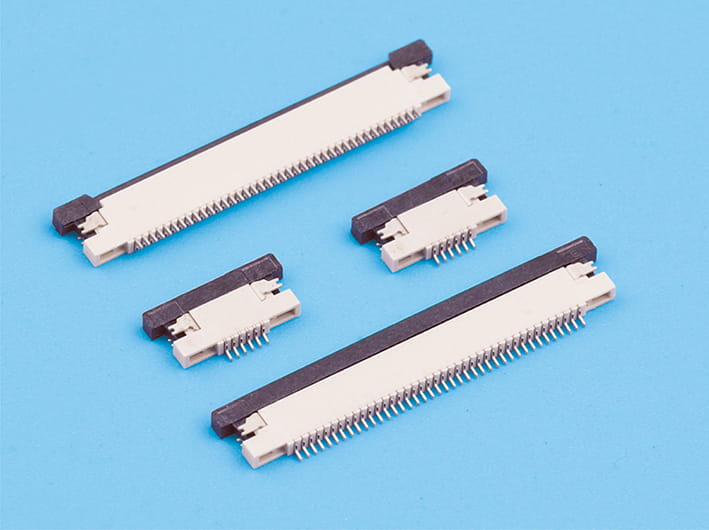
0.5mm pitch 1.2mm height fpc flat flexible cable connector, zif r/a down contact, for electronics and pcb boards
-
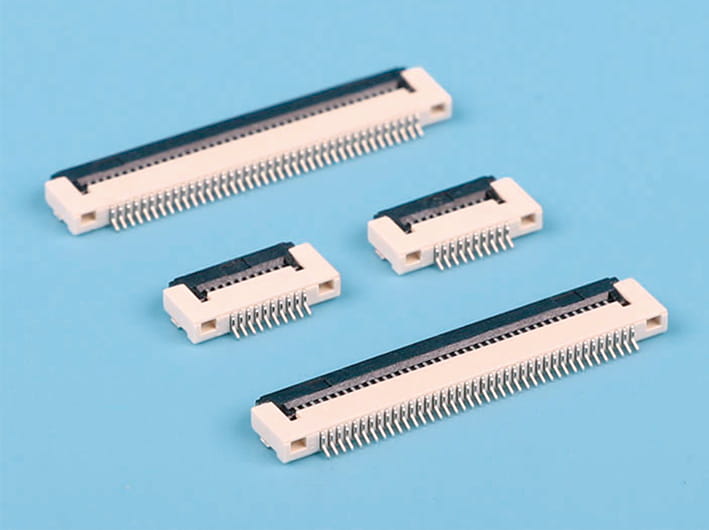
High-quality 0.5mm pitch 1.5mm height easy-on flat flexible cable fpc connector, horizontal type, locking-style, for pcb circuit board
-
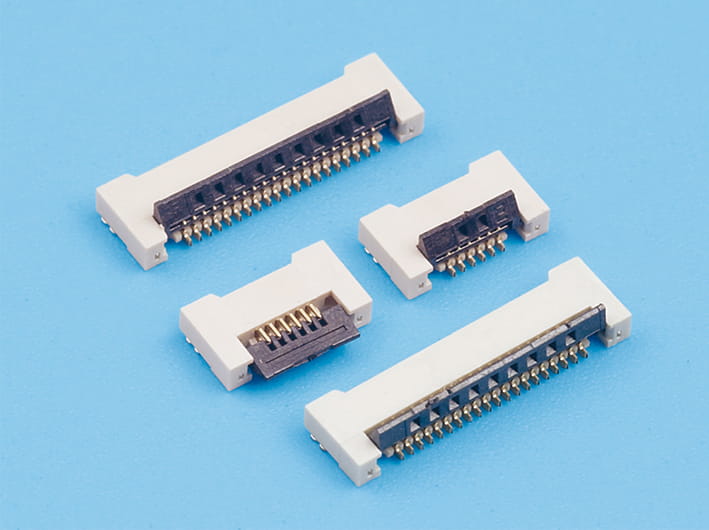
0.5mm pitch 1.5mm height back flip fpc flat connectors, zif slide type, flexible printed circuit cable connectors, horizontal contact
-
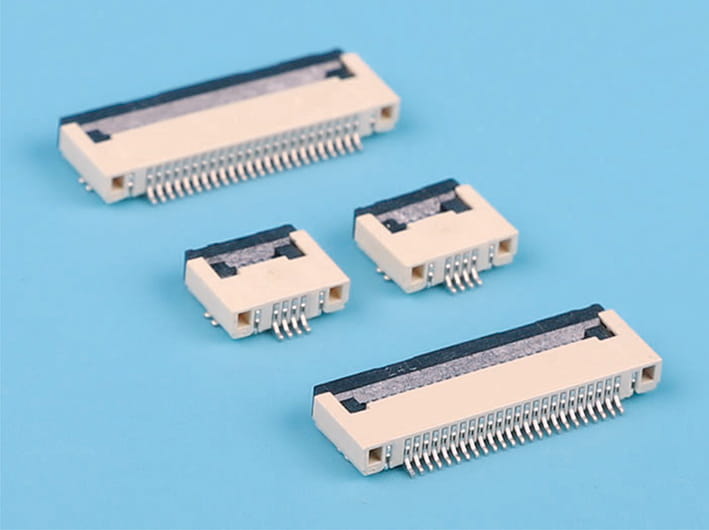
0.5mm pitch easy-on fpc flat ribbon connector, 2.0mm height, locking zif slide type, horizontal contact, flexible printed circuit board connector
-
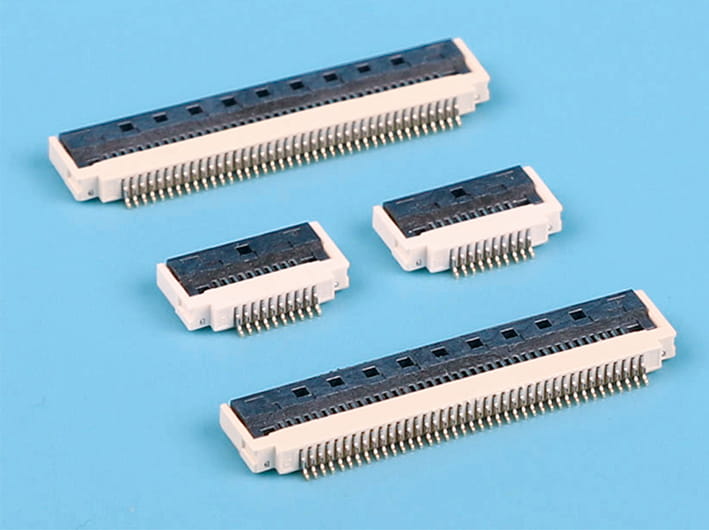
0.5mm pitch 2.0mm height, easy-on r/a with buckle fpc flat connectors, high-density integration flexible printed circuit board connectors
-
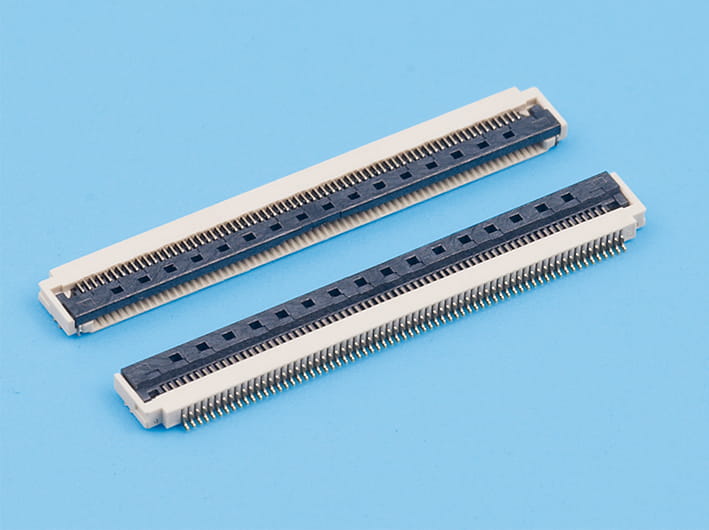
0.5mm Pitch, 2.0mm Height, Hinged Cover, Horizontal Mounting, Large Solder Pads
-

0.5mm pitch 2.0mm height back flip fpc flat connectors, horizontal insert, locking type, zif slide, pcb mount
-
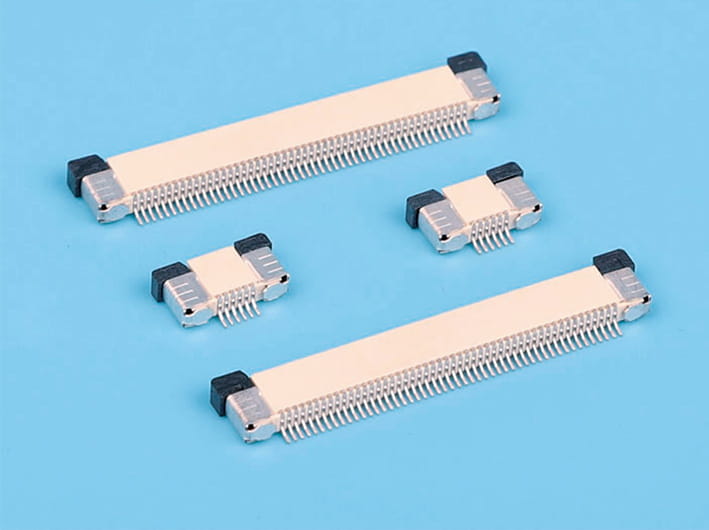
0.5mm Pitch, Ultra-Thin 2.0mm Horizontal FPC Connector (Pull-Out Locking Type, Top Contact Type)
-
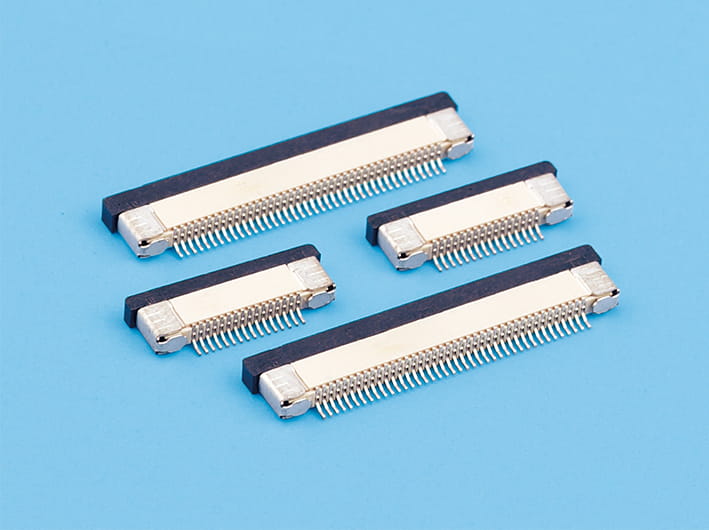
0.5mm Pitch, Ultra-Thin 2.0mm Horizontal FPC Connector (Pull-Out Locking Type, Bottom Contact Type)
-
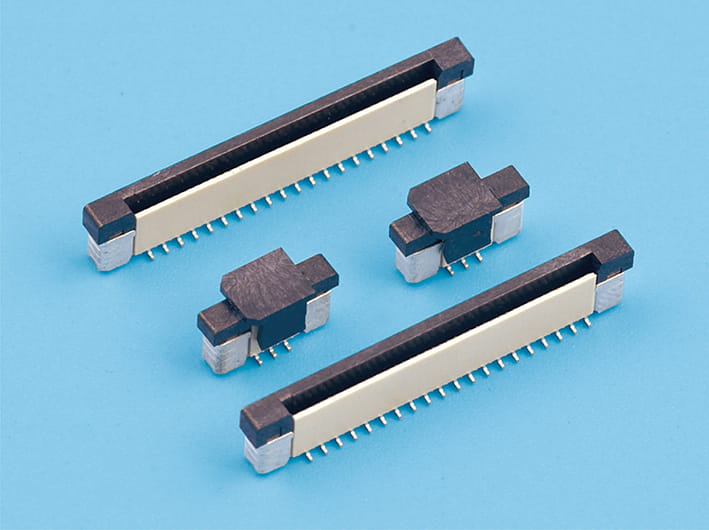
0.5mm pitch 4.5mm height fpc flat cable connector, zif s/t reversed pointer, locking slide
-
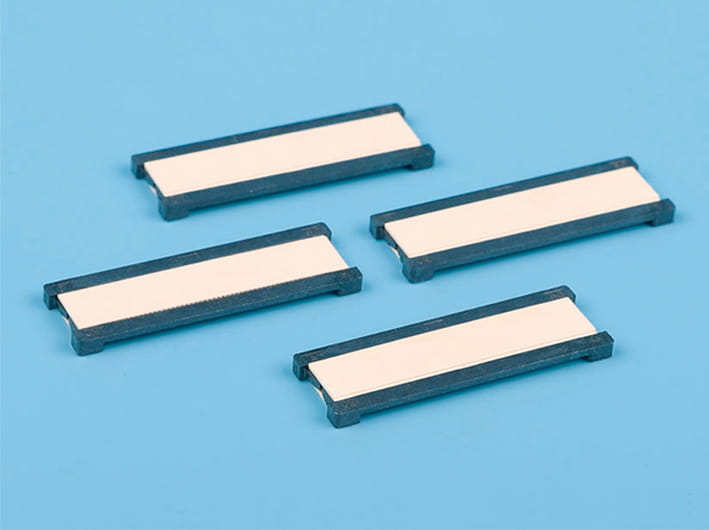
Double-side drawing fpc flat connector, 0.5mm pitch, 2.0mm/2.5mm height, flip type, for flexible cable, pcb mountable
CONTACT INFORMATION
-
Mr.Zhou(Sales manager)
Tel:+86(0)577-62369959
Tel:+86(0)577-62378959
MP:+86-13570877599
E-mail:[email protected]
Wechat:+86-13570877599
PRODUCT LINKS

Copyright © Zhejiang Wenda Electronics Co., Ltd. All Rights Reserved

Custom Electronic Connectors Manufacturer
