


 English
 中文简体
中文简体 Español
 عربى
عربىWhat Are The Main Applications Of BTB Power Connector
In many electronic systems, the connection between boards is as important as the components mounted on them. Power needs to move from one section to another without interruption. Space is often limited. Layouts can be dense and layered. In this context, BTB power connectors have become a familiar presence.
These connectors link boards directly. They allow energy to pass through compact paths while keeping structures organized. Their use is not limited to one field. They appear across a wide range of products, from everyday devices to complex systems.
Design teams often face a common question. Where do these connectors make the sense? The answer depends on space, structure, and function. Looking at how they are used across industries helps clarify their role.
Why Are BTB Power Connector Used In Modern Designs?
Modern devices tend to be smaller, yet more capable. This creates a need for efficient internal layouts. Wires can take up space. They can also introduce complexity during assembly.BTB connectors offer a different approach. They allow boards to connect directly, often in a stacked or parallel arrangement. This reduces the need for loose wiring. It also helps create a cleaner internal structure.
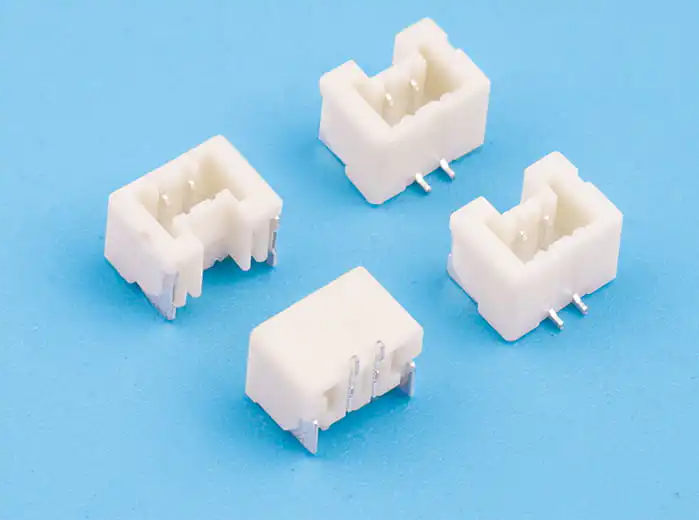
Another reason for their use lies in modular design. Products are often built in sections. Each section may handle a specific task. A direct board connection supports this structure. It allows sections to be assembled or replaced without changing the entire system.The result is a balance between compact form and functional flexibility. This balance is one of the main drivers behind their widespread use.
How Are BTB Power Connectors Applied In Consumer Electronics?
Consumer electronics present a clear example of space-driven design. Devices are expected to be thin and lightweight. At the same time, they must handle multiple functions.Inside these products, space is divided into layers. Boards are placed close together. BTB connectors help link these layers without adding bulk.
They are often used in:
- Portable devices with stacked internal boards
- Display modules connected to control units
- Battery interfaces that require stable power transfer
- Internal expansion areas where modules are added
In these situations, the connector supports both structure and function. It keeps the internal layout organized while allowing power to flow between sections.Designers also value the consistency these connectors provide. Once placed, they maintain alignment between boards. This helps reduce variation during assembly.
What Role Do They Play In Industrial Equipment?
Industrial systems often operate under steady demand. Equipment may run for long periods. Stability becomes an important factor.
BTB connectors are used in control systems where boards handle different tasks. One board may process signals. Another may manage power distribution. A direct connection between them helps maintain a steady flow.
They are also found in modular control units. These units are built in sections that can be replaced or upgraded. A board-to-board connection supports this approach. It allows parts to be removed and reinstalled with minimal disruption.
In workshop environments, ease of maintenance matters. When a section can be accessed without dealing with multiple wires, service becomes more straightforward.The use of these connectors in such systems reflects a need for both reliability and practical handling.
How Do They Support Communication And Networking Devices?
Communication equipment often includes multiple boards working together. Each board may handle a specific function. Some manage signal processing. Others deal with power supply or interface control.BTB connectors help bring these boards into a compact arrangement. They allow vertical or parallel stacking. This makes better use of available space.In networking devices, consistent power delivery is essential. A stable connection helps maintain continuous operation. Interruptions can affect performance across the system.The structured layout also supports airflow. With boards arranged in an organized manner, cooling paths can be planned more effectively.This combination of compact structure and stable connection makes BTB solutions suitable for communication equipment.
Where Are They Used In Automotive Systems?
Automotive systems continue to evolve. Electronics now play a central role in many functions. Space within control units is limited, yet the number of features continues to grow.BTB connectors appear in modules that manage various systems. These modules often contain multiple boards arranged in layers. A direct connection helps keep the structure compact.
They are used in areas such as:
- Control units that coordinate different functions
- Interface modules that connect sensors and processors
- Internal sections where power needs to be distributed across boards
The environment in automotive systems can vary. Temperature changes and movement may occur. A secure board connection helps maintain alignment under these conditions.Designers often consider how components will be assembled and serviced. A connector that supports clear placement can simplify both tasks.
How Are BTB Power Connectors Applied In Medical Devices?
Medical devices require careful design. Reliability and consistency are key concerns. Internal layouts are often compact, especially in portable equipment.BTB connectors are used to link boards within these devices. They help maintain a stable connection while supporting a structured layout.
Applications may include:
- Monitoring devices with layered internal boards
- Diagnostic equipment where multiple modules work together
- Portable systems that require efficient use of space
In these settings, the connector contributes to both organization and performance. A clear board arrangement can also support inspection and maintenance.Design teams often focus on reducing complexity. A direct board connection can help achieve this by limiting the number of separate wiring paths.
What About Use In Data Processing And Storage Systems?
Data processing systems often contain several boards working in coordination. Power must be distributed across these boards in a controlled manner.BTB connectors help manage this distribution. They allow boards to be placed close together while maintaining clear pathways for power.
In storage systems, modular design is common. Sections may be added or removed based on need. A board-to-board connection supports this flexibility.The structured layout also helps with system organization. Components can be arranged in a way that supports both function and accessibility.
Below is a simple overview of application areas and their key considerations:
| Application Area | Typical Use Case | Design Focus |
|---|---|---|
| Consumer Electronics | Compact layered devices | Space saving and alignment |
| Industrial Equipment | Modular control systems | Stability and serviceability |
| Communication Devices | Multi-board processing units | Compact layout and airflow |
| Automotive Systems | Control modules | Secure placement and durability |
| Medical Devices | Portable and diagnostic equipment | Reliability and organization |
| Data Systems | Processing and storage units | Structured power distribution |
This table highlights how the same connector type adapts to different needs. The context changes, but the core function remains consistent.
How Do They Fit Into Modular Product Design?
Modular design is a common approach across industries. Products are built from separate sections. Each section performs a specific role.BTB connectors support this structure. They allow boards to connect directly, forming a clear interface between modules.
When a module needs to be replaced, the connection can be separated and rejoined without complex steps. This can reduce downtime and simplify assembly.Design teams often consider how a product may evolve. A modular layout allows for changes over time. A board-to-board connection supports this flexibility.The connector becomes part of a system that is designed not just for use, but also for adaptation.
What Design Factors Influence Their Application?
Several factors guide the use of BTB connectors. Space is often the starting point. Limited room encourages direct board connections.Alignment is another factor. Boards must connect in a precise way. The connector helps maintain this alignment during assembly and use.Ease of handling also plays a role. A design that supports straightforward assembly can improve consistency across production.
Material choice and structure are considered as well. The connector must match the environment in which it is used. This includes factors such as movement, temperature changes, and long-term use.These considerations shape how and where the connector is applied. They reflect a balance between design goals and practical constraints.
How Are Emerging Design Trends Influencing Their Use?
Design trends continue to evolve. Devices are becoming more compact. Functions are becoming more integrated. These changes influence how connections are made.There is a growing interest in reducing internal complexity. Direct board connections support this goal. They replace longer paths with shorter, more structured ones.Another trend involves flexible layouts. Products may need to adapt to different configurations. A connector that supports modular assembly fits well within this approach.Attention is also shifting toward ease of maintenance. Systems that can be opened and serviced without difficulty are often preferred. Board-to-board connections can contribute to this by simplifying internal structure.As these trends develop, the role of BTB power connectors continues to expand. They remain a practical solution in environments where space, structure, and reliability must work together.
Related Products
-
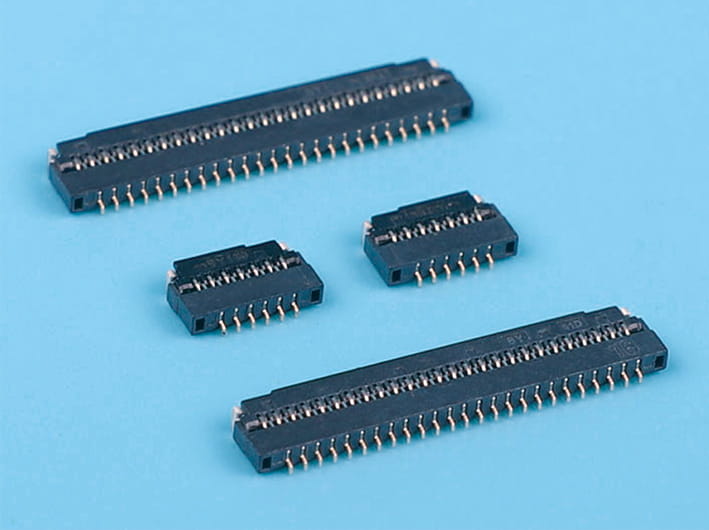
Easy-on fpc flat ribbon connector, 0.3mm pitch, 1.0mm height, flexible printed circuit connector, horizontal smt type
-

Back flip fpc flat flexible cable connector, 0.3mm pitch, 1.0mm height, bottom contact type for pcb board connections
-
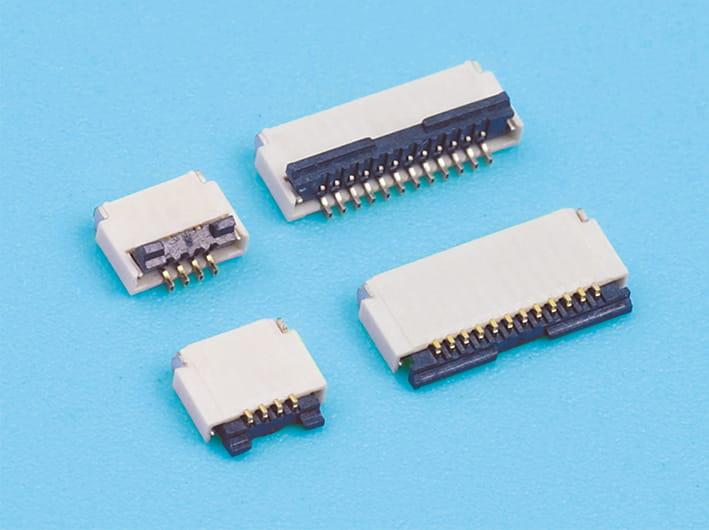
Back flip micro fpc flat cable connector, 0.5mm pitch, 1.0mm height, compact design, white, for data, signal transfer applications
-
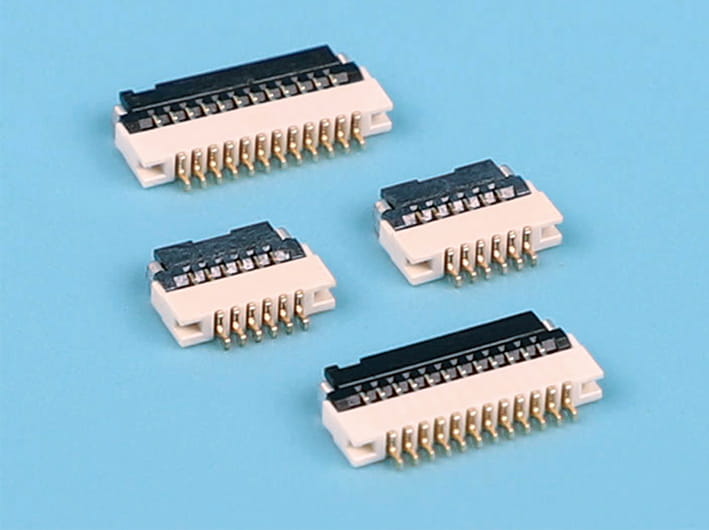
0.5mm Pitch, 1.0mm Height, Flip-Type Horizontal FPC Connector
-
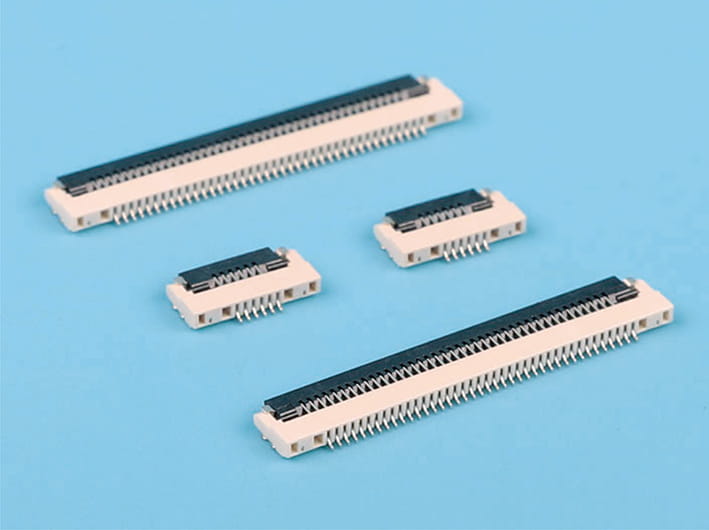
0.5mm pitch 1.2mm fpc flat cable connectors, horizontal smt type, flexible printed circuit connectors, secure locking
-
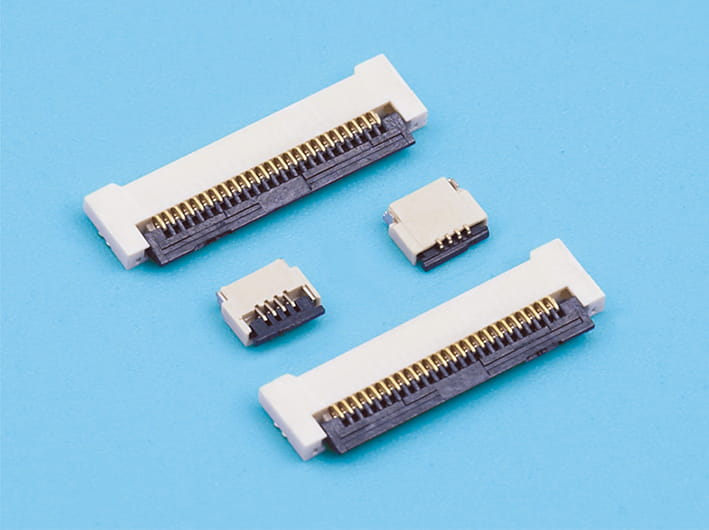
0.5mm Pitch, 1.2mm Height, Rear-Entry Horizontal FPC Connector
-
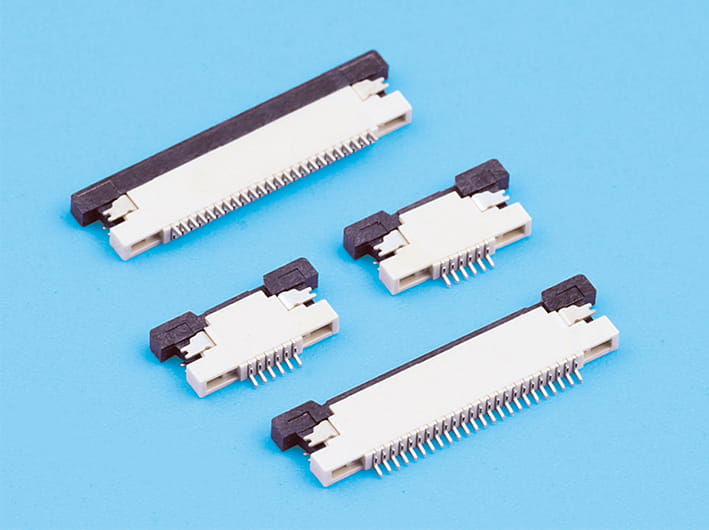
0.5mm pitch 1.2mm height fpc flat cable connector, zif r/a upper contact, locking slider, high-density integration, durable, for flexible printed circuits
-
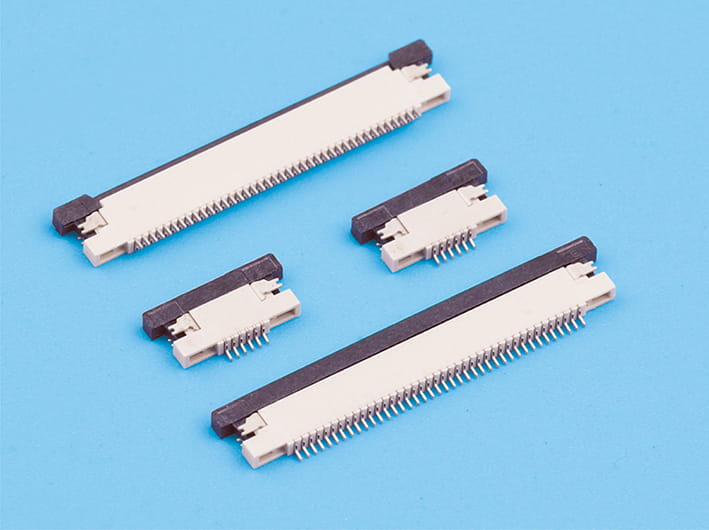
0.5mm pitch 1.2mm height fpc flat flexible cable connector, zif r/a down contact, for electronics and pcb boards
-
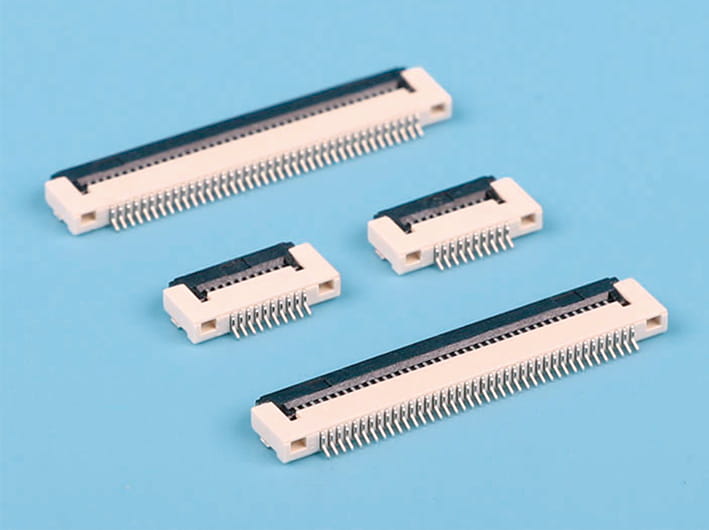
High-quality 0.5mm pitch 1.5mm height easy-on flat flexible cable fpc connector, horizontal type, locking-style, for pcb circuit board
-
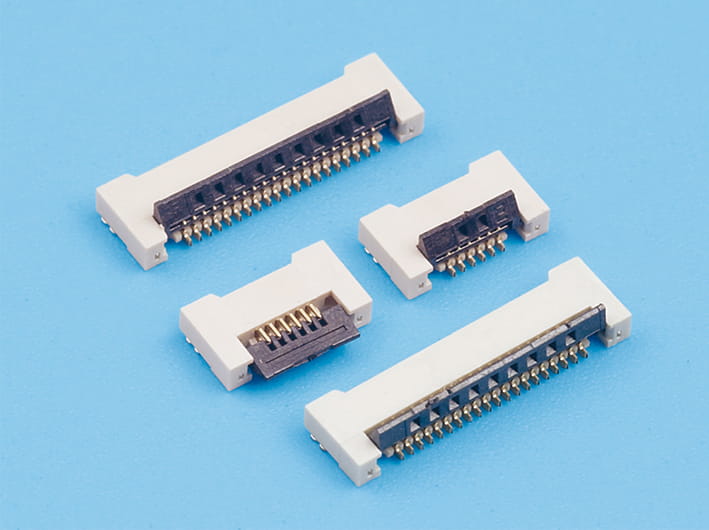
0.5mm pitch 1.5mm height back flip fpc flat connectors, zif slide type, flexible printed circuit cable connectors, horizontal contact
-
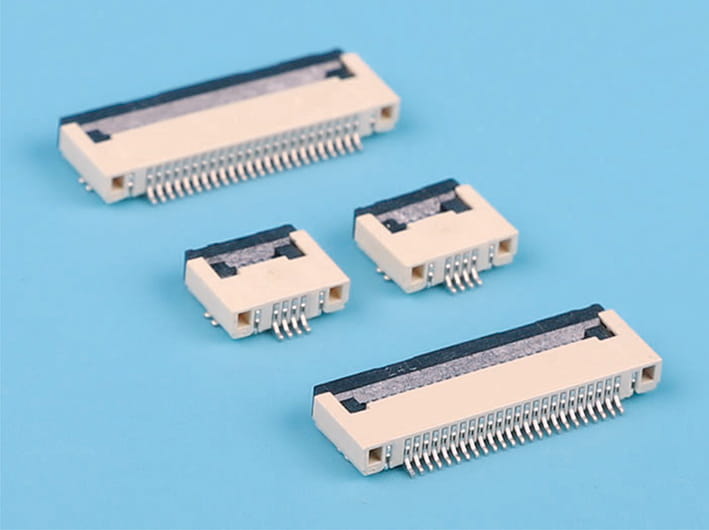
0.5mm pitch easy-on fpc flat ribbon connector, 2.0mm height, locking zif slide type, horizontal contact, flexible printed circuit board connector
-
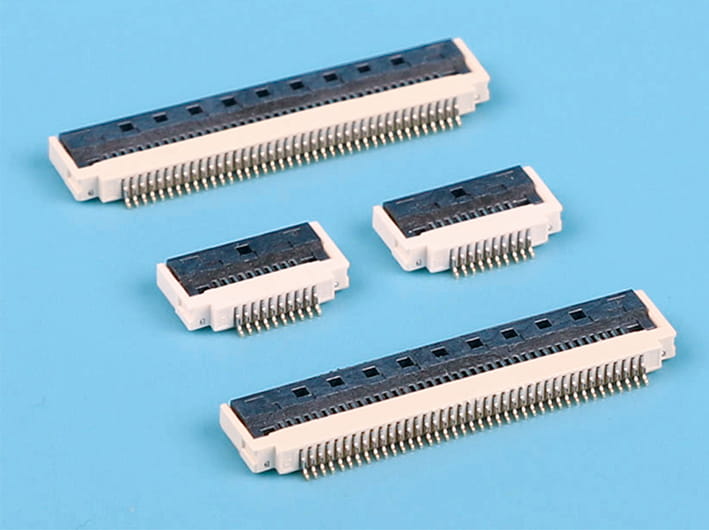
0.5mm pitch 2.0mm height, easy-on r/a with buckle fpc flat connectors, high-density integration flexible printed circuit board connectors
-
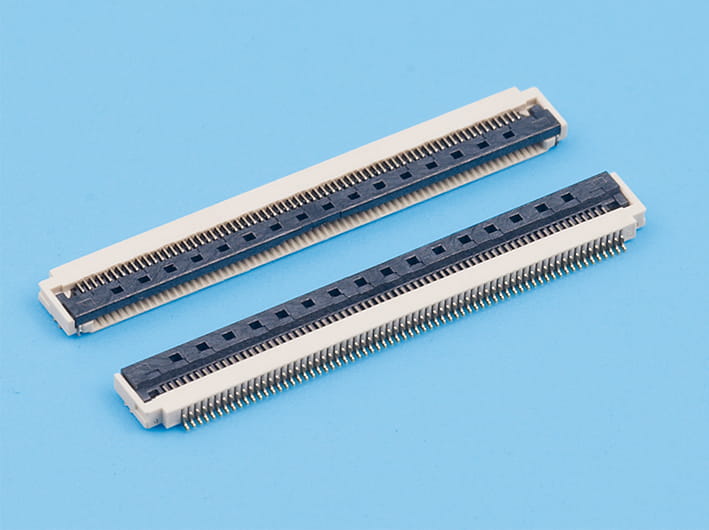
0.5mm Pitch, 2.0mm Height, Hinged Cover, Horizontal Mounting, Large Solder Pads
-

0.5mm pitch 2.0mm height back flip fpc flat connectors, horizontal insert, locking type, zif slide, pcb mount
-
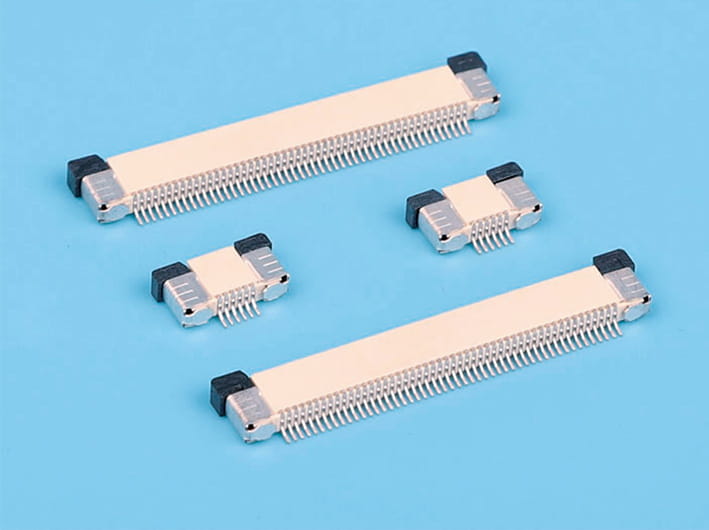
0.5mm Pitch, Ultra-Thin 2.0mm Horizontal FPC Connector (Pull-Out Locking Type, Top Contact Type)
-
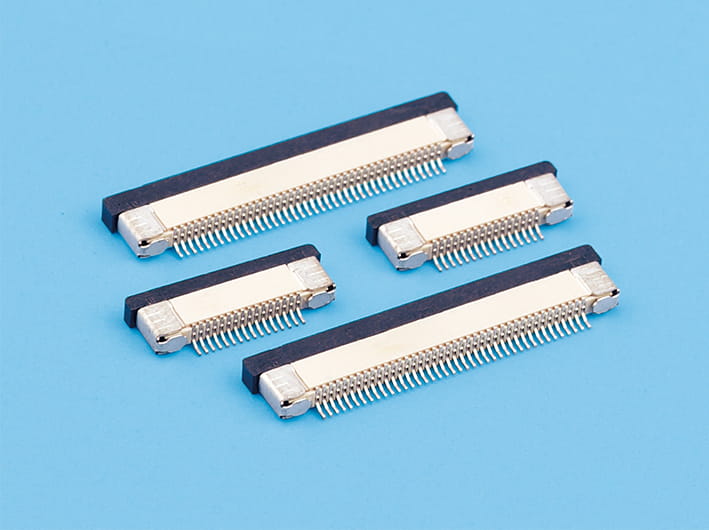
0.5mm Pitch, Ultra-Thin 2.0mm Horizontal FPC Connector (Pull-Out Locking Type, Bottom Contact Type)
-
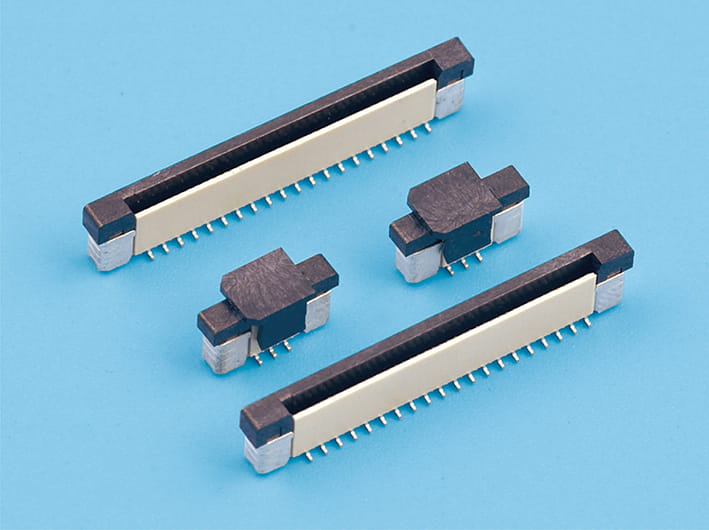
0.5mm pitch 4.5mm height fpc flat cable connector, zif s/t reversed pointer, locking slide
-
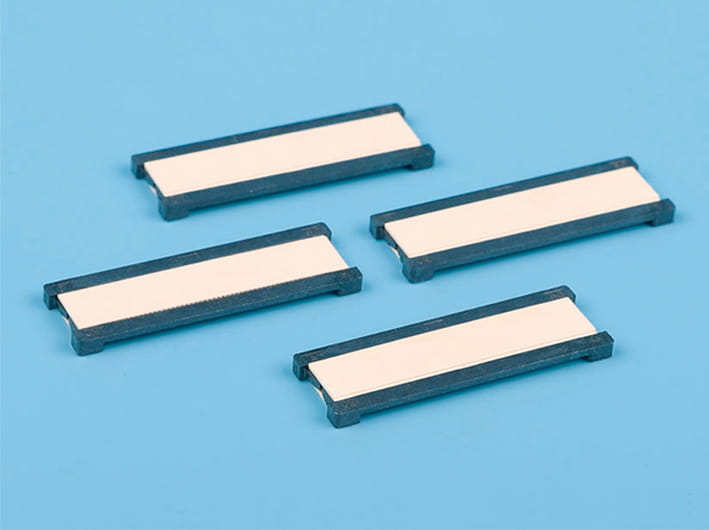
Double-side drawing fpc flat connector, 0.5mm pitch, 2.0mm/2.5mm height, flip type, for flexible cable, pcb mountable
CONTACT INFORMATION
-
Mr.Zhou(Sales manager)
Tel:+86(0)577-62369959
Tel:+86(0)577-62378959
MP:+86-13570877599
E-mail:[email protected]
Wechat:+86-13570877599
PRODUCT LINKS

Copyright © Zhejiang Wenda Electronics Co., Ltd. All Rights Reserved

Custom Electronic Connectors Manufacturer
