


 English
 中文简体
中文简体 Español
 عربى
عربىZIF vs LIF FPC Connector: Which One Should You Actually Use
If you've ever tried to insert a thin ribbon cable into a tiny connector and thought, "Why won't this thing stay put?" — you've likely met the difference between ZIF and LIF. Both are common in FPC connectors, but they behave very differently on the assembly line and in the field.
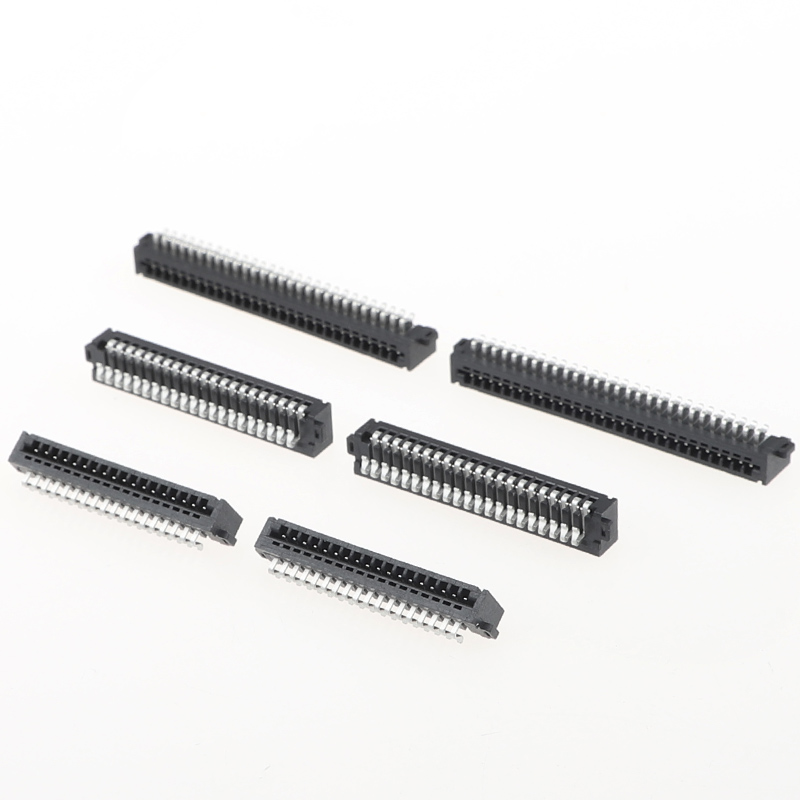
Let's clear up the confusion right now, because picking the wrong one can turn a five-second cable insertion into a frustrating, pad-lifting nightmare.
The One‑Sentence Difference
ZIF(Zero Insertion Force) means you flip a small locking actuator to clamp the cable.LIF(Low Insertion Force) means you just push the cable in — but it takes some effort, and there's no lock.
That's it. But the practical consequences are huge.
ZIF Connectors – The Safe, Reliable Choice
AZIF FPC connectorhas a movable flap — usually brown, black, or white — that flips up or slides forward. You insert the cable withzeroforce, then close the flap to create a gas‑tight connection.
Where ZIF shines:
· High vibration environments(automotive, drones, industrial equipment) — the lock prevents the cable from creeping out.
· Repeated insertions(test fixtures, consumer devices that get serviced) — no wear on the cable contacts.
· Fine‑pitch cables(0.3mm or 0.5mm) — you won't bend or crumple the delicate copper traces.
· Unskilled assembly— factory workers or hobbyists rarely damage a ZIF connector if they open the flap first.
Downsides of ZIF:
· More expensive (the mechanical latch adds cost).
· Takes slightly longer to assemble (open → insert → close).
· The latch can break if you close it without the cable inside — or if you use brute force.
Real‑world example:
Almost every laptop display cable uses a ZIF connector. Imagine pushing a 40‑pin flat cable into a socket with no lock — every time you close the lid, vibration would kill the connection in weeks.
LIF Connectors – Cheap and Fast, But Know the Risks
ALIF FPC connectorhas no moving parts. You simply push the cable into the slot until it bottoms out, and friction holds it in place. "Low" insertion force is still noticeable — you'll feel resistance.
Where LIF makes sense:
· Cost‑sensitive high‑volume products(simple LED strips, cheap sensor modules, toys).
· Stationary deviceswith no vibration or movement.
· Once‑in‑lifetime installation(disposable medical sensors, some smart home gadgets).
· When board space is extremely tight— LIF connectors are often lower profile than ZIF.
The ugly side of LIF:
· No locking mechanism— the cable can walk out due to thermal cycling or shipping vibration.
· Higher insertion force— you can accidentally push too hard and rip the pads off the PCB (yes, it happens).
· Wears out the cable— after 10–20 insertions, the copper traces at the insertion point may crack.
· Sensitive to cable thickness— a slightly thicker FPC won't go in; a thinner one won't make contact.
Painful story from the field:
A buyer ordered 10k LIF connectors for a portable medical device. Product worked fine in the lab. After shipping across the country, 8% field failure — intermittent display. Cause: vibration during truck transport slowly backed the FPC cables out by 0.2mm. Switched to ZIF and failures dropped to zero.
Head‑to‑Head Comparison – ZIF vs LIF FPC Connector
| Feature | ZIF | LIF |
|---|---|---|
| Insertion force | Nearly zero (flap open) | Moderate to high (push only) |
| Locking mechanism | Yes (flap or slider) | No |
| Retention strength | Excellent | Poor under vibration |
| Cost | Higher ($0.20–$0.80) | Lower ($0.05–$0.30) |
| Assembly time | Slightly longer | Very fast |
| Board space | Similar (sometimes taller) | Often lower profile |
| Re-insertion cycles | 20–50+ | 5–10 max |
| Best for | Mobile, auto, industrial, any vibration | Stationary, disposable, ultra-low-cost |
How to Choose – Three Real Questions You Should Ask Yourself?
Instead of reading datasheets for hours, answer these:
1. Will the device move or vibrate during its life?
Yes →ZIF. No question. LIF will fail in a car, drone, washing machine, or even a handheld product that gets dropped.
2. How many times will someone insert the cable?
More than 5 times →ZIF. LIF connectors wear out the FPC quickly. For production testing, always use ZIF on the test jig.
3. Is the cable pitch 0.5mm or smaller?
Yes →ZIF. At fine pitch, you'll struggle to align and push a LIF connector without bending pins or shorting adjacent traces.
4. Is your assembly team experienced?
No →ZIF. With LIF, new technicians often insert the cable at an angle, damaging either the connector or the cable. ZIF is idiot‑proof (open, drop cable in, close).
Common Myths – Busted
Myth 1: "LIF is just a cheaper ZIF."
No. LIF completely lacks a lock. It relies on friction only. That's a fundamental difference, not just a cost reduction.
Myth 2: "You can add glue to LIF to make it secure."
Sure, some people hot‑glue FPC cables into LIF connectors. That works until you need rework — then you damage the PCB. Also, glue wicks into the contact area and causes opens. Not recommended.
Myth 3: "ZIF connectors are fragile."
The flap is somewhat delicate — don't close it without a cable. But in normal use, a quality ZIF (Hirose, Molex, Panasonic) survives years of actuation.
When to Ignore This Advice (Special Cases)
· High‑temperature environments(>85°C). Some ZIF connector plastics soften. A high‑temp LIF with metal barbs might actually hold better. Check the datasheet for operating temp.
· Extremely low profile(<0.9mm height). Few ZIF connectors go that low. LIF wins here.
· One‑way assembly where cable is soldered on the other end(like a rigid‑flex board). Then vibration is less of an issue — LIF could work.
Parting Recommendation – From Someone Who's Repaired Both
If your budget allows an extra $0.10 per connector, pickZIF. The reduced field failures, easier assembly, and happier customers are worth it.
Only useLIFif:
· You're making millions of units and every cent matters.
· The device never moves after installation.
· You have automated insertion with force monitoring.
· You accept a higher return rate (and can afford it).
For prototypes, repair work, or any product you care about — ZIF. Always ZIF.
Still unsure? Post your application details in the comments (vibration level, insertion cycles, pitch, budget per board) and I'll tell you exactly which ZIF vs LIF FPC connectorfits your case. No fluff, just real‑world advice.
Related Products
-
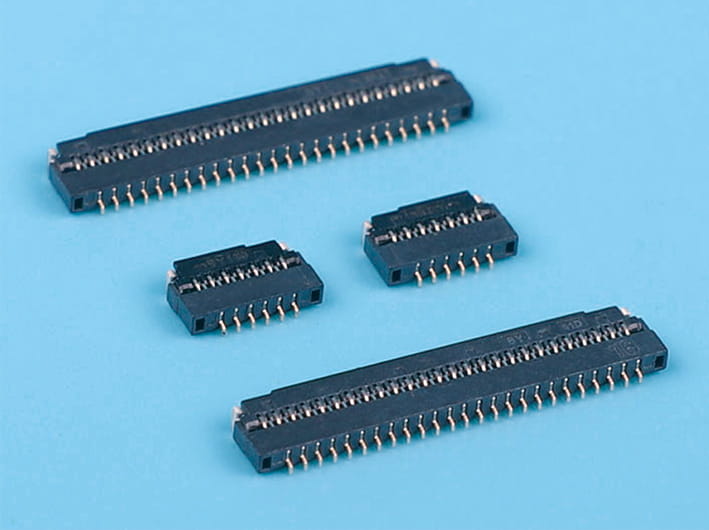
Easy-on fpc flat ribbon connector, 0.3mm pitch, 1.0mm height, flexible printed circuit connector, horizontal smt type
-

Back flip fpc flat flexible cable connector, 0.3mm pitch, 1.0mm height, bottom contact type for pcb board connections
-
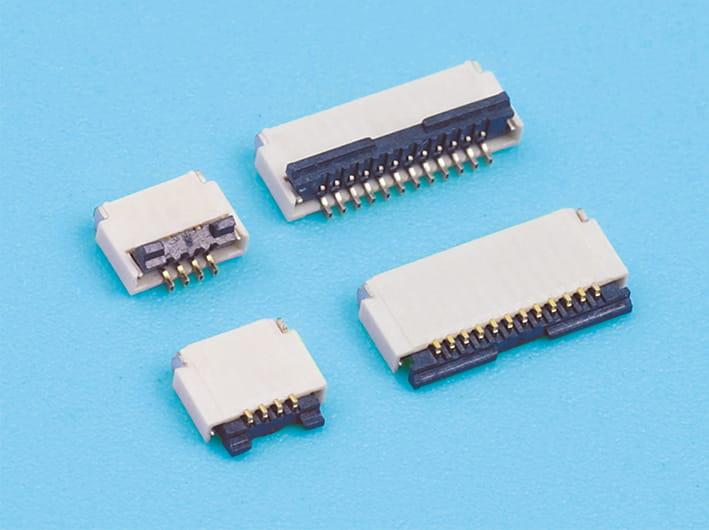
Back flip micro fpc flat cable connector, 0.5mm pitch, 1.0mm height, compact design, white, for data, signal transfer applications
-
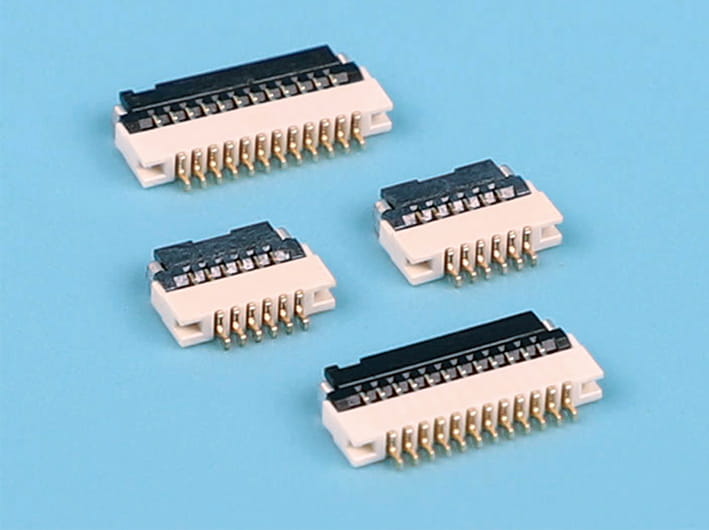
0.5mm Pitch, 1.0mm Height, Flip-Type Horizontal FPC Connector
-
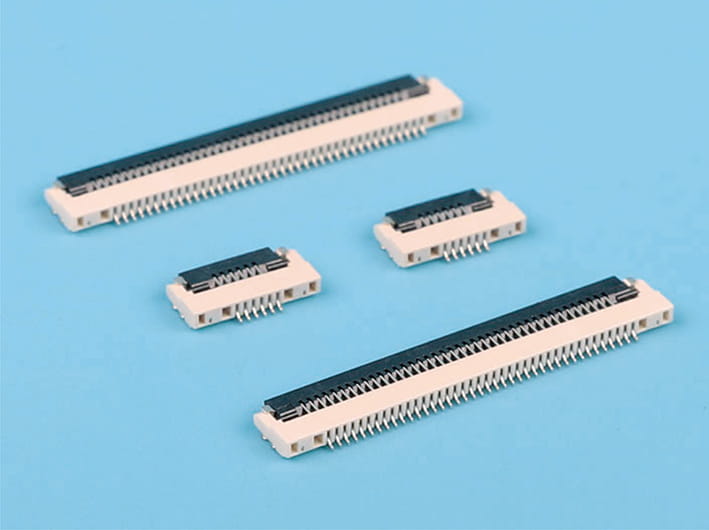
0.5mm pitch 1.2mm fpc flat cable connectors, horizontal smt type, flexible printed circuit connectors, secure locking
-
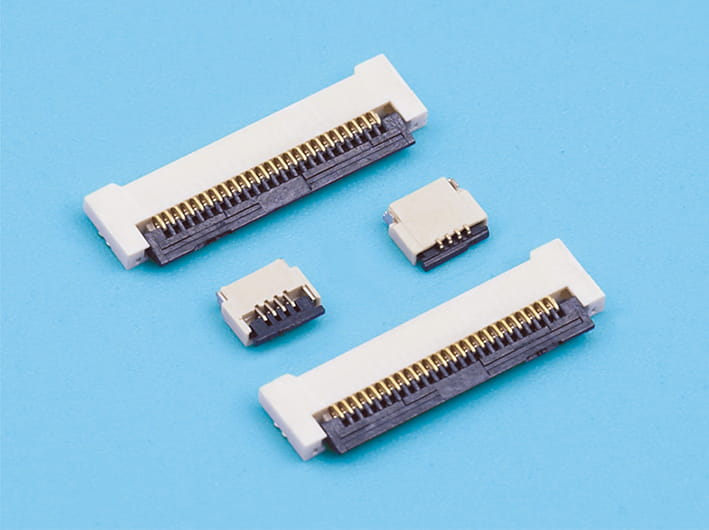
0.5mm Pitch, 1.2mm Height, Rear-Entry Horizontal FPC Connector
-
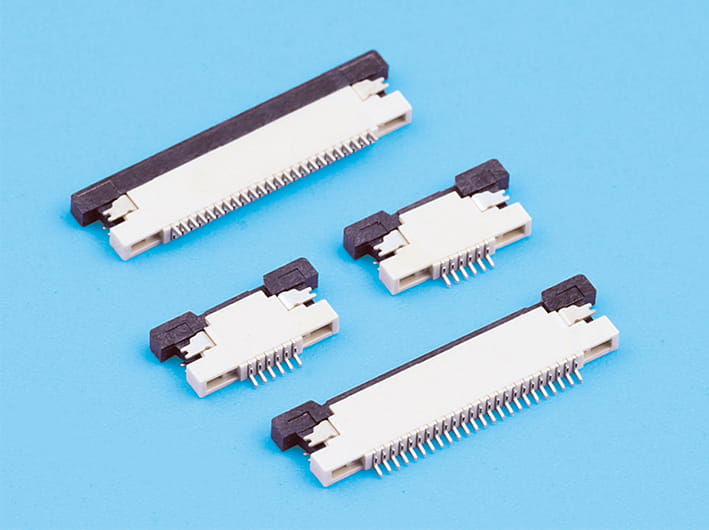
0.5mm pitch 1.2mm height fpc flat cable connector, zif r/a upper contact, locking slider, high-density integration, durable, for flexible printed circuits
-
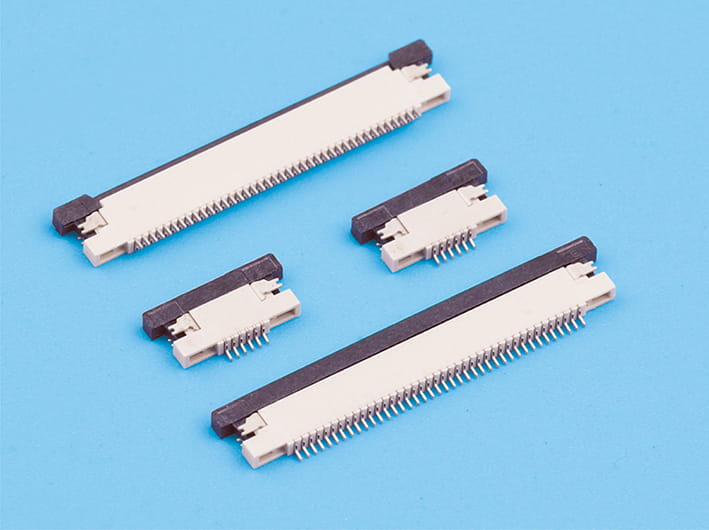
0.5mm pitch 1.2mm height fpc flat flexible cable connector, zif r/a down contact, for electronics and pcb boards
-
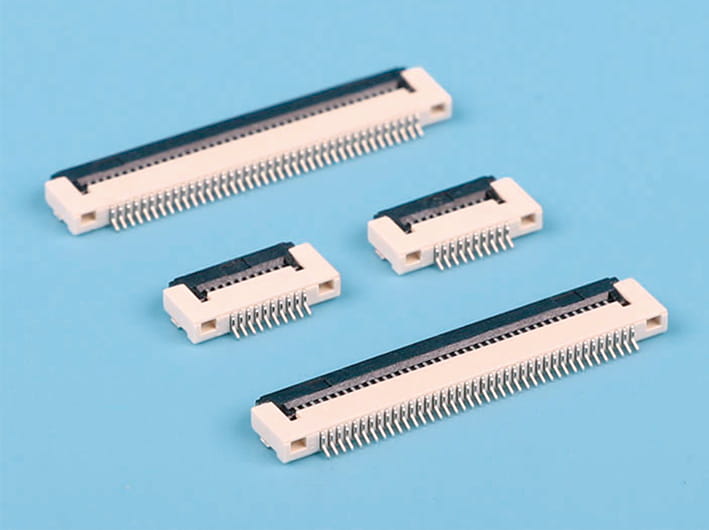
High-quality 0.5mm pitch 1.5mm height easy-on flat flexible cable fpc connector, horizontal type, locking-style, for pcb circuit board
-
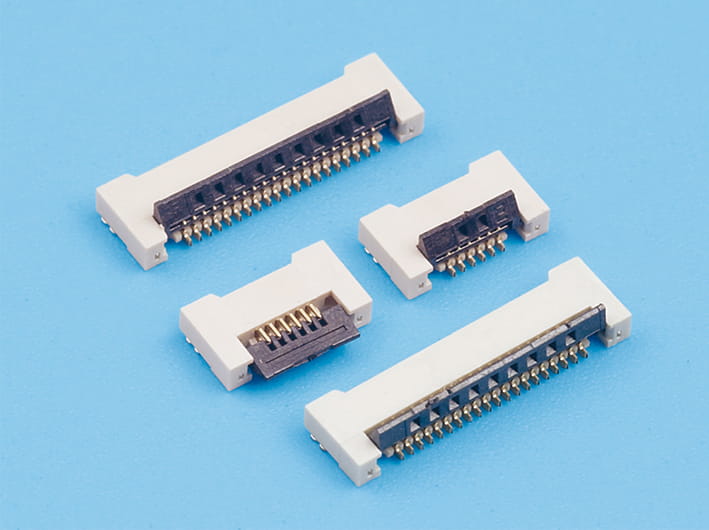
0.5mm pitch 1.5mm height back flip fpc flat connectors, zif slide type, flexible printed circuit cable connectors, horizontal contact
-
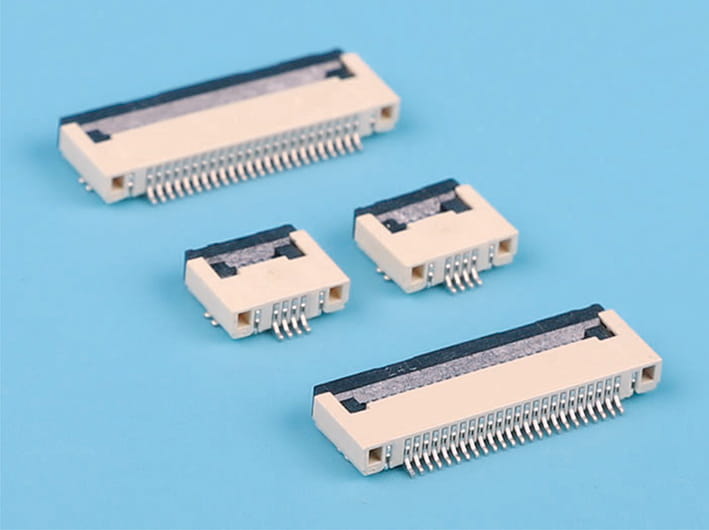
0.5mm pitch easy-on fpc flat ribbon connector, 2.0mm height, locking zif slide type, horizontal contact, flexible printed circuit board connector
-
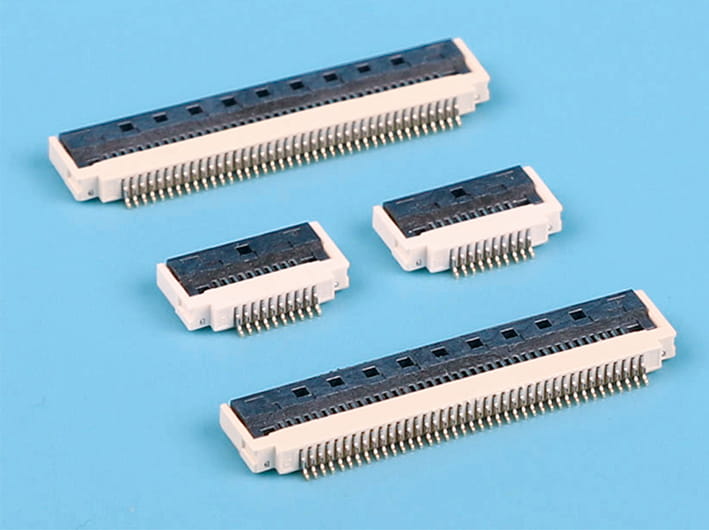
0.5mm pitch 2.0mm height, easy-on r/a with buckle fpc flat connectors, high-density integration flexible printed circuit board connectors
-
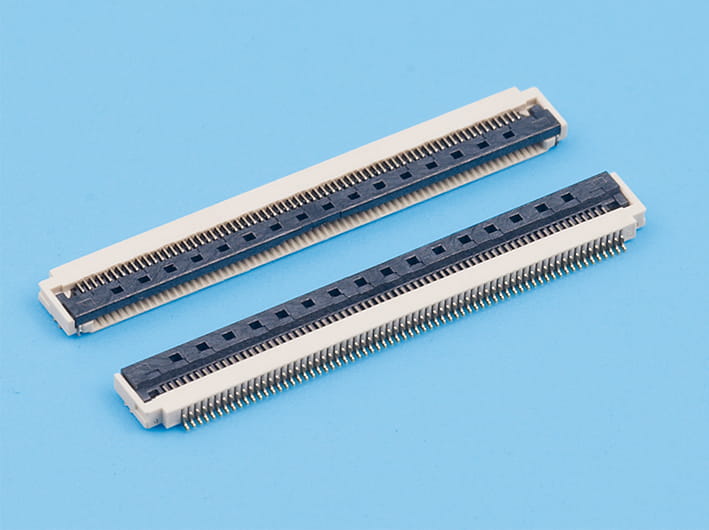
0.5mm Pitch, 2.0mm Height, Hinged Cover, Horizontal Mounting, Large Solder Pads
-

0.5mm pitch 2.0mm height back flip fpc flat connectors, horizontal insert, locking type, zif slide, pcb mount
-
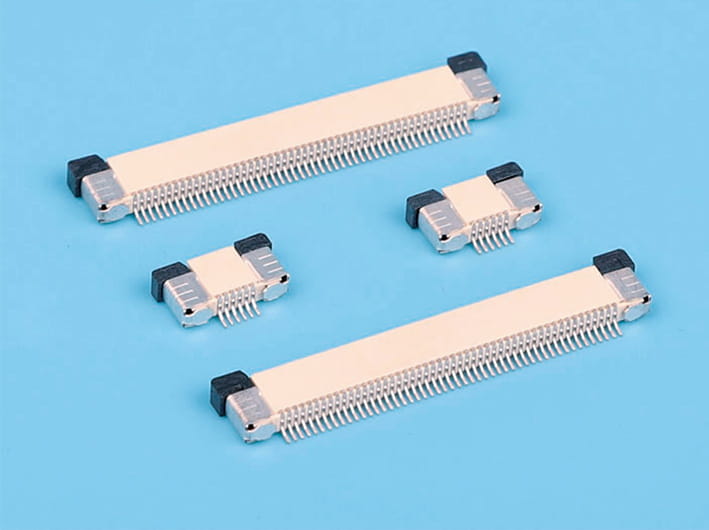
0.5mm Pitch, Ultra-Thin 2.0mm Horizontal FPC Connector (Pull-Out Locking Type, Top Contact Type)
-
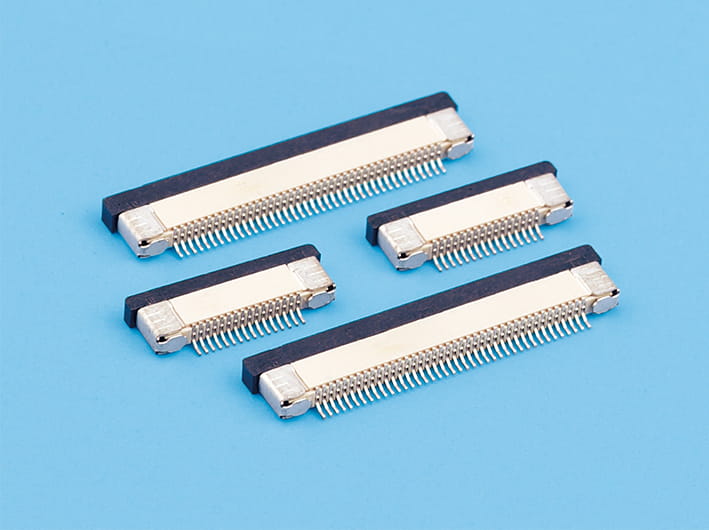
0.5mm Pitch, Ultra-Thin 2.0mm Horizontal FPC Connector (Pull-Out Locking Type, Bottom Contact Type)
-
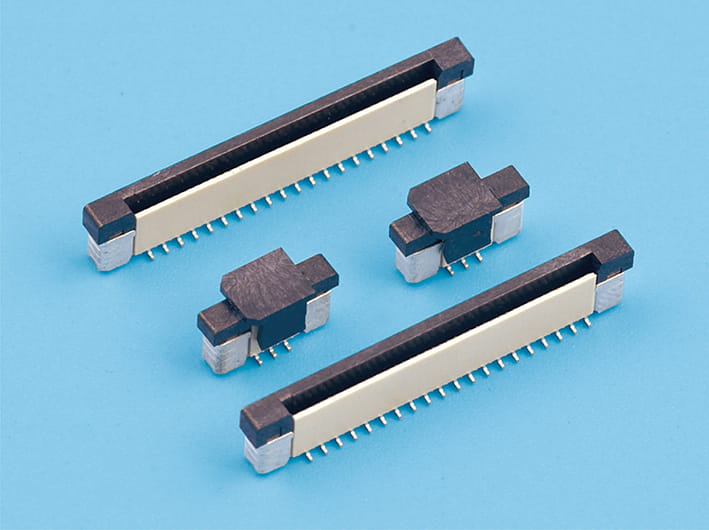
0.5mm pitch 4.5mm height fpc flat cable connector, zif s/t reversed pointer, locking slide
-
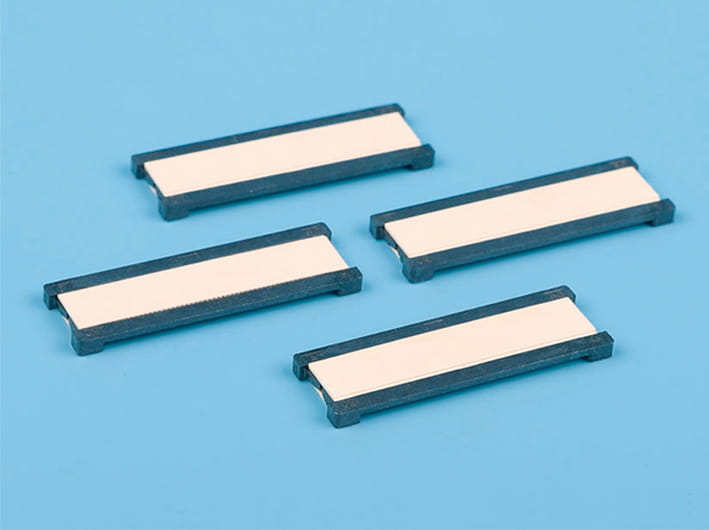
Double-side drawing fpc flat connector, 0.5mm pitch, 2.0mm/2.5mm height, flip type, for flexible cable, pcb mountable
CONTACT INFORMATION
-
Mr.Zhou(Sales manager)
Tel:+86(0)577-62369959
Tel:+86(0)577-62378959
MP:+86-13570877599
E-mail:[email protected]
Wechat:+86-13570877599
PRODUCT LINKS

Copyright © Zhejiang Wenda Electronics Co., Ltd. All Rights Reserved

Custom Electronic Connectors Manufacturer
