


 English
 中文简体
中文简体 Español
 عربى
عربىSelecting Proper WTB Wire to Board Connector
The WTB Wire to Board Connector plays a crucial role in modern electronics, linking discrete wires to printed circuit boards reliably.
Selecting the correct connector ensures electrical performance, mechanical stability, and long-term reliability.
One of the important considerations during selection is the cable specification, including conductor size and insulation thickness.

Understanding Cable Specifications
- Conductor Cross-Sectional Area: Determines current-carrying capacity. Larger areas support higher currents but require larger contact points.
- Wire Gauge Standard: Commonly expressed in AWG or mm², the gauge impacts resistance, voltage drop, and connector compatibility.
- Insulation Thickness: Affects the space required for mating, electrical clearance, and overall mechanical fit.
- Wire Type: Solid or stranded wires differ in flexibility and contact requirements; stranded wires may need specific terminals to ensure secure connections.
Determining Current Capacity Requirements
- Rated Current: Ensure the connector can handle the current of the circuit without overheating.
- Derating Factors: Consider temperature rise, environment, and continuous vs. intermittent current conditions.
- Conductor Selection: Use cable cross-section data to match the rated current to avoid excessive voltage drop or connector damage.
Selecting Compatible Connector Terminals
- Contact Size and Shape: Terminals must accommodate the wire gauge and maintain reliable electrical contact.
- Crimping vs. Soldering: Crimped terminals often provide better mechanical retention for stranded wires, while soldering suits solid wires.
- Insertion Force: Ensure that the wire can be inserted without excessive force, preventing damage to insulation or contact deformation.
Considering Insulation Thickness and Fit
- Clearance and Creepage: Thicker insulation increases spacing requirements to prevent short circuits.
- Connector Housing Size: Select a connector that can physically accommodate the wire with insulation.
- Strain Relief: Proper strain relief prevents stress on the wire during bending or vibration, extending connector life.
Evaluating Connector Ratings and Standards
- Voltage Rating: Ensure the connector's insulation and spacing meet the system voltage requirements.
- Temperature Range: Connector materials must tolerate ambient and operational temperatures without degradation.
- Industry Standards: UL, IEC, or automotive standards may dictate requirements for electrical and mechanical properties.
Mechanical Considerations for Cable Compatibility
Flexibility: Stranded wires offer better bending performance, which should match the connector design.
Retention Strength: Terminals must hold the wire securely under vibration or handling.
Connector Orientation: Proper alignment ensures stress on the wire and prevents accidental disconnection.
Practical Steps in Connector Selection
Step 1: Determine Wire Gauge: Measure the wire cross-section or AWG to understand the current and mechanical requirements.
Step 2: Check Insulation Diameter: Ensure the connector housing and terminals can accommodate the insulation thickness.
Step 3: Verify Electrical Ratings: Confirm that current and voltage ratings align with the circuit specifications.
Step 4: Select Terminal Type: Choose crimp, solder, or IDC based on wire type and application conditions.
Step 5: Assess Environmental Conditions: Consider temperature, humidity, vibration, and potential exposure to chemicals.
Step 6: Test Fit and Function: Before final production, conduct sample mating and retention tests.
Common Mistakes to Avoid
- Ignoring Wire Type: Using solid wire in a terminal designed for stranded wires can cause poor contact.
- Overlooking Insulation Size: Excess insulation can prevent proper insertion or strain relief engagement.
- Mismatched Current Rating: Undersized connectors can overheat, causing premature failure.
- Neglecting Mechanical Stress: Failing to account for vibration or bending can cause intermittent connections.
Selecting the appropriate WTB Wire to Board Connector requires careful attention to wire gauge, insulation thickness, electrical ratings, and mechanical compatibility.
By considering conductor size, insulation, and environmental factors, engineers can ensure reliable, safe, and long-lasting wire-to-board connections.
Following systematic selection steps and avoiding common mistakes enhances performance and reduce the risk of failures in various applications.
Related Products
-
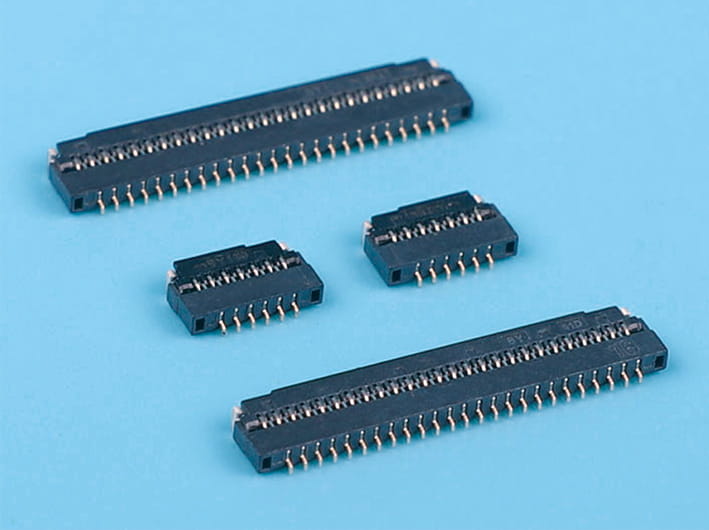
Easy-on fpc flat ribbon connector, 0.3mm pitch, 1.0mm height, flexible printed circuit connector, horizontal smt type
-

Back flip fpc flat flexible cable connector, 0.3mm pitch, 1.0mm height, bottom contact type for pcb board connections
-
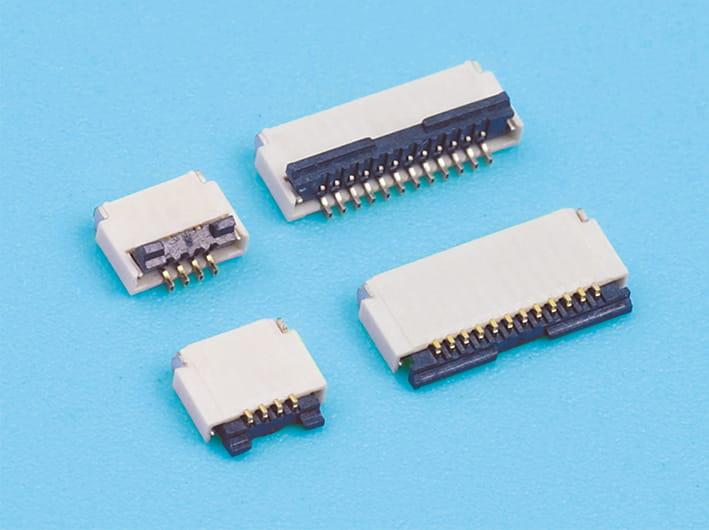
Back flip micro fpc flat cable connector, 0.5mm pitch, 1.0mm height, compact design, white, for data, signal transfer applications
-
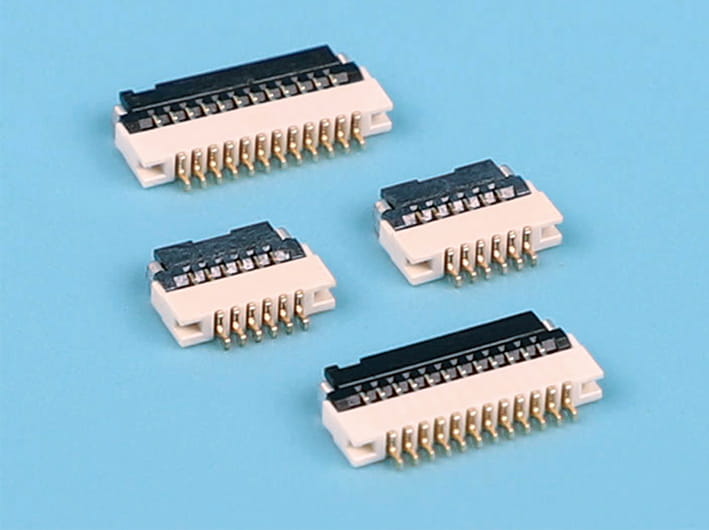
0.5mm Pitch, 1.0mm Height, Flip-Type Horizontal FPC Connector
-
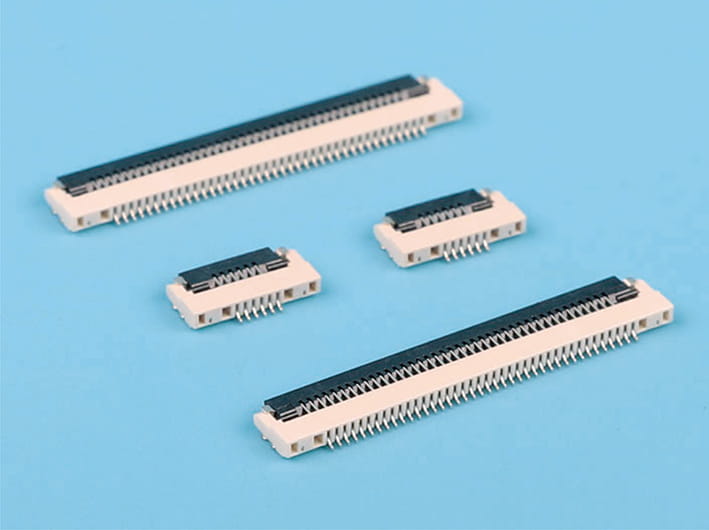
0.5mm pitch 1.2mm fpc flat cable connectors, horizontal smt type, flexible printed circuit connectors, secure locking
-
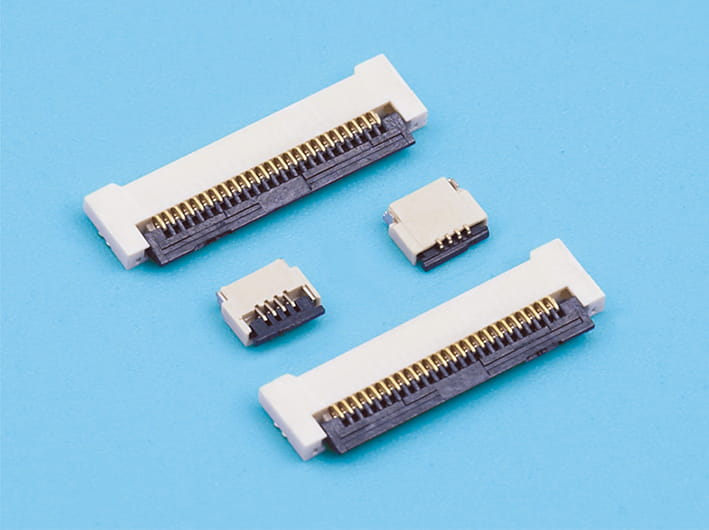
0.5mm Pitch, 1.2mm Height, Rear-Entry Horizontal FPC Connector
-
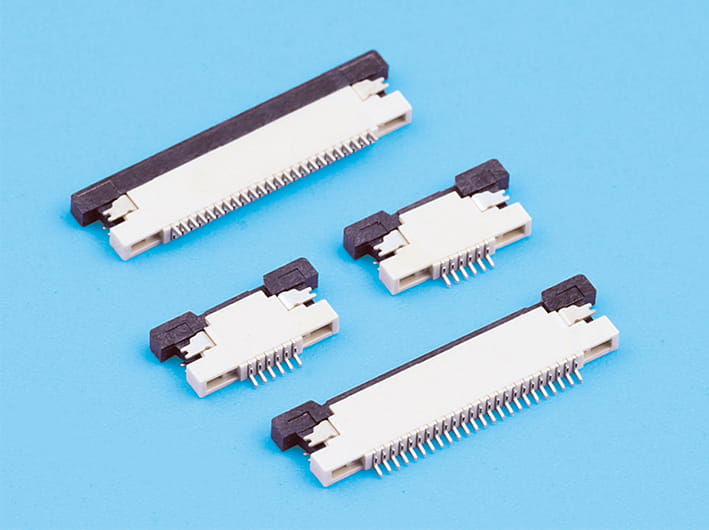
0.5mm pitch 1.2mm height fpc flat cable connector, zif r/a upper contact, locking slider, high-density integration, durable, for flexible printed circuits
-
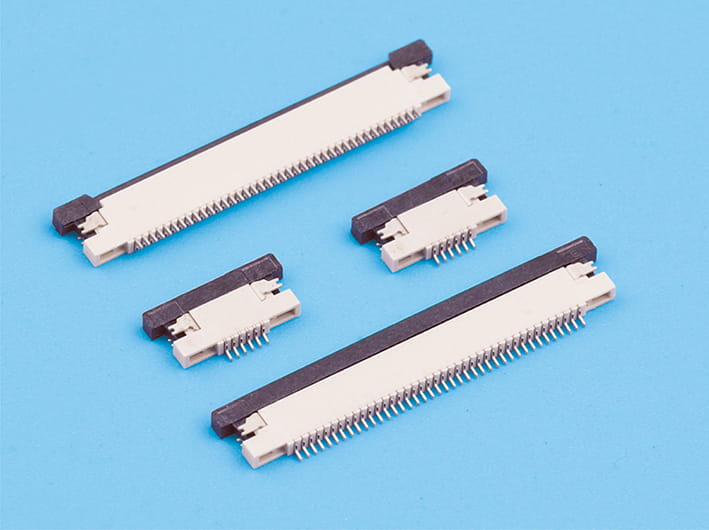
0.5mm pitch 1.2mm height fpc flat flexible cable connector, zif r/a down contact, for electronics and pcb boards
-
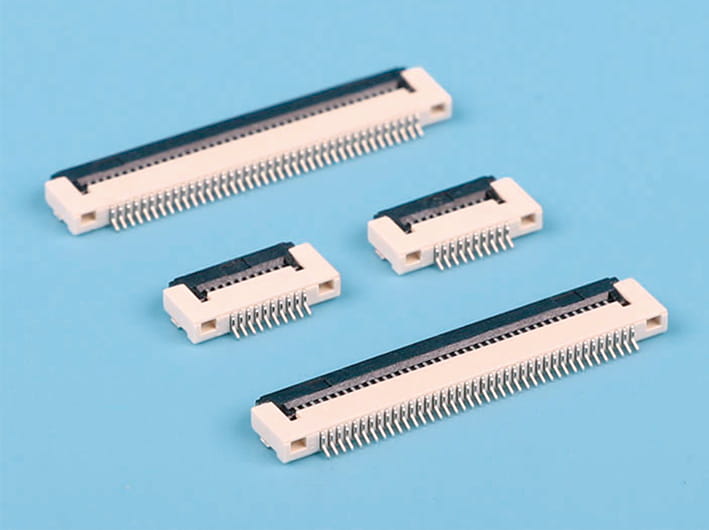
High-quality 0.5mm pitch 1.5mm height easy-on flat flexible cable fpc connector, horizontal type, locking-style, for pcb circuit board
-
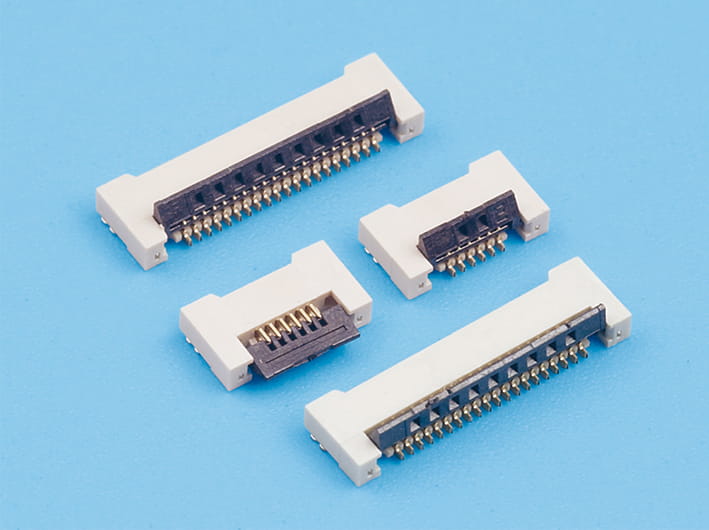
0.5mm pitch 1.5mm height back flip fpc flat connectors, zif slide type, flexible printed circuit cable connectors, horizontal contact
-
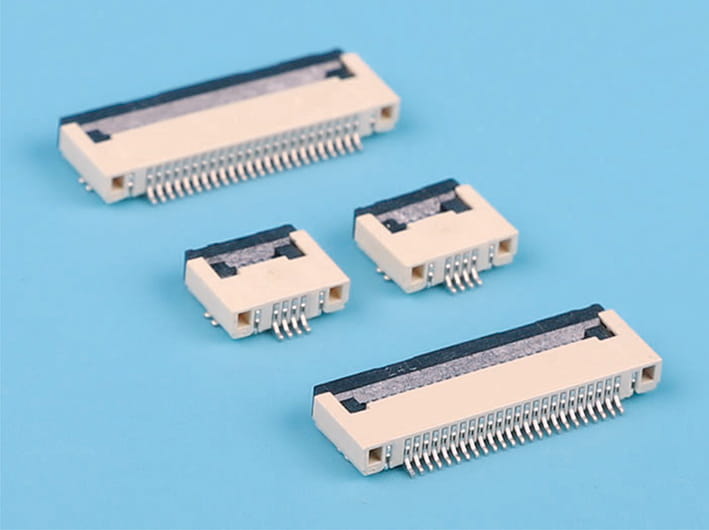
0.5mm pitch easy-on fpc flat ribbon connector, 2.0mm height, locking zif slide type, horizontal contact, flexible printed circuit board connector
-
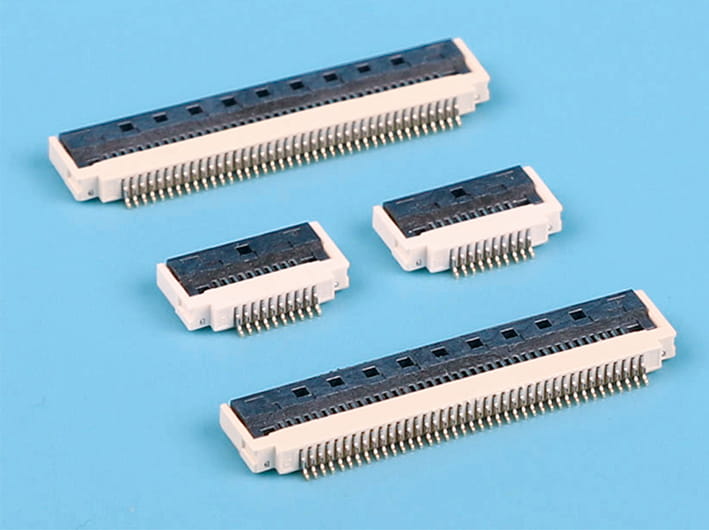
0.5mm pitch 2.0mm height, easy-on r/a with buckle fpc flat connectors, high-density integration flexible printed circuit board connectors
-
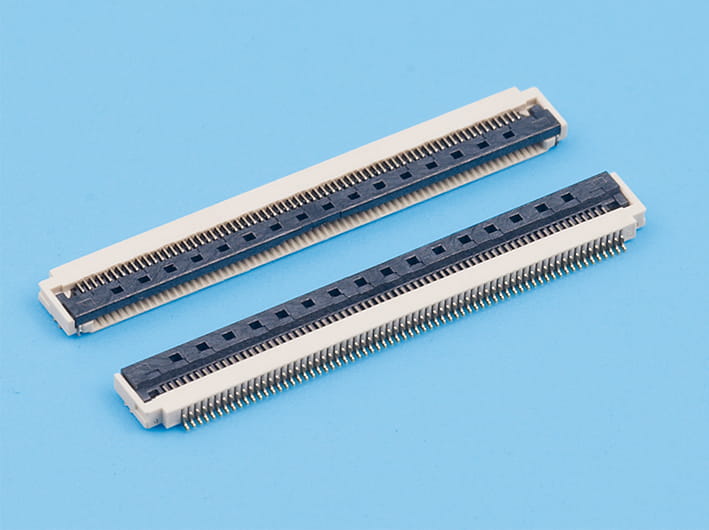
0.5mm Pitch, 2.0mm Height, Hinged Cover, Horizontal Mounting, Large Solder Pads
-

0.5mm pitch 2.0mm height back flip fpc flat connectors, horizontal insert, locking type, zif slide, pcb mount
-
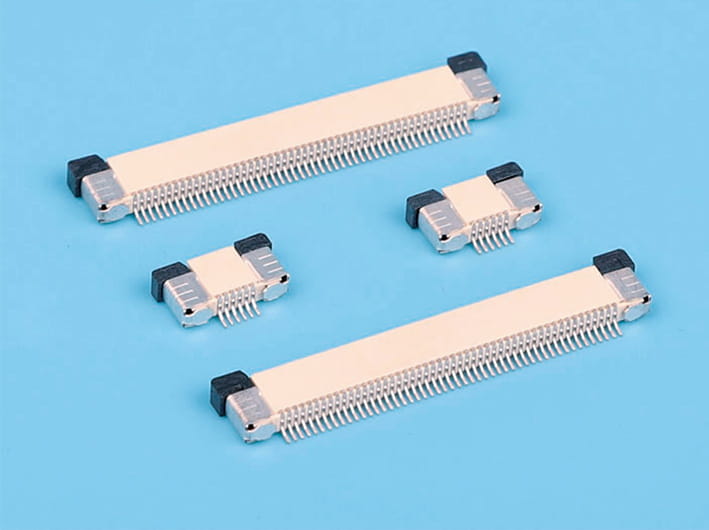
0.5mm Pitch, Ultra-Thin 2.0mm Horizontal FPC Connector (Pull-Out Locking Type, Top Contact Type)
-
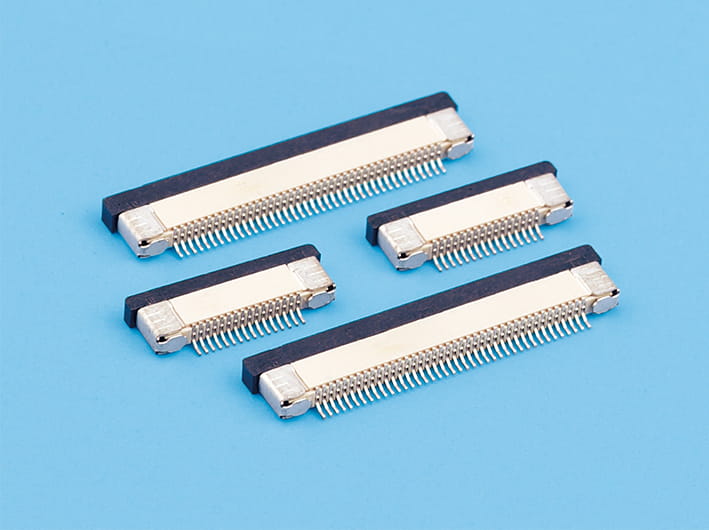
0.5mm Pitch, Ultra-Thin 2.0mm Horizontal FPC Connector (Pull-Out Locking Type, Bottom Contact Type)
-
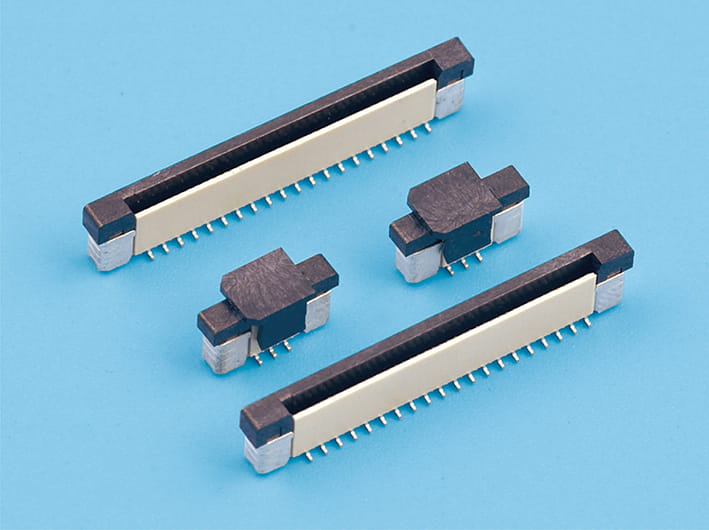
0.5mm pitch 4.5mm height fpc flat cable connector, zif s/t reversed pointer, locking slide
-
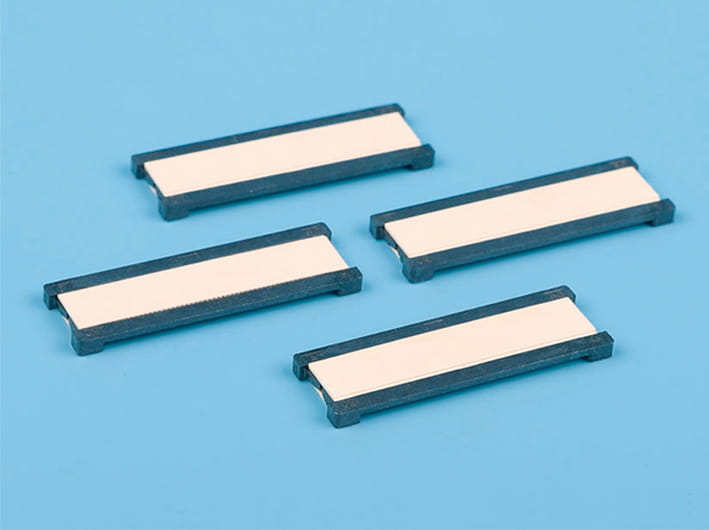
Double-side drawing fpc flat connector, 0.5mm pitch, 2.0mm/2.5mm height, flip type, for flexible cable, pcb mountable
CONTACT INFORMATION
-
Mr.Zhou(Sales manager)
Tel:+86(0)577-62369959
Tel:+86(0)577-62378959
MP:+86-13570877599
E-mail:[email protected]
Wechat:+86-13570877599
PRODUCT LINKS

Copyright © Zhejiang Wenda Electronics Co., Ltd. All Rights Reserved

Custom Electronic Connectors Manufacturer
