


 English
 中文简体
中文简体 Español
 عربى
عربىFPC Connector for Flexible Foldable Screens
Flexible and foldable displays have changed consumer electronics, enabling thinner, lighter, and more versatile devices.
These displays rely on substrates that bend without breaking, allowing smartphones, tablets, wearables, and emerging rollable devices to fold or flex.
Choosing an appropriate connector for such screens is critical to ensure electrical reliability, signal integrity, and long-term durability.
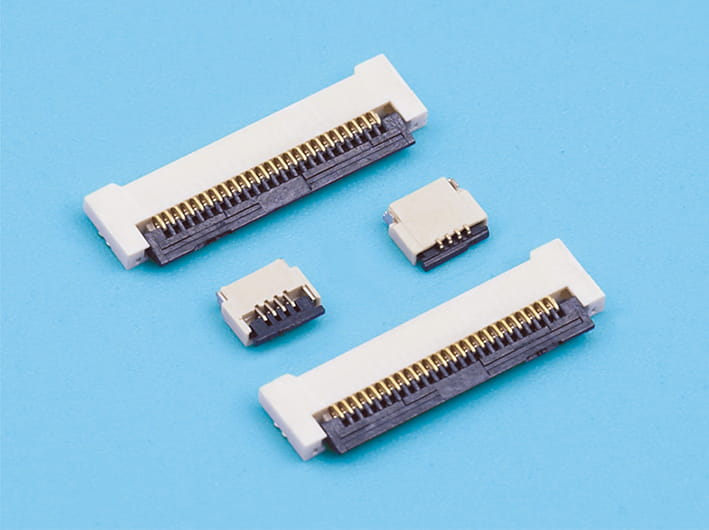
The Role of FPC Connectors in Modern Electronics
FPC Connectors link flexible printed circuits to rigid or flexible boards, providing compact, low-profile connections.
They support high-density connections essential for transmitting video signals, touch data, and power efficiently.
In foldable devices, connectors must handle repeated bending and mechanical stress without degrading performance.
Mechanical Flexibility Requirements
- Bending Radius Compatibility: Connectors must operate safely within the bending radius of the flexible screen.
- Repeated Flexing: Devices can undergo thousands of folding cycles, requiring connectors to maintain contact integrity over time.
- Durable Construction: Connectors should utilize robust polymers and metals capable of withstanding repeated mechanical stress.
- Low Mating Force: Reducing insertion and extraction force reduces strain on both the connector and the flexible circuit.
Electrical Performance Considerations
- Signal Integrity: High-speed video and touch signals demand low-resistance, high-quality connections.
- Stable Contact: A Consistent electrical connection is vital even under bending or twisting of the screen.
- EMI Protection: Shielding or grounding techniques reduce interference in sensitive high-frequency applications.
- Power Delivery: Connectors must reliably transmit power to active display elements without voltage drops or losses.
Durability Under Environmental Stress
Temperature Tolerance: Connectors should withstand heat generated by devices or external conditions without affecting performance.
Moisture and Dust Resistance: Protective coatings or sealing prevent corrosion and maintain conductivity.
Shock and Vibration Resistance: Foldable devices are portable and may experience drops; connectors need mechanical resilience.
Material Stability: Maintaining connector shape and function under environmental stress ensures long-term reliability.
Design and Material Innovations
- Advanced Plating: Gold or palladium plating improves electrical contact and longevity.
- Flexible Substrate Integration: Some connectors incorporate segmented or stretchable contacts to accommodate bending.
- Miniaturized Pitch: Reducing contact spacing allows higher signal density in compact device designs.
- Reinforced Housings: Connector housings guide and protect flex circuits while maintaining mechanical flexibility.
Testing and Validation for Foldable Devices
- Bend Cycle Testing: Simulates thousands of fold-unfold actions to confirm connector durability.
- High-Frequency Signal Testing: Ensures stable transmission of video, touch, and control signals.
- Thermal Cycling: Assesses performance under repeated temperature variations.
- Shock and Drop Tests: Validate connector integrity under real-world usage conditions.
Applications in Modern Devices
Foldable Smartphones: Require connectors that support complex folding mechanisms without losing signal quality.
Flexible Tablets: Larger bendable displays demand connectors capable of handling extensive flexing zones.
Wearables: Smartwatches and fitness bands need compact, flexible connectors for reliable display and sensor connections.
Rollable Monitors: Emerging rollable screens rely on connectors that tolerate repeated unrolling and rolling movements.
Advantages of FPC Connectors for Foldable Screens
- Compact and lightweight design suitable for ultra-thin devices.
- Supports high-density signal and power transmission in limited spaces.
- Maintains electrical performance under repeated bending cycles.
- Compatible with various flexible substrates, enabling diverse device designs.
Potential Challenges and Mitigation
- Mechanical Fatigue: Using high-quality, resilient materials and reinforced designs reduces wear over time.
- Signal Degradation: Controlled impedance and shielding maintain high-speed signal quality.
- Assembly Complexity: Automated precision insertion reduces the risk of misalignment and damage.
- Environmental Vulnerability: Protective coatings and sealing enhance resistance to moisture, dust, and temperature changes.
FPC Connectors are generally suitable for flexible and foldable screen applications due to their compact design, high-density signal capability, and mechanical resilience.
Proper engineering considerations, including bending radius, material selection, electrical performance, and environmental durability, are essential for suitable performance.
With ongoing innovations, these connectors play a key role in enabling reliable, high-performance foldable and flexible electronic devices for the next generation of consumer electronics.
Related Products
-
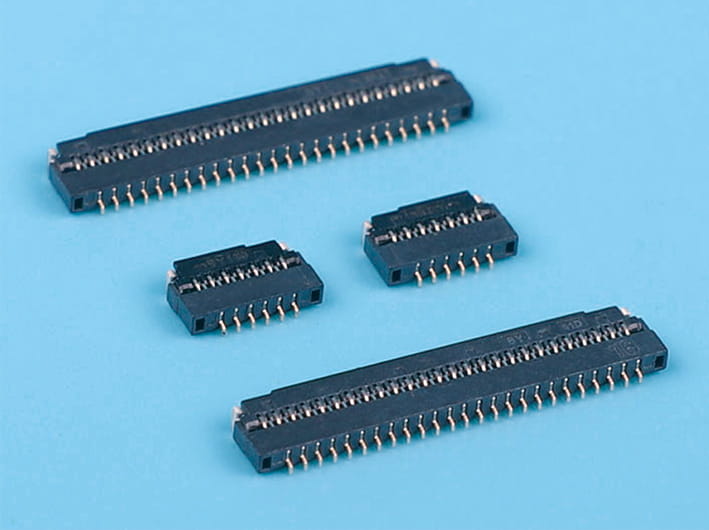
Easy-on fpc flat ribbon connector, 0.3mm pitch, 1.0mm height, flexible printed circuit connector, horizontal smt type
-

Back flip fpc flat flexible cable connector, 0.3mm pitch, 1.0mm height, bottom contact type for pcb board connections
-
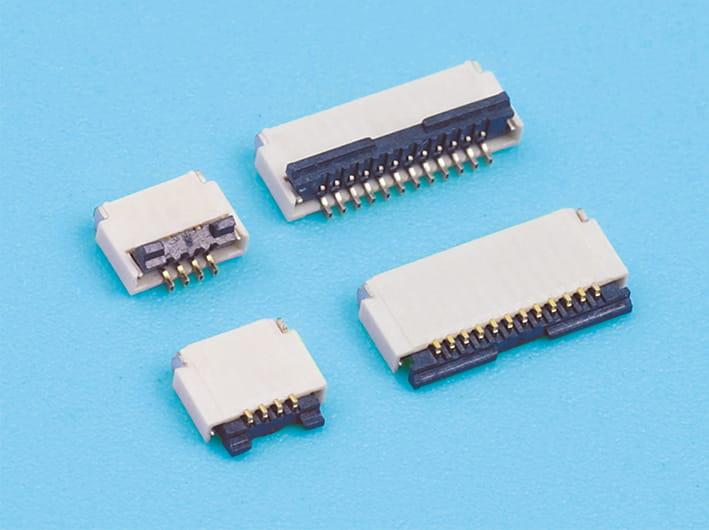
Back flip micro fpc flat cable connector, 0.5mm pitch, 1.0mm height, compact design, white, for data, signal transfer applications
-
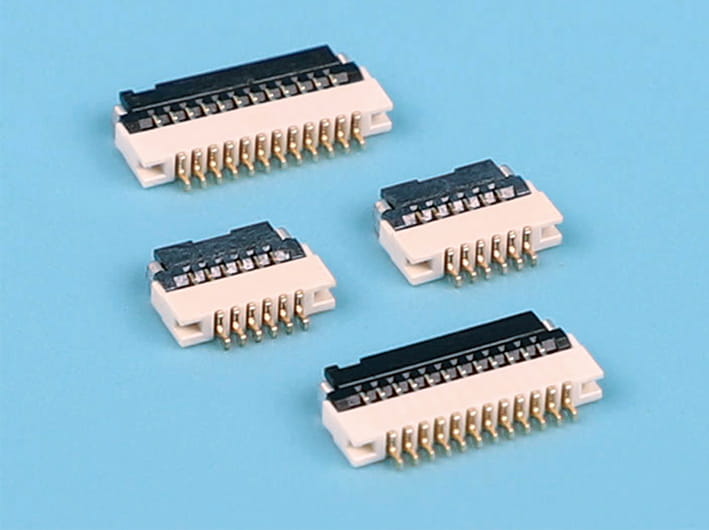
0.5mm Pitch, 1.0mm Height, Flip-Type Horizontal FPC Connector
-
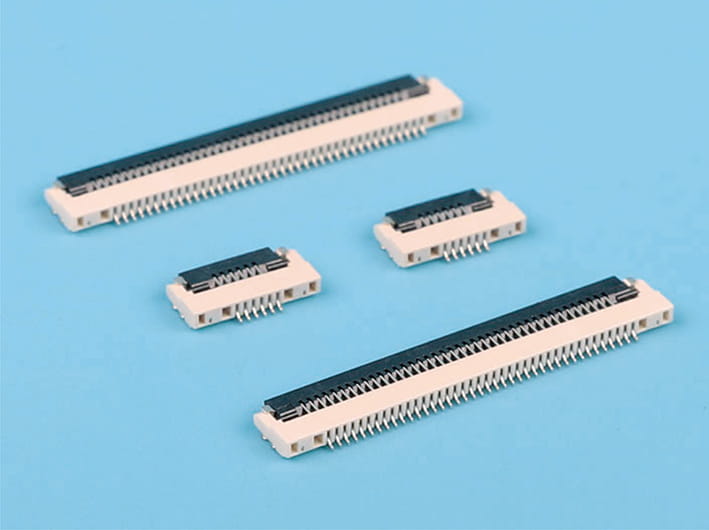
0.5mm pitch 1.2mm fpc flat cable connectors, horizontal smt type, flexible printed circuit connectors, secure locking
-
0.5mm Pitch, 1.2mm Height, Rear-Entry Horizontal FPC Connector
-
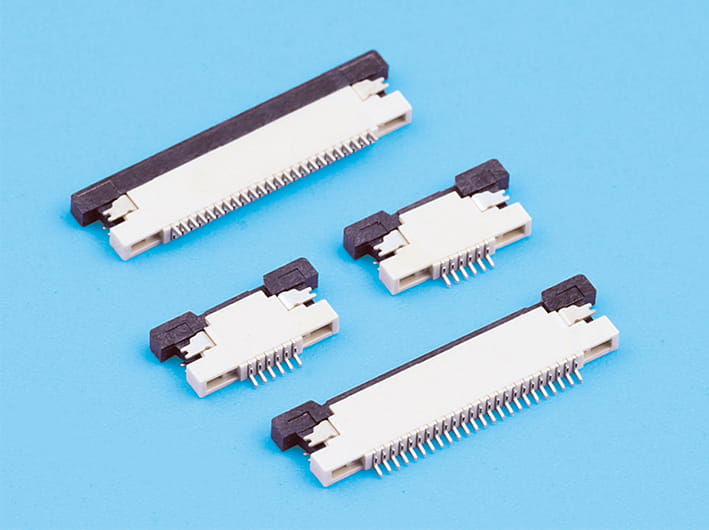
0.5mm pitch 1.2mm height fpc flat cable connector, zif r/a upper contact, locking slider, high-density integration, durable, for flexible printed circuits
-
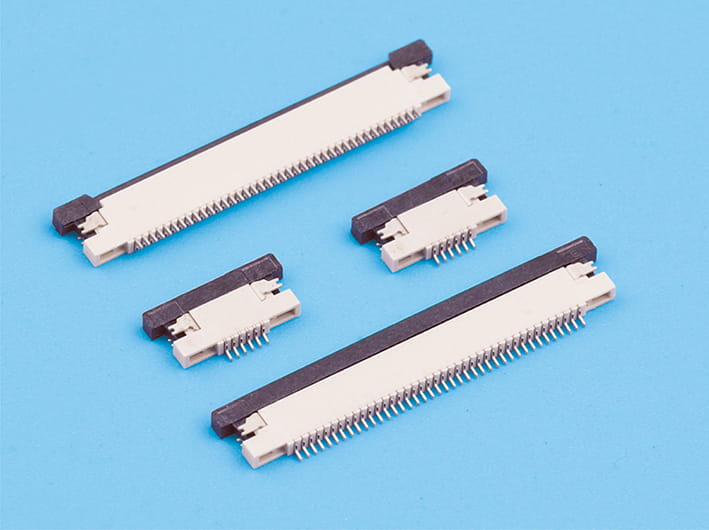
0.5mm pitch 1.2mm height fpc flat flexible cable connector, zif r/a down contact, for electronics and pcb boards
-
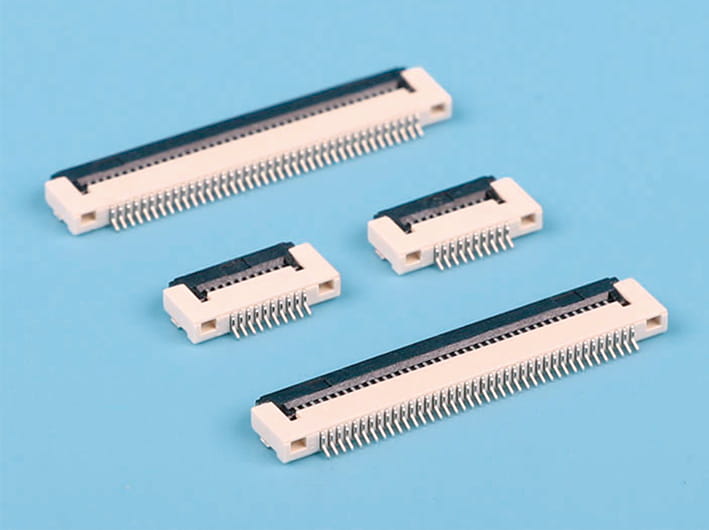
High-quality 0.5mm pitch 1.5mm height easy-on flat flexible cable fpc connector, horizontal type, locking-style, for pcb circuit board
-
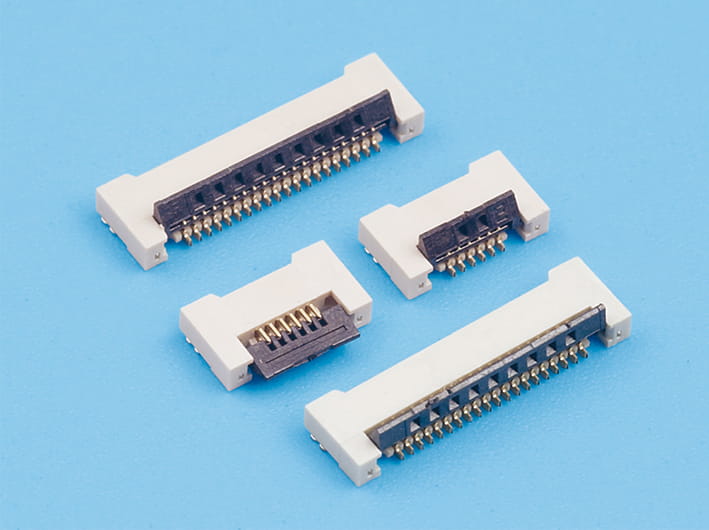
0.5mm pitch 1.5mm height back flip fpc flat connectors, zif slide type, flexible printed circuit cable connectors, horizontal contact
-
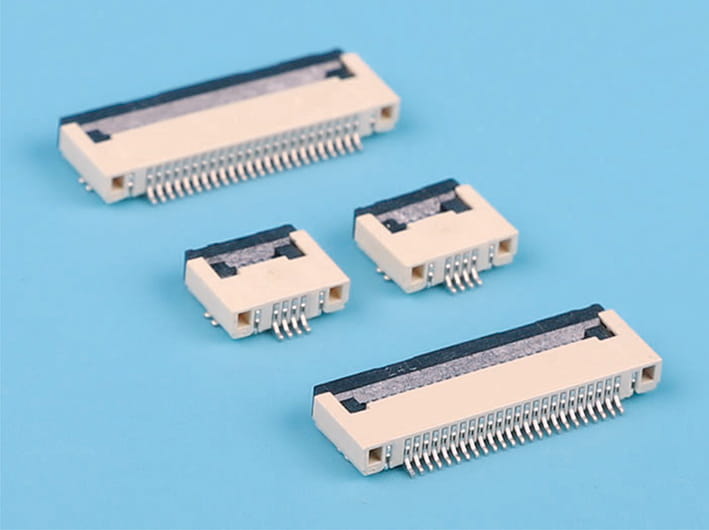
0.5mm pitch easy-on fpc flat ribbon connector, 2.0mm height, locking zif slide type, horizontal contact, flexible printed circuit board connector
-
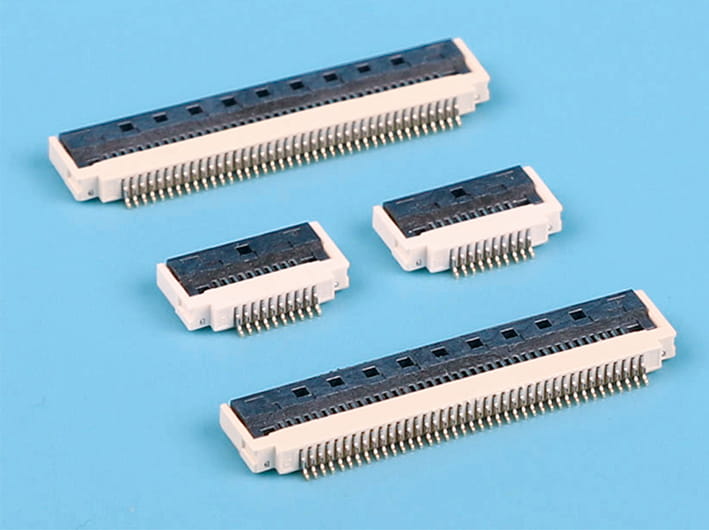
0.5mm pitch 2.0mm height, easy-on r/a with buckle fpc flat connectors, high-density integration flexible printed circuit board connectors
-
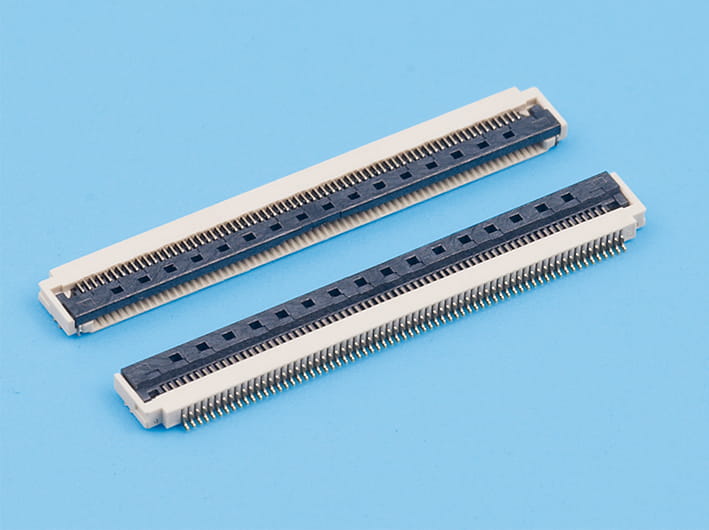
0.5mm Pitch, 2.0mm Height, Hinged Cover, Horizontal Mounting, Large Solder Pads
-

0.5mm pitch 2.0mm height back flip fpc flat connectors, horizontal insert, locking type, zif slide, pcb mount
-
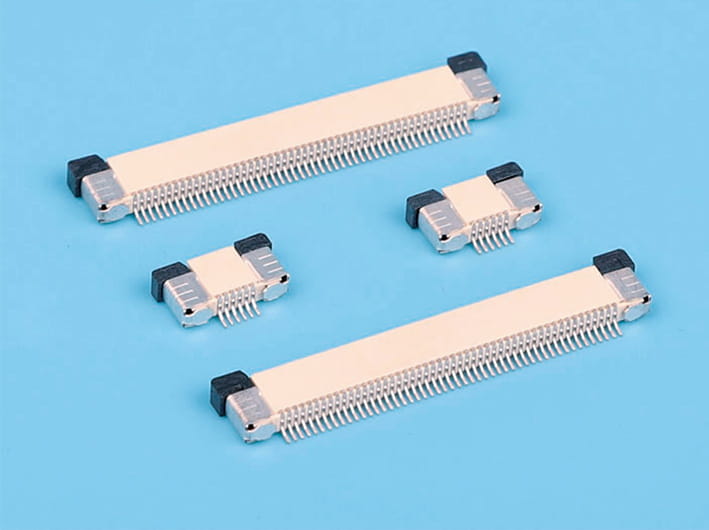
0.5mm Pitch, Ultra-Thin 2.0mm Horizontal FPC Connector (Pull-Out Locking Type, Top Contact Type)
-
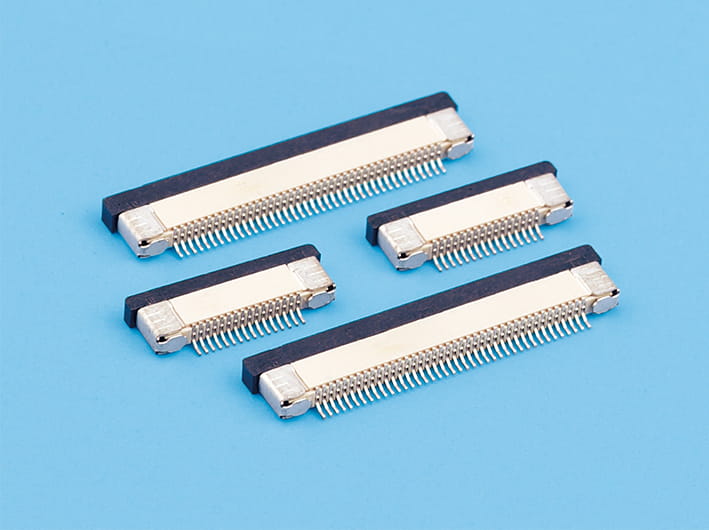
0.5mm Pitch, Ultra-Thin 2.0mm Horizontal FPC Connector (Pull-Out Locking Type, Bottom Contact Type)
-
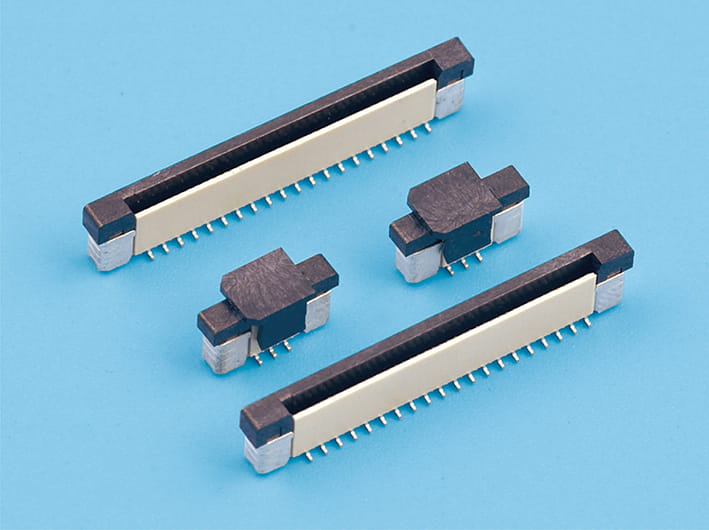
0.5mm pitch 4.5mm height fpc flat cable connector, zif s/t reversed pointer, locking slide
-
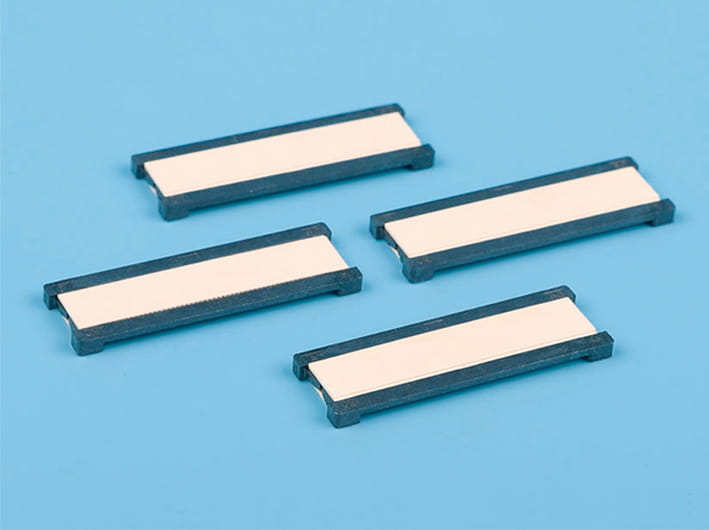
Double-side drawing fpc flat connector, 0.5mm pitch, 2.0mm/2.5mm height, flip type, for flexible cable, pcb mountable
CONTACT INFORMATION
-
Mr.Zhou(Sales manager)
Tel:+86(0)577-62369959
Tel:+86(0)577-62378959
MP:+86-13570877599
E-mail:[email protected]
Wechat:+86-13570877599
PRODUCT LINKS

Copyright © Zhejiang Wenda Electronics Co., Ltd. All Rights Reserved

Custom Electronic Connectors Manufacturer
