


 English
 中文简体
中文简体 Español
 عربى
عربىEnhancing High-Speed Signal Transmission Using FPC Flat Connectors
Introduction to High-Speed FPC Connections
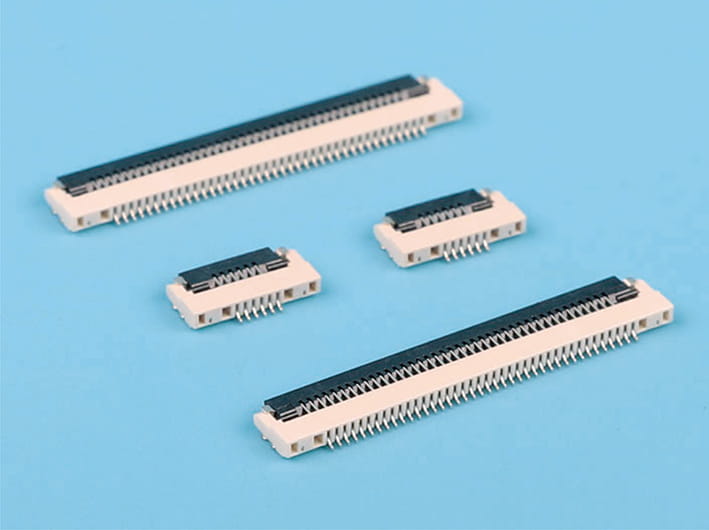
FPC Flat Connectors are essential in modern electronics for connecting flexible printed circuits to various components.
They are widely used in smartphones, laptops, automotive electronics, and industrial devices, where compact size and reliability are crucial.
As data rates increase in contemporary electronics, maintaining high-speed signal integrity becomes a primary concern for engineers.
Importance of Controlled Impedance
Impedance Matching: Ensures signal reflection, reducing data errors in high-frequency applications.
Trace Design: Carefully designed contact traces help maintain consistent impedance across the connector.
Material Selection: Using low-loss dielectric materials helps preserve signal quality over longer transmission paths.
Pin Arrangement: Optimized pin layouts reduce crosstalk between adjacent lines, critical for high-speed performance.
Reducing Signal Degradation
- Shorter Signal Paths: Reducing the connection length reduces resistance and potential signal loss.
- Flat Contact Surfaces: Smooth contacts maintain consistent electrical connections and reduce micro-arcing.
- Redundant Contact Points: Some designs include multiple points of contact to ensure connectivity under mechanical stress.
- High-Quality Conductors: Materials such as gold or palladium plating reduce resistance and enhance durability.
Managing Electromagnetic Interference (EMI)
- Shielding Techniques: Integrating metal shields or conductive coatings can protect high-speed signals from external noise.
- Grounding Strategies: Proper grounding of the connector and board reduces electromagnetic interference.
- Differential Pairing: Using paired traces for critical signals reduces susceptibility to noise and maintains signal integrity.
- Trace Routing: Parallel or twisted trace designs inside the connector help decrease crosstalk and signal degradation.
Thermal and Mechanical Considerations
- High-Temperature Resistance: Connectors must handle heat generated by high-speed circuits without performance loss.
- Flexibility with Durability: Maintaining a degree of flexibility ensures the connector withstands vibration and bending.
- Shock Resistance: Mechanical stability prevents intermittent connections that could distort high-frequency signals.
- Environmental Sealing: Protects against dust and moisture that could compromise conductivity or signal quality.
Advanced Contact and Termination Methods
Solderless Termination: Reduces stress on components and ensures consistent electrical contact.
Reinforced Soldering: Enhances durability under repeated thermal or mechanical cycling.
Anisotropic Conductive Film (ACF): Offers reliable, high-density connections for flexible applications.
Surface Treatment: Gold or palladium plating reduces oxidation and improves long-term reliability.
Testing and Validation for High-Speed Applications
- Time-Domain Reflectometry (TDR): Detects impedance mismatches and reflection points along the connector.
- High-Frequency Testing: Confirms the connector supports the required data rates without attenuation.
- Environmental Stress Tests: Validate performance under temperature cycling, humidity, and vibration.
- Lifecycle Testing: Simulates repeated insertion and removal to ensure long-term reliability.
Material Innovations for Signal Performance
- Low-Loss Dielectrics: Reduce signal attenuation and maintain high-speed transmission.
- Advanced Plating Techniques: Enhance contact reliability and reduce electrical resistance over time.
- Miniaturized Pitch Designs: Enable higher signal density, crucial for compact, high-speed electronics.
- Flexible Substrate Integration: Supports bending and movement without compromising electrical performance.
Practical Applications in Modern Devices
Smartphones and Tablets: Require connectors capable of maintaining high-speed signals in compact spaces.
Automotive Electronics: Advanced driver-assistance systems (ADAS) depend on reliable high-speed connections.
Medical Equipment: Imaging and monitoring devices require stable, high-frequency signal transfer.
Industrial Automation: High-speed data transmission is essential for robotics and process control systems.
Optimizing FPC Flat Connectors for high-speed performance requires careful design, material selection, and rigorous testing.
Engineers must focus on impedance control, EMI reduction, contact reliability, and mechanical stability to maintain signal integrity.
With ongoing innovation in materials and design, these connectors continue to enable faster, more reliable electronic devices across multiple industries.
Related Products
-
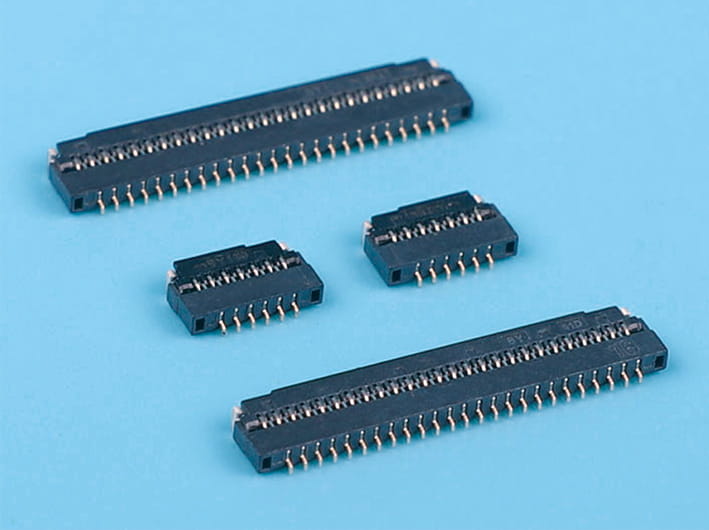
Easy-on fpc flat ribbon connector, 0.3mm pitch, 1.0mm height, flexible printed circuit connector, horizontal smt type
-

Back flip fpc flat flexible cable connector, 0.3mm pitch, 1.0mm height, bottom contact type for pcb board connections
-
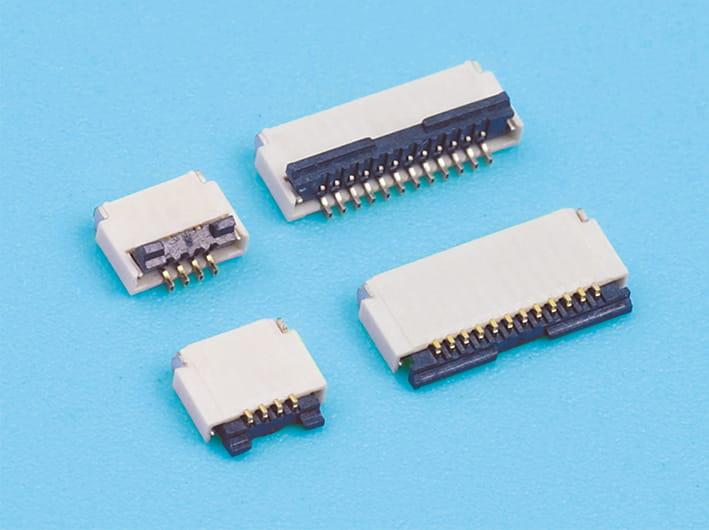
Back flip micro fpc flat cable connector, 0.5mm pitch, 1.0mm height, compact design, white, for data, signal transfer applications
-
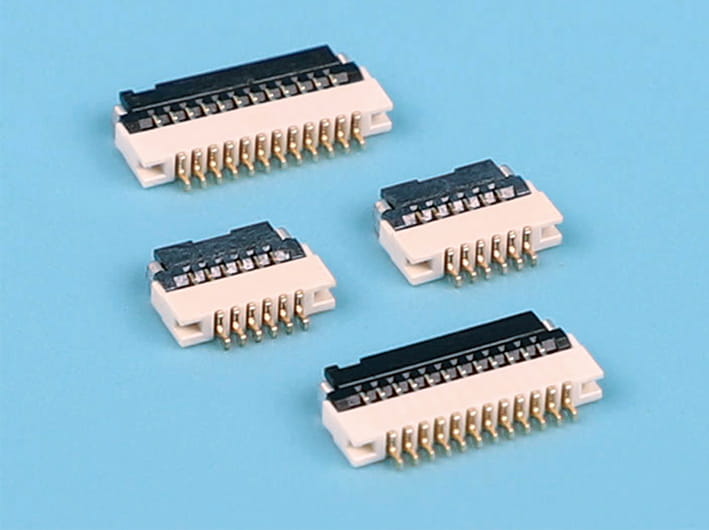
0.5mm Pitch, 1.0mm Height, Flip-Type Horizontal FPC Connector
-
0.5mm pitch 1.2mm fpc flat cable connectors, horizontal smt type, flexible printed circuit connectors, secure locking
-
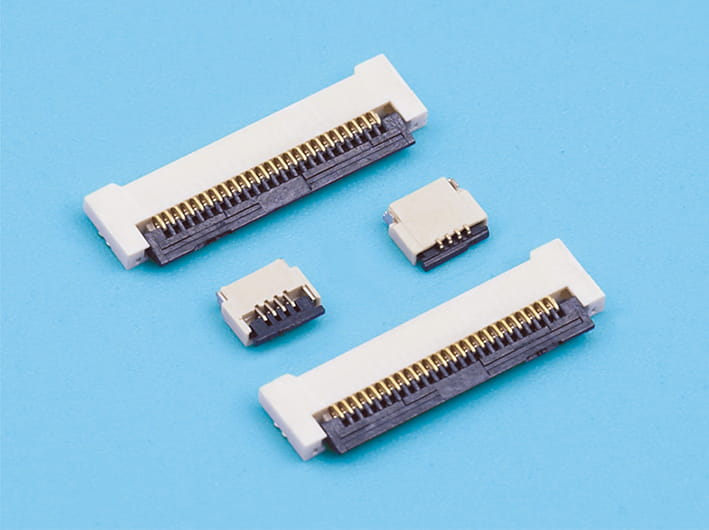
0.5mm Pitch, 1.2mm Height, Rear-Entry Horizontal FPC Connector
-
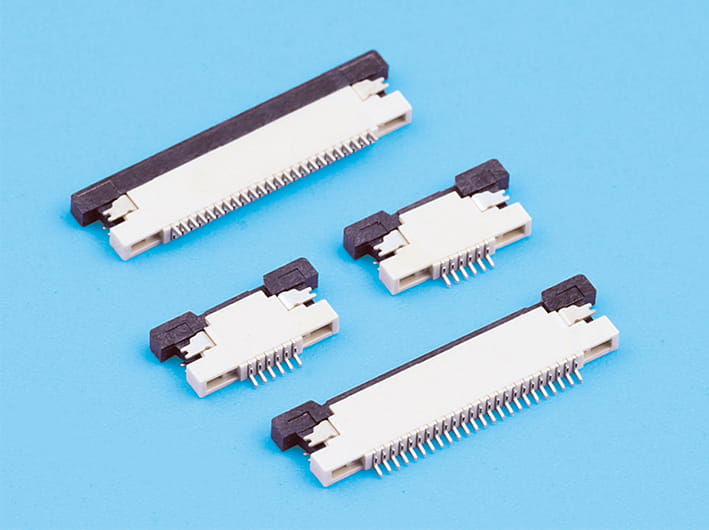
0.5mm pitch 1.2mm height fpc flat cable connector, zif r/a upper contact, locking slider, high-density integration, durable, for flexible printed circuits
-
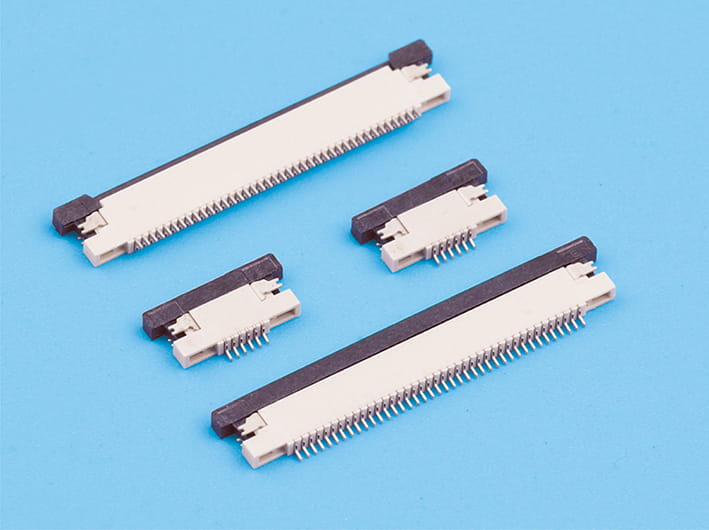
0.5mm pitch 1.2mm height fpc flat flexible cable connector, zif r/a down contact, for electronics and pcb boards
-
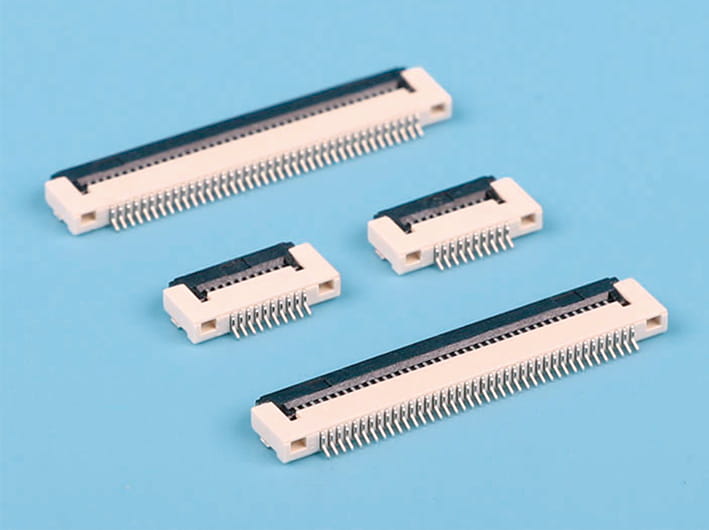
High-quality 0.5mm pitch 1.5mm height easy-on flat flexible cable fpc connector, horizontal type, locking-style, for pcb circuit board
-
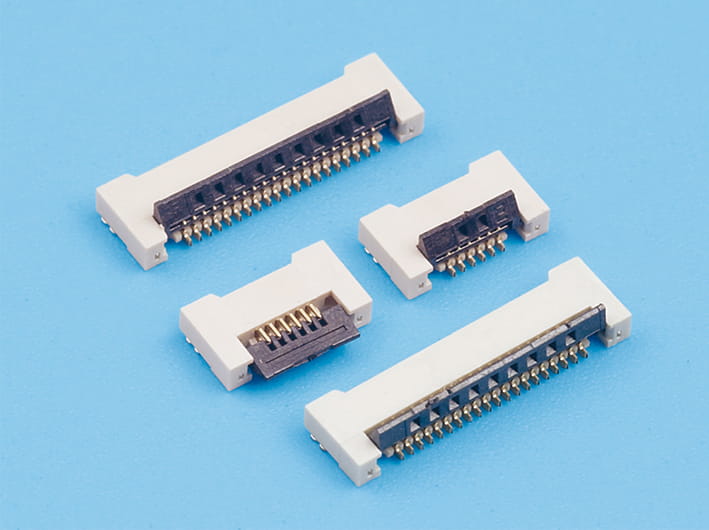
0.5mm pitch 1.5mm height back flip fpc flat connectors, zif slide type, flexible printed circuit cable connectors, horizontal contact
-
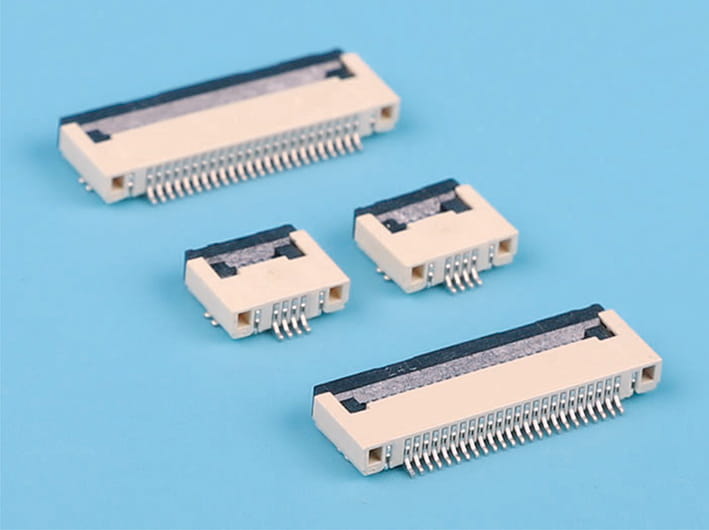
0.5mm pitch easy-on fpc flat ribbon connector, 2.0mm height, locking zif slide type, horizontal contact, flexible printed circuit board connector
-
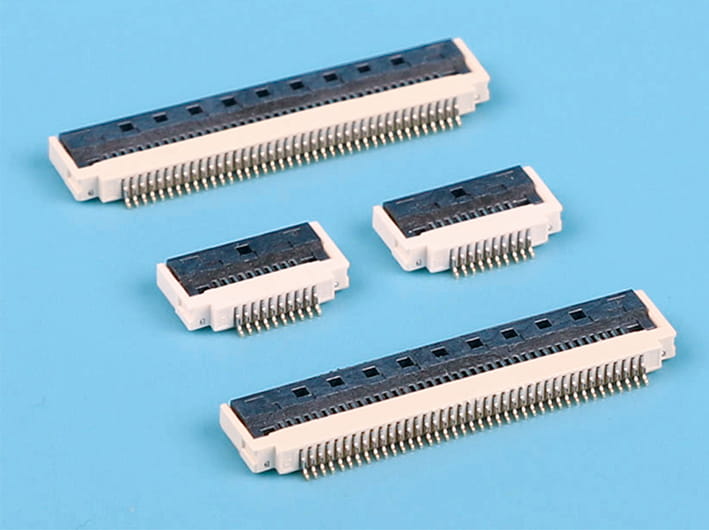
0.5mm pitch 2.0mm height, easy-on r/a with buckle fpc flat connectors, high-density integration flexible printed circuit board connectors
-
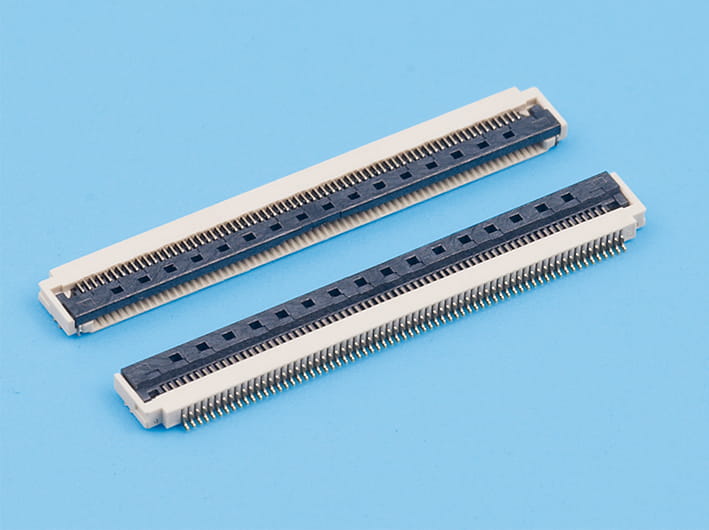
0.5mm Pitch, 2.0mm Height, Hinged Cover, Horizontal Mounting, Large Solder Pads
-

0.5mm pitch 2.0mm height back flip fpc flat connectors, horizontal insert, locking type, zif slide, pcb mount
-
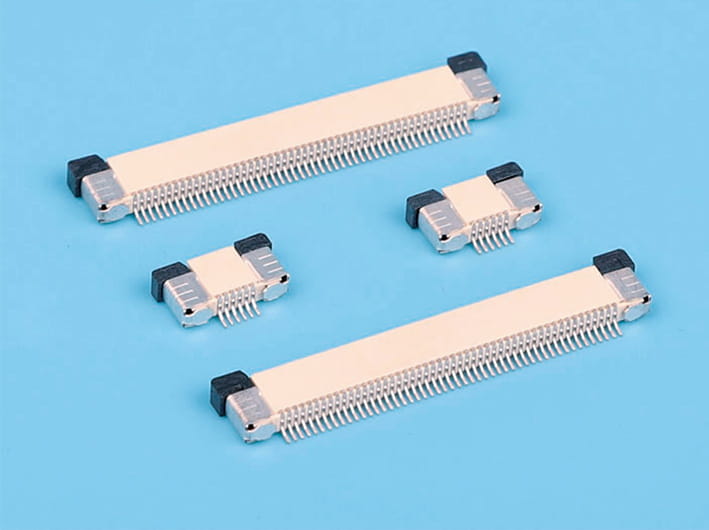
0.5mm Pitch, Ultra-Thin 2.0mm Horizontal FPC Connector (Pull-Out Locking Type, Top Contact Type)
-
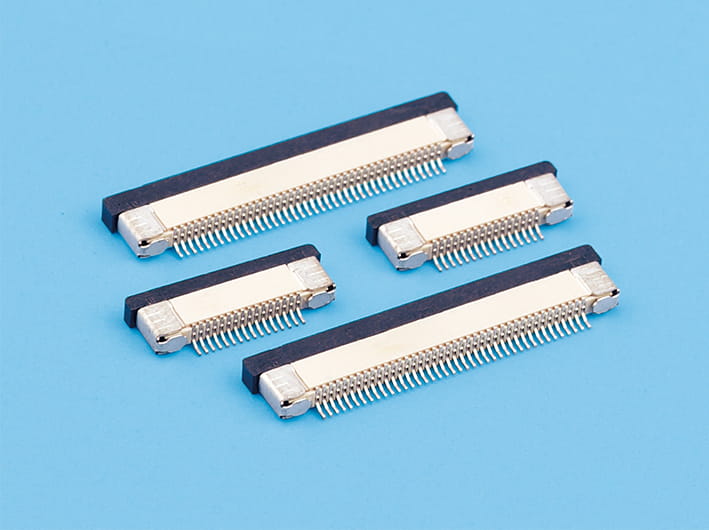
0.5mm Pitch, Ultra-Thin 2.0mm Horizontal FPC Connector (Pull-Out Locking Type, Bottom Contact Type)
-
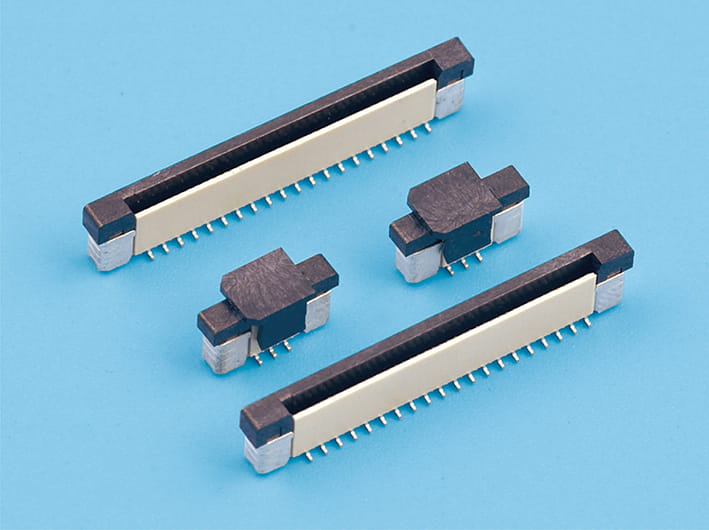
0.5mm pitch 4.5mm height fpc flat cable connector, zif s/t reversed pointer, locking slide
-
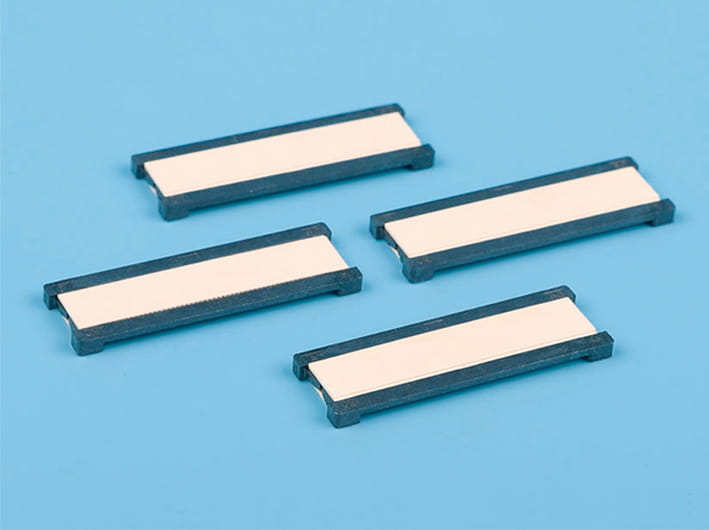
Double-side drawing fpc flat connector, 0.5mm pitch, 2.0mm/2.5mm height, flip type, for flexible cable, pcb mountable
CONTACT INFORMATION
-
Mr.Zhou(Sales manager)
Tel:+86(0)577-62369959
Tel:+86(0)577-62378959
MP:+86-13570877599
E-mail:[email protected]
Wechat:+86-13570877599
PRODUCT LINKS

Copyright © Zhejiang Wenda Electronics Co., Ltd. All Rights Reserved

Custom Electronic Connectors Manufacturer
