


 English
 中文简体
中文简体 Español
 عربى
عربىHow Connector Types Affect FFC Ribbon Cable Use
FFC Ribbon Cable is widely used in electronics to provide compact, flexible connections between PCBs, modules, and devices.
The choice of connector type and connection method significantly impacts installation ease, electrical performance, and long-term reliability.
Understanding the differences in connector types is essential for designers, engineers, and technicians when integrating FFC cables into a system.

Common Connector Types for FFC Cables
- ZIF (Zero Insertion Force) Connectors:
- Require minimal force for insertion, reducing the risk of damaging delicate cables.
- Typically feature a locking mechanism to secure the cable after insertion.
- Non-ZIF Connectors:
- Require moderate insertion force, offering reliable contact for long-term connections.
- May be simpler in design but require careful handling to avoid bending or damaging the ribbon.
- Latching or Locking Connectors:
- Include mechanical latches that ensure the cable remains in place even under vibration or movement.
- Ideal for automotive or industrial applications where mechanical stress is common.
Electrical Performance Considerations
Contact Reliability:
- The connector type affects the number of contact points and the quality of electrical contact.
- ZIF connectors may reduce mechanical stress on the contacts, ensuring consistent electrical performance.
Signal Integrity:
- High-speed signals are sensitive to impedance mismatches; connector design can impact signal reflection and crosstalk.
- Choosing the correct type ensures signal degradation over long or complex paths.
Voltage and Current Ratings:
- Connector selection should align with the electrical requirements of the application, including current and voltage.
- Some connectors offer additional shielding or plating to improve performance under demanding conditions.
Installation Ease and Flexibility
1. Ease of Insertion:
ZIF connectors simplify installation, reducing the risk of bending or damaging the ribbon cable during assembly.
Non-ZIF connectors may require careful alignment and force, increasing the risk of errors.
2. Reusability:
ZIF and latching connectors allow repeated insertion and removal without significant wear.
Non-latching connectors may degrade faster with repeated use.
3. Orientation and Alignment:
Connector design dictates how easily the ribbon can be aligned with the PCB or module.
Some connectors include keyed slots or markings to prevent incorrect insertion.
Mechanical Stability and Durability
- Vibration Resistance:
Latching connectors provide additional security in environments subject to vibration.
ZIF connectors are suitable for stationary applications but may require extra measures if movement is involved.
- Strain Relief:
Connector design affects how mechanical stress from bending or pulling is distributed.
Properly designed connectors reduce the likelihood of cable delamination or contact failure.
- Thermal and Environmental Considerations:
Connector housing materials can impact performance in high-temperature or humid environments.
Metal-reinforced contacts or heat-resistant plastics enhance durability for harsh conditions.
Connector Pitch and Cable Compatibility
Pitch Selection:
The spacing between contacts must match the ribbon cable conductor spacing to ensure reliable connection.
Using a mismatched connector can result in misalignment, poor contact, or electrical shorts.
Cable Thickness:
Thicker cables may require connectors with wider openings or adjustable locking mechanisms.
Thin or flexible cables benefit from ZIF connectors to reduce stress during insertion.
Length and Routing:
Connector choice affects how the cable can be routed within a device, particularly in tight spaces or folded designs.
Practical Considerations for Application
1. Consumer Electronics:
ZIF connectors are popular in laptops, smartphones, and cameras for their ease of installation and reliability.
Automotive and Industrial Equipment:
Latching or locking connectors provide added security in environments with vibration or thermal cycling.
2. Medical Devices:
High-reliability connectors ensure accurate signal transmission while allowing maintenance or replacement.
3. Prototyping and Testing:
Reusable connectors allow engineers to test multiple configurations without damaging the ribbon cable.
Common Installation Mistakes
Incorrect Orientation:
- Failing to align the cable properly can cause short circuits or signal loss.
Over-Insertion or Force:
- Applying excessive force can damage contacts or the ribbon cable itself.
Neglecting Environmental Factors:
- Installing connectors without considering vibration, temperature, or humidity can shorten lifespan.
Using Mismatched Pitch or Cable:
- Ensuring connector and cable specifications match prevents mechanical and electrical failures.
The choice of connector type and connection method significantly impacts the performance, reliability, and ease of use of FFC Ribbon Cable.
Designers must consider electrical requirements, mechanical stress, environmental conditions, and installation practices when selecting a connector.
By carefully evaluating ZIF, non-ZIF, and latching options, engineers can ensure long-term performance and simplify maintenance in a variety of applications.
Related Products
-
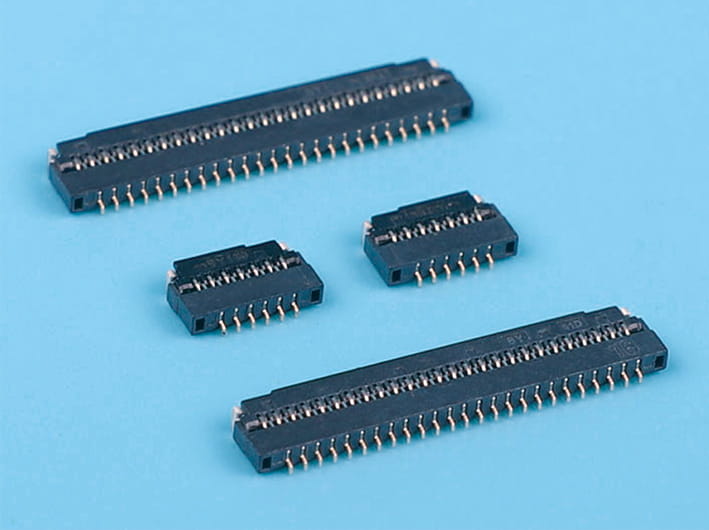
Easy-on fpc flat ribbon connector, 0.3mm pitch, 1.0mm height, flexible printed circuit connector, horizontal smt type
-

Back flip fpc flat flexible cable connector, 0.3mm pitch, 1.0mm height, bottom contact type for pcb board connections
-
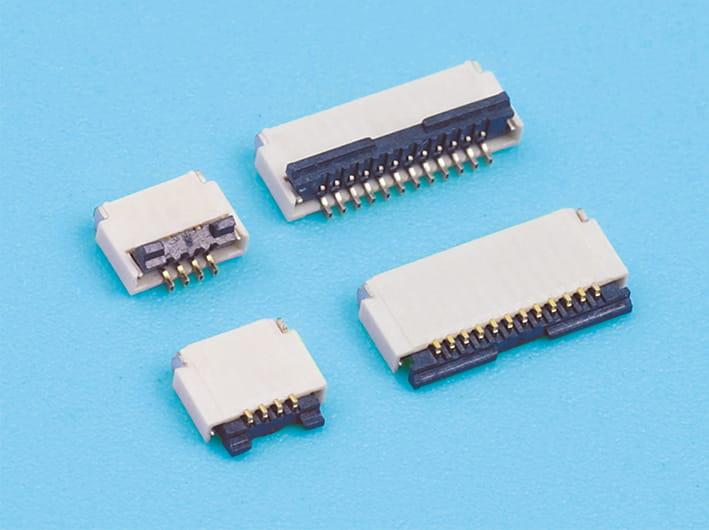
Back flip micro fpc flat cable connector, 0.5mm pitch, 1.0mm height, compact design, white, for data, signal transfer applications
-
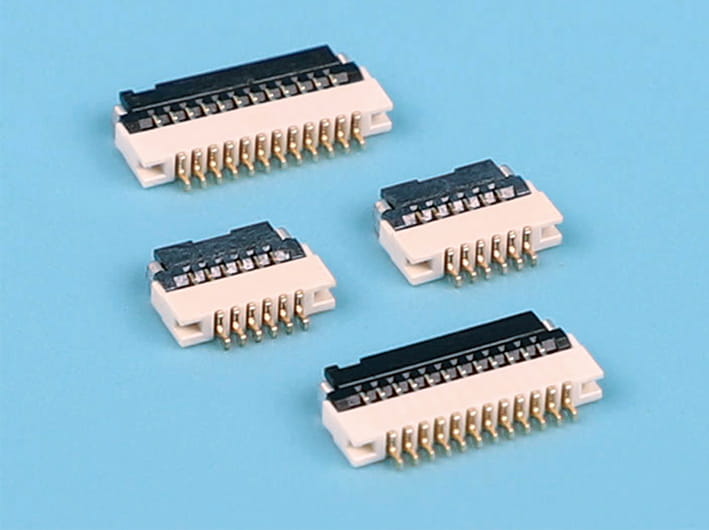
0.5mm Pitch, 1.0mm Height, Flip-Type Horizontal FPC Connector
-
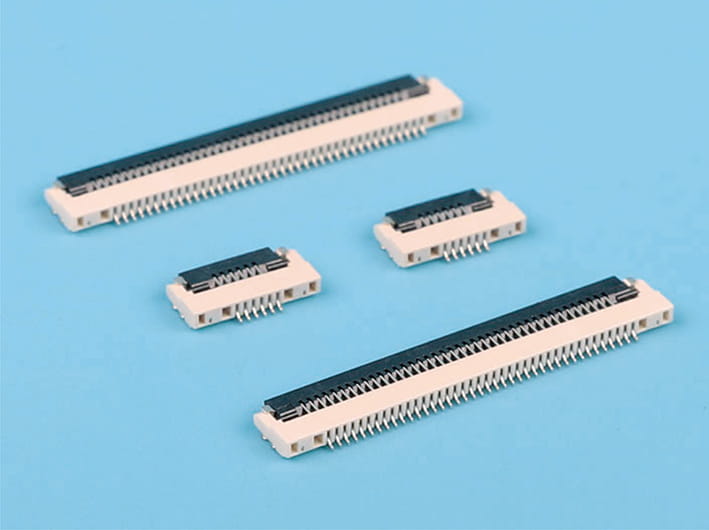
0.5mm pitch 1.2mm fpc flat cable connectors, horizontal smt type, flexible printed circuit connectors, secure locking
-
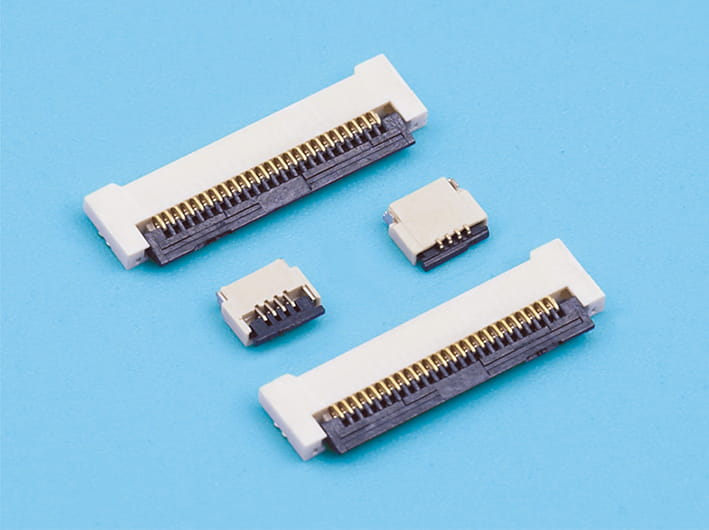
0.5mm Pitch, 1.2mm Height, Rear-Entry Horizontal FPC Connector
-
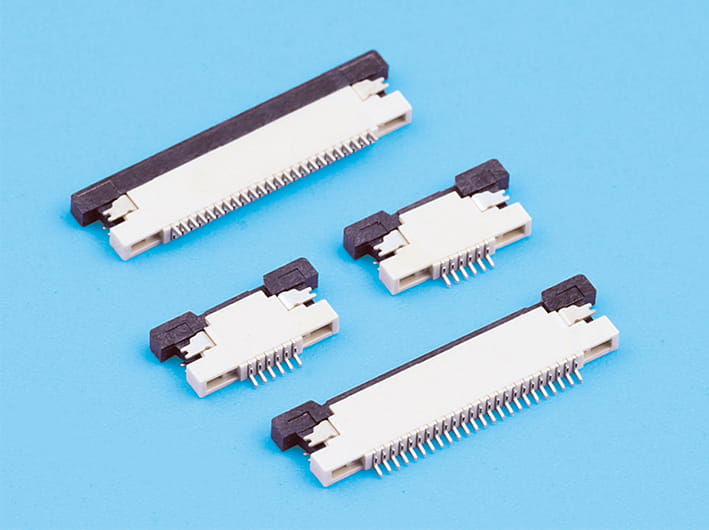
0.5mm pitch 1.2mm height fpc flat cable connector, zif r/a upper contact, locking slider, high-density integration, durable, for flexible printed circuits
-
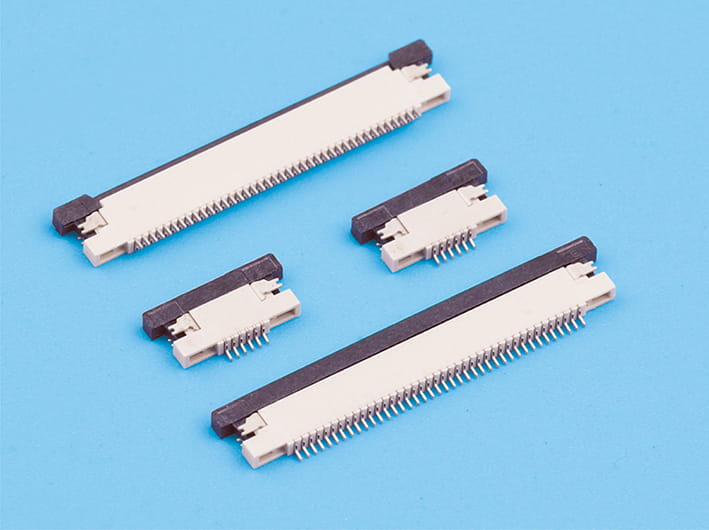
0.5mm pitch 1.2mm height fpc flat flexible cable connector, zif r/a down contact, for electronics and pcb boards
-
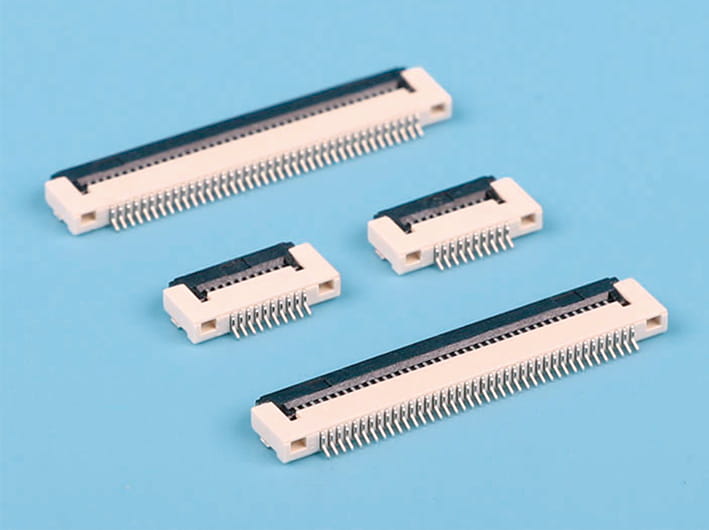
High-quality 0.5mm pitch 1.5mm height easy-on flat flexible cable fpc connector, horizontal type, locking-style, for pcb circuit board
-
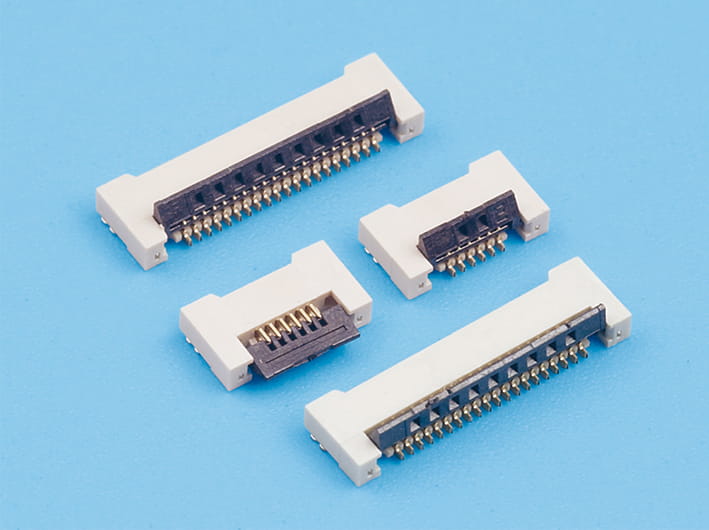
0.5mm pitch 1.5mm height back flip fpc flat connectors, zif slide type, flexible printed circuit cable connectors, horizontal contact
-
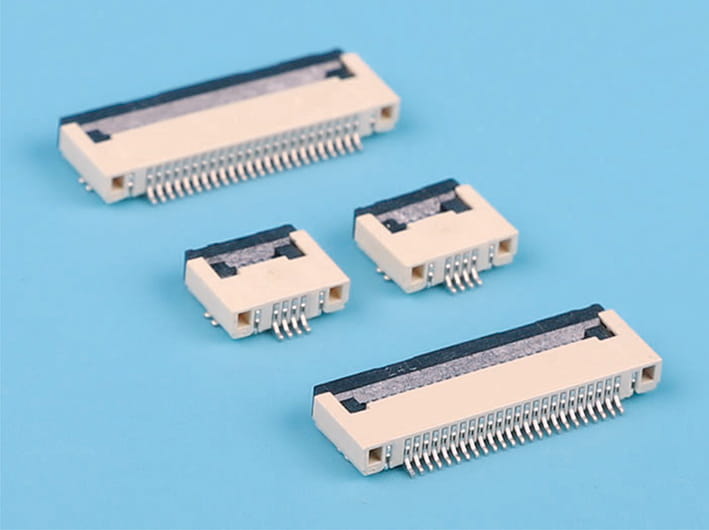
0.5mm pitch easy-on fpc flat ribbon connector, 2.0mm height, locking zif slide type, horizontal contact, flexible printed circuit board connector
-
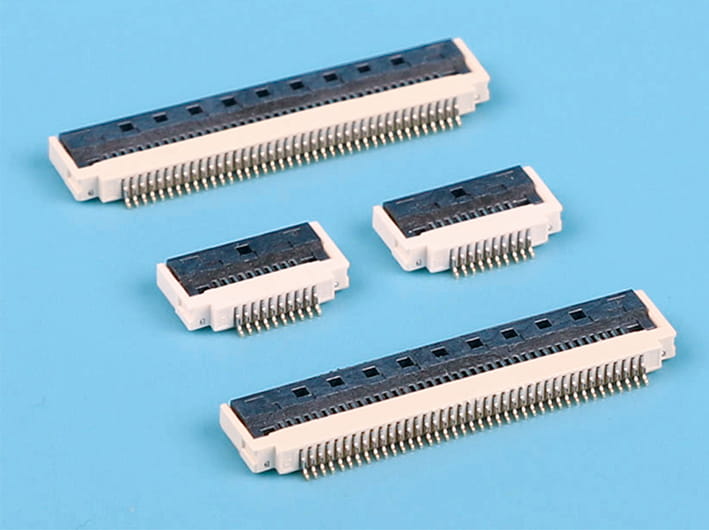
0.5mm pitch 2.0mm height, easy-on r/a with buckle fpc flat connectors, high-density integration flexible printed circuit board connectors
-
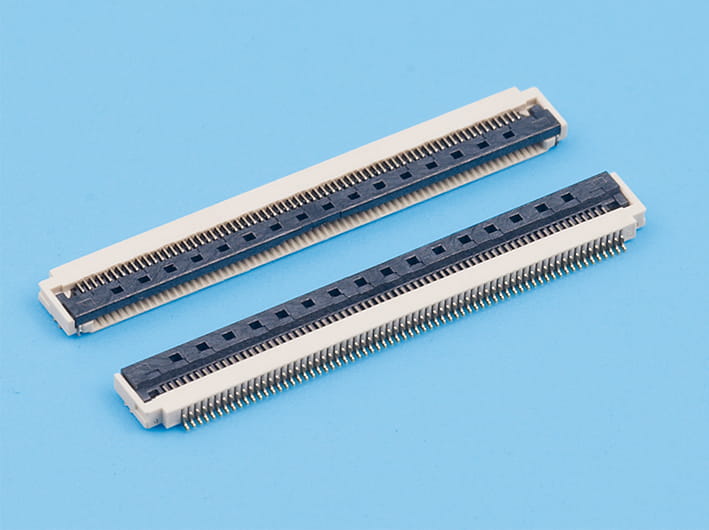
0.5mm Pitch, 2.0mm Height, Hinged Cover, Horizontal Mounting, Large Solder Pads
-

0.5mm pitch 2.0mm height back flip fpc flat connectors, horizontal insert, locking type, zif slide, pcb mount
-
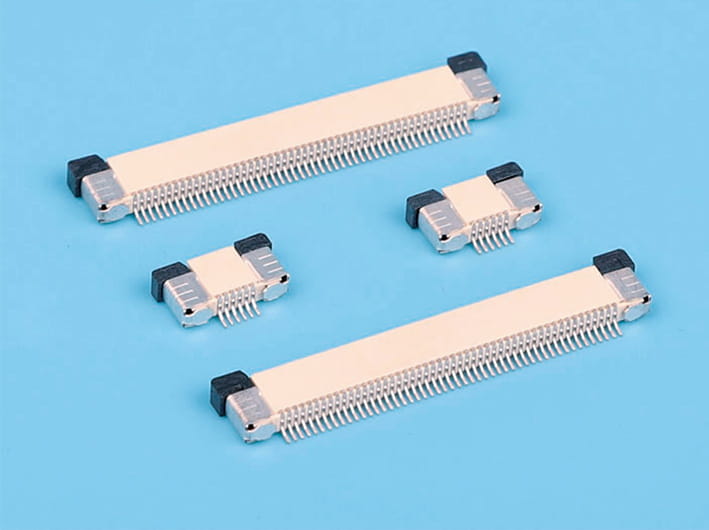
0.5mm Pitch, Ultra-Thin 2.0mm Horizontal FPC Connector (Pull-Out Locking Type, Top Contact Type)
-
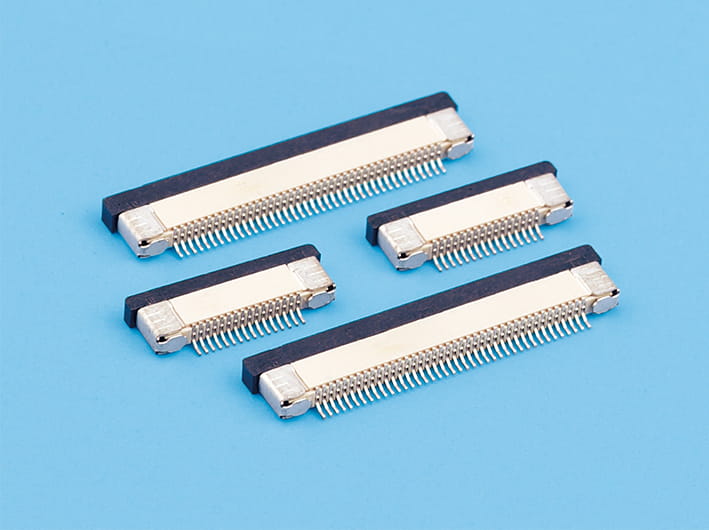
0.5mm Pitch, Ultra-Thin 2.0mm Horizontal FPC Connector (Pull-Out Locking Type, Bottom Contact Type)
-
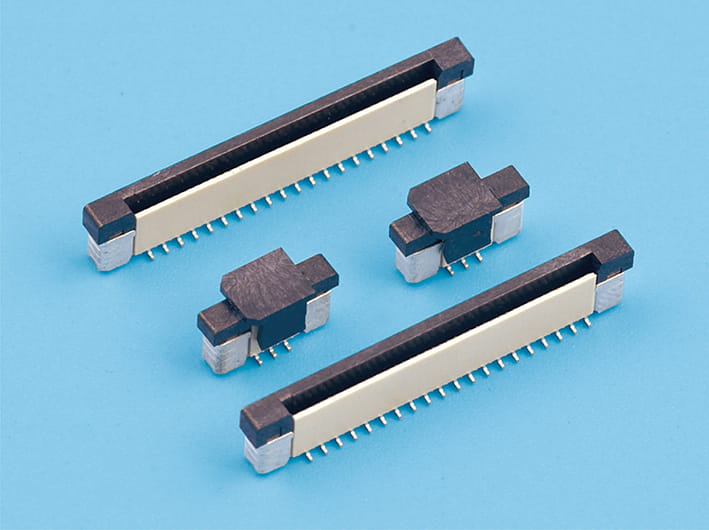
0.5mm pitch 4.5mm height fpc flat cable connector, zif s/t reversed pointer, locking slide
-
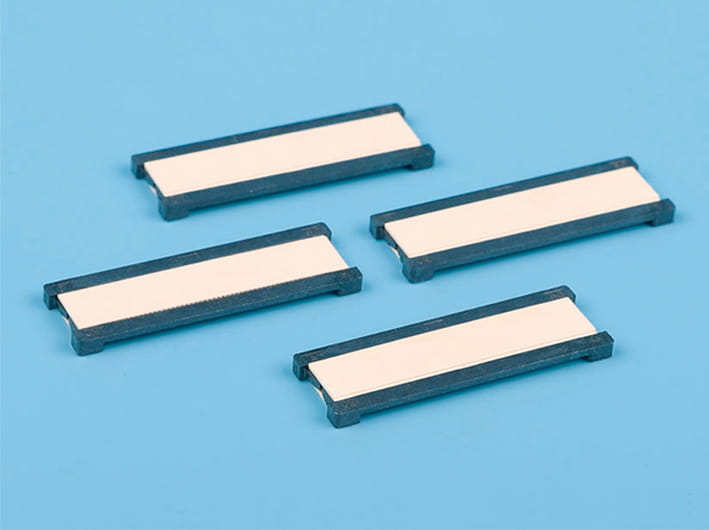
Double-side drawing fpc flat connector, 0.5mm pitch, 2.0mm/2.5mm height, flip type, for flexible cable, pcb mountable
CONTACT INFORMATION
-
Mr.Zhou(Sales manager)
Tel:+86(0)577-62369959
Tel:+86(0)577-62378959
MP:+86-13570877599
E-mail:[email protected]
Wechat:+86-13570877599
PRODUCT LINKS

Copyright © Zhejiang Wenda Electronics Co., Ltd. All Rights Reserved

Custom Electronic Connectors Manufacturer
