


 English
 中文简体
中文简体 Español
 عربى
عربىOptimizing Impedance and Crosstalk in BTB Connectors
A BTB Connector plays a critical role in modern electronics, linking printed circuit boards while maintaining signal integrity. In high-speed applications, improper connector design can cause signal reflections, crosstalk, and data loss. Optimizing impedance matching and reducing crosstalk are essential to ensure reliable communication and overall system performance.
- Impedance matching: Ensures consistent signal transmission between PCBs and connectors.
- Crosstalk reduction: Prevents interference between adjacent signal lines, improving data integrity.
- High-speed applications: Include PCIe interfaces, DDR memory, networking equipment, and high-frequency communication devices.
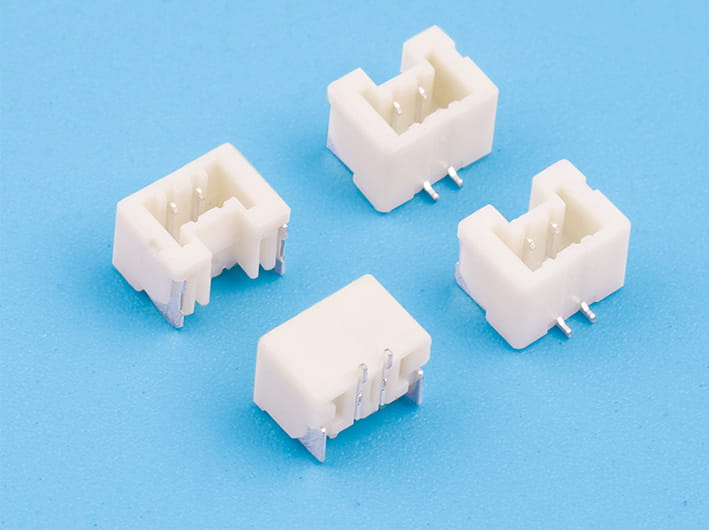
Understanding Impedance in BTB Connectors
Impedance refers to the opposition a circuit presents to high-frequency signals. Mismatched impedance causes reflections that degrade signal quality.
- Controlled impedance: Designing connector traces to match PCB impedance is crucial.
- Trace geometry: Width, spacing, and thickness of connector pins affect impedance.
- Dielectric material: Connector insulation material must be consistent with the PCB substrate to maintain uniform impedance.
- Connector stack height: Longer or taller connectors can introduce impedance discontinuities if not carefully designed.
- Design strategy: Simulate the signal path and adjust pin layout, trace width, and spacing to maintain target impedance throughout the connector interface.
Reducing Crosstalk
Crosstalk occurs when a signal on one conductor induces an unwanted signal on an adjacent conductor. In high-speed BTB connections, crosstalk can cause bit errors or data corruption.
- Pin spacing optimization: Increasing spacing between high-speed signal pins reduces capacitive coupling.
- Ground shielding: Integrating ground pins or planes between signal lines mitigates electromagnetic interference.
- Differential signaling: Using paired signals with opposite polarity cancels common-mode noise, improving immunity to crosstalk.
- Signal routing: Careful layout of traces in the connector and PCBs prevents parallel run lengths that exacerbate coupling.
- Practical tip: Combine spacing, shielding, and differential pairs to reduce crosstalk in dense high-speed connectors.
Simulation and Testing
Modern BTB Connector designs rely on simulation tools to ensure suitable performance before manufacturing.
- Electromagnetic simulation: Models the connector’s high-frequency behavior, predicting impedance discontinuities and crosstalk.
- Time-domain reflectometry (TDR): Measures reflections and validates impedance matching in prototypes.
- Eye diagram analysis: Verifies signal integrity under real operational conditions.
- Iterative optimization: Use simulation feedback to adjust pin arrangement, spacing, and dielectric properties.
- Benefit: Simulation reduces costly redesigns and ensures high first-pass yield in high-speed electronics.
Material and Mechanical Considerations
Connector material and construction affect impedance and crosstalk performance.
- Contact material: High-conductivity metals reduce resistance and signal loss.
- Insulation dielectric: Low-loss materials reduce signal attenuation at high frequencies.
- Connector pitch: A smaller pitch can increase density but requires stricter control of trace spacing to avoid crosstalk.
- Stacking and alignment: Mechanical precision ensures consistent pin contact and maintains signal integrity.
- Key takeaway: Electrical performance depends on both material selection and precise mechanical design.
Practices for High-Speed Applications
- Match the connector impedance to the PCB traces carefully.
- Integrate ground shielding and differential pairs wherever possible.
- Use simulation and testing to identify potential crosstalk issues early.
- Maintain mechanical precision to prevent unintended impedance variations.
- Consider connector pitch, stack height, and dielectric properties in the overall design.
Conclusion
In high-speed electronic systems, a BTB Connector must maintain impedance consistency and reduce crosstalk to ensure reliable operation. Proper pin layout, dielectric selection, shielding, and differential signaling are critical for suitable performance. Simulation, testing, and precision manufacturing allow designers to optimize connector design for high-speed applications. By combining these techniques, engineers can achieve signal integrity, reduce errors, and enhance overall system reliability in demanding electronic environments.
Related Products
-
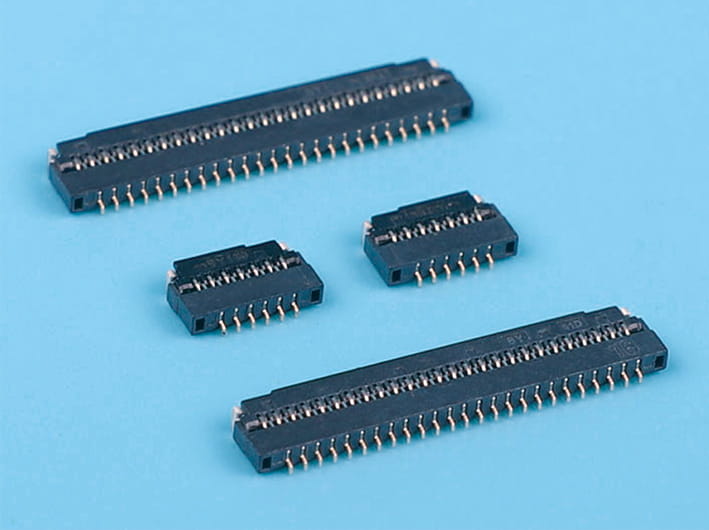
Easy-on fpc flat ribbon connector, 0.3mm pitch, 1.0mm height, flexible printed circuit connector, horizontal smt type
-

Back flip fpc flat flexible cable connector, 0.3mm pitch, 1.0mm height, bottom contact type for pcb board connections
-
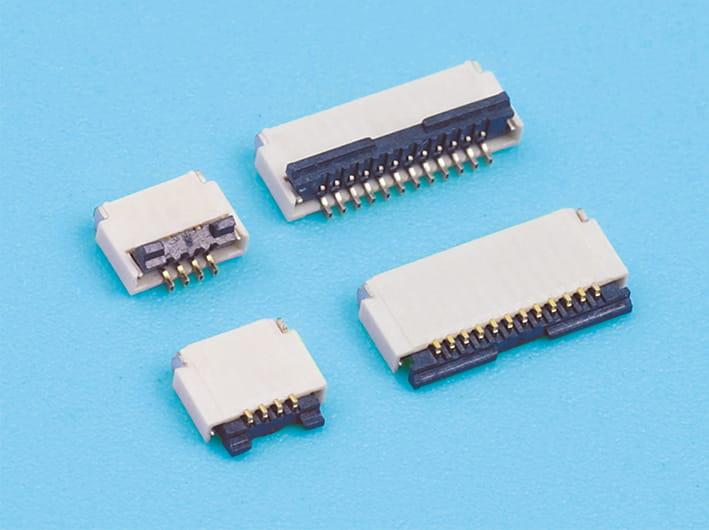
Back flip micro fpc flat cable connector, 0.5mm pitch, 1.0mm height, compact design, white, for data, signal transfer applications
-
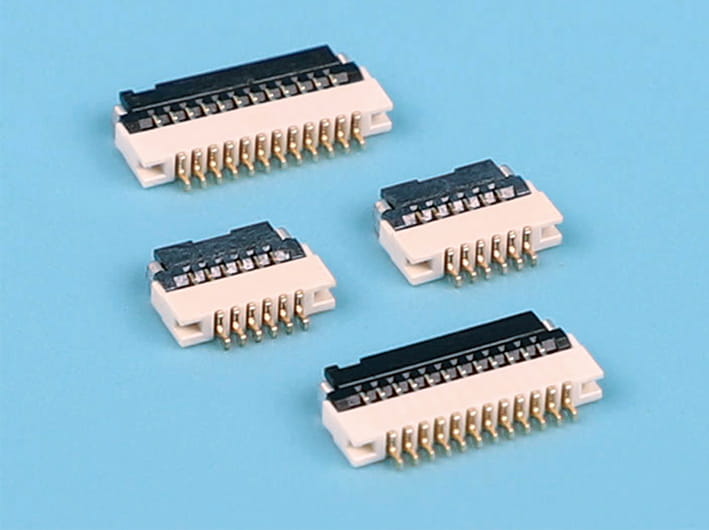
0.5mm Pitch, 1.0mm Height, Flip-Type Horizontal FPC Connector
-
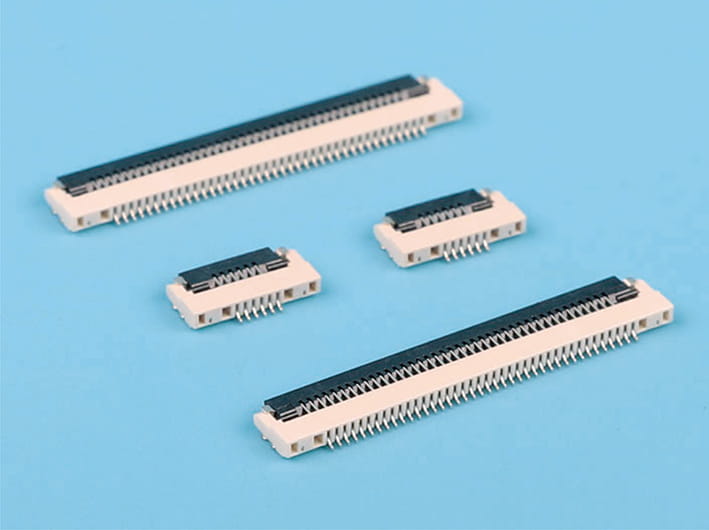
0.5mm pitch 1.2mm fpc flat cable connectors, horizontal smt type, flexible printed circuit connectors, secure locking
-
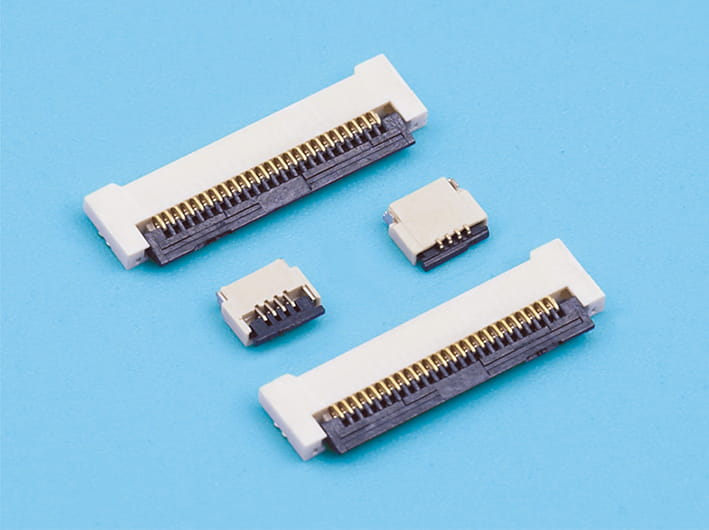
0.5mm Pitch, 1.2mm Height, Rear-Entry Horizontal FPC Connector
-
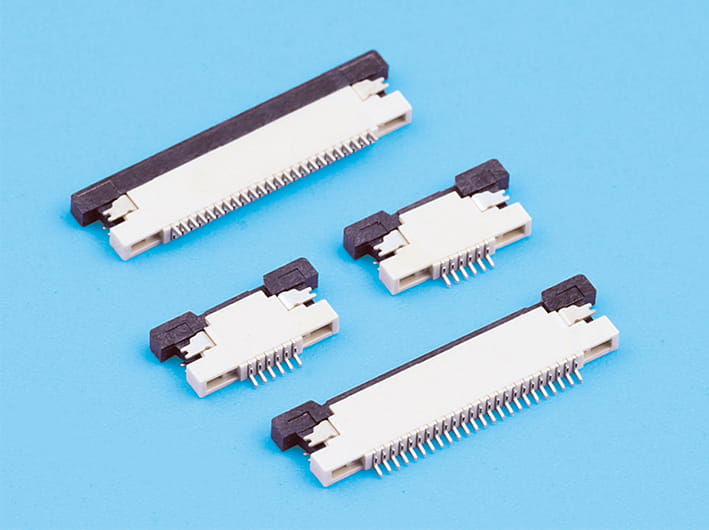
0.5mm pitch 1.2mm height fpc flat cable connector, zif r/a upper contact, locking slider, high-density integration, durable, for flexible printed circuits
-
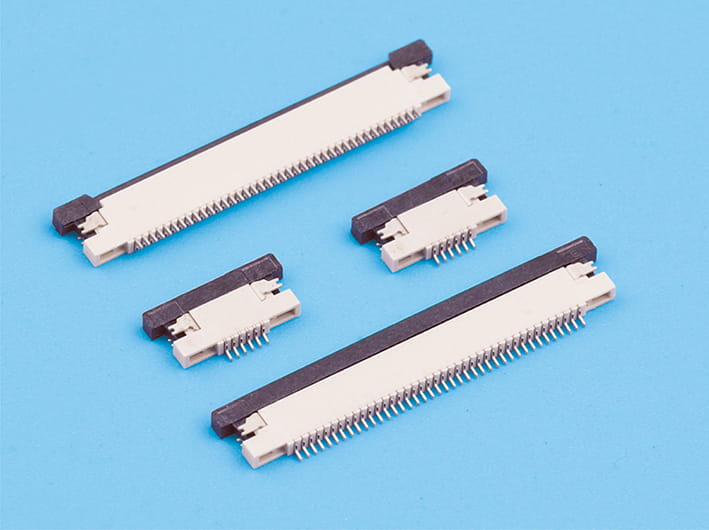
0.5mm pitch 1.2mm height fpc flat flexible cable connector, zif r/a down contact, for electronics and pcb boards
-
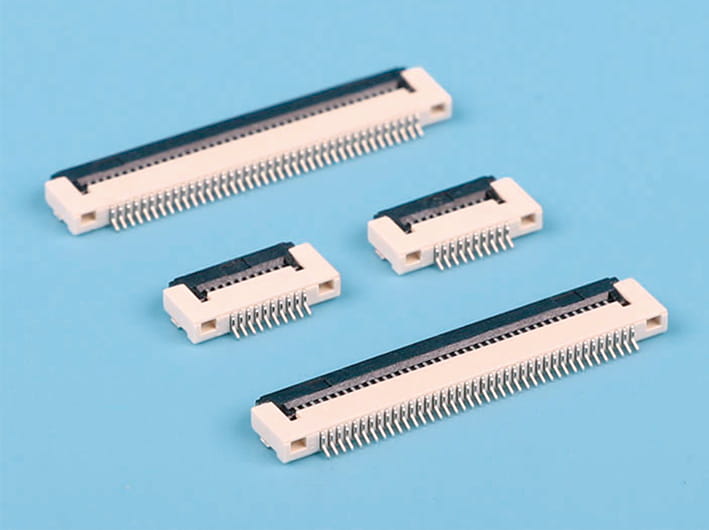
High-quality 0.5mm pitch 1.5mm height easy-on flat flexible cable fpc connector, horizontal type, locking-style, for pcb circuit board
-
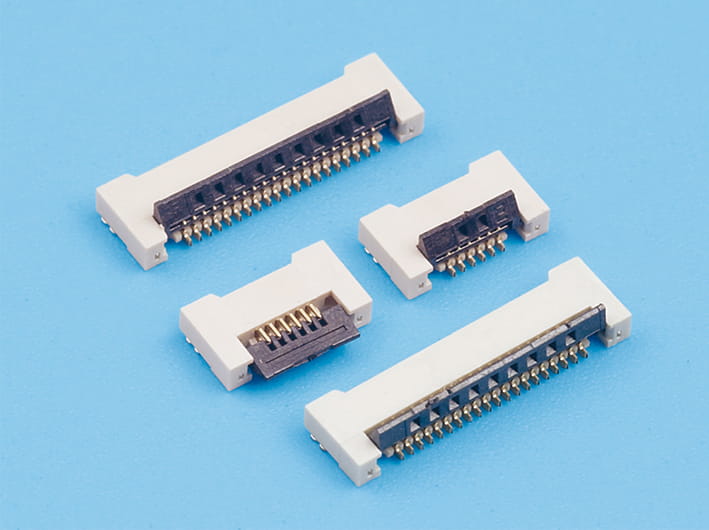
0.5mm pitch 1.5mm height back flip fpc flat connectors, zif slide type, flexible printed circuit cable connectors, horizontal contact
-
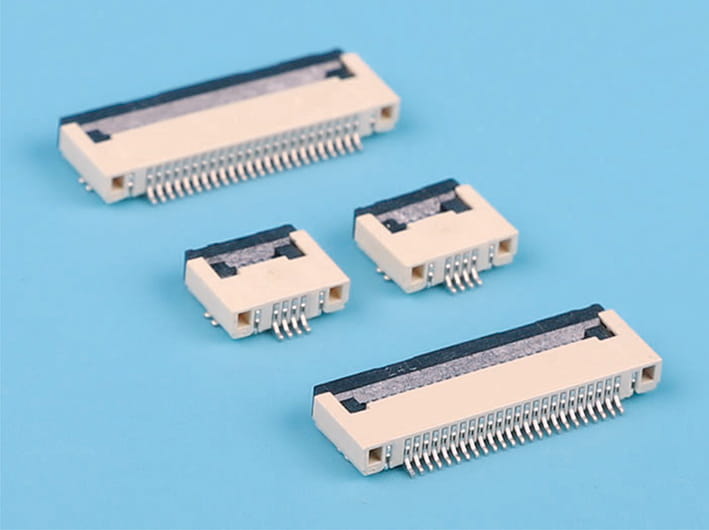
0.5mm pitch easy-on fpc flat ribbon connector, 2.0mm height, locking zif slide type, horizontal contact, flexible printed circuit board connector
-
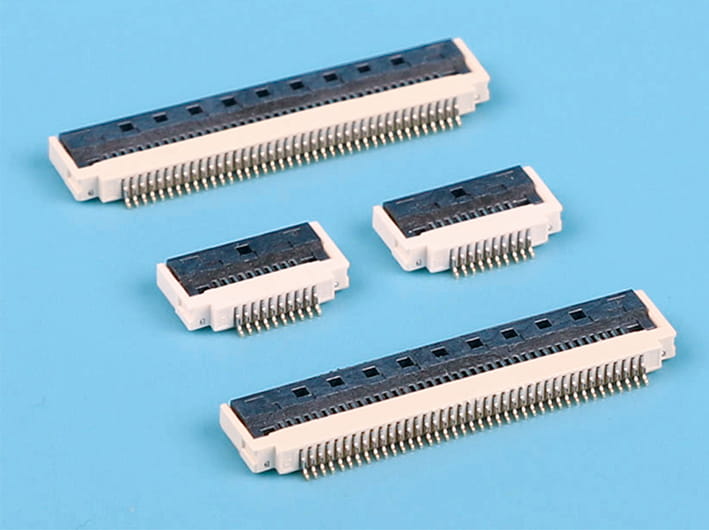
0.5mm pitch 2.0mm height, easy-on r/a with buckle fpc flat connectors, high-density integration flexible printed circuit board connectors
-
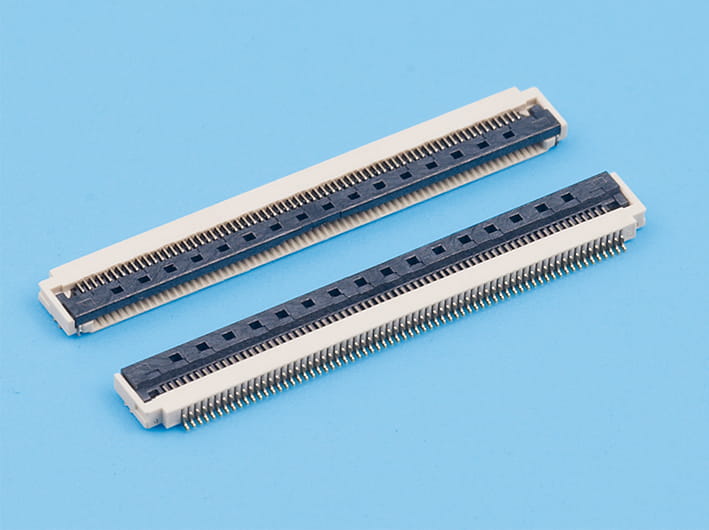
0.5mm Pitch, 2.0mm Height, Hinged Cover, Horizontal Mounting, Large Solder Pads
-

0.5mm pitch 2.0mm height back flip fpc flat connectors, horizontal insert, locking type, zif slide, pcb mount
-
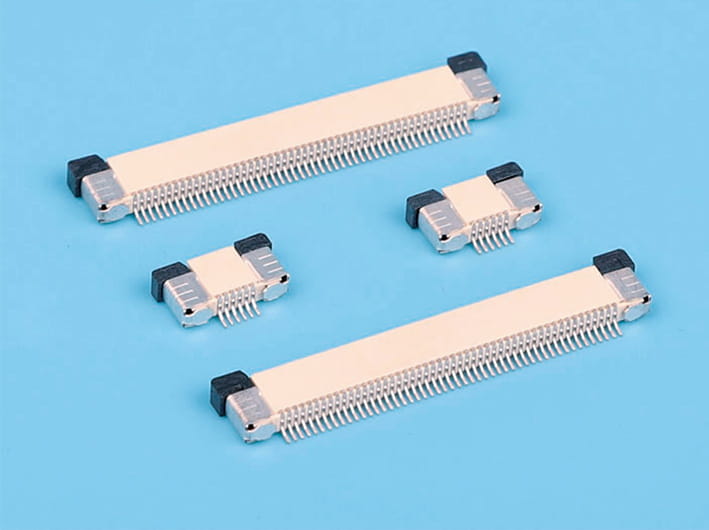
0.5mm Pitch, Ultra-Thin 2.0mm Horizontal FPC Connector (Pull-Out Locking Type, Top Contact Type)
-
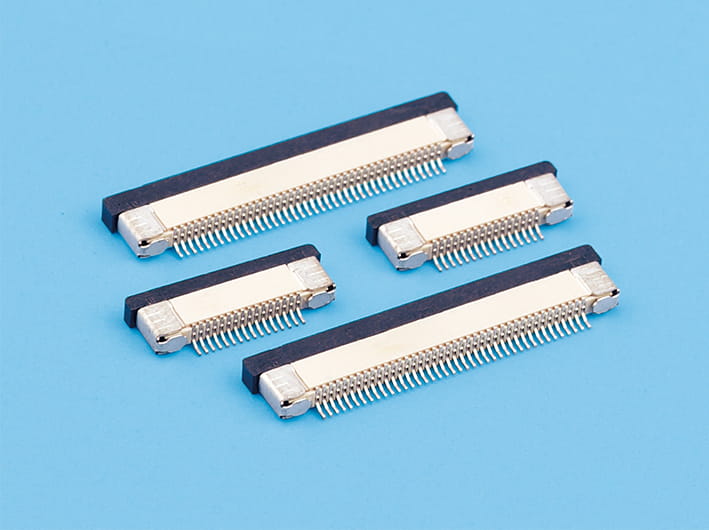
0.5mm Pitch, Ultra-Thin 2.0mm Horizontal FPC Connector (Pull-Out Locking Type, Bottom Contact Type)
-
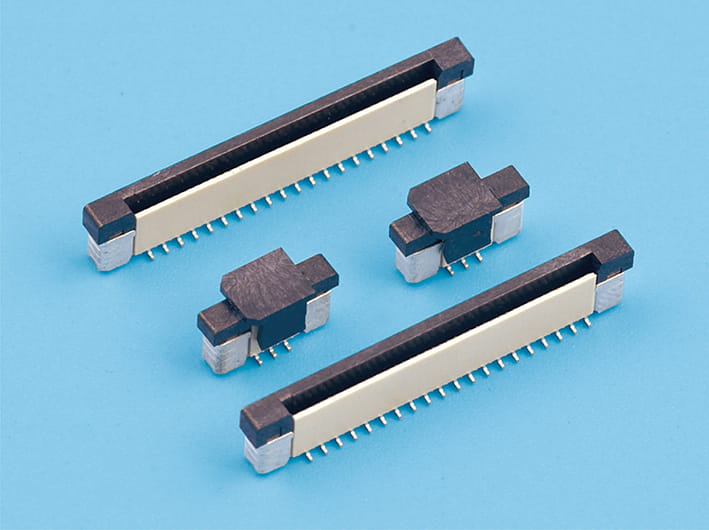
0.5mm pitch 4.5mm height fpc flat cable connector, zif s/t reversed pointer, locking slide
-
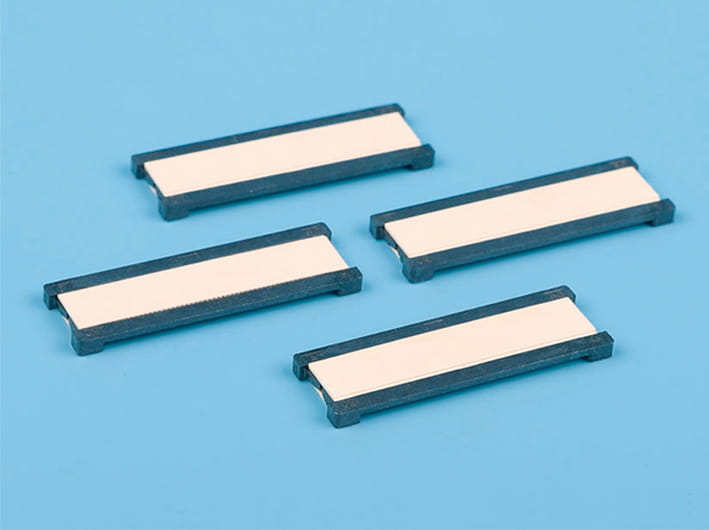
Double-side drawing fpc flat connector, 0.5mm pitch, 2.0mm/2.5mm height, flip type, for flexible cable, pcb mountable
CONTACT INFORMATION
-
Mr.Zhou(Sales manager)
Tel:+86(0)577-62369959
Tel:+86(0)577-62378959
MP:+86-13570877599
E-mail:[email protected]
Wechat:+86-13570877599
PRODUCT LINKS

Copyright © Zhejiang Wenda Electronics Co., Ltd. All Rights Reserved

Custom Electronic Connectors Manufacturer
