


 English
 中文简体
中文简体 Español
 عربى
عربىHow Length and Pin Count Affect FFC Performance
A FFC Ribbon Cable is widely used in modern electronics for connecting flexible circuits to rigid boards, LCD screens, and other compact devices. Two critical parameters—cable length and the number of conductors (pins)—significantly impact both electrical performance and practical application. Understanding these factors helps engineers, designers, and technicians choose the right cable for reliable, high-performance operation.
- Cable length: Influences signal integrity, voltage drop, and installation flexibility.
- Number of conductors: Determines the number of signals or power lines transmitted simultaneously.
- Importance of correct specification: Ensures stable operation, avoids interference, and improves device lifespan.

Impact of Cable Length
The length of an FFC Ribbon Cable affects electrical performance and mechanical design.
- Signal integrity: Longer cables can introduce signal delay, crosstalk, and attenuation.
- Voltage drop: Extended cable lengths increase resistance, which may reduce voltage at the receiving end.
- Installation constraints: Longer cables offer more routing flexibility but may require careful management to avoid bends and stress.
- Mechanical stress: Excessively long cables may sag or kink, potentially damaging the delicate conductors.
- Design consideration: Engineers must balance cable length with signal quality and mechanical layout to maintain suitable performance.
Influence of Conductor (Pin) Count
The number of conductors in a ribbon cable defines its capability to transmit multiple signals simultaneously.
- High pin count: Supports complex circuits and multiple parallel signals, but increases cable width.
- Low pin count: Ideal for simpler connections or low-power signals, allowing more compact routing.
- Signal crosstalk: Closely spaced pins in high-density cables can cause interference if not designed properly.
- Current carrying capacity: Each conductor has a limit; high pin count with thin traces may restrict power delivery.
- Design consideration: Selecting the right pin count ensures that all necessary signals are transmitted without unnecessary complexity.
Combined Effects of Length and Pin Count
Length and pin count are interdependent when considering performance.
- Long, high-pin-count cables: Higher risk of signal degradation and electromagnetic interference.
- Short, low-pin-count cables: Lower risk but limited to simpler applications.
- Routing challenges: Long, wide cables require careful bending radii and strain relief to prevent mechanical failure.
- Optimization: Proper selection of length and pin count ensures both electrical and mechanical reliability.
Application Considerations
Different applications impose different demands on FFC Ribbon Cable specifications.
- Consumer electronics: Laptops, tablets, and smartphones require short, high-pin-count cables for dense internal connections.
- Industrial equipment: Sensors and control units may use longer cables with moderate pin counts for flexible routing.
- Displays and imaging: LCD panels often require long, thin cables with precise pin alignment for accurate signal transmission.
- Automotive electronics: Must consider vibration, temperature, and electromagnetic interference, along with cable length and pin density.
Installation and Handling Tips
Proper handling ensures that the selected FFC Ribbon Cable performs as intended.
- Bend radius: Avoid sharp bends to prevent conductor breakage.
- Secure routing: Use guides or clips to prevent movement during operation.
- Connector compatibility: Match cable length and pin count with the connector footprint to avoid misalignment.
- Environmental protection: Consider heat, moisture, and vibration when routing longer or high-pin-count cables.
Conclusion
The length and conductor count of an FFC Ribbon Cable directly influence both electrical performance and practical application. Longer cables can cause signal attenuation and mechanical stress, while higher pin counts increase complexity and risk of crosstalk. Careful selection based on device requirements, installation constraints, and electrical characteristics ensures reliable performance. By understanding these factors, engineers and technicians can optimize FFC Ribbon Cable specifications for a wide range of applications, from consumer electronics to industrial and automotive systems.
Related Products
-
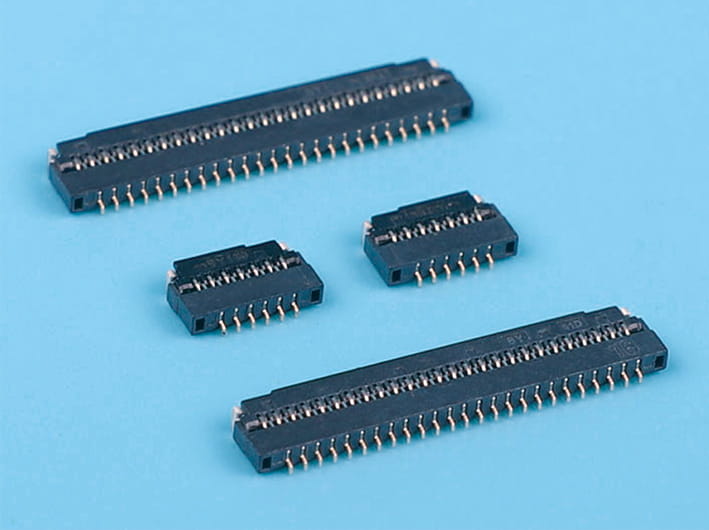
Easy-on fpc flat ribbon connector, 0.3mm pitch, 1.0mm height, flexible printed circuit connector, horizontal smt type
-

Back flip fpc flat flexible cable connector, 0.3mm pitch, 1.0mm height, bottom contact type for pcb board connections
-
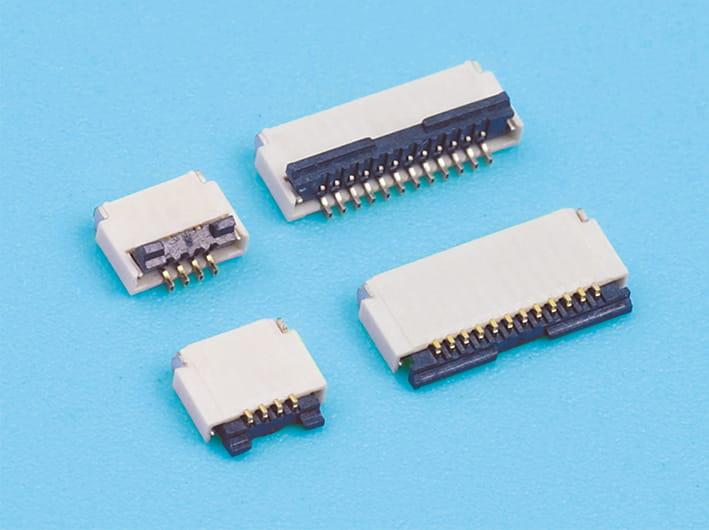
Back flip micro fpc flat cable connector, 0.5mm pitch, 1.0mm height, compact design, white, for data, signal transfer applications
-
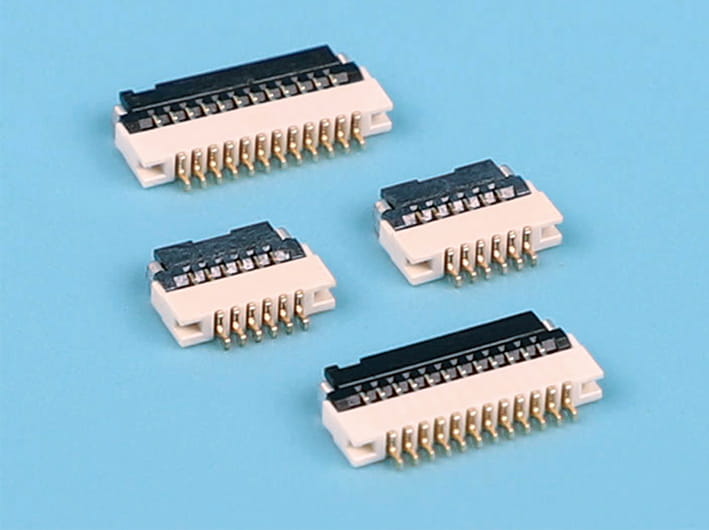
0.5mm Pitch, 1.0mm Height, Flip-Type Horizontal FPC Connector
-
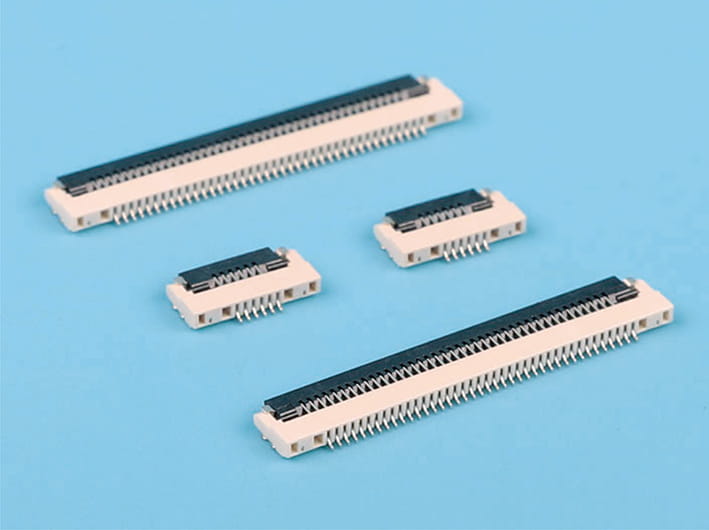
0.5mm pitch 1.2mm fpc flat cable connectors, horizontal smt type, flexible printed circuit connectors, secure locking
-
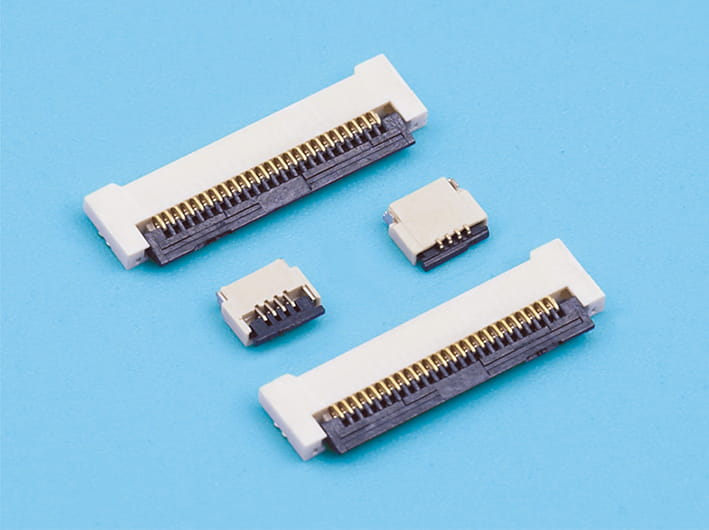
0.5mm Pitch, 1.2mm Height, Rear-Entry Horizontal FPC Connector
-
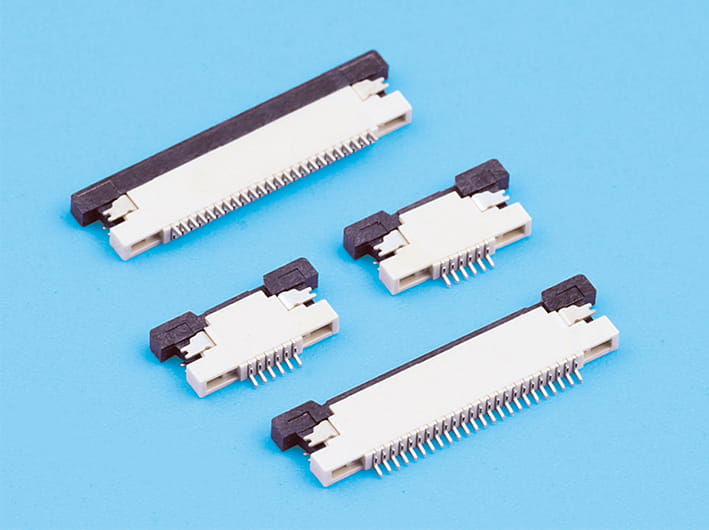
0.5mm pitch 1.2mm height fpc flat cable connector, zif r/a upper contact, locking slider, high-density integration, durable, for flexible printed circuits
-
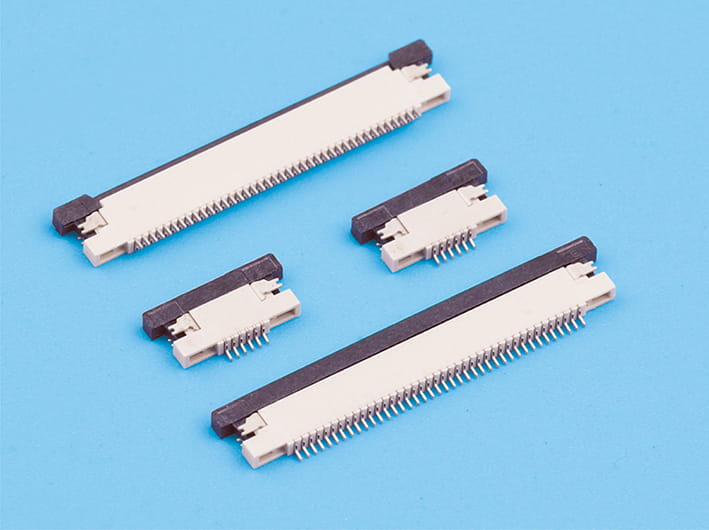
0.5mm pitch 1.2mm height fpc flat flexible cable connector, zif r/a down contact, for electronics and pcb boards
-
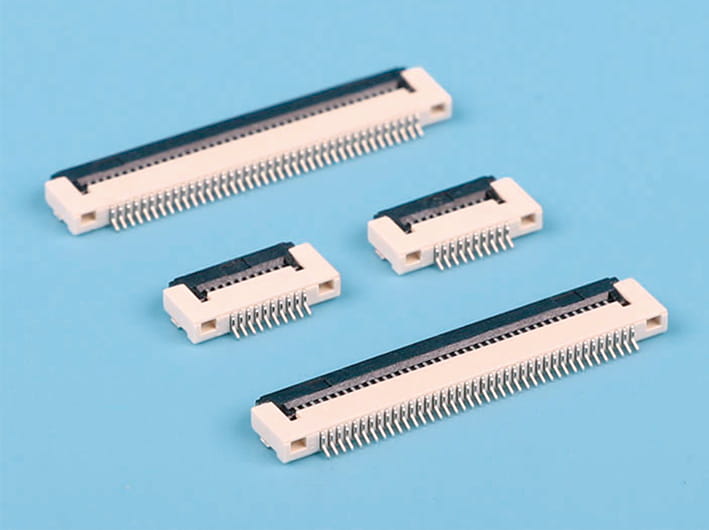
High-quality 0.5mm pitch 1.5mm height easy-on flat flexible cable fpc connector, horizontal type, locking-style, for pcb circuit board
-
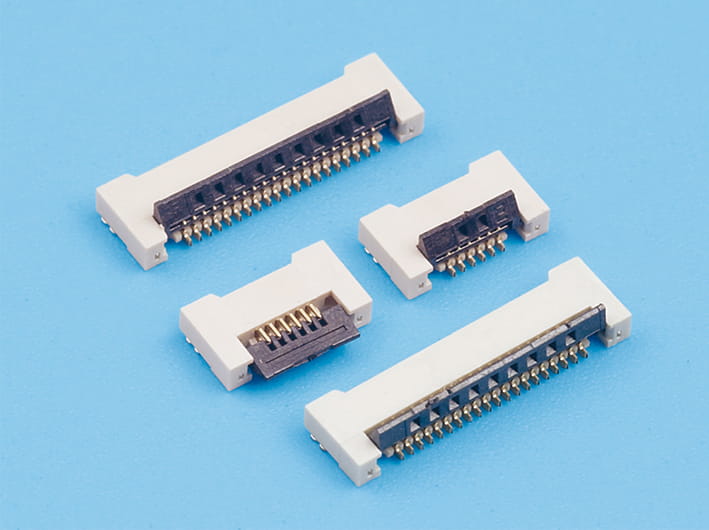
0.5mm pitch 1.5mm height back flip fpc flat connectors, zif slide type, flexible printed circuit cable connectors, horizontal contact
-
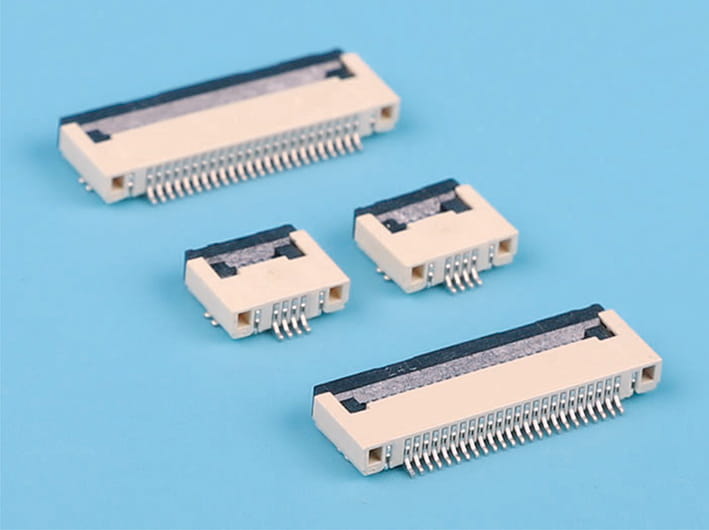
0.5mm pitch easy-on fpc flat ribbon connector, 2.0mm height, locking zif slide type, horizontal contact, flexible printed circuit board connector
-
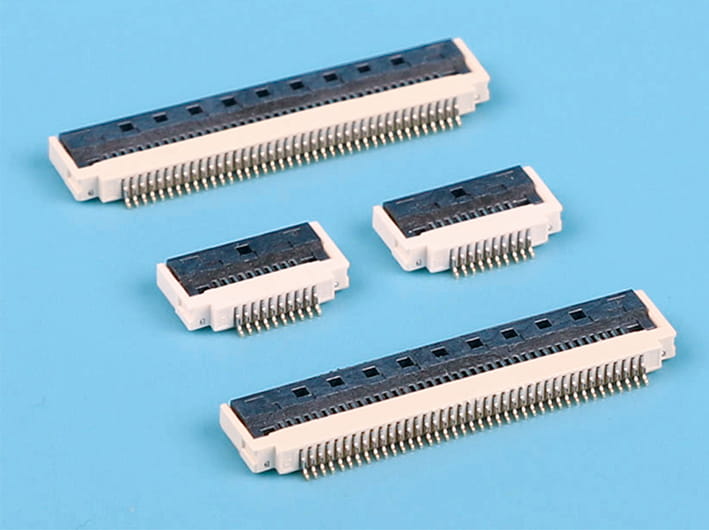
0.5mm pitch 2.0mm height, easy-on r/a with buckle fpc flat connectors, high-density integration flexible printed circuit board connectors
-
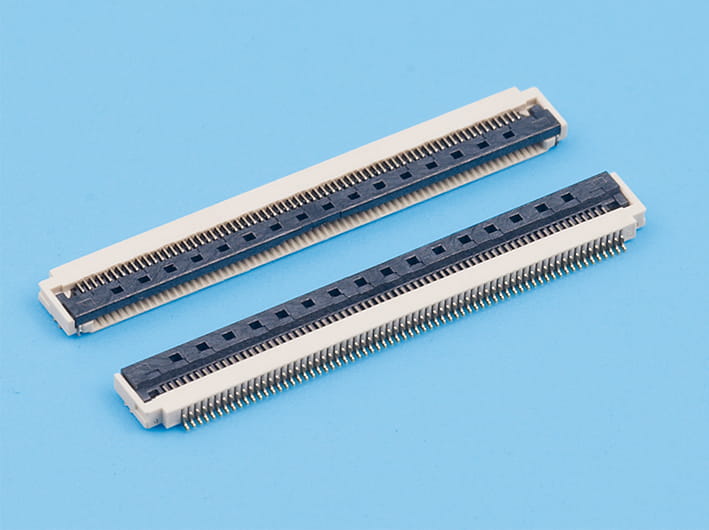
0.5mm Pitch, 2.0mm Height, Hinged Cover, Horizontal Mounting, Large Solder Pads
-

0.5mm pitch 2.0mm height back flip fpc flat connectors, horizontal insert, locking type, zif slide, pcb mount
-
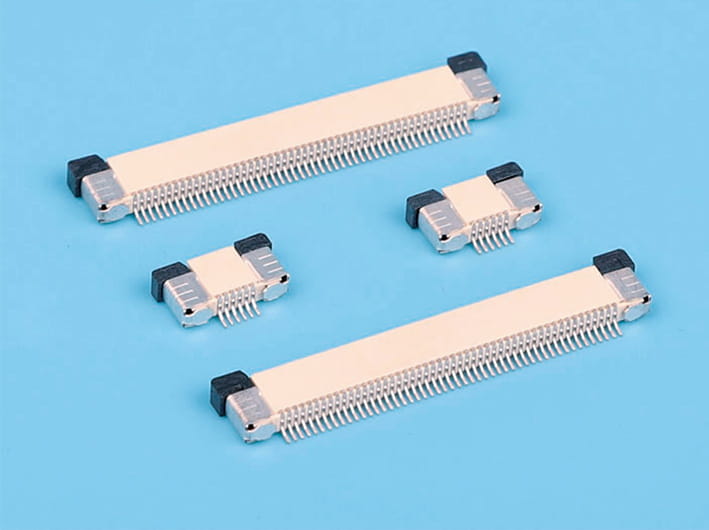
0.5mm Pitch, Ultra-Thin 2.0mm Horizontal FPC Connector (Pull-Out Locking Type, Top Contact Type)
-
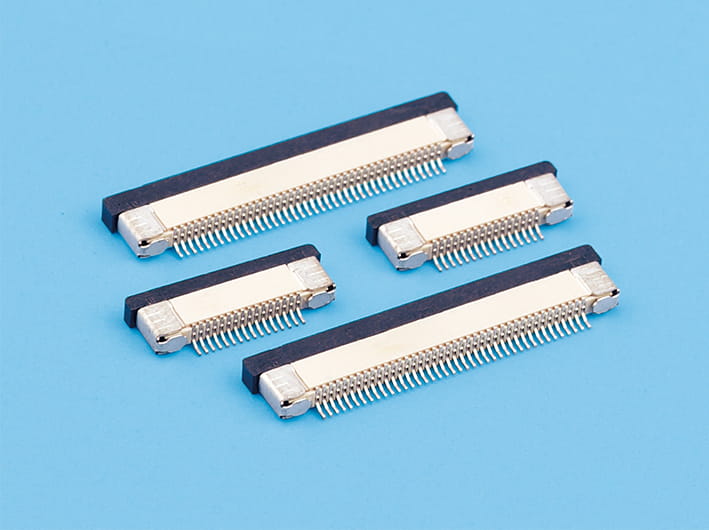
0.5mm Pitch, Ultra-Thin 2.0mm Horizontal FPC Connector (Pull-Out Locking Type, Bottom Contact Type)
-
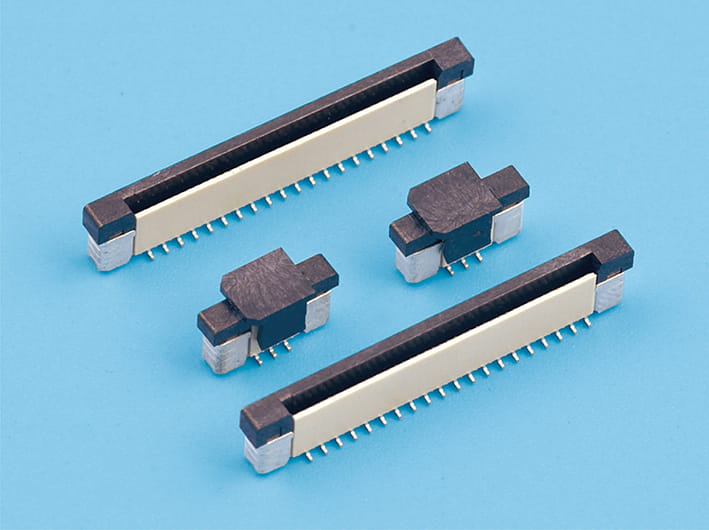
0.5mm pitch 4.5mm height fpc flat cable connector, zif s/t reversed pointer, locking slide
-
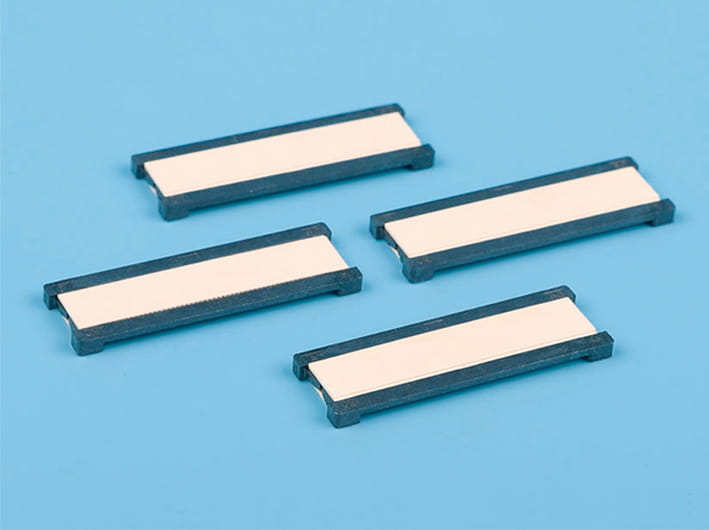
Double-side drawing fpc flat connector, 0.5mm pitch, 2.0mm/2.5mm height, flip type, for flexible cable, pcb mountable
CONTACT INFORMATION
-
Mr.Zhou(Sales manager)
Tel:+86(0)577-62369959
Tel:+86(0)577-62378959
MP:+86-13570877599
E-mail:[email protected]
Wechat:+86-13570877599
PRODUCT LINKS

Copyright © Zhejiang Wenda Electronics Co., Ltd. All Rights Reserved

Custom Electronic Connectors Manufacturer
