


 English
 中文简体
中文简体 Español
 عربى
عربىManual vs Automated Assembly of FPC Connectors
A FPC Flat Connector is a critical component in modern electronics, providing reliable connections between flexible printed circuits and rigid boards. The method of assembly—manual versus automated—directly impacts production efficiency, precision, and overall product quality. Understanding the differences between these approaches helps manufacturers make informed decisions for high-volume or high-precision applications.
- Manual assembly: Human operators place and secure connectors by hand, often using tools like tweezers or microscopes.
- Automated assembly: Machines handle placement, soldering, and inspection using programmed robotic systems.
- Significance: Choice of assembly method affects throughput, error rates, and long-term reliability.
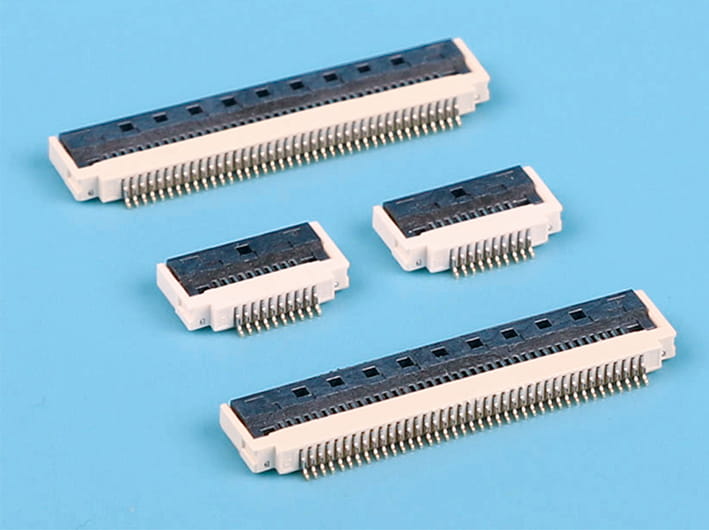
Efficiency Comparison
Efficiency is one of the obvious differences between manual and automated assembly.
- Manual assembly efficiency:
- Limited by operator speed and fatigue.
- Time per connector varies depending on skill and complexity.
- More suitable for small batches or prototypes.
- Automated assembly efficiency:
- High throughput with consistent cycle times.
- Ideal for mass production and large-scale manufacturing.
- Integration with conveyor systems and pick-and-place machines further reduces idle time.
- Key takeaway: Automated assembly significantly outpaces manual methods in large-scale production, reducing labor costs and time per unit.
Precision and Accuracy
Precision in placing FPC connectors is critical to ensure reliable electrical connections.
- Manual assembly precision:
- Dependent on operator skill and concentration.
- Small deviations in alignment can cause poor contact or short circuits.
- Microscopic tools help, but consistency is harder to maintain.
- Automated assembly precision:
- Robotic systems achieve micron-level placement accuracy.
- Consistent positioning reduces defects and improves yield.
- Automated optical inspection (AOI) ensures alignment quality is verified immediately.
- Key takeaway: Automated methods provide good precision and repeatability, critical for high-density connectors.
Error Rate and Quality Control
Error rates differ significantly between manual and automated processes.
- Manual assembly errors:
- Human fatigue or distraction can cause misplaced or damaged connectors.
- Quality varies between operators.
- Requires frequent inspection and rework.
- Automated assembly errors:
- Lower error rates due to programmed accuracy.
- Inline inspection systems can detect misalignment, soldering defects, and missing components in real-time.
- Reduces overall scrap and increases first-pass yield.
- Key takeaway: Automated assembly reduces errors and enhances product reliability, especially in high-density electronic assemblies.
Flexibility and Application Considerations
Both methods have advantages depending on the production context.
- Manual assembly flexibility:
- Ideal for small batches, prototypes, or custom designs.
- Can accommodate unusual connector orientations or challenging board layouts.
- Easier to make last-minute adjustments without reprogramming machines.
- Automated assembly flexibility:
- For standardized, high-volume production.
- Initial setup and programming require time, but once optimized, scaling is straightforward.
- Less adaptable to design changes without recalibration or software updates.
- Key takeaway: Manual assembly is flexible for customization, while automation excels in volume and consistency.
Cost Implications
Cost is another important factor influencing assembly method selection.
- Manual assembly costs:
- Labor-intensive, higher per-unit cost for large production.
- Lower initial investment in equipment.
- Cost-effective for small or specialized runs.
- Automated assembly costs:
- High upfront investment in machinery and programming.
- Lower labor costs per unit in large-scale production.
- Long-term savings through increased efficiency and reduced scrap.
- Key takeaway: Automation is more cost-effective for high-volume production, while manual assembly suits low-volume or prototype work.
Conclusion
Choosing between manual and automated assembly for FPC Flat Connector depends on production volume, required precision, and budget considerations. Manual assembly provides flexibility and low initial cost, but suffers from lower efficiency and higher error rates. Automated assembly offers good speed, precision, and quality control, making it ideal for mass production of high-density electronics. By understanding the differences, manufacturers can optimize assembly methods to meet both product requirements and operational goals.
Related Products
-
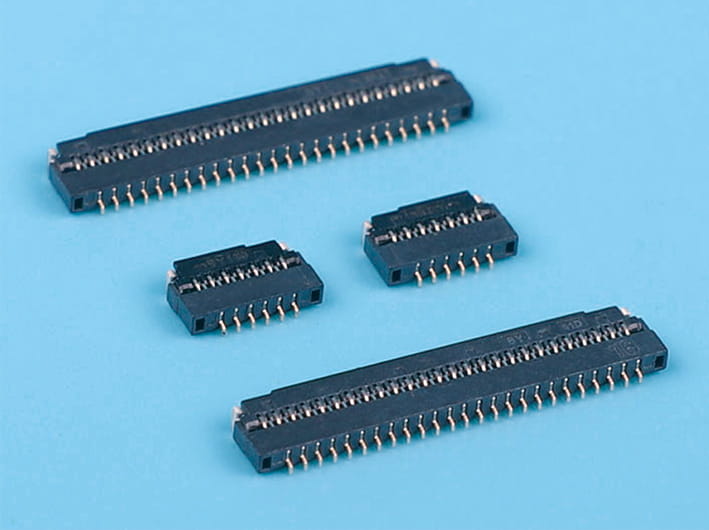
Easy-on fpc flat ribbon connector, 0.3mm pitch, 1.0mm height, flexible printed circuit connector, horizontal smt type
-

Back flip fpc flat flexible cable connector, 0.3mm pitch, 1.0mm height, bottom contact type for pcb board connections
-
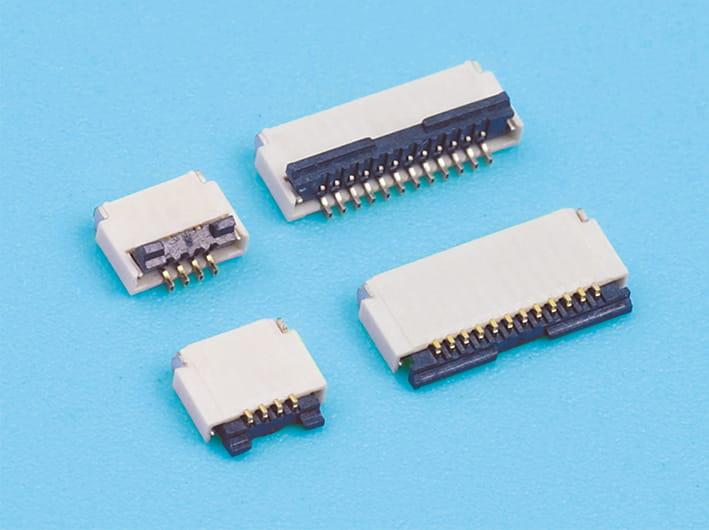
Back flip micro fpc flat cable connector, 0.5mm pitch, 1.0mm height, compact design, white, for data, signal transfer applications
-
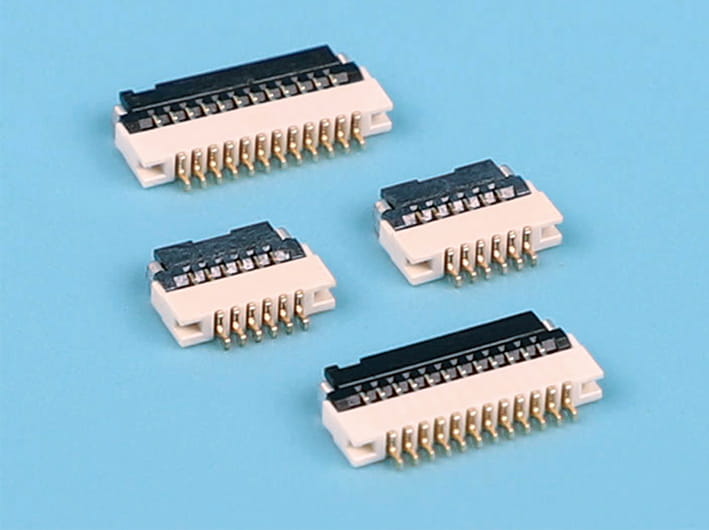
0.5mm Pitch, 1.0mm Height, Flip-Type Horizontal FPC Connector
-
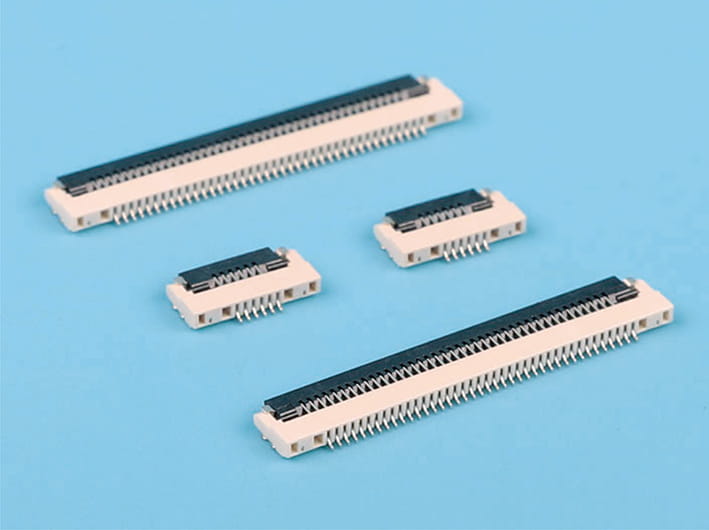
0.5mm pitch 1.2mm fpc flat cable connectors, horizontal smt type, flexible printed circuit connectors, secure locking
-
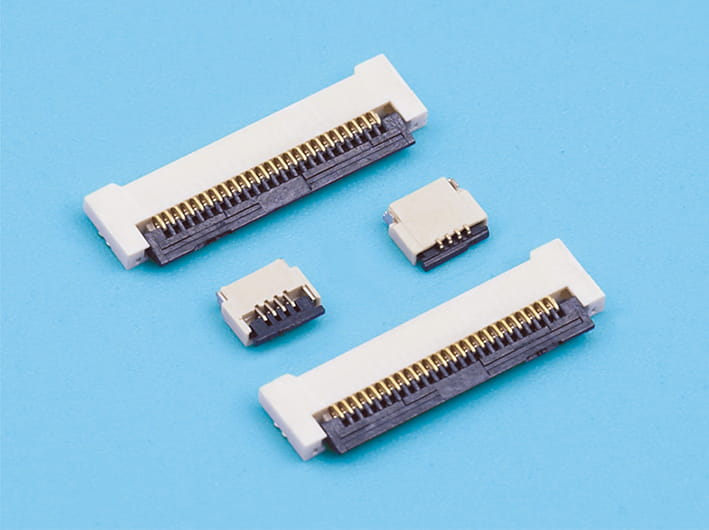
0.5mm Pitch, 1.2mm Height, Rear-Entry Horizontal FPC Connector
-
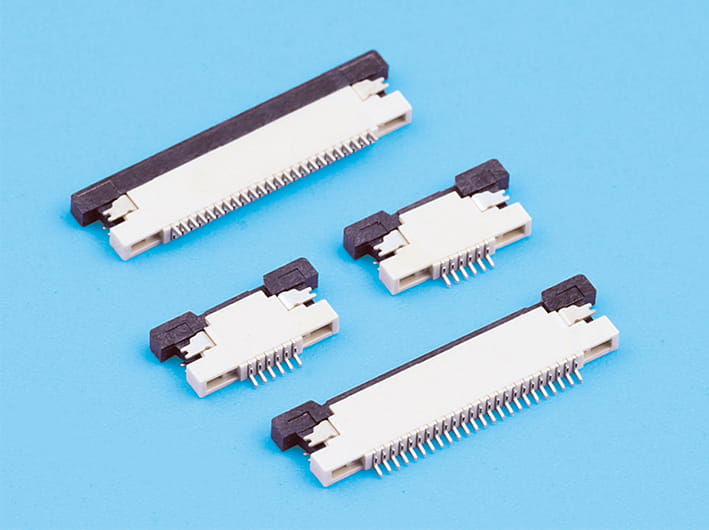
0.5mm pitch 1.2mm height fpc flat cable connector, zif r/a upper contact, locking slider, high-density integration, durable, for flexible printed circuits
-
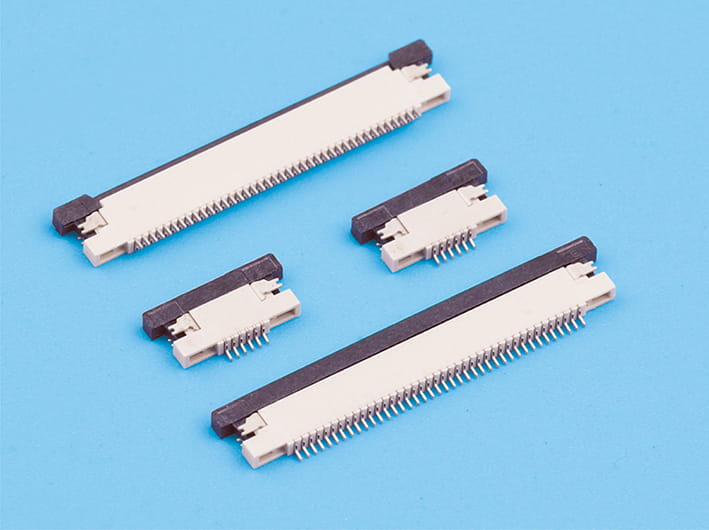
0.5mm pitch 1.2mm height fpc flat flexible cable connector, zif r/a down contact, for electronics and pcb boards
-
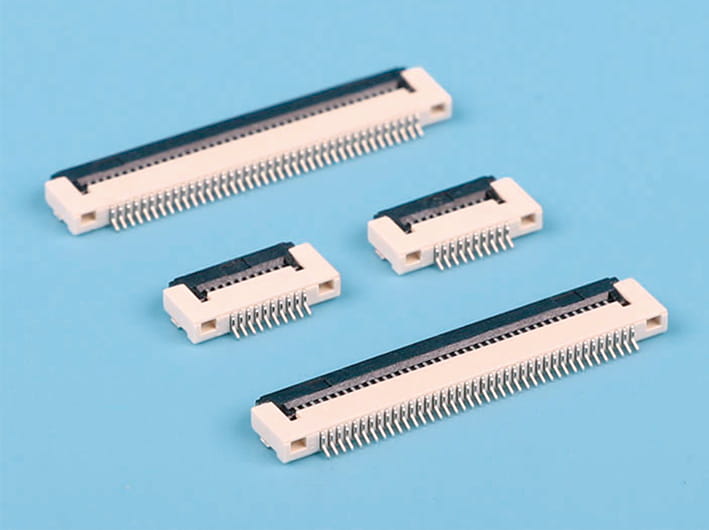
High-quality 0.5mm pitch 1.5mm height easy-on flat flexible cable fpc connector, horizontal type, locking-style, for pcb circuit board
-
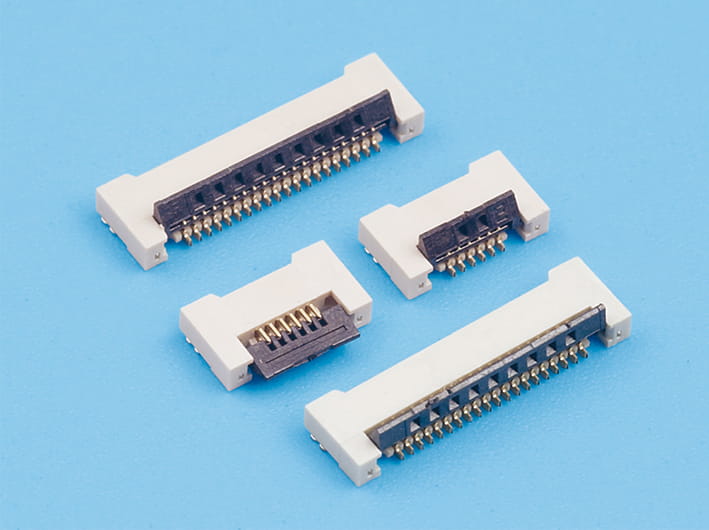
0.5mm pitch 1.5mm height back flip fpc flat connectors, zif slide type, flexible printed circuit cable connectors, horizontal contact
-
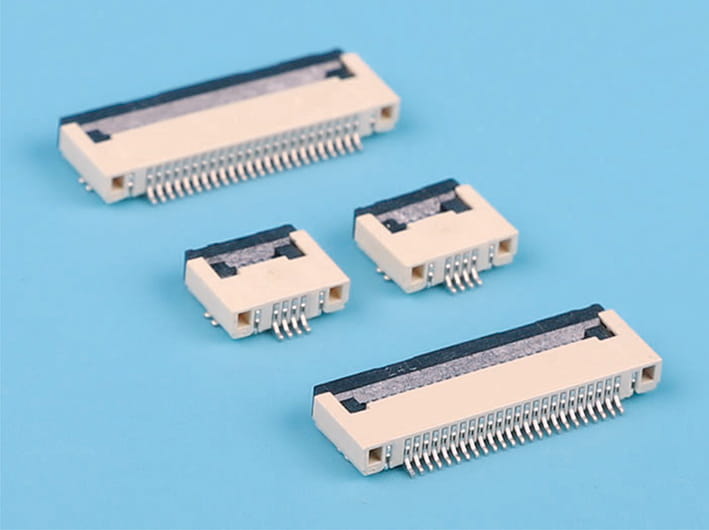
0.5mm pitch easy-on fpc flat ribbon connector, 2.0mm height, locking zif slide type, horizontal contact, flexible printed circuit board connector
-
0.5mm pitch 2.0mm height, easy-on r/a with buckle fpc flat connectors, high-density integration flexible printed circuit board connectors
-
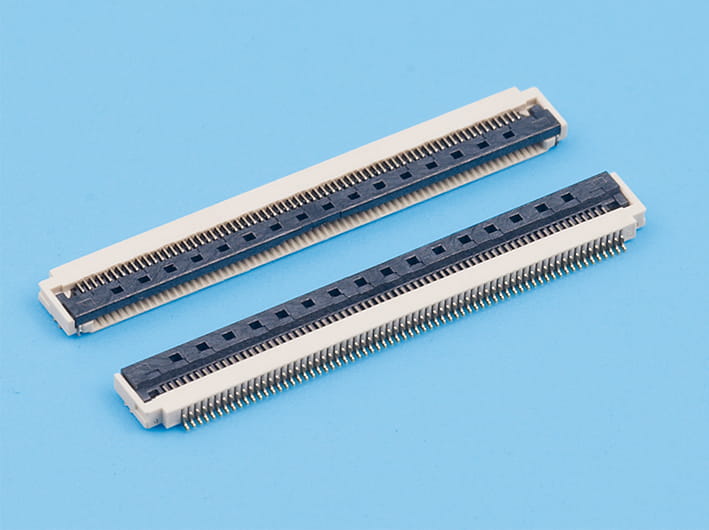
0.5mm Pitch, 2.0mm Height, Hinged Cover, Horizontal Mounting, Large Solder Pads
-

0.5mm pitch 2.0mm height back flip fpc flat connectors, horizontal insert, locking type, zif slide, pcb mount
-
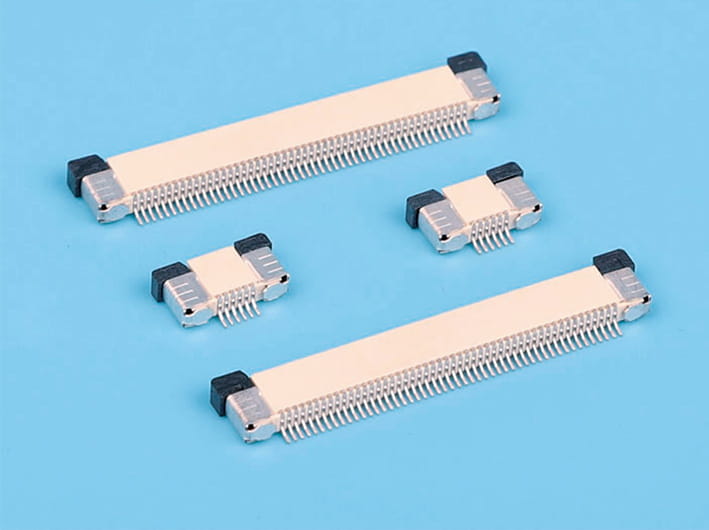
0.5mm Pitch, Ultra-Thin 2.0mm Horizontal FPC Connector (Pull-Out Locking Type, Top Contact Type)
-
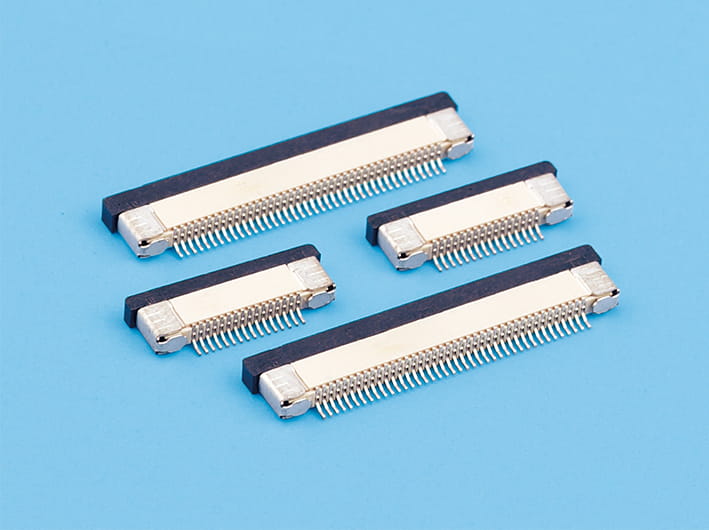
0.5mm Pitch, Ultra-Thin 2.0mm Horizontal FPC Connector (Pull-Out Locking Type, Bottom Contact Type)
-
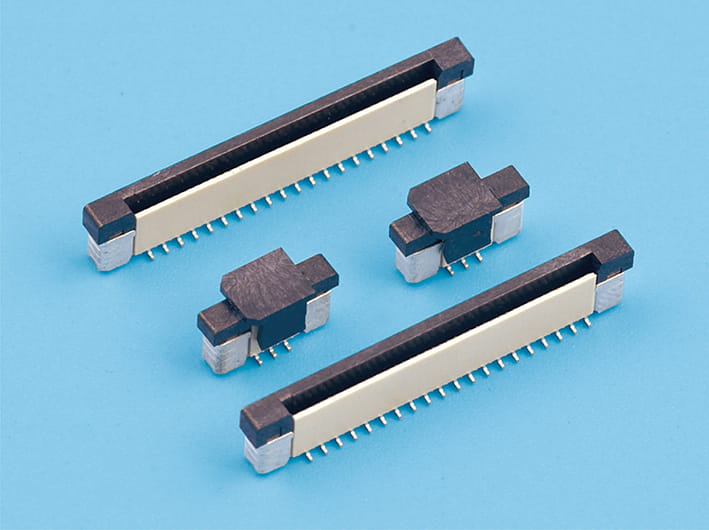
0.5mm pitch 4.5mm height fpc flat cable connector, zif s/t reversed pointer, locking slide
-
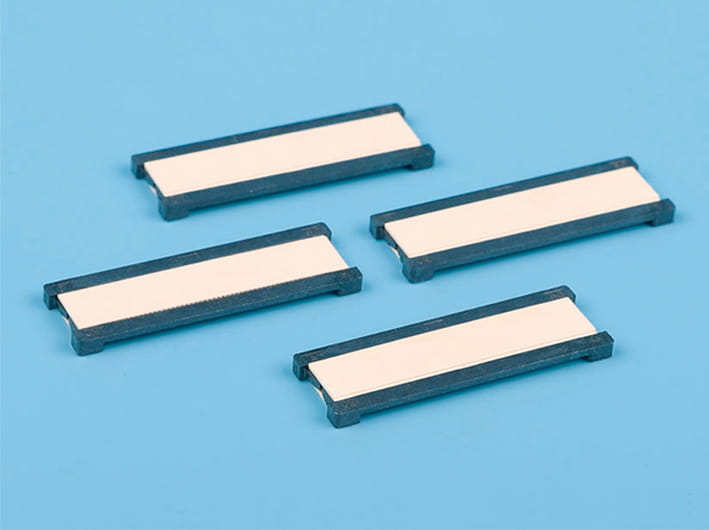
Double-side drawing fpc flat connector, 0.5mm pitch, 2.0mm/2.5mm height, flip type, for flexible cable, pcb mountable
CONTACT INFORMATION
-
Mr.Zhou(Sales manager)
Tel:+86(0)577-62369959
Tel:+86(0)577-62378959
MP:+86-13570877599
E-mail:[email protected]
Wechat:+86-13570877599
PRODUCT LINKS

Copyright © Zhejiang Wenda Electronics Co., Ltd. All Rights Reserved

Custom Electronic Connectors Manufacturer
