


 English
 中文简体
中文简体 Español
 عربى
عربىOxidation Resistance of WTB Wire to Board Connector
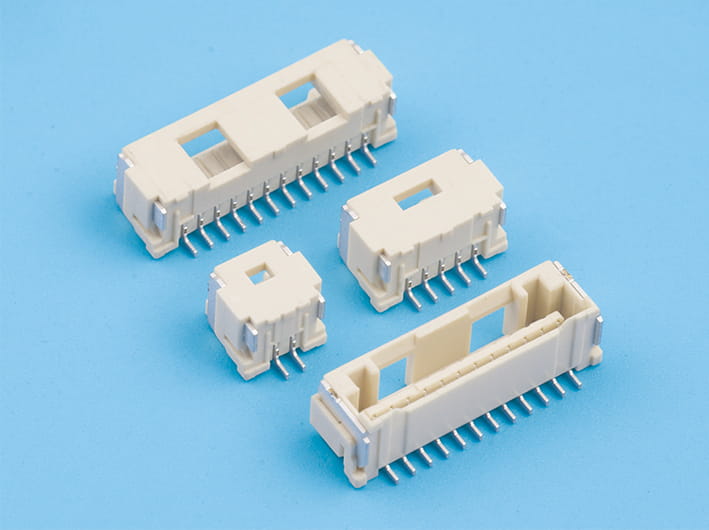
Definition and Purpose: WTB Wire to Board Connector is an electrical component designed to connect individual wires directly to printed circuit boards (PCBs).
Applications: Widely used in consumer electronics, automotive systems, industrial machinery, and communication equipment.
Importance of Oxidation Resistance:
- Connectors are often exposed to air, moisture, and environmental contaminants.
- Oxidation on contact surfaces can increase resistance, reduce signal quality, and eventually cause connection failure.
Material Selection for Oxidation Resistance
Conductor Materials:
- Copper is the standard material due to its high conductivity, but it is prone to oxidation.
- Alloying copper with elements such as tin or nickel improves corrosion resistance.
Surface Plating:
- Gold plating provides good oxidation resistance and stable electrical contact.
- Tin plating is a cost-effective alternative, offering moderate protection but may degrade faster in harsh environments.
- Silver plating has high conductivity but can tarnish over time, reducing performance.
Insulation Material:
- Polyamide, polyester, and PBT plastics resist moisture penetration, indirectly reducing oxidation risk at the metal contacts.
Contact Design Considerations
Contact Geometry:
- Spring-loaded or compliant contacts maintain firm pressure on the mating surface, ensuring consistent electrical contact even if minor oxidation occurs.
- Rounded or convex contact surfaces reduce localized corrosion by reducing air pockets.
Retention Force:
- Adequate insertion and retention force prevent micro-gaps where moisture or contaminants could accumulate.
- Higher contact pressure ensures low contact resistance over long-term use.
Shielding and Sealing:
- Partial sealing of contacts can reduce exposure to oxygen and corrosive agents.
- Environmental gaskets or overmolding protect the connector in harsh conditions.
Environmental Factors Affecting Oxidation
Humidity and Moisture:
Water molecules accelerate the oxidation of exposed metals.
Connectors in high-humidity environments must have corrosion-resistant plating and protective coatings.
Temperature Effects:
High operating temperatures can accelerate oxidation and diffusion of plating materials.
Thermal cycling may cause micro-cracks in the plating layer, exposing base metals to corrosion.
Chemical Exposure:
Industrial environments may contain sulfur, chlorine, or other corrosive gases.
Protective coatings or gold plating reduce chemical attack on the contact surfaces.
Testing for Oxidation Resistance
1. Salt Spray (Fog) Testing:
Simulates exposure to saline environments to evaluate corrosion resistance.
WTB Wire to Board Connectors with gold or tin plating typically withstand prolonged salt spray exposure.
2. Humidity Chamber Testing:
Evaluates performance under high humidity and elevated temperatures.
Monitors changes in contact resistance over time to predict long-term reliability.
3. Electrical Performance Monitoring:
Contact resistance is measured before and after environmental tests.
Low and stable resistance indicates effective oxidation resistance.
Practical Applications and Benefits
Automotive Systems:
- Connectors in engines, sensors, and infotainment systems face temperature extremes and humidity.
- Oxidation-resistant WTB connectors maintain signal integrity and reliability.
Industrial Equipment:
- Harsh factory environments with chemical exposure demand corrosion-resistant connectors.
- Reliable WTB connectors reduce maintenance and downtime.
Consumer Electronics:
- Devices such as computers, appliances, and smart home devices benefit from longer service life with oxidation-resistant contacts.
- Prevents performance degradation caused by minor environmental exposure.
Advantages and Limitations
Advantages:
- Prolonged service life and reliable electrical connections.
- Reduced maintenance and replacement costs.
- Suitable for diverse environmental conditions, including high humidity and mild chemical exposure.
Limitations:
- High-performance plating (e.g., gold) increases production cost.
- Extreme environments with aggressive chemicals or prolonged immersion may still cause oxidation over time.
- Repeated mating cycles can wear down protective plating, exposing base metals.
- WTB Wire to Board Connector demonstrates strong oxidation resistance when designed with proper material selection, surface plating, and protective features.
- Environmental exposure, including humidity, temperature, and chemical agents, must be considered when selecting connectors for specific applications.
- Testing, such as salt spray, humidity, and contact resistance measurement, ensures long-term reliability.
By combining mechanical design, protective plating, and environmental considerations, engineers can optimize WTB Wire to Board Connectors to maintain reliable electrical performance and prevent oxidation-related failures.
Related Products
-
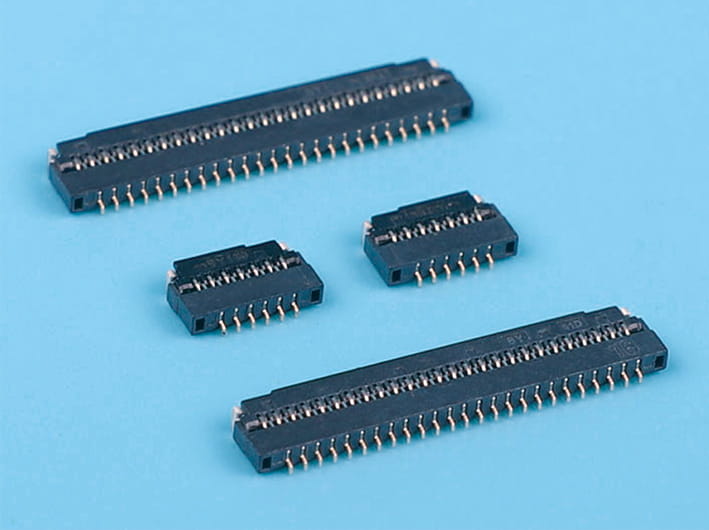
Easy-on fpc flat ribbon connector, 0.3mm pitch, 1.0mm height, flexible printed circuit connector, horizontal smt type
-

Back flip fpc flat flexible cable connector, 0.3mm pitch, 1.0mm height, bottom contact type for pcb board connections
-
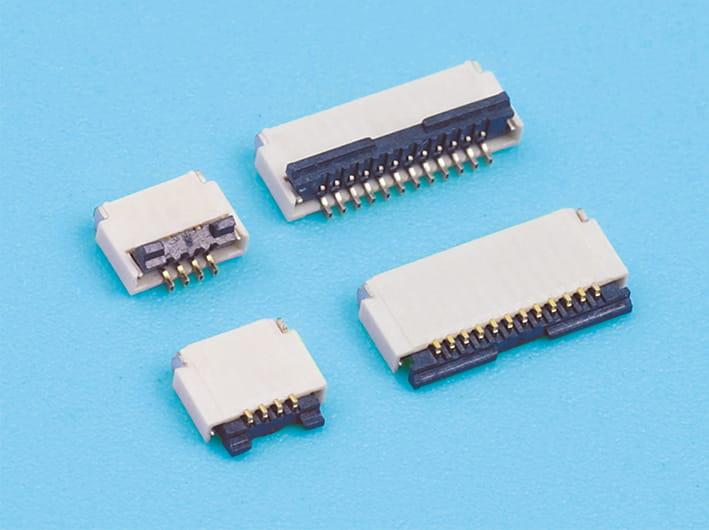
Back flip micro fpc flat cable connector, 0.5mm pitch, 1.0mm height, compact design, white, for data, signal transfer applications
-
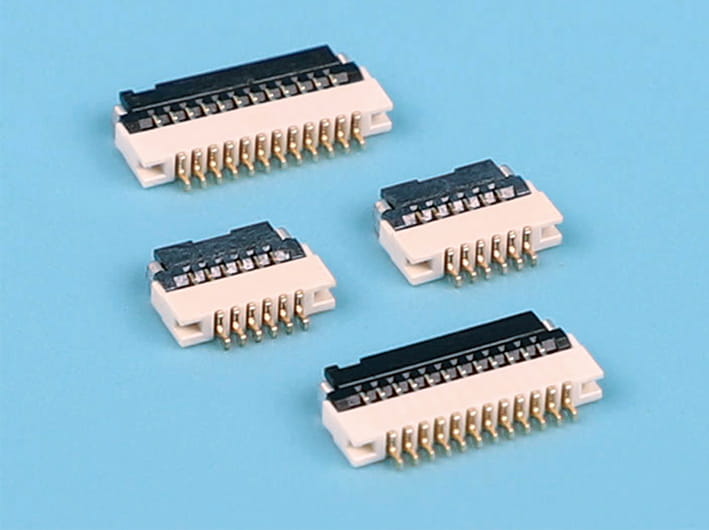
0.5mm Pitch, 1.0mm Height, Flip-Type Horizontal FPC Connector
-
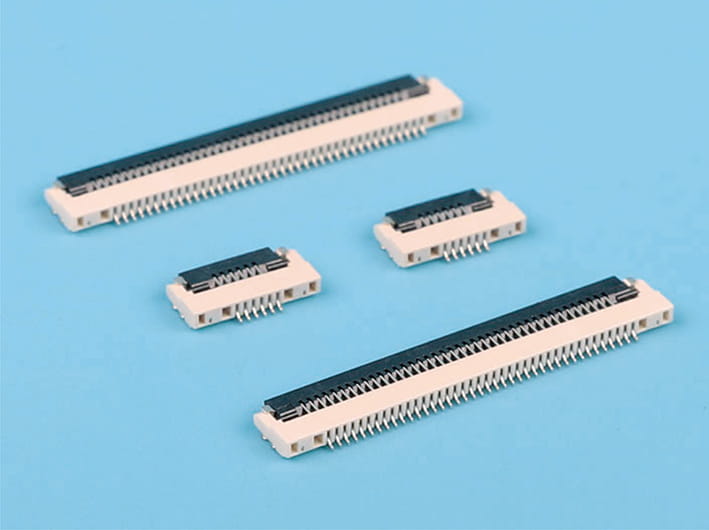
0.5mm pitch 1.2mm fpc flat cable connectors, horizontal smt type, flexible printed circuit connectors, secure locking
-
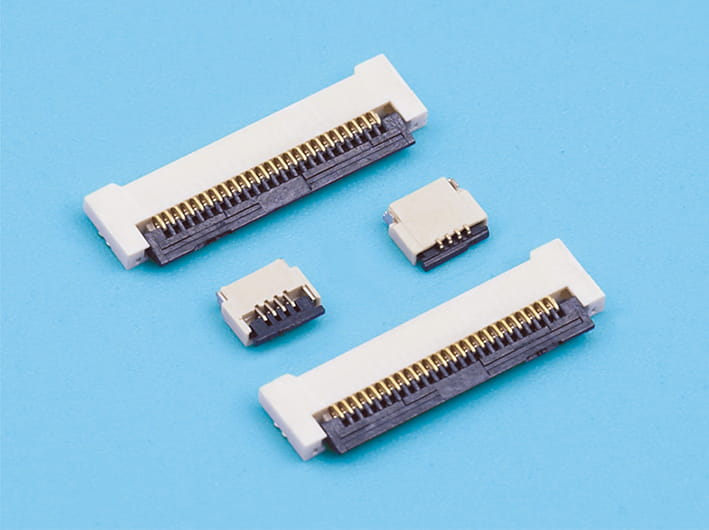
0.5mm Pitch, 1.2mm Height, Rear-Entry Horizontal FPC Connector
-
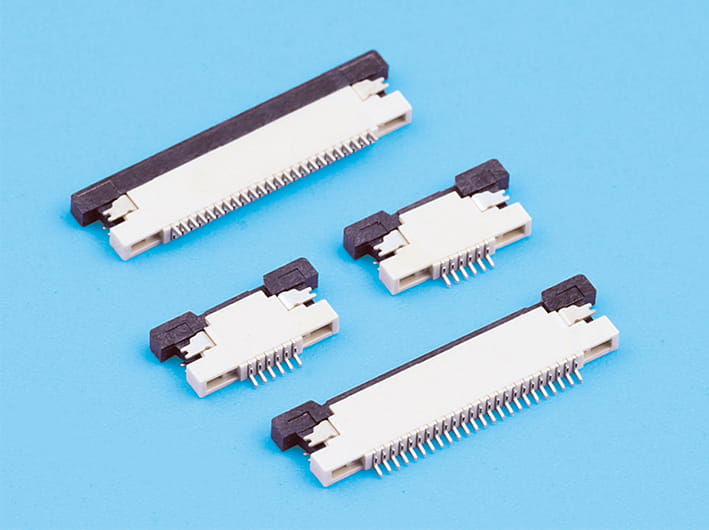
0.5mm pitch 1.2mm height fpc flat cable connector, zif r/a upper contact, locking slider, high-density integration, durable, for flexible printed circuits
-
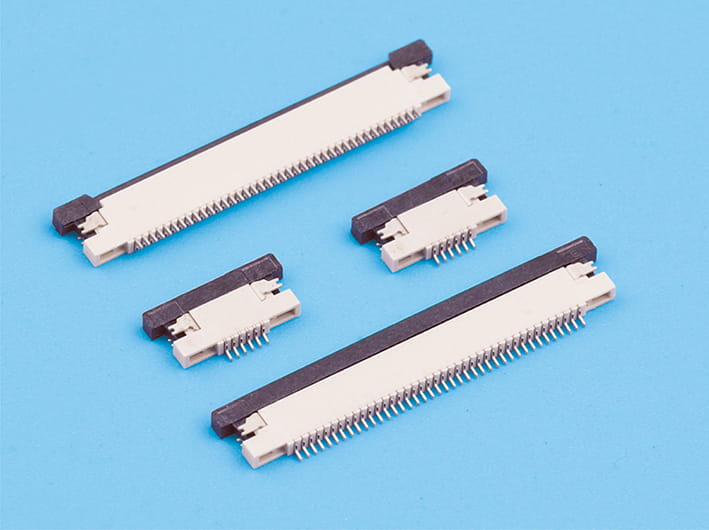
0.5mm pitch 1.2mm height fpc flat flexible cable connector, zif r/a down contact, for electronics and pcb boards
-
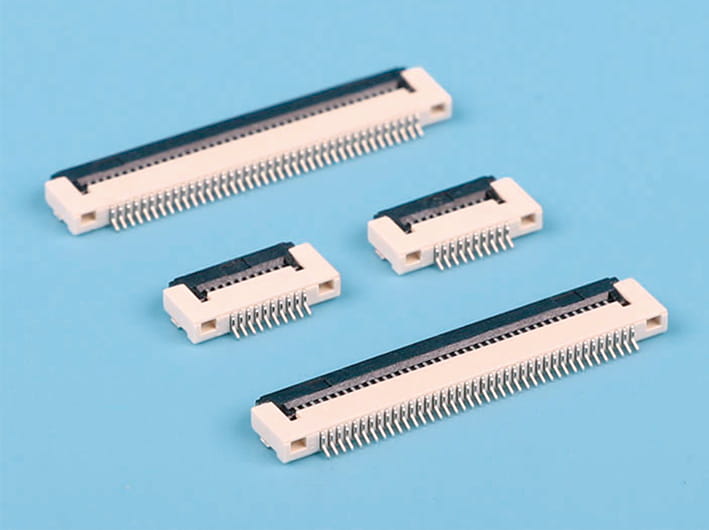
High-quality 0.5mm pitch 1.5mm height easy-on flat flexible cable fpc connector, horizontal type, locking-style, for pcb circuit board
-
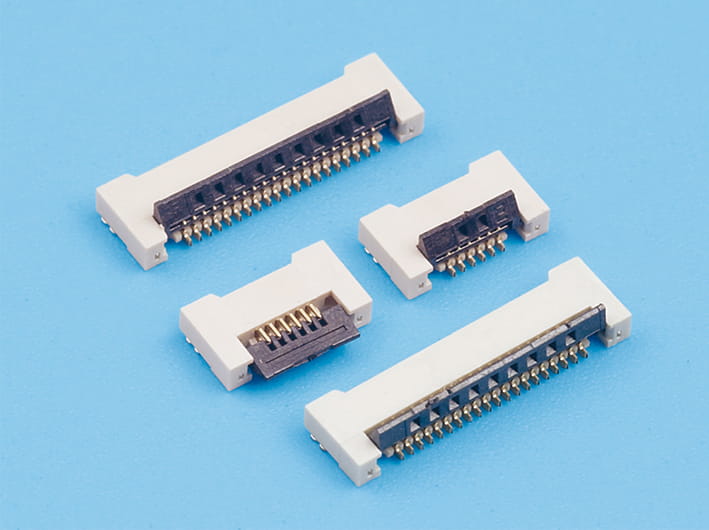
0.5mm pitch 1.5mm height back flip fpc flat connectors, zif slide type, flexible printed circuit cable connectors, horizontal contact
-
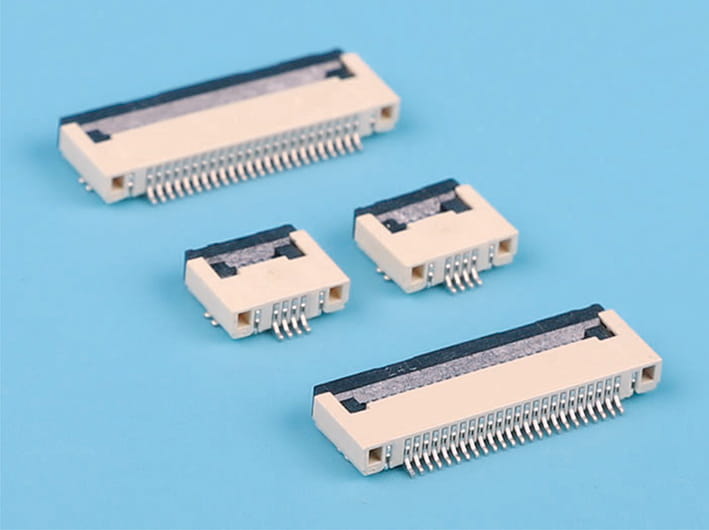
0.5mm pitch easy-on fpc flat ribbon connector, 2.0mm height, locking zif slide type, horizontal contact, flexible printed circuit board connector
-
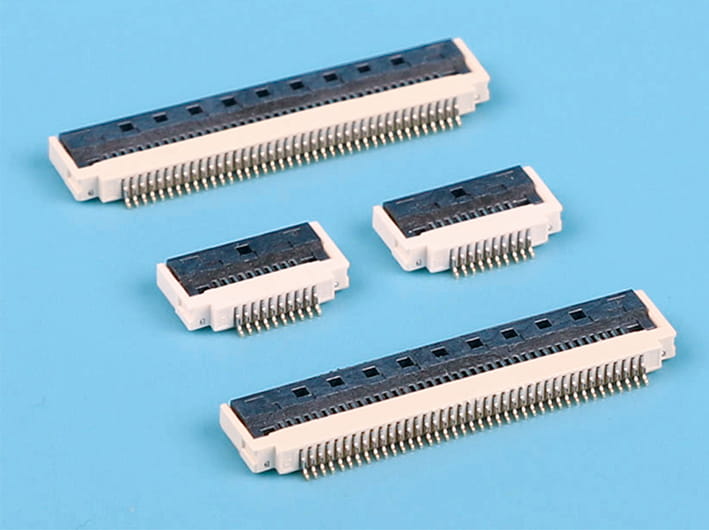
0.5mm pitch 2.0mm height, easy-on r/a with buckle fpc flat connectors, high-density integration flexible printed circuit board connectors
-
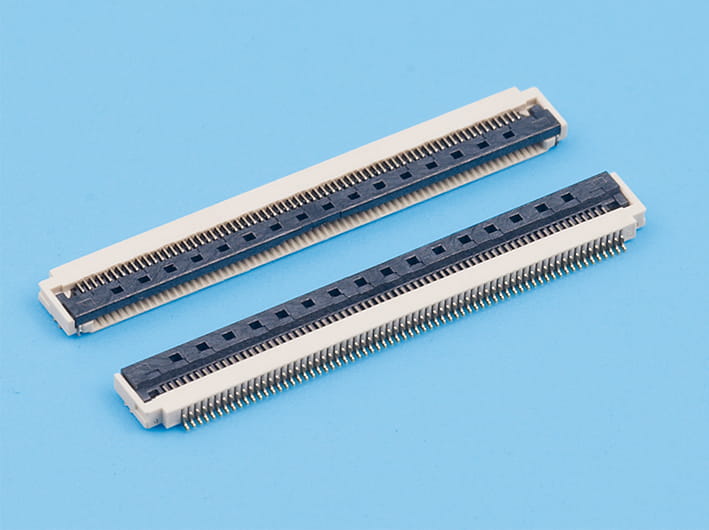
0.5mm Pitch, 2.0mm Height, Hinged Cover, Horizontal Mounting, Large Solder Pads
-

0.5mm pitch 2.0mm height back flip fpc flat connectors, horizontal insert, locking type, zif slide, pcb mount
-
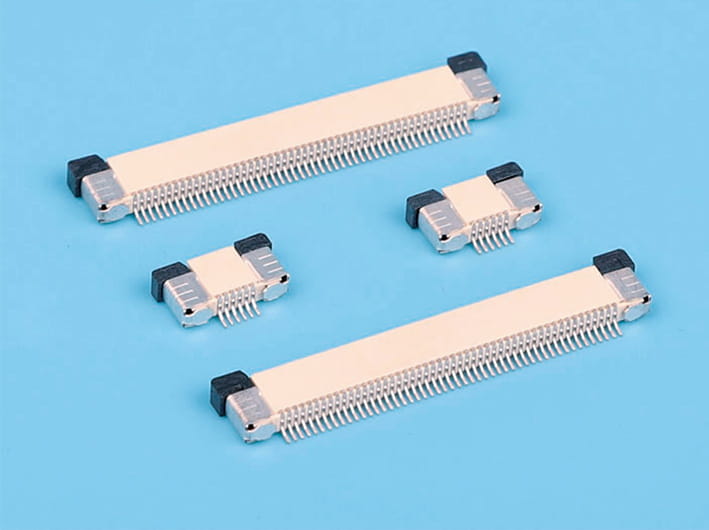
0.5mm Pitch, Ultra-Thin 2.0mm Horizontal FPC Connector (Pull-Out Locking Type, Top Contact Type)
-
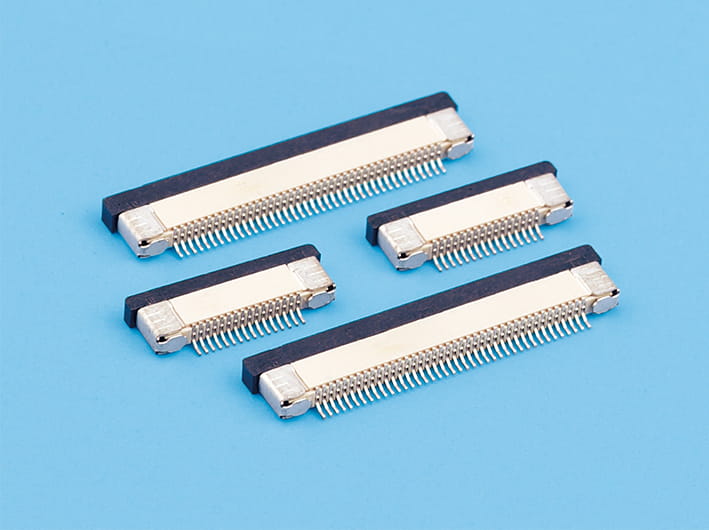
0.5mm Pitch, Ultra-Thin 2.0mm Horizontal FPC Connector (Pull-Out Locking Type, Bottom Contact Type)
-
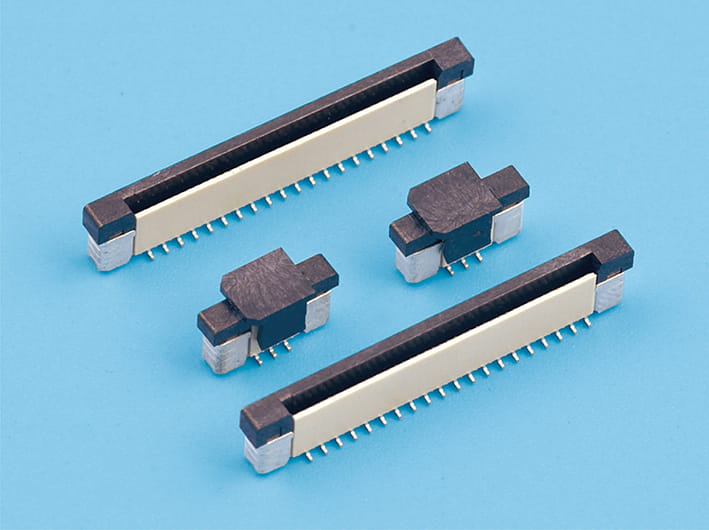
0.5mm pitch 4.5mm height fpc flat cable connector, zif s/t reversed pointer, locking slide
-
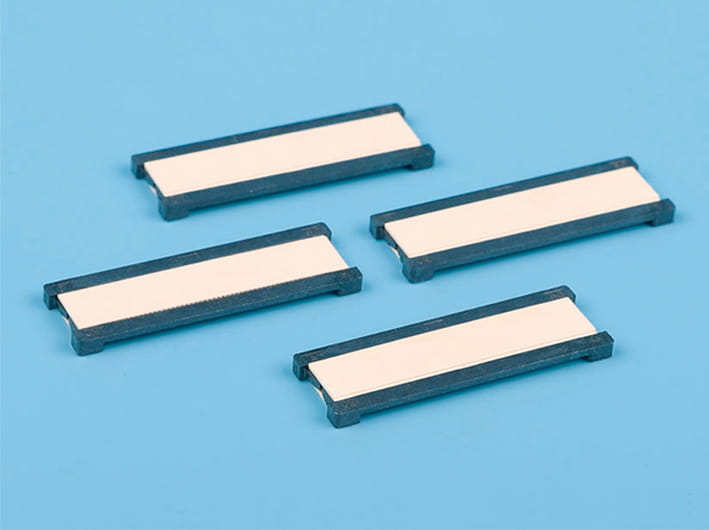
Double-side drawing fpc flat connector, 0.5mm pitch, 2.0mm/2.5mm height, flip type, for flexible cable, pcb mountable
CONTACT INFORMATION
-
Mr.Zhou(Sales manager)
Tel:+86(0)577-62369959
Tel:+86(0)577-62378959
MP:+86-13570877599
E-mail:[email protected]
Wechat:+86-13570877599
PRODUCT LINKS

Copyright © Zhejiang Wenda Electronics Co., Ltd. All Rights Reserved

Custom Electronic Connectors Manufacturer
