


 English
 中文简体
中文简体 Español
 عربى
عربىEvaluating BTB Connector Performance Under Vibration Stress
Introduction to BTB Connector
Definition and Purpose: A BTB Connector (Board-to-Board connector) is a high-density electrical connector designed to link two printed circuit boards (PCBs) directly without cable harnesses.
Common Applications: Widely used in industrial electronics, automotive electronics, consumer devices, and communication equipment.
Importance of Mechanical Reliability: In high-performance and mobile systems, connectors must withstand vibrations and shocks to ensure consistent electrical connections.
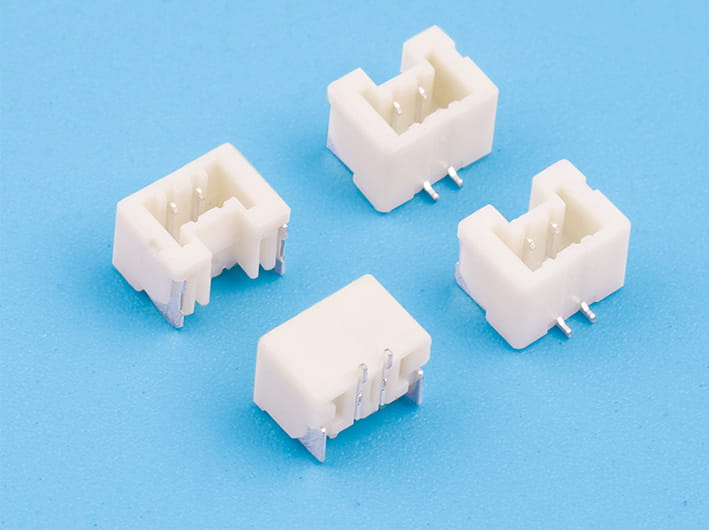
BTB Connector Structural Design and Mechanical Strength
Pin and Socket Construction:
- High-reliability BTB connectors use multiple precision pins and sockets arranged in a compact format.
- The design allows for a secure mating that resists loosening under moderate vibration.
Housing Material:
- Insulating materials such as LCP (Liquid Crystal Polymer) or reinforced plastics provide durability.
- High-strength materials improve resistance to mechanical shock and deformation.
Locking Mechanisms:
- Some BTB Connectors incorporate latch or friction-fit designs.
- These features enhance retention force, preventing accidental disengagement during vibration or impact.
Vibration Resistance Performance
Mechanical Testing Standards:
- BTB Connectors are often tested according to IEC 60068-2-6 or similar vibration standards.
- Tests simulate harmonic, sinusoidal, and random vibrations that devices may experience during operation.
Factors Influencing Vibration Resistance:
- Pin Density and Size: Denser connectors may better distribute mechanical stress.
- Connector Length: Shorter board-to-board connectors exhibit lower physical leverage, making them less prone to bending, warping, and flexing under high-frequency vibration.
- Mating Force: Proper insertion depth ensures pins remain engaged even under high-frequency vibrations.
Failure Modes:
- Repeated vibration may cause contact wear or intermittent connectivity if the design is insufficient.
- Using reinforced pins and precise tolerances reduces these risks.
Mechanical Shock Resistance
1. Shock Testing Standards:
- BTB Connectors are evaluated under IEC 60068-2-27 or MIL-STD-202 for mechanical shocks.
- Testing simulates sudden drops, impacts, or acceleration forces during transport or operation.
2. Design Considerations:
- Housing Rigidity: Stiffer housings absorb and distribute impact energy.
- Contact Retention: Springs or compliant contacts maintain electrical continuity even under sudden forces.
- PCB Mounting: Surface-mount or through-hole soldering techniques enhance connector stability on the board.
3. Impact on Electrical Performance:
- Properly designed BTB Connectors maintain low contact resistance and signal integrity during and after shocks.
- High-quality materials prevent micro-cracks or deformation that could cause failures.
Environmental Factors Affecting BTB Connector Durability
Temperature Effects:
Thermal expansion and contraction can influence the connector’s resistance to vibration.
High-temperature-rated materials reduce the risk of loosening or material fatigue.
Humidity and Contamination:
Dust, moisture, or corrosive environments may reduce mechanical and electrical reliability.
Sealed or coated connectors improve performance under harsh conditions.
Repeated Mating Cycles:
Connectors must maintain vibration and shock resistance even after multiple insertions and removals.
Using high-quality plating (gold or tin) on contacts improves durability over repeated use.
Applications Where Vibration and Shock Are Critical
Automotive Electronics:
- Vehicles experience continuous road vibration and harsh mechanical shocks.
- Automotive BTB connectors used in engine control units (ECU), infotainment, battery management systems (BMS), and ADAS modules must meet strict vibration resistance standards to ensure uninterrupted power and data transmission.
Industrial Machinery:
- Heavy equipment generates vibration during operation.
- Reliable connectors prevent downtime due to intermittent connections.
Consumer Electronics:
- Portable devices like laptops or handheld tools can drop or experience shocks.
- Compact BTB Connectors maintain signal integrity while decreasing mechanical failures.
- In conclusion, a properly engineered BTB connector (Board-to-Board connector) offers exceptional stability and signal integrity in environments subject to continuous vibration and mechanical shocks.
- Factors such as housing material, pin retention, connector length, and mating force significantly influence durability.
- Environmental conditions and operational stress must also be considered to ensure long-term reliability.
As electronic devices continue to become more compact and mobile, selecting high-performance BTB connectors with verified vibration and shock resistance is essential for long-term product reliability.
Explore our full range of durable Board-to-Board (BTB) Connectors or contact Wenda Electronics engineering team for customized interconnect solutions.
Related Products
-
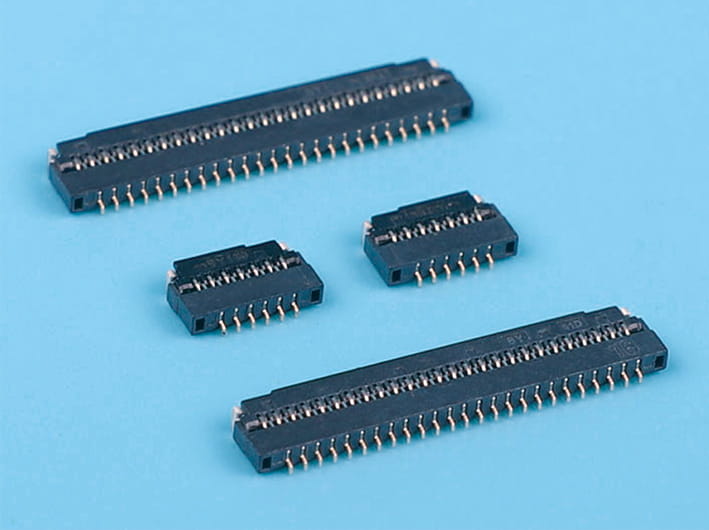
Easy-on fpc flat ribbon connector, 0.3mm pitch, 1.0mm height, flexible printed circuit connector, horizontal smt type
-

Back flip fpc flat flexible cable connector, 0.3mm pitch, 1.0mm height, bottom contact type for pcb board connections
-
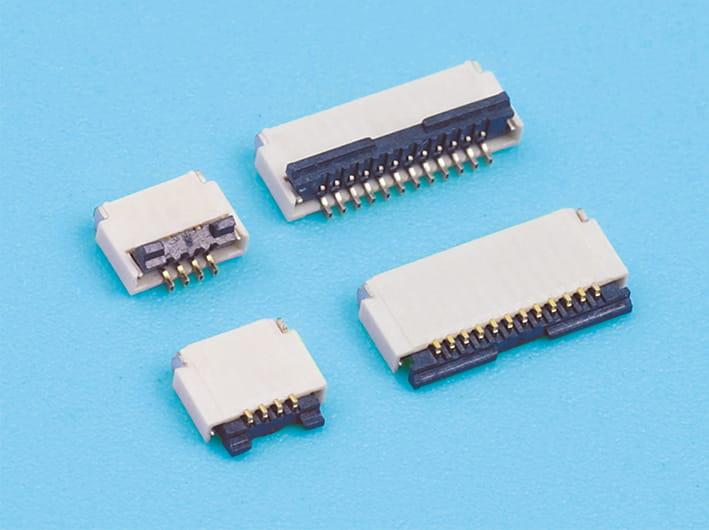
Back flip micro fpc flat cable connector, 0.5mm pitch, 1.0mm height, compact design, white, for data, signal transfer applications
-
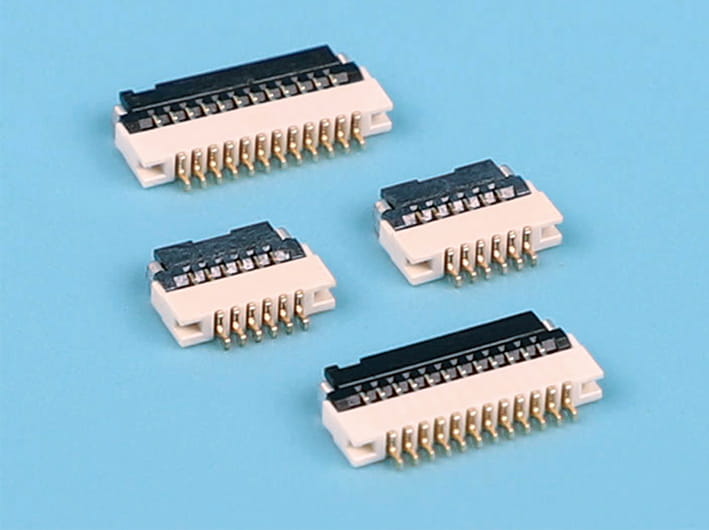
0.5mm Pitch, 1.0mm Height, Flip-Type Horizontal FPC Connector
-
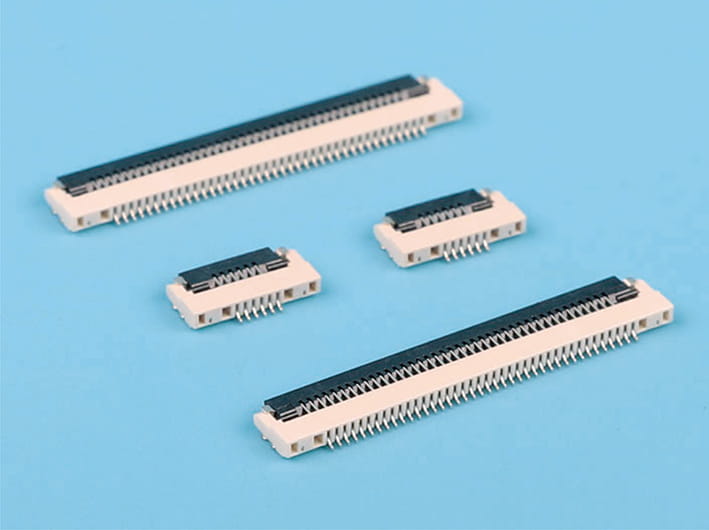
0.5mm pitch 1.2mm fpc flat cable connectors, horizontal smt type, flexible printed circuit connectors, secure locking
-
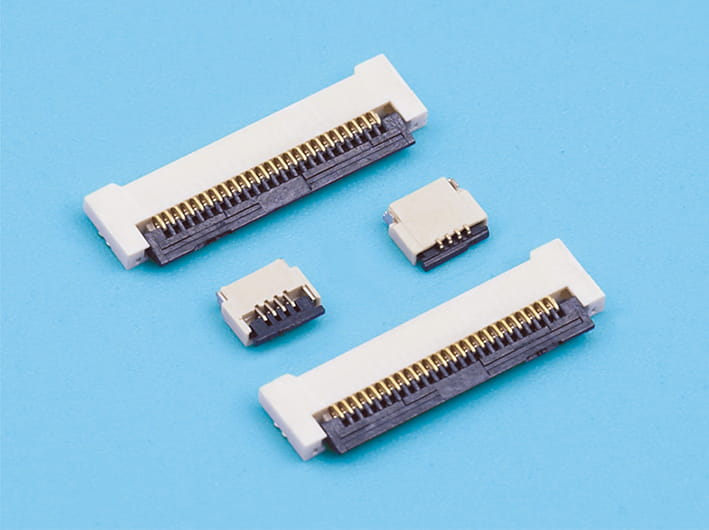
0.5mm Pitch, 1.2mm Height, Rear-Entry Horizontal FPC Connector
-
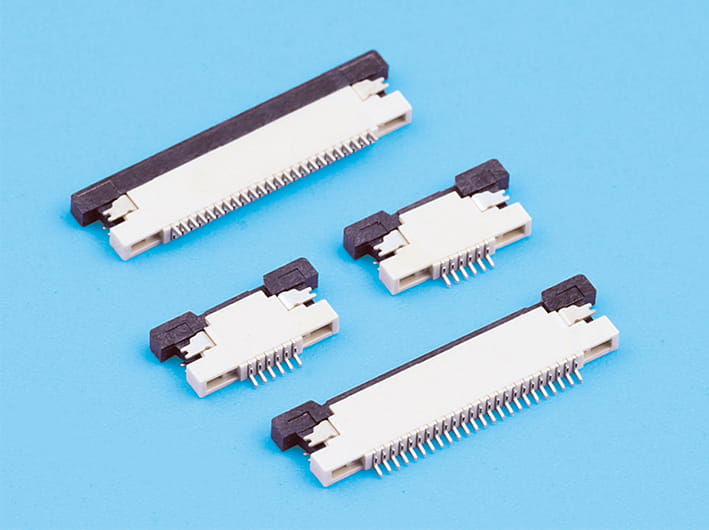
0.5mm pitch 1.2mm height fpc flat cable connector, zif r/a upper contact, locking slider, high-density integration, durable, for flexible printed circuits
-
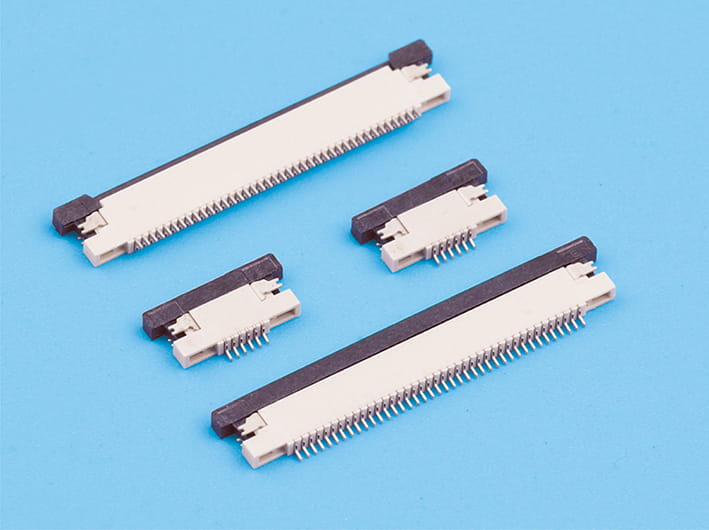
0.5mm pitch 1.2mm height fpc flat flexible cable connector, zif r/a down contact, for electronics and pcb boards
-
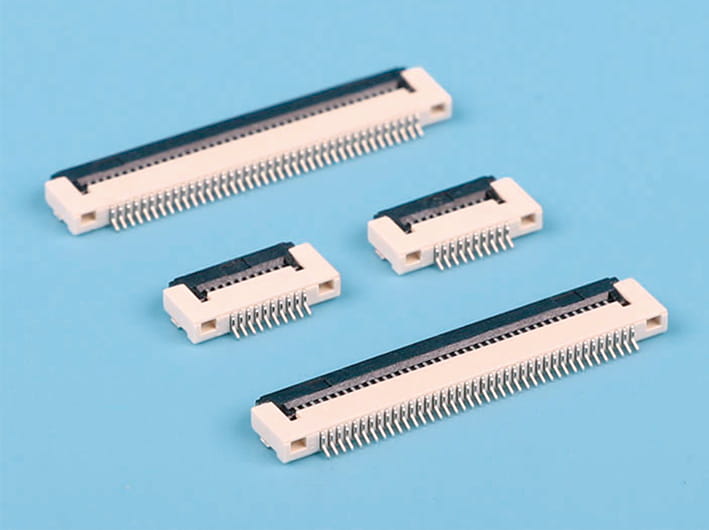
High-quality 0.5mm pitch 1.5mm height easy-on flat flexible cable fpc connector, horizontal type, locking-style, for pcb circuit board
-
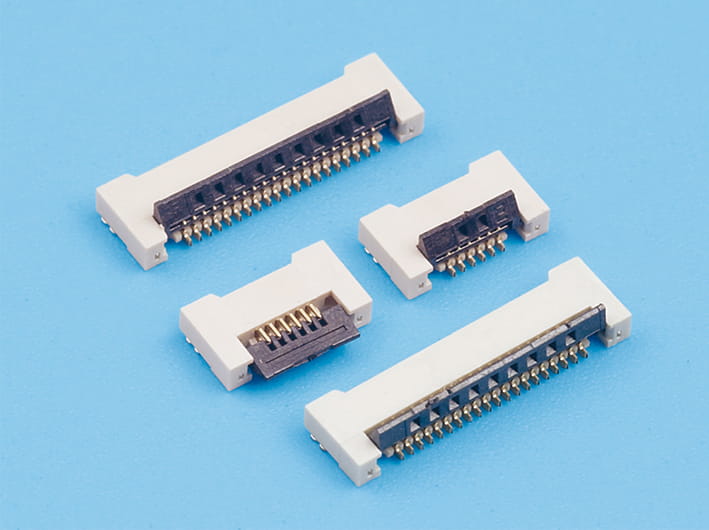
0.5mm pitch 1.5mm height back flip fpc flat connectors, zif slide type, flexible printed circuit cable connectors, horizontal contact
-
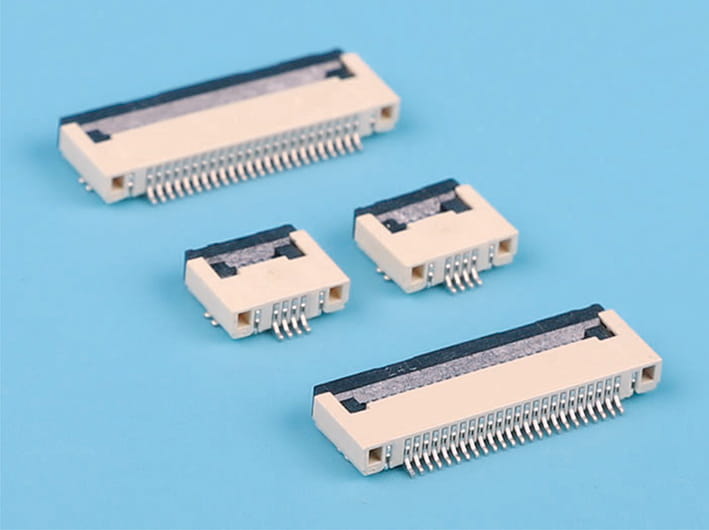
0.5mm pitch easy-on fpc flat ribbon connector, 2.0mm height, locking zif slide type, horizontal contact, flexible printed circuit board connector
-
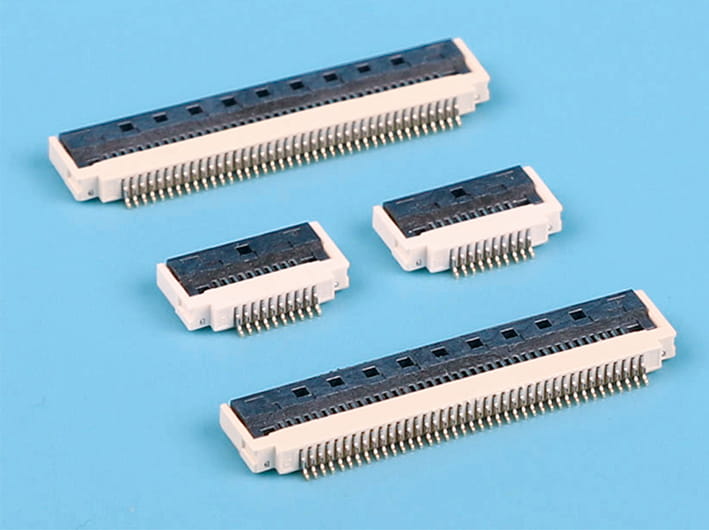
0.5mm pitch 2.0mm height, easy-on r/a with buckle fpc flat connectors, high-density integration flexible printed circuit board connectors
-
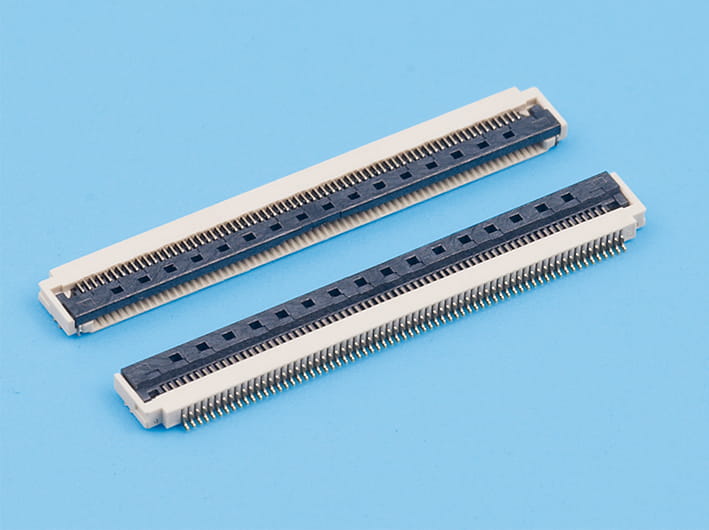
0.5mm Pitch, 2.0mm Height, Hinged Cover, Horizontal Mounting, Large Solder Pads
-

0.5mm pitch 2.0mm height back flip fpc flat connectors, horizontal insert, locking type, zif slide, pcb mount
-
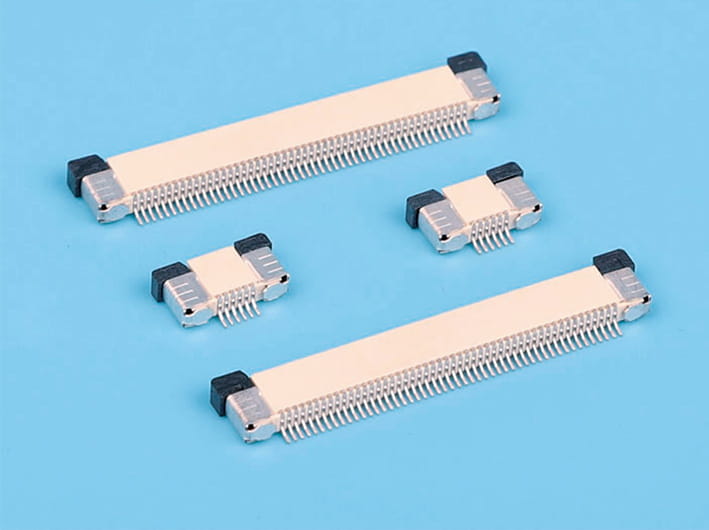
0.5mm Pitch, Ultra-Thin 2.0mm Horizontal FPC Connector (Pull-Out Locking Type, Top Contact Type)
-
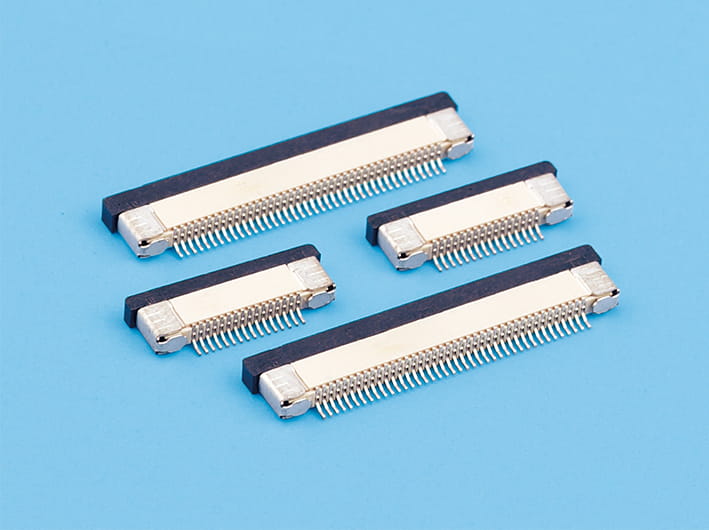
0.5mm Pitch, Ultra-Thin 2.0mm Horizontal FPC Connector (Pull-Out Locking Type, Bottom Contact Type)
-
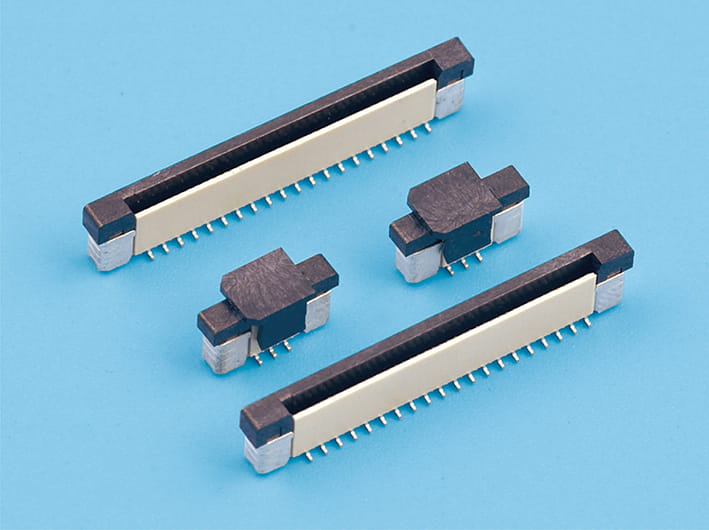
0.5mm pitch 4.5mm height fpc flat cable connector, zif s/t reversed pointer, locking slide
-
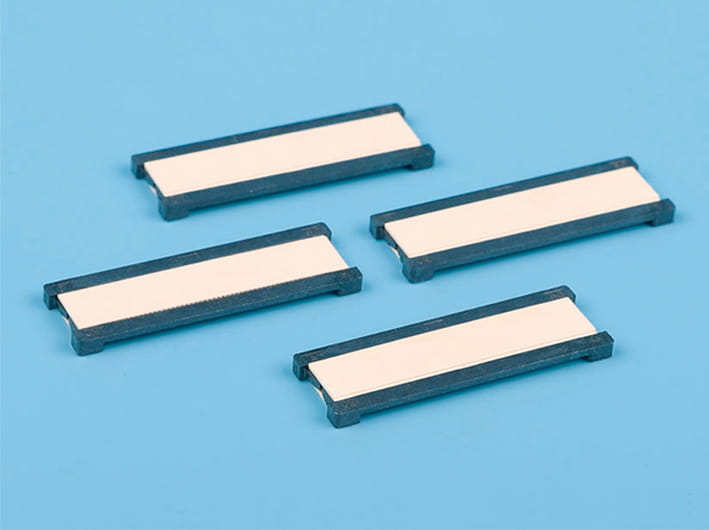
Double-side drawing fpc flat connector, 0.5mm pitch, 2.0mm/2.5mm height, flip type, for flexible cable, pcb mountable
CONTACT INFORMATION
-
Mr.Zhou(Sales manager)
Tel:+86(0)577-62369959
Tel:+86(0)577-62378959
MP:+86-13570877599
E-mail:[email protected]
Wechat:+86-13570877599
PRODUCT LINKS

Copyright © Zhejiang Wenda Electronics Co., Ltd. All Rights Reserved

Custom Electronic Connectors Manufacturer
