


 English
 中文简体
中文简体 Español
 عربى
عربىHigh-Frequency Performance Considerations of FFC Ribbon Cable
- Definition and Structure: FFC Ribbon Cable is composed of multiple flat, parallel conductors embedded in a thin, flexible insulating film.
- Primary Applications: Commonly used in laptops, smartphones, tablets, cameras, and other electronic devices where compact, flexible connections are required.
- Significance in High-Frequency Applications: As electronic systems operate at increasingly higher frequencies, understanding the electrical and mechanical behavior of FFC Ribbon Cable under such conditions is crucial for maintaining signal integrity.

Electrical Characteristics Impacting High-Frequency Signals
- Impedance Consistency:
Maintaining uniform impedance across the cable length reduces signal reflections.
Mismatched impedance at high frequencies can cause loss, ringing, and data errors.
- Crosstalk Considerations:
Closely spaced parallel conductors may induce interference between adjacent lines.
Proper conductor spacing and shielding reduce crosstalk in sensitive circuits.
- Capacitance and Inductance:
Flat geometry reduces inductance, which favors high-speed signal propagation.
However, capacitance between conductors may attenuate signals over longer cable runs.
Material Selection for High-Frequency Applications
Conductor Materials:
- Copper is standard due to good conductivity.
- Optional plating with gold or tin enhances contact reliability and reduces resistance at high frequencies.
Insulation and Dielectric Properties:
- Polyimide or polyester films are commonly used for insulation.
- Low dielectric constant materials reduce signal delay and loss, preserving high-frequency performance.
Temperature and Thermal Stability:
- High-frequency operation often increases thermal load.
- Materials must withstand thermal stress without deformation, ensuring stable performance.
Mechanical Design Considerations
Conductor Pitch and Width:
Narrow conductor widths and optimized spacing reduce parasitic capacitance and inductive effects.
Designers balance flexibility with electrical performance to achieve suitable results.
Cable Length Optimization:
Signal degradation becomes significant over long cable runs.
Shorter cable lengths reduce attenuation and maintain high-speed signal integrity.
Shielding and Grounding Techniques:
Incorporating ground lines or foil shielding can mitigate electromagnetic interference (EMI).
Proper grounding ensures high-frequency signals remain stable even in electrically noisy environments.
High-Frequency Testing and Performance Validation
- Insertion Loss Measurement:
Evaluates signal attenuation across the cable length.
Low insertion loss is critical to preserve high-speed signal transmission.
- Return Loss Analysis:
Determines the amount of signal reflected due to impedance mismatches.
Higher return loss values indicate better performance at high frequencies.
- Environmental Testing:
Thermal cycling, vibration, and humidity tests ensure reliable operation under real-world conditions.
Mechanical flexibility combined with electrical stability is essential for durable performance.
Practical Applications of High-Frequency FFC Ribbon Cable
Consumer Electronics:
- Devices such as laptops, tablets, and smartphones require FFC Ribbon Cable to connect displays, cameras, and other peripherals.
- High-frequency performance ensures fast data transfer and minimizes signal distortion.
Automotive Electronics:
- Advanced driver-assistance systems (ADAS) and infotainment rely on high-speed internal connections.
- FFC Ribbon Cable offers compact routing while maintaining signal fidelity under vibration and temperature variations.
Communication Equipment:
- Routers, switches, and high-speed networking devices require reliable internal cabling for data-intensive operations.
- FFC Ribbon Cable supports high-frequency signals while reducing space and weight requirements.
Advantages and Limitations
Advantages:
- Compact and lightweight design suitable for dense electronic assemblies.
- Flexibility allows bending and folding without damaging conductors.
- Lower inductance compared to round cables supports high-frequency signal propagation.
Limitations:
- Crosstalk and signal attenuation can become significant over longer lengths.
- Mechanical stress and repeated bending may degrade performance if not properly designed.
- Shielding and grounding requirements may increase complexity for high-speed applications.
- FFC Ribbon Cable exhibits strong performance in high-frequency applications when carefully designed and manufactured.
- Key factors such as material selection, conductor spacing, cable length, shielding, and grounding significantly influence performance.
- By balancing mechanical flexibility with electrical integrity, engineers can ensure reliable signal transmission in modern high-speed devices.
Related Products
-
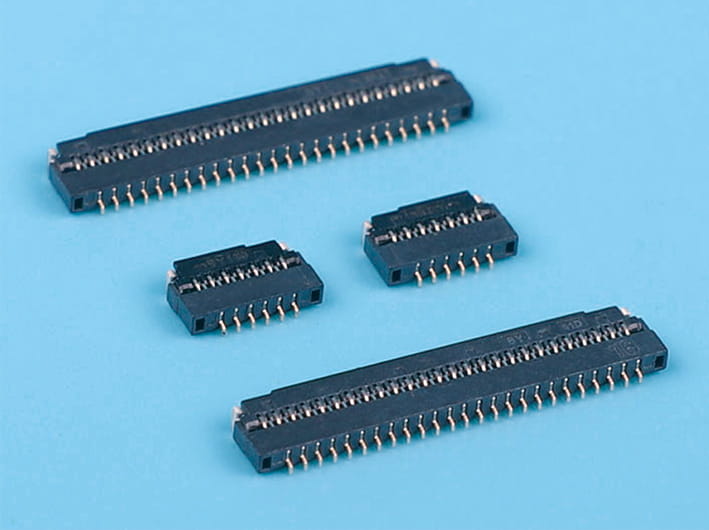
Easy-on fpc flat ribbon connector, 0.3mm pitch, 1.0mm height, flexible printed circuit connector, horizontal smt type
-

Back flip fpc flat flexible cable connector, 0.3mm pitch, 1.0mm height, bottom contact type for pcb board connections
-
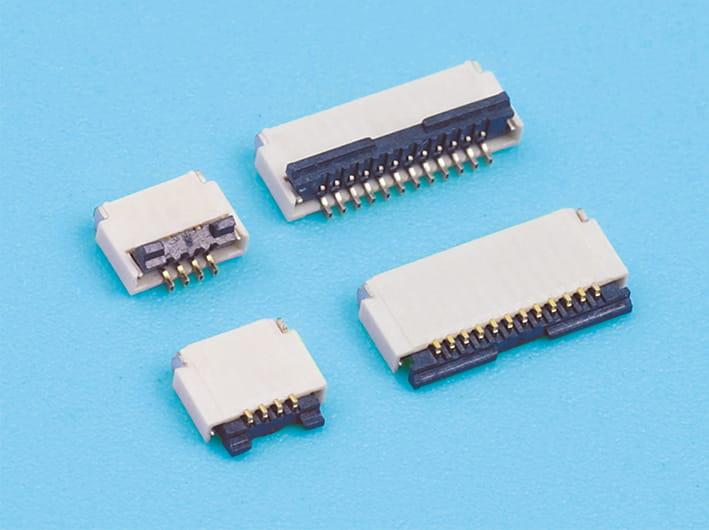
Back flip micro fpc flat cable connector, 0.5mm pitch, 1.0mm height, compact design, white, for data, signal transfer applications
-
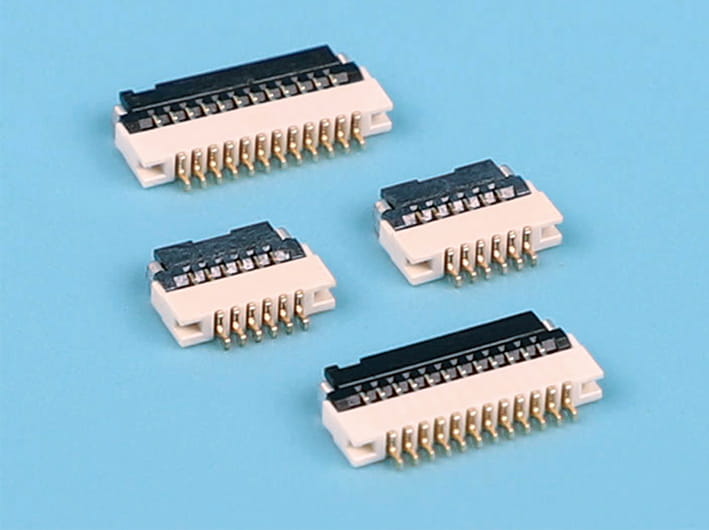
0.5mm Pitch, 1.0mm Height, Flip-Type Horizontal FPC Connector
-
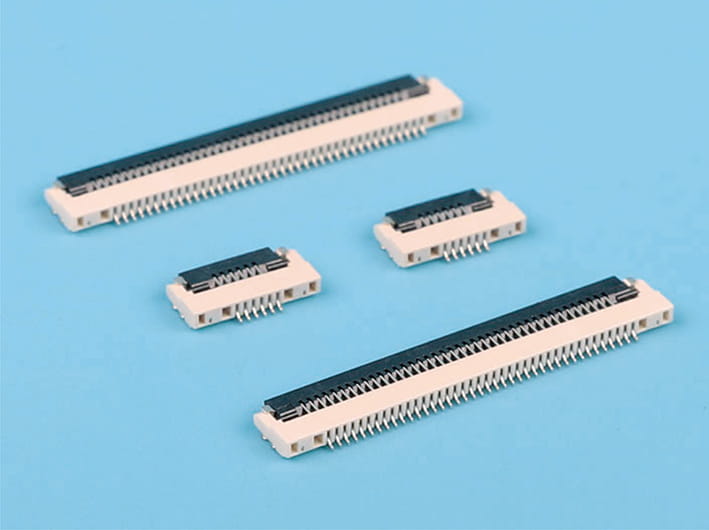
0.5mm pitch 1.2mm fpc flat cable connectors, horizontal smt type, flexible printed circuit connectors, secure locking
-
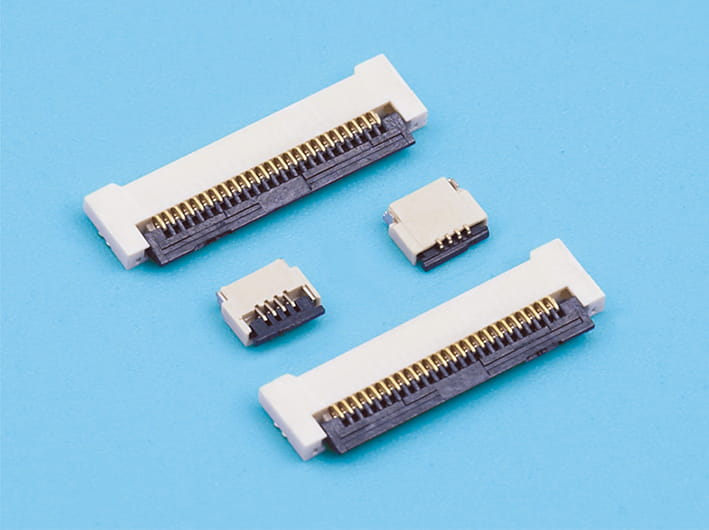
0.5mm Pitch, 1.2mm Height, Rear-Entry Horizontal FPC Connector
-
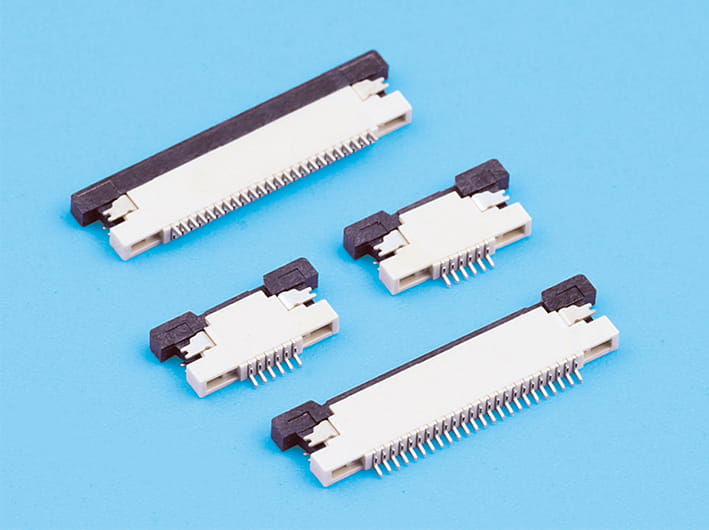
0.5mm pitch 1.2mm height fpc flat cable connector, zif r/a upper contact, locking slider, high-density integration, durable, for flexible printed circuits
-
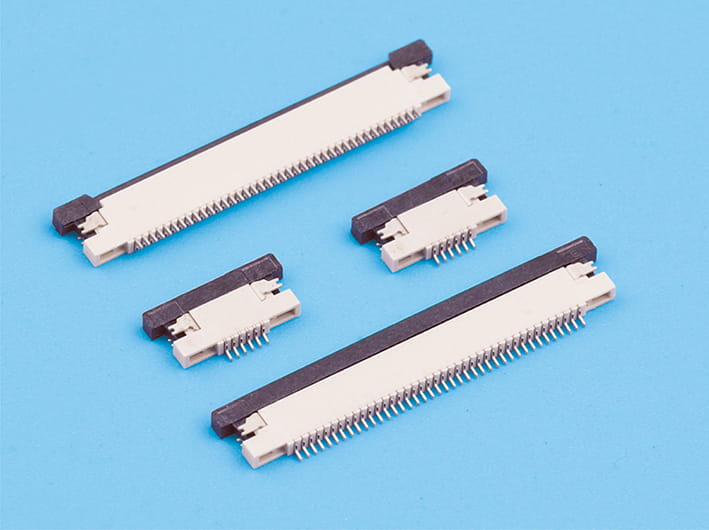
0.5mm pitch 1.2mm height fpc flat flexible cable connector, zif r/a down contact, for electronics and pcb boards
-
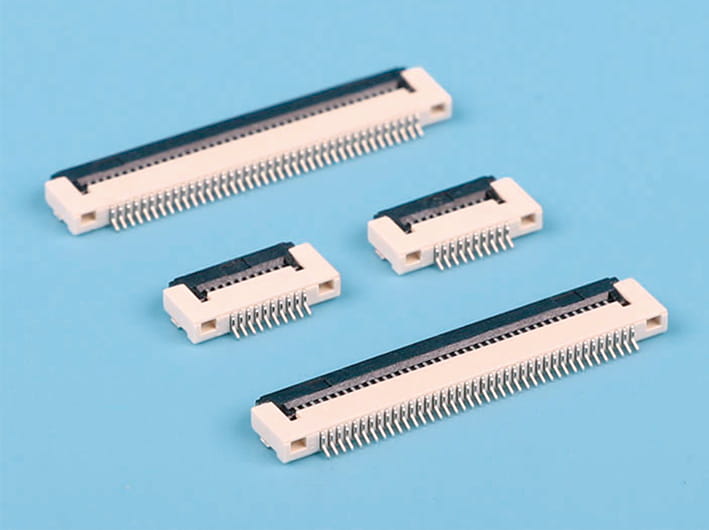
High-quality 0.5mm pitch 1.5mm height easy-on flat flexible cable fpc connector, horizontal type, locking-style, for pcb circuit board
-
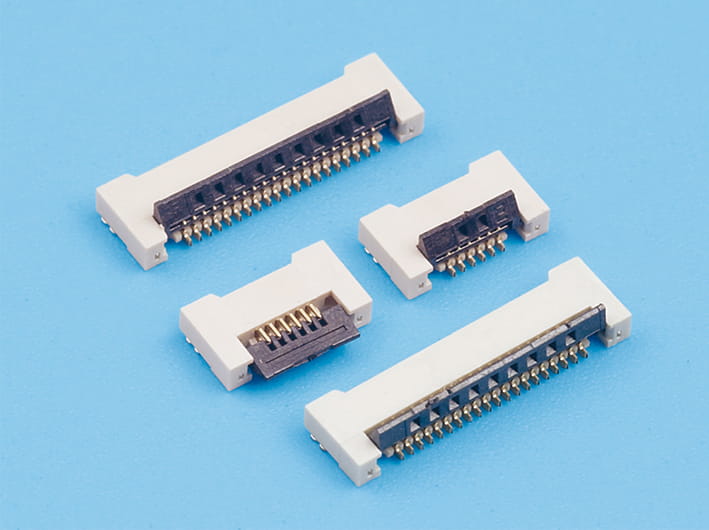
0.5mm pitch 1.5mm height back flip fpc flat connectors, zif slide type, flexible printed circuit cable connectors, horizontal contact
-
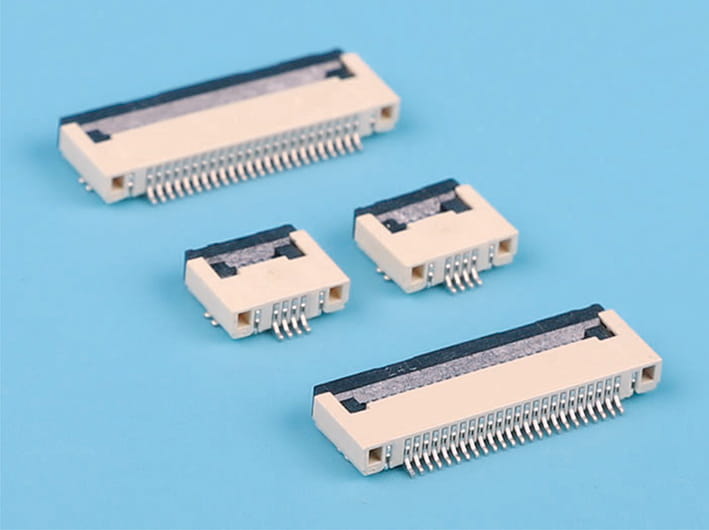
0.5mm pitch easy-on fpc flat ribbon connector, 2.0mm height, locking zif slide type, horizontal contact, flexible printed circuit board connector
-
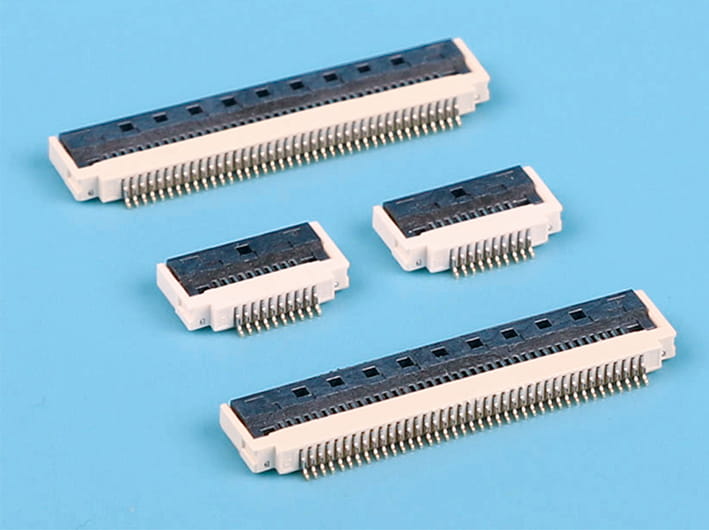
0.5mm pitch 2.0mm height, easy-on r/a with buckle fpc flat connectors, high-density integration flexible printed circuit board connectors
-
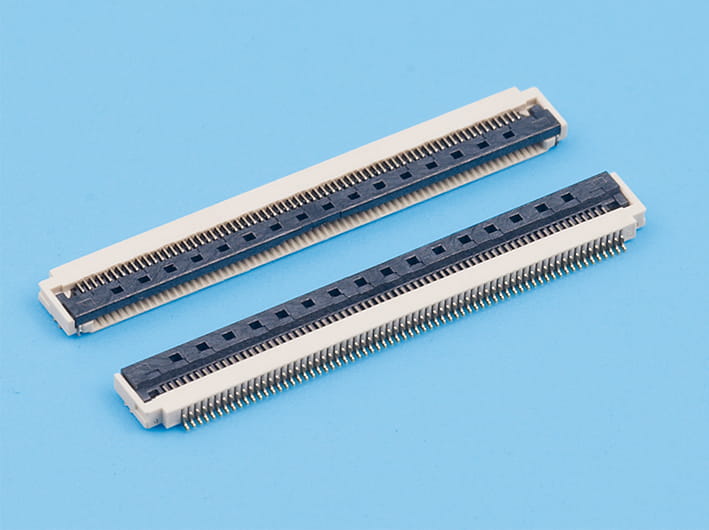
0.5mm Pitch, 2.0mm Height, Hinged Cover, Horizontal Mounting, Large Solder Pads
-

0.5mm pitch 2.0mm height back flip fpc flat connectors, horizontal insert, locking type, zif slide, pcb mount
-
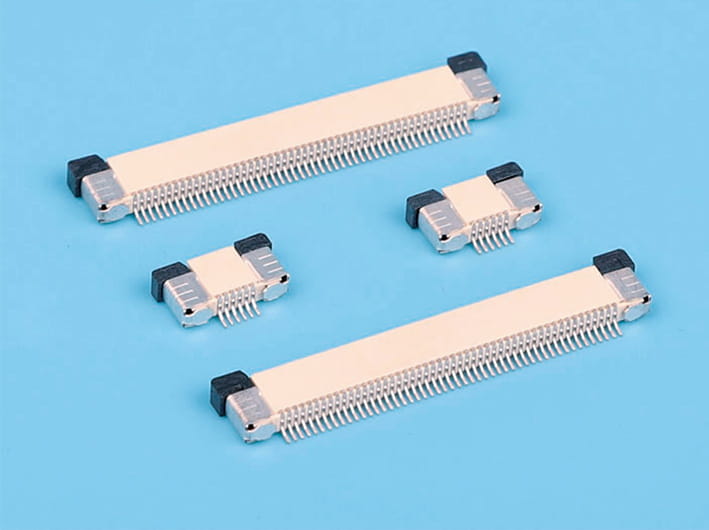
0.5mm Pitch, Ultra-Thin 2.0mm Horizontal FPC Connector (Pull-Out Locking Type, Top Contact Type)
-
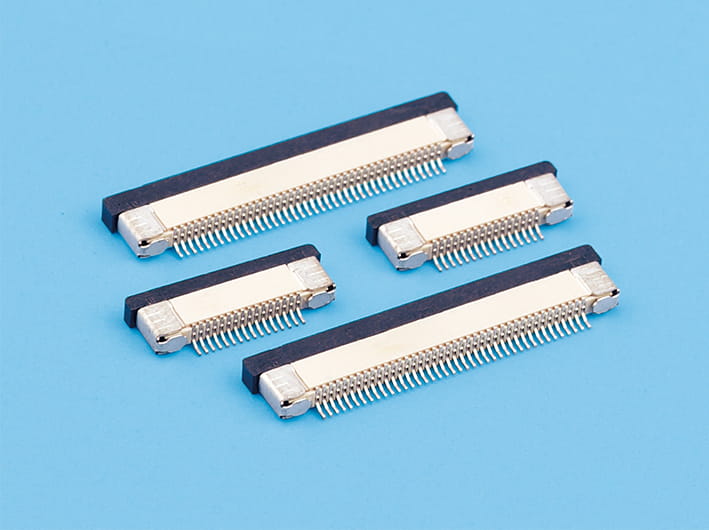
0.5mm Pitch, Ultra-Thin 2.0mm Horizontal FPC Connector (Pull-Out Locking Type, Bottom Contact Type)
-
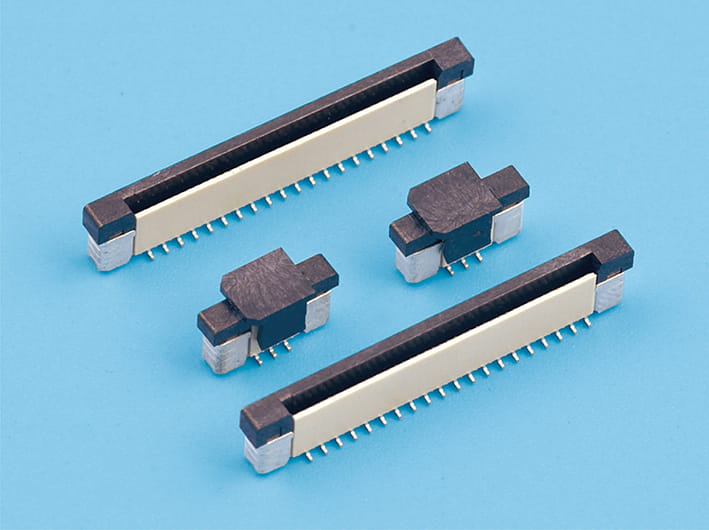
0.5mm pitch 4.5mm height fpc flat cable connector, zif s/t reversed pointer, locking slide
-
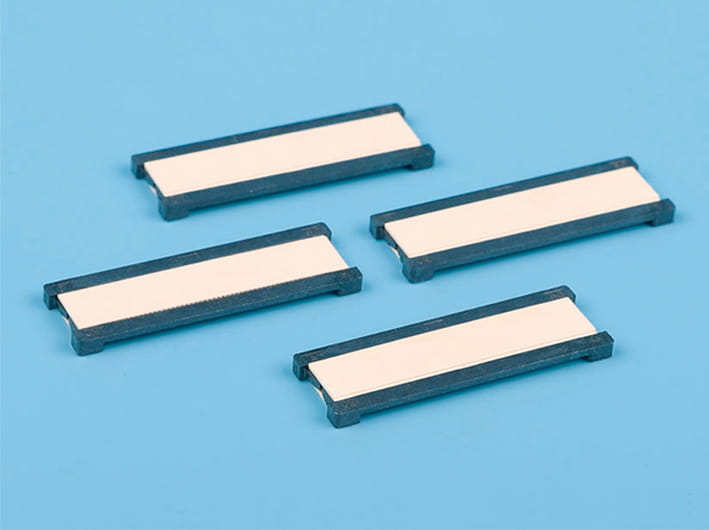
Double-side drawing fpc flat connector, 0.5mm pitch, 2.0mm/2.5mm height, flip type, for flexible cable, pcb mountable
CONTACT INFORMATION
-
Mr.Zhou(Sales manager)
Tel:+86(0)577-62369959
Tel:+86(0)577-62378959
MP:+86-13570877599
E-mail:[email protected]
Wechat:+86-13570877599
PRODUCT LINKS

Copyright © Zhejiang Wenda Electronics Co., Ltd. All Rights Reserved

Custom Electronic Connectors Manufacturer
