


 English
 中文简体
中文简体 Español
 عربى
عربىEnsuring Compatibility With Various FPC Flat Connectors
Understanding FPC Flat Connectors
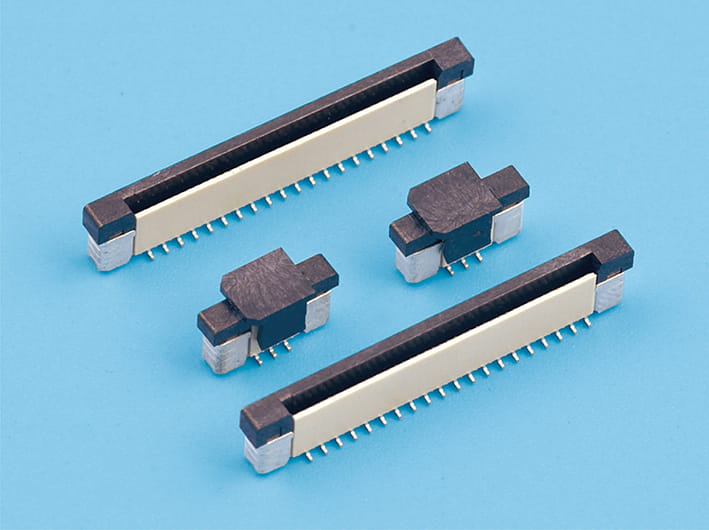
Definition and Function: FPC flat connectors are specialized electrical connectors designed for flexible printed circuits (FPCs). They provide a compact, reliable, and low-profile interface between flexible cables and printed circuit boards.
Applications: Widely used in mobile devices, laptops, cameras, automotive electronics, and other compact electronic systems where space constraints are critical.
Importance of Compatibility: Ensuring compatibility with different FPC thicknesses is essential for maintaining signal integrity, mechanical reliability, and overall device performance.
Factors Affecting Compatibility
Connector Pitch and Design:
- The pitch, or spacing between contacts, must align precisely with the FPC conductor pattern.
- Adjustable or multi-range connector designs can accommodate variations in FPC thickness.
Contact Pressure:
- Proper contact pressure is crucial to ensure reliable electrical connectivity.
- Too much pressure can damage thin FPCs, while insufficient pressure may cause intermittent connections in thicker FPCs.
Insertion Depth and Retention:
- The connector must securely hold FPCs of varying thickness without causing deformation or loose connections.
- Locking mechanisms or sliders are often used to maintain consistent retention.
Challenges With Different FPC Thicknesses
Thin FPCs:
- Very thin FPCs may not provide enough rigidity, increasing the risk of bending or misalignment during insertion.
- The connector must apply gentle yet reliable pressure to avoid damaging the traces.
Thick FPCs:
- Thicker FPCs may require wider contact slots or higher insertion force, which can strain the connector structure if not designed for flexibility.
- Ensuring even contact across all pins becomes critical to prevent open circuits or signal degradation.
Tolerance Variations:
Manufacturing tolerances in both connectors and FPCs can affect fit, requiring connectors with adjustable or flexible contacts.
Design Solutions for Multi-Thickness Compatibility
- Flexible Contact Design:
Spring-loaded contacts or compliant metal terminals allow connectors to accommodate a range of FPC thicknesses while maintaining consistent pressure.
- Locking and Latching Mechanisms:
Sliding locks, flip locks, or latch systems help secure FPCs of different thicknesses without overstressing the material.
- Standardized and Adjustable Models:
Some connectors are manufactured with adjustable slots or multi-thickness specifications to support various FPC designs without compromising performance.
Testing and Verification
Mechanical Testing:
- Simulating repeated insertions ensures the connector can handle thin and thick FPCs without damage.
- Mechanical tests also verify that retention force remains consistent across thickness ranges.
Electrical Testing:
- Continuity and signal integrity tests ensure that variations in FPC thickness do not compromise performance.
- High-frequency or high-speed testing is particularly important for connectors used in data-intensive applications.
Environmental Testing:
Temperature cycling, vibration, and humidity tests help verify that the connector maintains reliable contact under real-world conditions.
Installation Practices
- Proper Alignment:
Carefully align the FPC with the connector to prevent misalignment or pin damage.
- Gentle Insertion Force:
Avoid excessive pressure when inserting thin FPCs to prevent tearing or bending.
- Consistent Handling:
For connectors supporting multiple thicknesses, always follow manufacturer guidelines to ensure reliable and long-lasting connections.
Benefits of Using Multi-Thickness Compatible Connectors
- Versatility: One connector model can handle multiple FPC designs, reducing inventory complexity and cost.
- Reliability: Properly designed connectors prevent open circuits, intermittent contacts, and mechanical failure.
Ease of Maintenance and Replacement:
Devices using standardized multi-thickness connectors are easier to repair or upgrade without custom components.
Compatibility with varying FPC thicknesses is a critical feature of modern FPC flat connectors. By considering contact design, locking mechanisms, tolerance allowances, and proper installation, manufacturers can ensure reliable electrical and mechanical performance. A well-engineered FPC Flat Connector supports multiple FPC thicknesses without compromising signal integrity, durability, or usability. Proper testing, material selection, and adherence to manufacturer guidelines further enhance reliability, making these connectors indispensable for compact and high-performance electronic devices.
Related Products
-
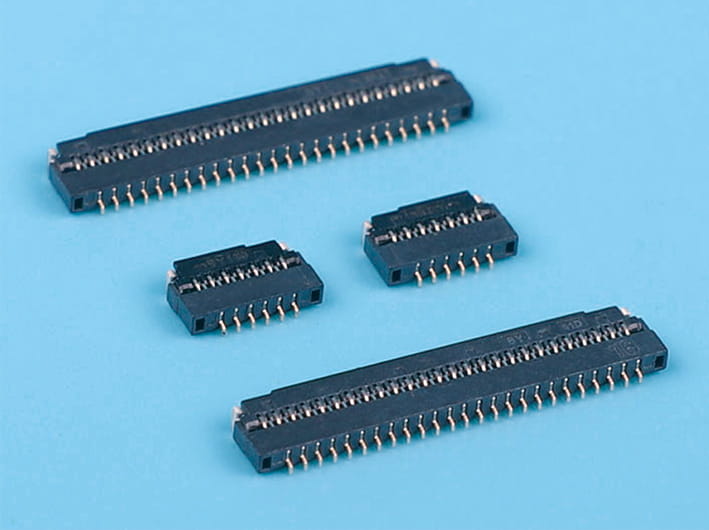
Easy-on fpc flat ribbon connector, 0.3mm pitch, 1.0mm height, flexible printed circuit connector, horizontal smt type
-

Back flip fpc flat flexible cable connector, 0.3mm pitch, 1.0mm height, bottom contact type for pcb board connections
-
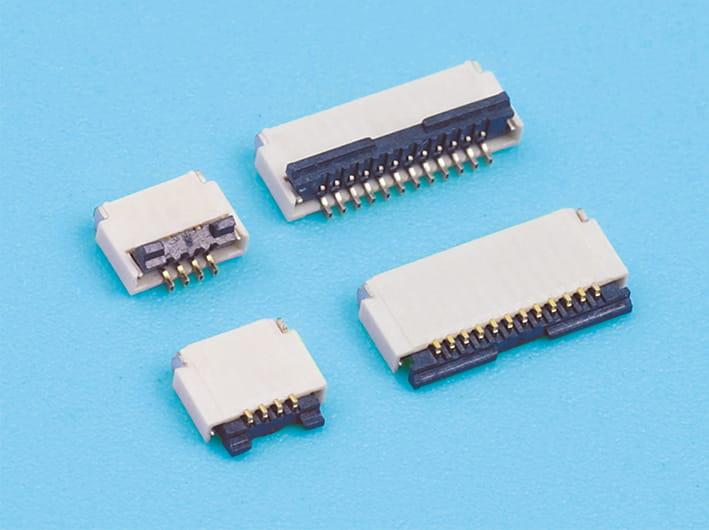
Back flip micro fpc flat cable connector, 0.5mm pitch, 1.0mm height, compact design, white, for data, signal transfer applications
-
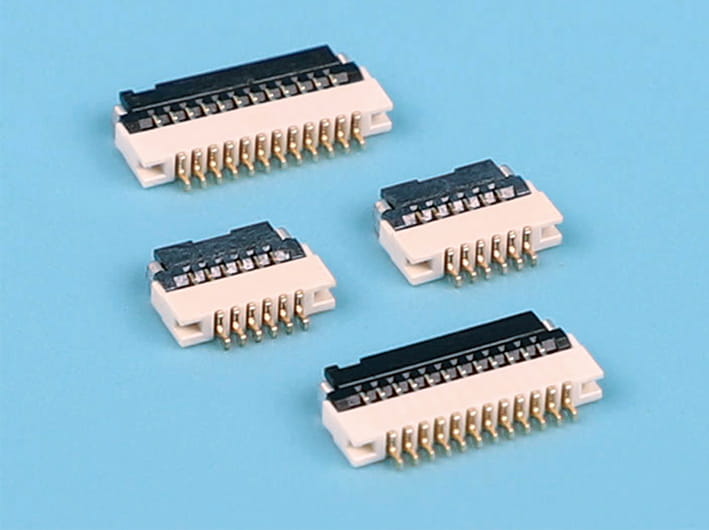
0.5mm Pitch, 1.0mm Height, Flip-Type Horizontal FPC Connector
-
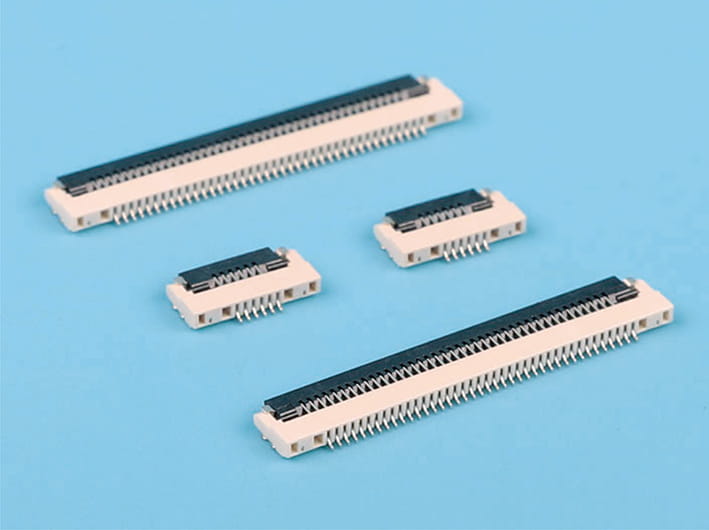
0.5mm pitch 1.2mm fpc flat cable connectors, horizontal smt type, flexible printed circuit connectors, secure locking
-
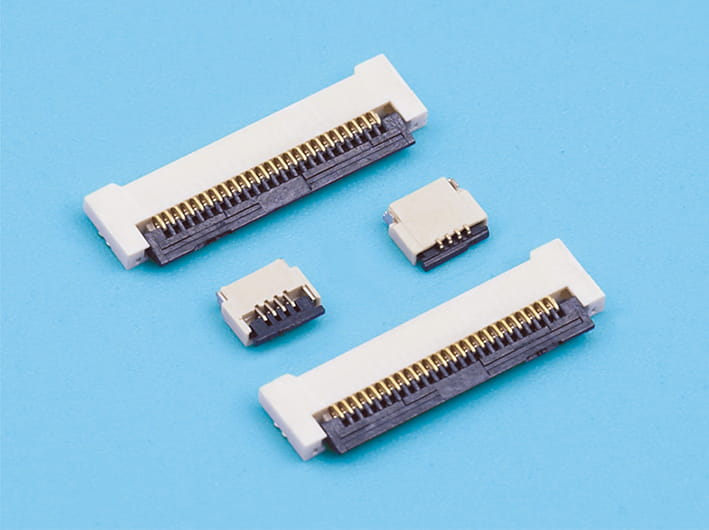
0.5mm Pitch, 1.2mm Height, Rear-Entry Horizontal FPC Connector
-
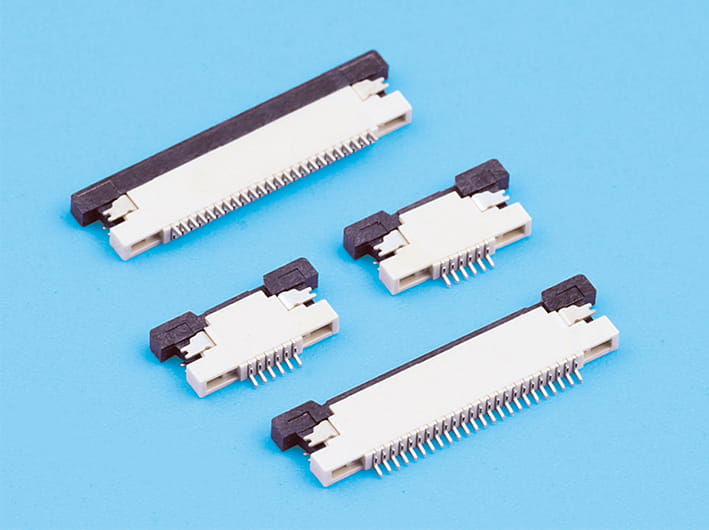
0.5mm pitch 1.2mm height fpc flat cable connector, zif r/a upper contact, locking slider, high-density integration, durable, for flexible printed circuits
-
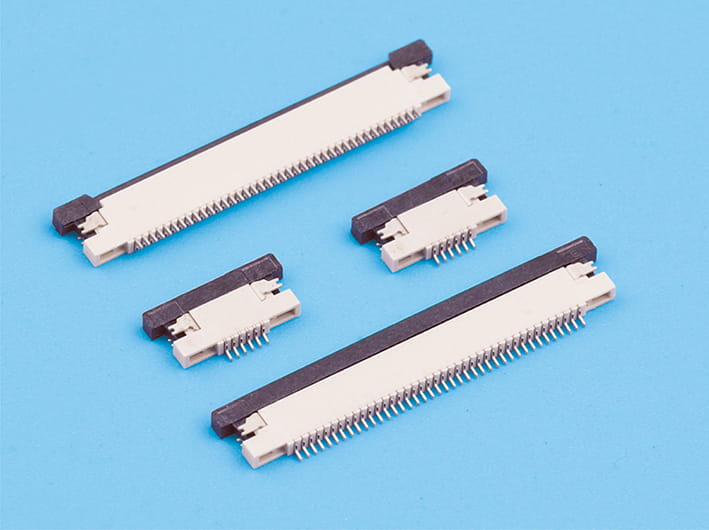
0.5mm pitch 1.2mm height fpc flat flexible cable connector, zif r/a down contact, for electronics and pcb boards
-
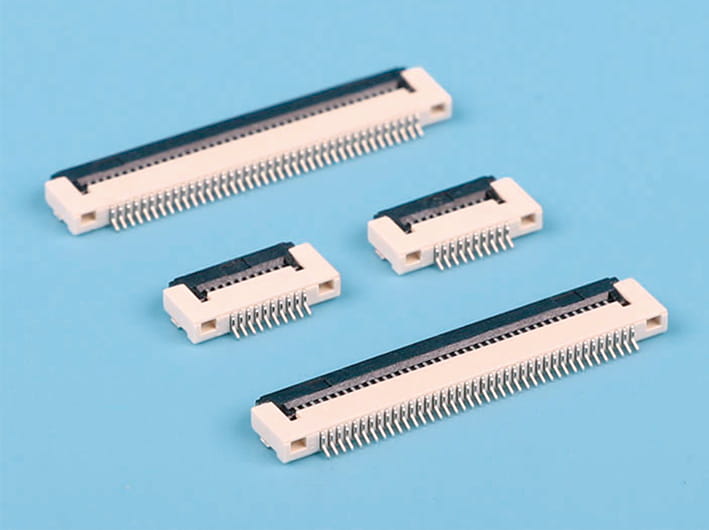
High-quality 0.5mm pitch 1.5mm height easy-on flat flexible cable fpc connector, horizontal type, locking-style, for pcb circuit board
-
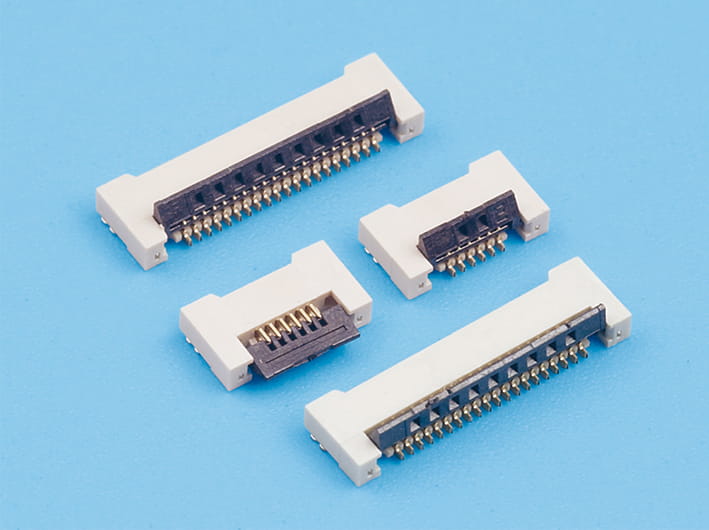
0.5mm pitch 1.5mm height back flip fpc flat connectors, zif slide type, flexible printed circuit cable connectors, horizontal contact
-
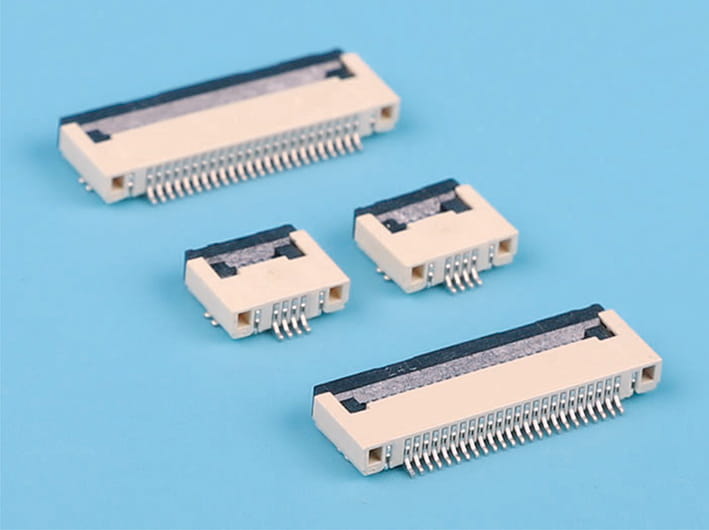
0.5mm pitch easy-on fpc flat ribbon connector, 2.0mm height, locking zif slide type, horizontal contact, flexible printed circuit board connector
-
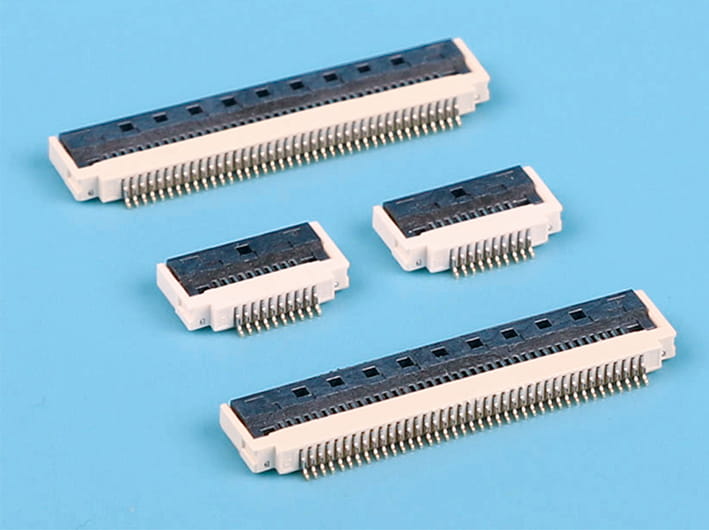
0.5mm pitch 2.0mm height, easy-on r/a with buckle fpc flat connectors, high-density integration flexible printed circuit board connectors
-
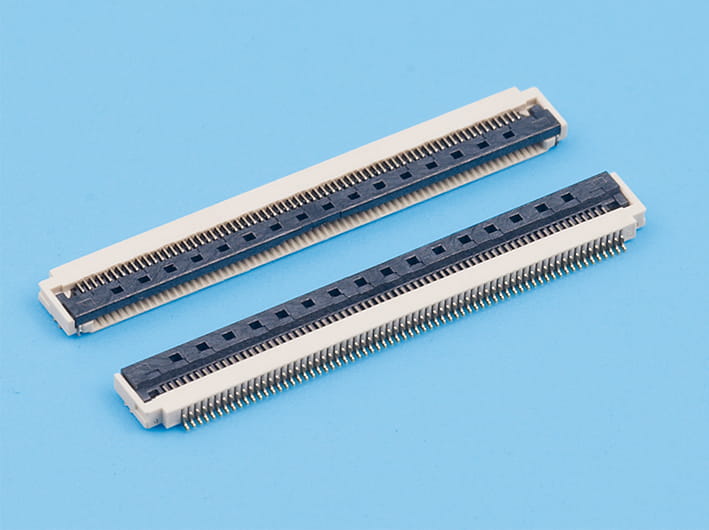
0.5mm Pitch, 2.0mm Height, Hinged Cover, Horizontal Mounting, Large Solder Pads
-

0.5mm pitch 2.0mm height back flip fpc flat connectors, horizontal insert, locking type, zif slide, pcb mount
-
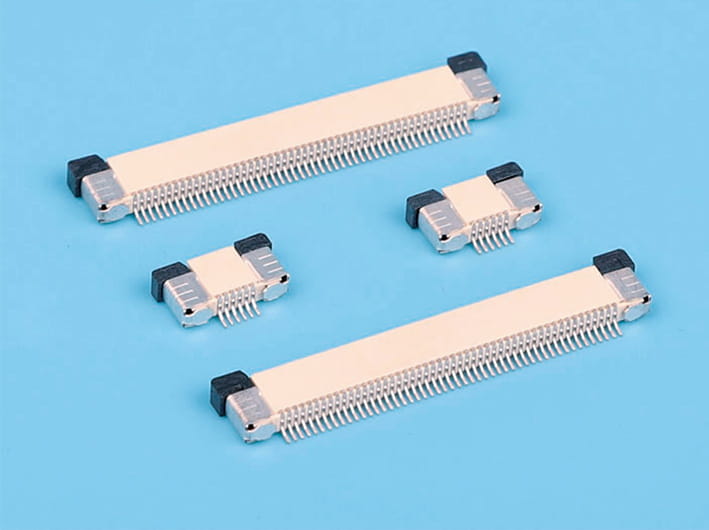
0.5mm Pitch, Ultra-Thin 2.0mm Horizontal FPC Connector (Pull-Out Locking Type, Top Contact Type)
-
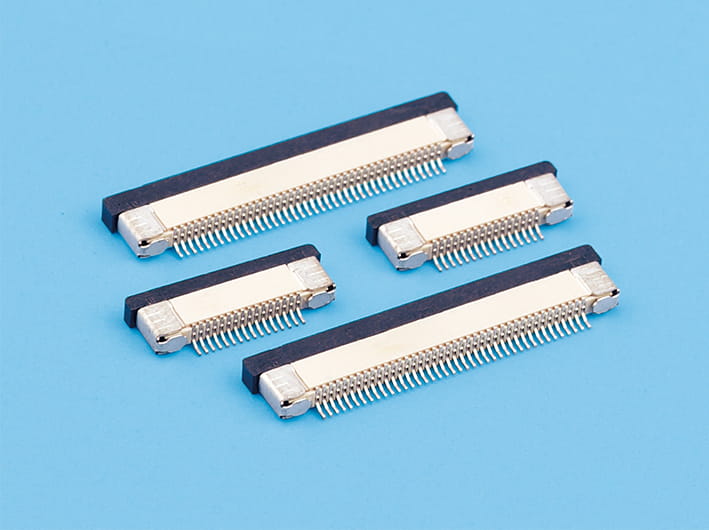
0.5mm Pitch, Ultra-Thin 2.0mm Horizontal FPC Connector (Pull-Out Locking Type, Bottom Contact Type)
-
0.5mm pitch 4.5mm height fpc flat cable connector, zif s/t reversed pointer, locking slide
-
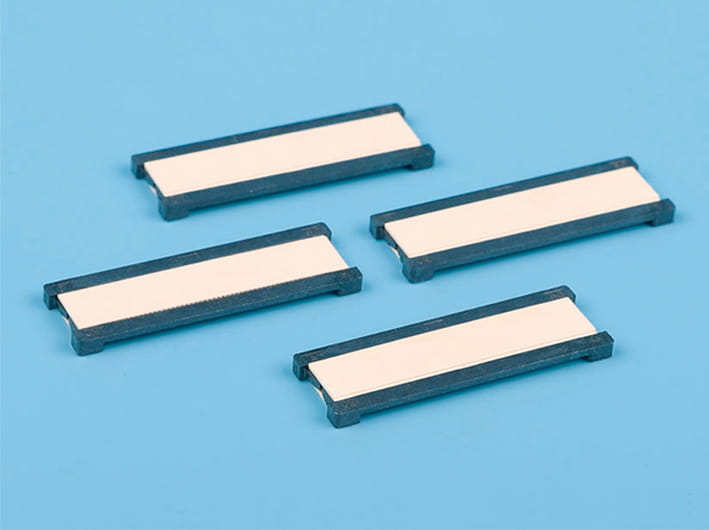
Double-side drawing fpc flat connector, 0.5mm pitch, 2.0mm/2.5mm height, flip type, for flexible cable, pcb mountable
CONTACT INFORMATION
-
Mr.Zhou(Sales manager)
Tel:+86(0)577-62369959
Tel:+86(0)577-62378959
MP:+86-13570877599
E-mail:[email protected]
Wechat:+86-13570877599
PRODUCT LINKS

Copyright © Zhejiang Wenda Electronics Co., Ltd. All Rights Reserved

Custom Electronic Connectors Manufacturer
