


 English
 中文简体
中文简体 Español
 عربى
عربىHow Pin Count Affects WTB Connector Signal Transmission
A WTB Wire to Board Connector is a crucial component in electronic systems, providing secure and reliable connections between wires and printed circuit boards. One of the significant factors affecting performance in high-speed or sensitive electronic circuits is the connector’s pin count. The number of pins directly influences signal integrity, crosstalk, current-carrying capacity, and overall system reliability. Understanding these effects is essential for engineers designing complex circuits or high-density assemblies.
- WTB Connector pin count: Refers to the number of individual conductive contacts within the connector.
- Signal transmission considerations: Pin density impacts electrical performance and mechanical layout.
- Applications: Widely used in consumer electronics, industrial machinery, automotive systems, and telecommunications.
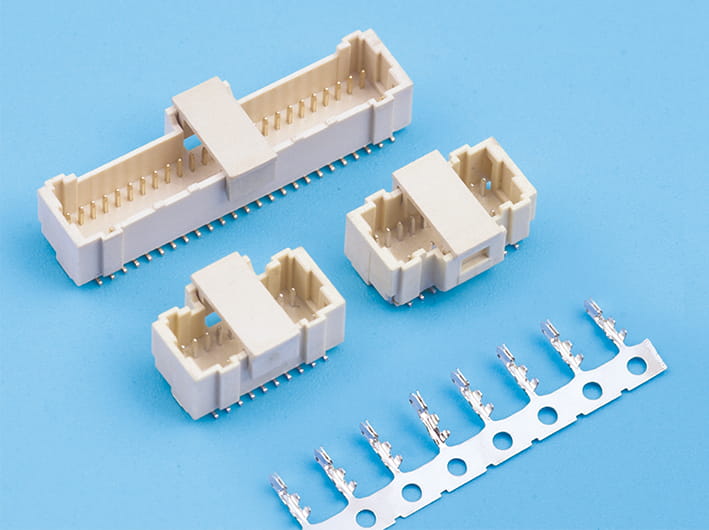
Relationship Between Pin Count and Signal Integrity
The number of pins in a WTB Connector affects how signals propagate through the system.
- Higher pin count:
- Enables more parallel signal paths, supporting multi-signal applications.
- Increases the risk of crosstalk between adjacent pins if spacing is insufficient.
- Requires careful layout and spacing to maintain impedance consistency.
- Lower pin count:
- Fewer signals are transmitted simultaneously, reducing crosstalk potential.
- Simplifies routing and reduces design complexity.
- May limit functionality in multi-signal or high-density systems.
- Design tip: High-speed or high-frequency applications require a balance between pin count and signal separation to ensure integrity.
Impact on Crosstalk and Interference
Crosstalk occurs when a signal on one pin induces an undesired signal on a neighboring pin. Pin count strongly influences this phenomenon.
- High pin density connectors:
- Reduced spacing increases capacitive and inductive coupling.
- Critical in high-frequency signals, where even small interference can cause errors.
- Mitigation methods include ground pin insertion, differential signaling, and controlled impedance design.
- Low pin density connectors:
- Wider spacing between pins reduces electromagnetic coupling.
- Easier to maintain signal integrity for moderate-speed applications.
- Engineering takeaway: When selecting a WTB Connector, designers must consider both the required signal count and the impact of pin density on crosstalk.
Current-Carrying Capacity
Pin count also affects the electrical load the connector can handle.
- High pin count connectors:
- Each pin carries a smaller portion of the total current if signals are evenly distributed.
- Suitable for low-current signal transmission across multiple lines.
- Overcrowding may generate heat if multiple high-current signals are present.
- Low pin count connectors:
- Fewer pins must handle more current per pin.
- Can cause thermal stress or reduced connector lifespan if not rated appropriately.
- Practical insight: Selecting a pin count aligned with current requirements prevents overheating and ensures reliable operation.
Mechanical and Layout Considerations
Pin count influences physical dimensions, board footprint, and ease of assembly.
- High pin count connectors:
- Larger footprint, more complex routing on the PCB.
- Requires precise alignment during assembly to avoid bent pins or connection failure.
- Low pin count connectors:
- Smaller size, simpler assembly.
- Limited functionality if the system requires multiple signal lines.
- Design tip: Evaluate the trade-off between pin count, PCB space, and mechanical reliability for suitable performance.
Application-Specific Considerations
- Automotive electronics: High pin counts may be needed for multi-sensor connections, but spacing and shielding are critical to avoid noise interference.
- Consumer electronics: Compact devices benefit from higher pin density connectors with precise signal routing.
- Industrial control systems: Moderate pin counts often suffice, but durability and current capacity are key priorities.
Conclusion
The pin count of a WTB Wire to Board Connector has a direct and significant impact on signal transmission, crosstalk, current distribution, and mechanical layout. High pin count connectors allow multiple signals to transmit simultaneously, but require careful design to avoid crosstalk and impedance mismatch. Low pin count connectors simplify routing and reduce interference, but may limit functionality. By understanding the relationship between pin count and electrical as well as mechanical performance, engineers can select the suitable WTB Connector for reliable, high-performance electronic systems.
Related Products
-
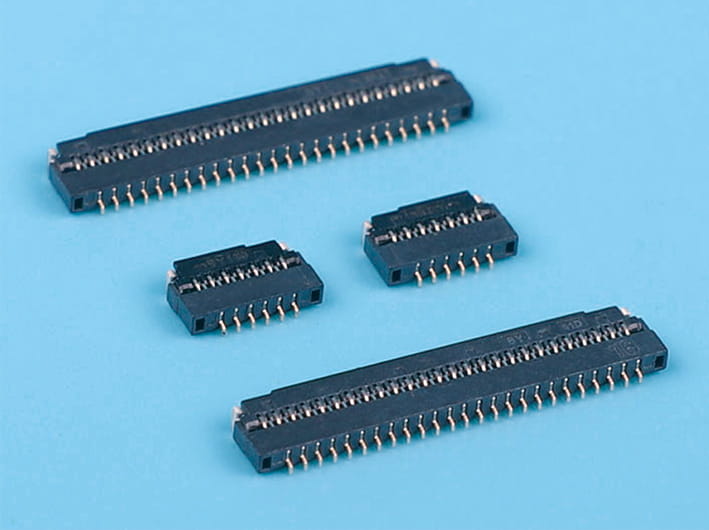
Easy-on fpc flat ribbon connector, 0.3mm pitch, 1.0mm height, flexible printed circuit connector, horizontal smt type
-

Back flip fpc flat flexible cable connector, 0.3mm pitch, 1.0mm height, bottom contact type for pcb board connections
-
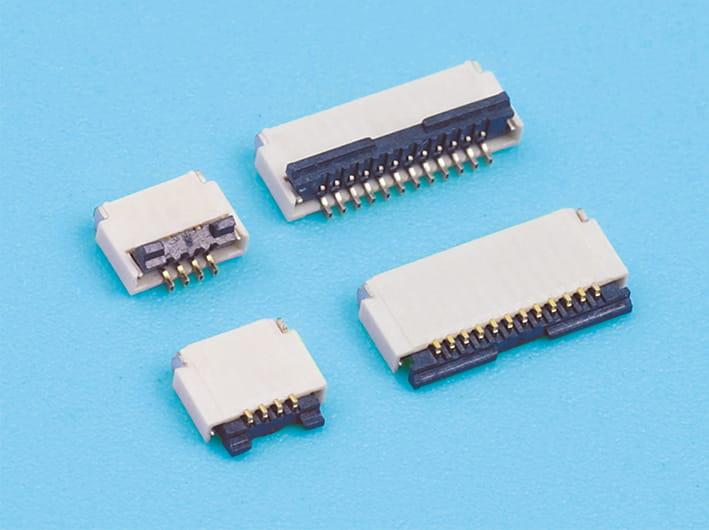
Back flip micro fpc flat cable connector, 0.5mm pitch, 1.0mm height, compact design, white, for data, signal transfer applications
-
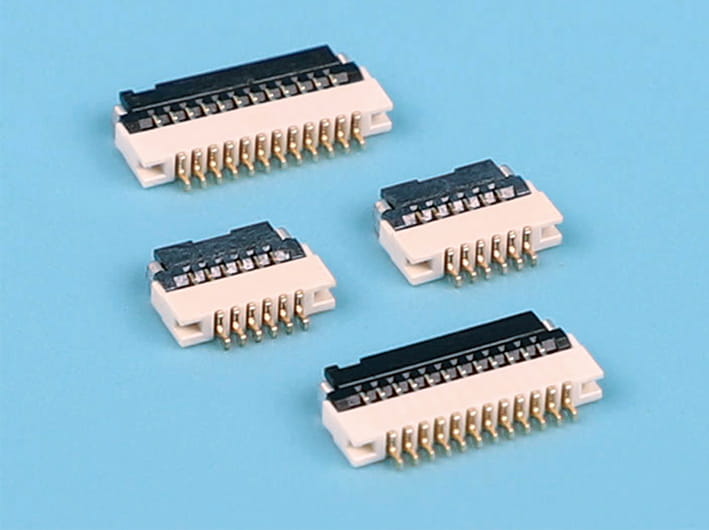
0.5mm Pitch, 1.0mm Height, Flip-Type Horizontal FPC Connector
-
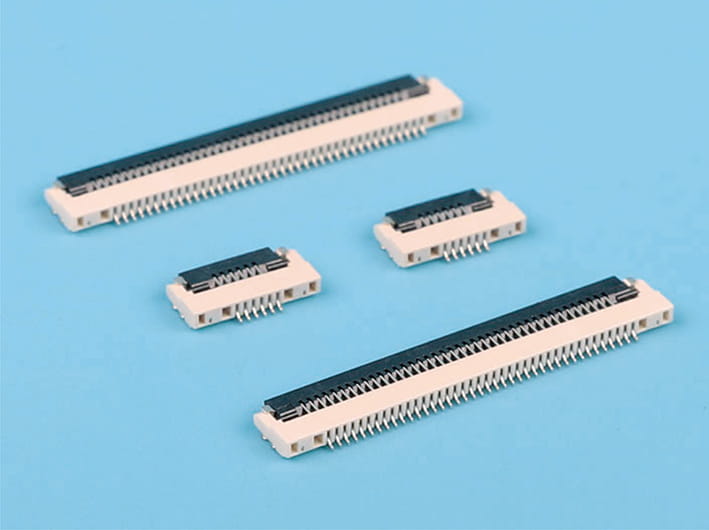
0.5mm pitch 1.2mm fpc flat cable connectors, horizontal smt type, flexible printed circuit connectors, secure locking
-
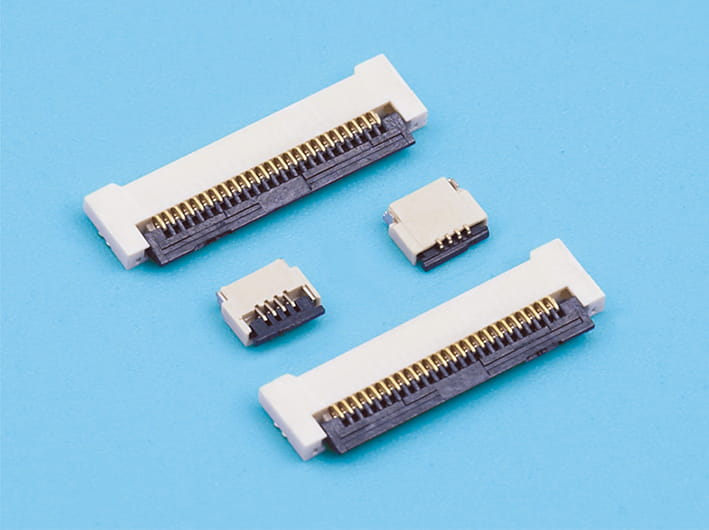
0.5mm Pitch, 1.2mm Height, Rear-Entry Horizontal FPC Connector
-
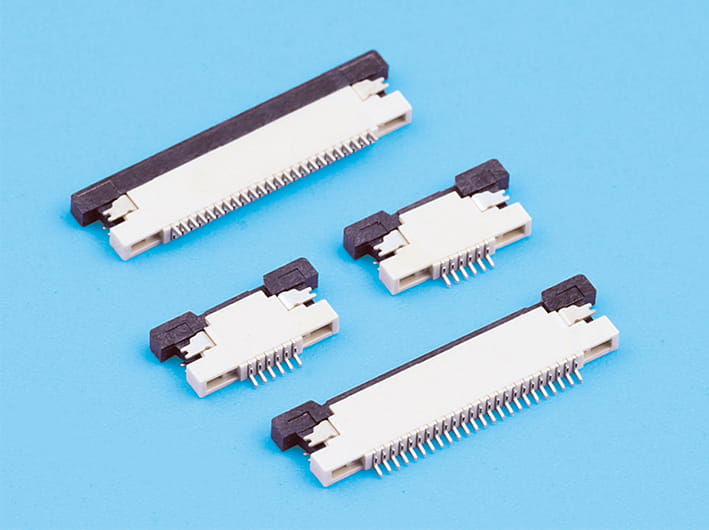
0.5mm pitch 1.2mm height fpc flat cable connector, zif r/a upper contact, locking slider, high-density integration, durable, for flexible printed circuits
-
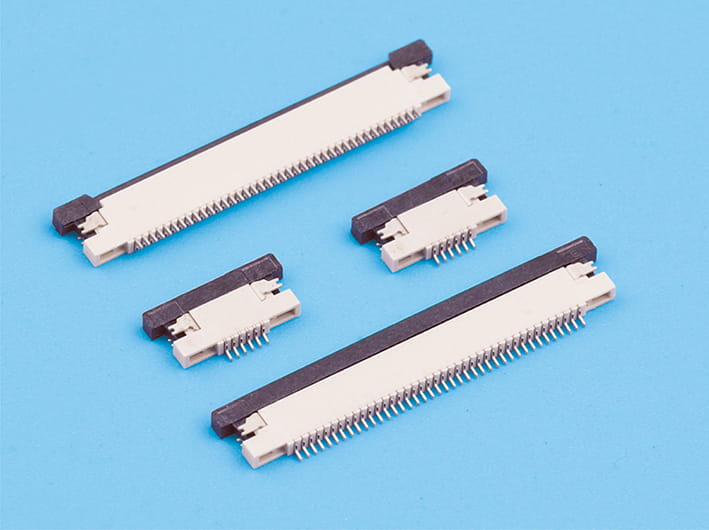
0.5mm pitch 1.2mm height fpc flat flexible cable connector, zif r/a down contact, for electronics and pcb boards
-
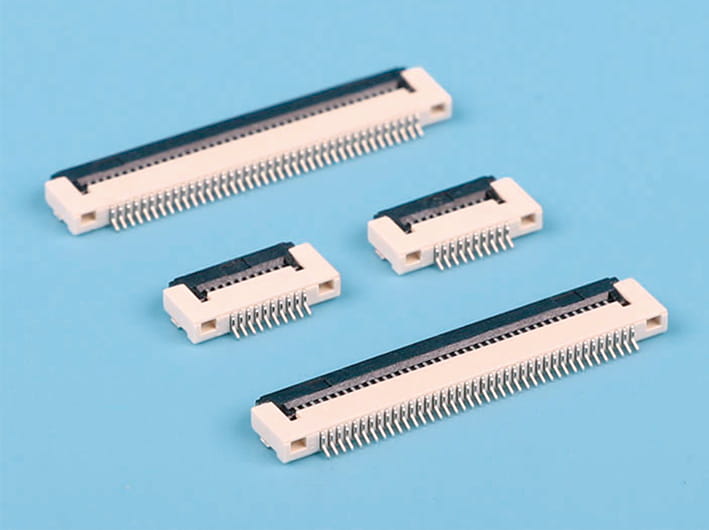
High-quality 0.5mm pitch 1.5mm height easy-on flat flexible cable fpc connector, horizontal type, locking-style, for pcb circuit board
-
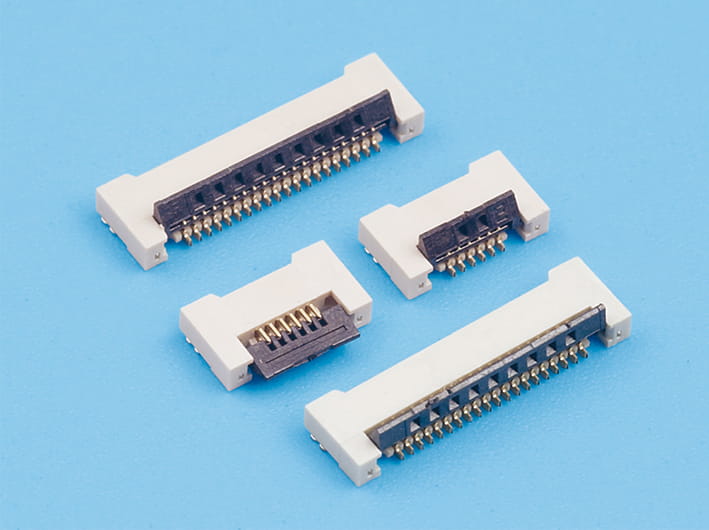
0.5mm pitch 1.5mm height back flip fpc flat connectors, zif slide type, flexible printed circuit cable connectors, horizontal contact
-
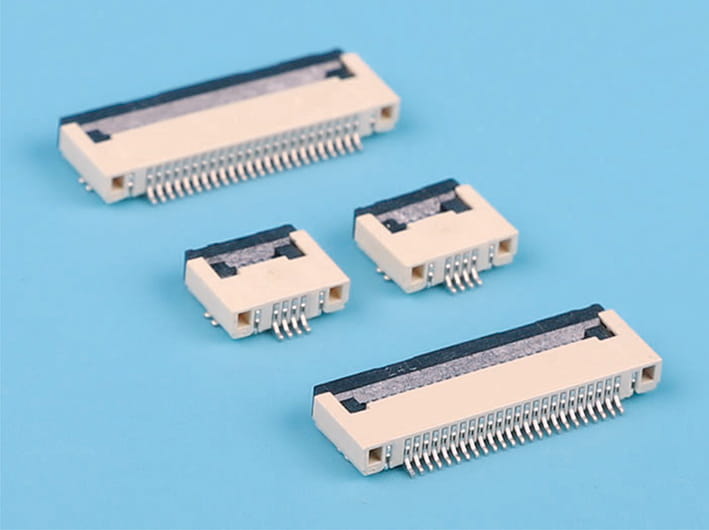
0.5mm pitch easy-on fpc flat ribbon connector, 2.0mm height, locking zif slide type, horizontal contact, flexible printed circuit board connector
-
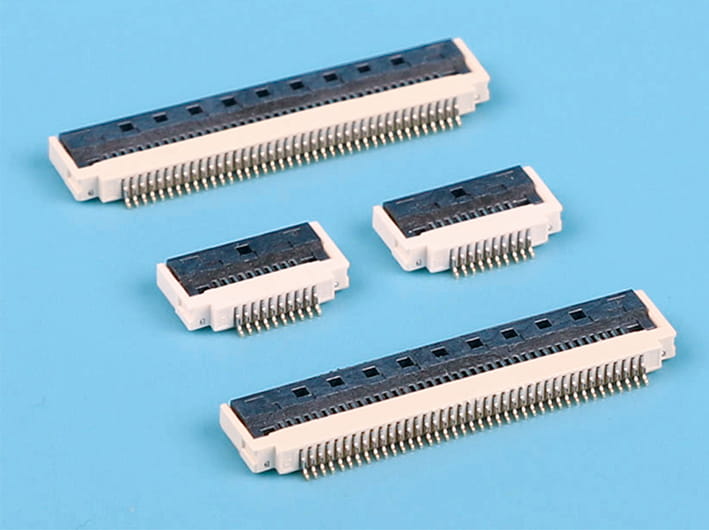
0.5mm pitch 2.0mm height, easy-on r/a with buckle fpc flat connectors, high-density integration flexible printed circuit board connectors
-
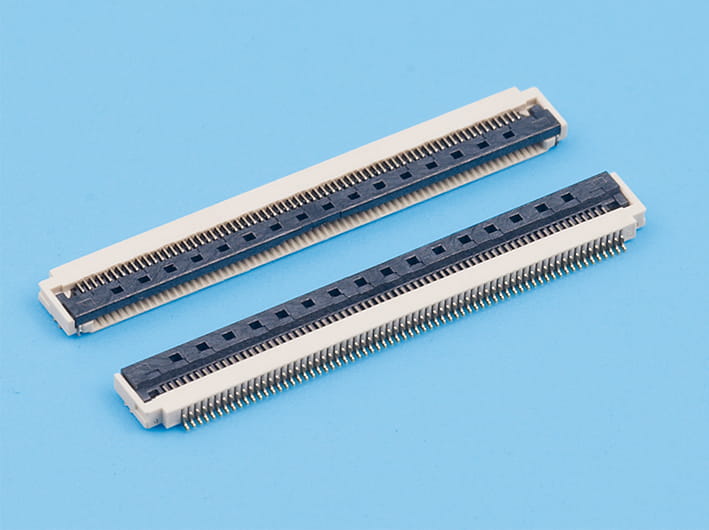
0.5mm Pitch, 2.0mm Height, Hinged Cover, Horizontal Mounting, Large Solder Pads
-

0.5mm pitch 2.0mm height back flip fpc flat connectors, horizontal insert, locking type, zif slide, pcb mount
-
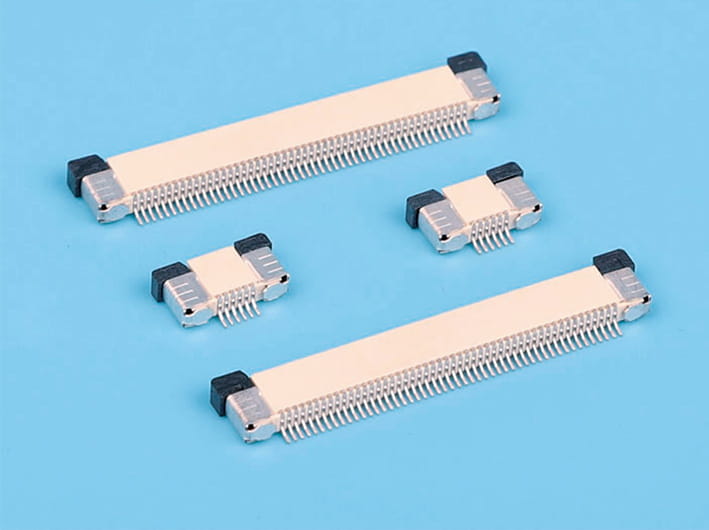
0.5mm Pitch, Ultra-Thin 2.0mm Horizontal FPC Connector (Pull-Out Locking Type, Top Contact Type)
-
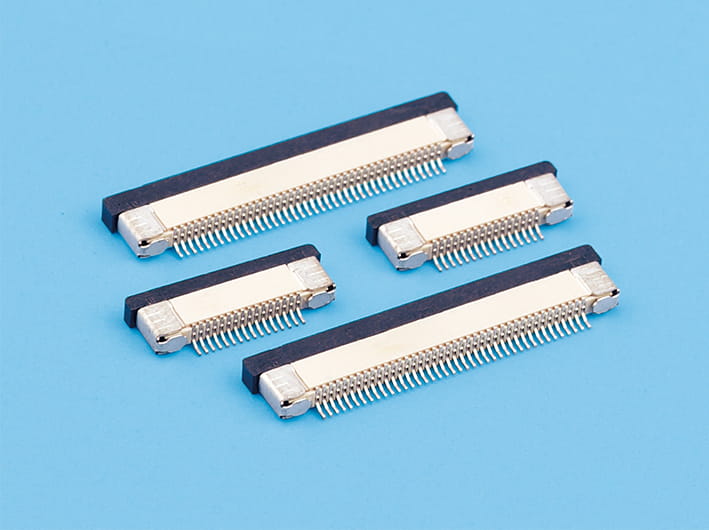
0.5mm Pitch, Ultra-Thin 2.0mm Horizontal FPC Connector (Pull-Out Locking Type, Bottom Contact Type)
-
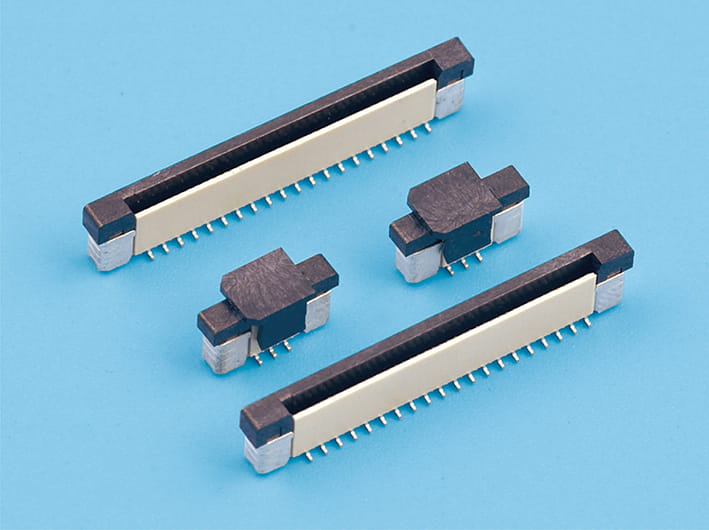
0.5mm pitch 4.5mm height fpc flat cable connector, zif s/t reversed pointer, locking slide
-
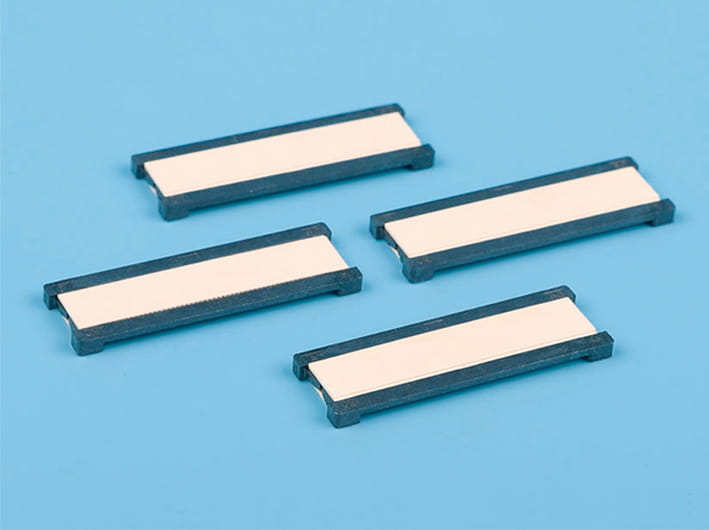
Double-side drawing fpc flat connector, 0.5mm pitch, 2.0mm/2.5mm height, flip type, for flexible cable, pcb mountable
CONTACT INFORMATION
-
Mr.Zhou(Sales manager)
Tel:+86(0)577-62369959
Tel:+86(0)577-62378959
MP:+86-13570877599
E-mail:[email protected]
Wechat:+86-13570877599
PRODUCT LINKS

Copyright © Zhejiang Wenda Electronics Co., Ltd. All Rights Reserved

Custom Electronic Connectors Manufacturer
