


 English
 中文简体
中文简体 Español
 عربى
عربىKey Differences Between FPC and FFC Connectors
Introduction to Flexible Connectors
Flexible connectors are widely used in modern electronics to link circuit boards in compact designs. Among these, the FPC Flat Connector and FFC Connector are two common types. While they may appear similar at a glance, they have distinct structures, installation methods, and performance characteristics. Understanding these differences is crucial for selecting the right connector for a specific PCB application.
Structural Differences
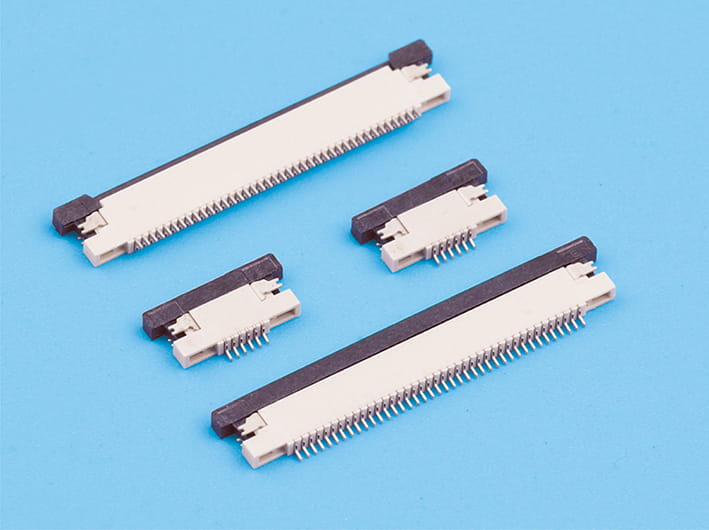
FPC Flat Connector: An FPC (Flexible Printed Circuit) Flat Connector is designed to mate with flexible printed circuits that consist of a thin polyimide or polyester film with copper traces. The connector usually features a ZIF (Zero Insertion Force) or LIF (Low Insertion Force) mechanism to secure the flexible circuit without damaging it.
FFC Connector: An FFC (Flat Flexible Cable) Connector is intended for flat ribbon cables that have pre-defined conductors and insulation. The cable is usually thicker than an FPC film and does not contain etched circuits on a flexible substrate. FFC connectors often rely on clamping or flip-lock mechanisms to hold the ribbon securely.
Electrical and Mechanical Considerations
- Current Capacity and Signal Integrity: FPC connectors generally handle lower currents and high-density signals due to the finer traces on flexible circuits. FFC connectors can support higher currents because the conductors are typically thicker and have wider spacing.
- Bend Radius and Flexibility: FPC circuits allow tighter bends and complex routing on PCBs, making them ideal for applications where space is limited. FFC cables are less flexible but offer consistent spacing and robustness for straightforward point-to-point connections.
- Durability: FFC connectors are generally more durable in repetitive insertions because the flat cables are reinforced. FPC connectors can wear out faster if improperly handled during insertion or removal.
Installation and Handling Differences
Insertion Techniques:
- FPC connectors: The flexible circuit is inserted into the connector slot, and a ZIF or LIF latch secures it. This reduces the risk of damage to the thin substrate.
- FFC connectors: The ribbon cable is usually inserted into a clamping or flip-lock mechanism that holds it in place. This method is simpler but may require more attention to alignment.
- Orientation and Polarity: Both connectors require proper orientation, but the fine traces on FPCs make misalignment potentially more damaging. FFC cables are more forgiving because the conductor spacing is larger and the insulation is more robust.
Choosing the Right Connector for Your PCB
When selecting between an FPC Flat Connector and an FFC Connector, consider the following factors:
- Circuit Density: High-density circuits with fine pitch traces favor FPC connectors.
- Space Constraints: Compact designs with tight bends are better suited for FPC circuits.
- Current Requirements: If a higher current capacity is needed, FFC connectors are preferable.
- Mechanical Stress: Applications involving frequent insertions or movement benefit from FFC cables.
- Ease of Assembly: FFC connectors are often easier to assemble and replace in large-scale manufacturing.
Although FPC Flat Connectors and FFC Connectors both serve the purpose of connecting flexible components to PCBs, they differ significantly in structure, electrical performance, flexibility, and handling. Choosing the right connector requires careful consideration of the application, circuit density, current requirements, and mechanical demands. Understanding these distinctions ensures reliable connections, optimized signal integrity, and long-lasting performance in electronic devices.
Related Products
-
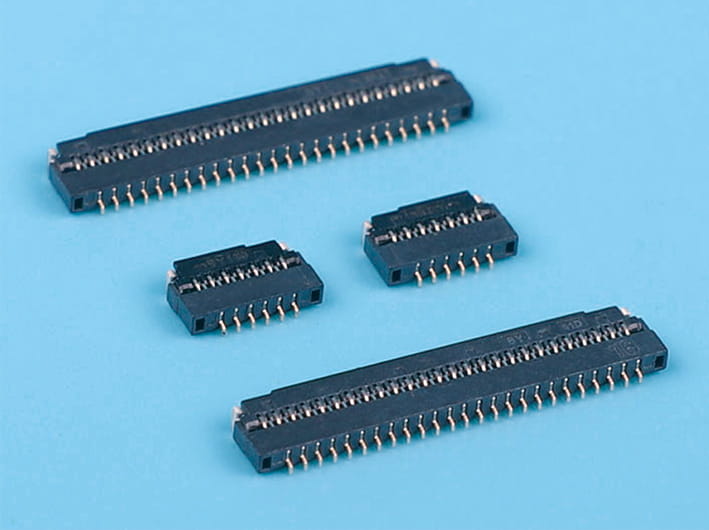
Easy-on fpc flat ribbon connector, 0.3mm pitch, 1.0mm height, flexible printed circuit connector, horizontal smt type
-

Back flip fpc flat flexible cable connector, 0.3mm pitch, 1.0mm height, bottom contact type for pcb board connections
-
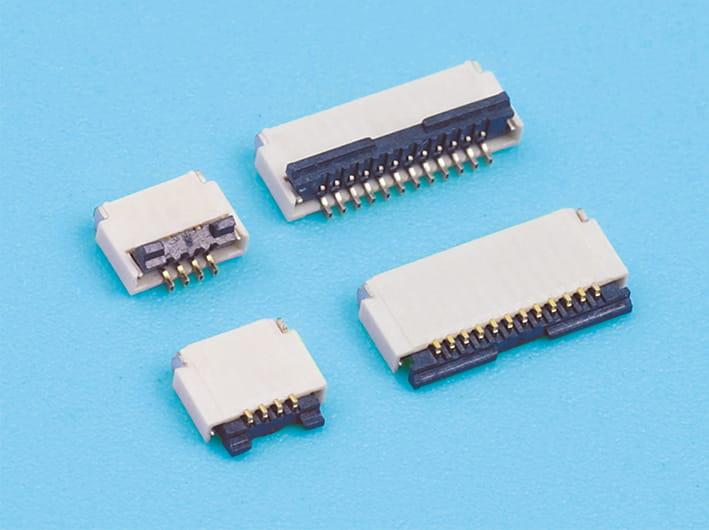
Back flip micro fpc flat cable connector, 0.5mm pitch, 1.0mm height, compact design, white, for data, signal transfer applications
-
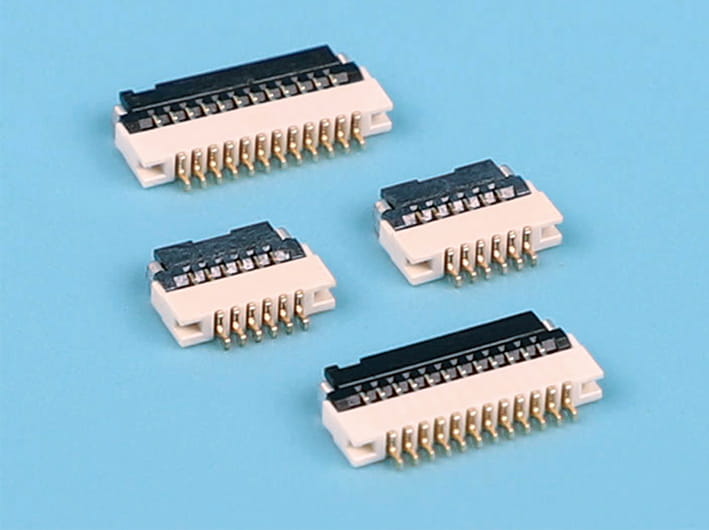
0.5mm Pitch, 1.0mm Height, Flip-Type Horizontal FPC Connector
-
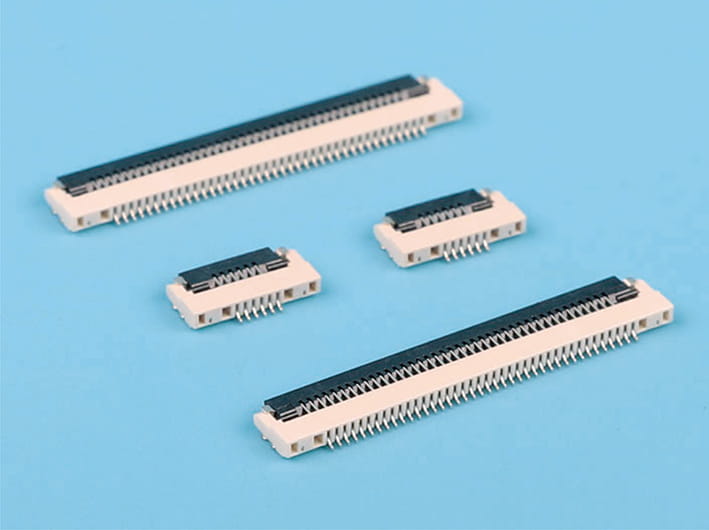
0.5mm pitch 1.2mm fpc flat cable connectors, horizontal smt type, flexible printed circuit connectors, secure locking
-
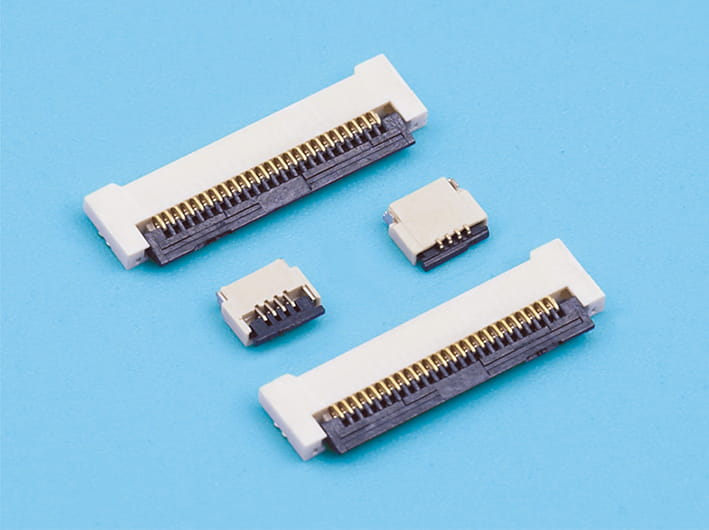
0.5mm Pitch, 1.2mm Height, Rear-Entry Horizontal FPC Connector
-
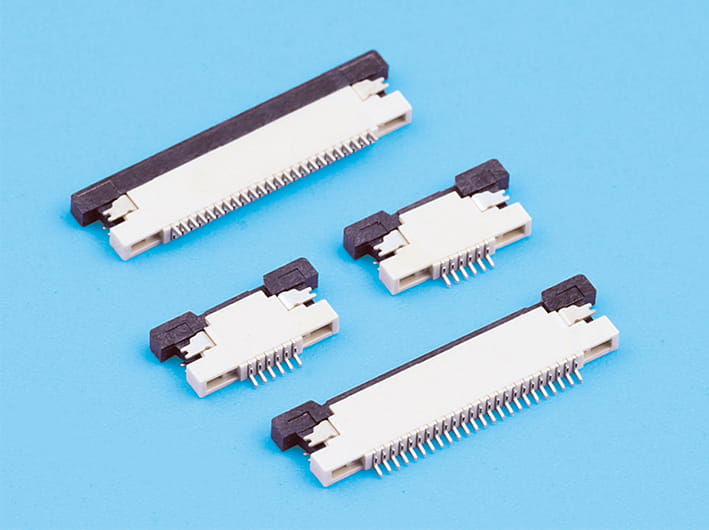
0.5mm pitch 1.2mm height fpc flat cable connector, zif r/a upper contact, locking slider, high-density integration, durable, for flexible printed circuits
-
0.5mm pitch 1.2mm height fpc flat flexible cable connector, zif r/a down contact, for electronics and pcb boards
-
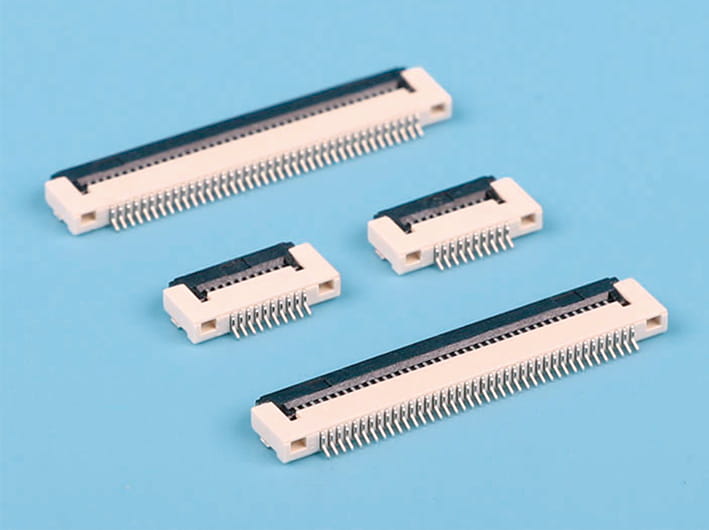
High-quality 0.5mm pitch 1.5mm height easy-on flat flexible cable fpc connector, horizontal type, locking-style, for pcb circuit board
-
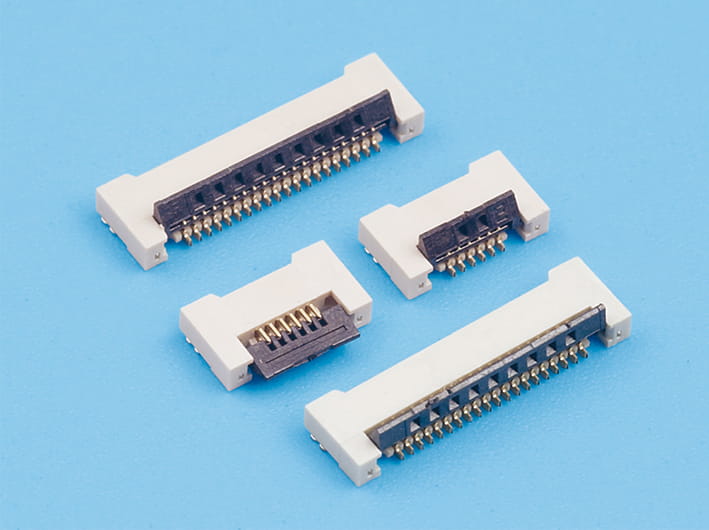
0.5mm pitch 1.5mm height back flip fpc flat connectors, zif slide type, flexible printed circuit cable connectors, horizontal contact
-
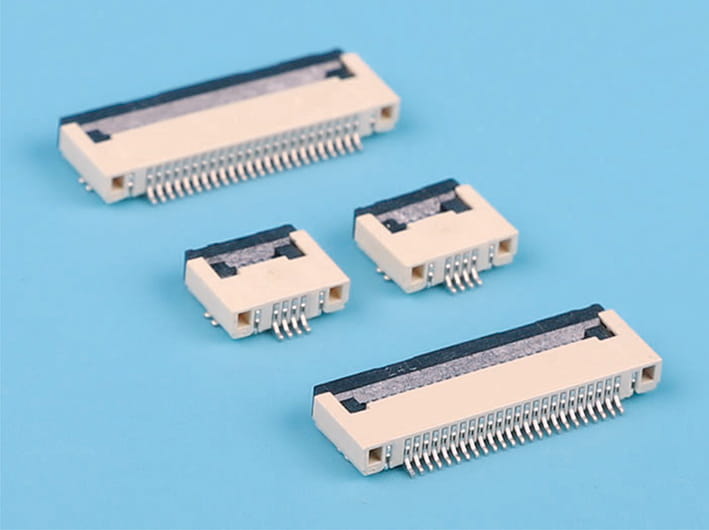
0.5mm pitch easy-on fpc flat ribbon connector, 2.0mm height, locking zif slide type, horizontal contact, flexible printed circuit board connector
-
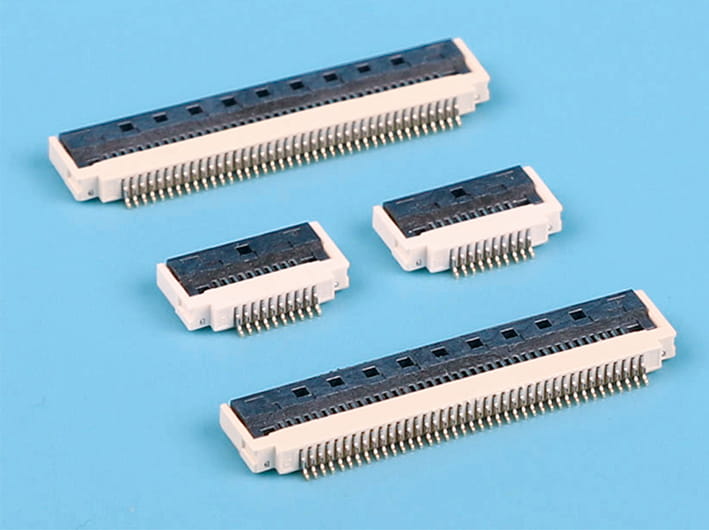
0.5mm pitch 2.0mm height, easy-on r/a with buckle fpc flat connectors, high-density integration flexible printed circuit board connectors
-
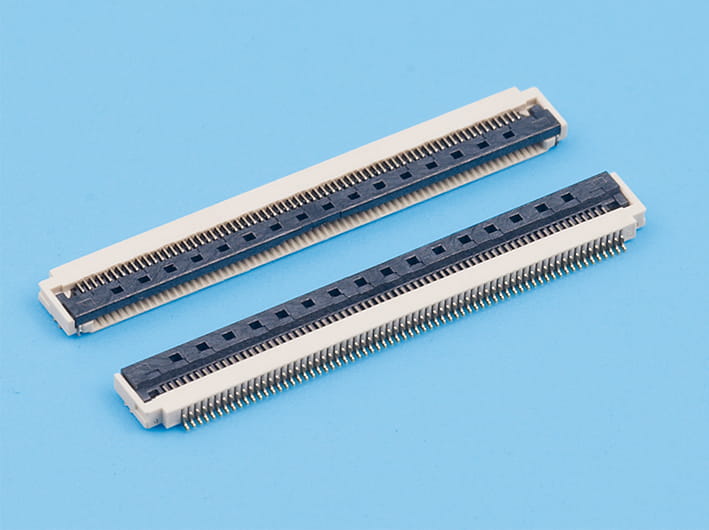
0.5mm Pitch, 2.0mm Height, Hinged Cover, Horizontal Mounting, Large Solder Pads
-

0.5mm pitch 2.0mm height back flip fpc flat connectors, horizontal insert, locking type, zif slide, pcb mount
-
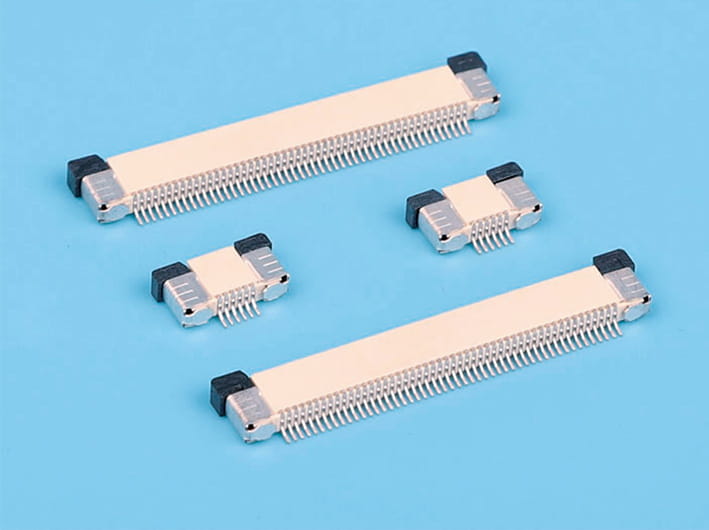
0.5mm Pitch, Ultra-Thin 2.0mm Horizontal FPC Connector (Pull-Out Locking Type, Top Contact Type)
-
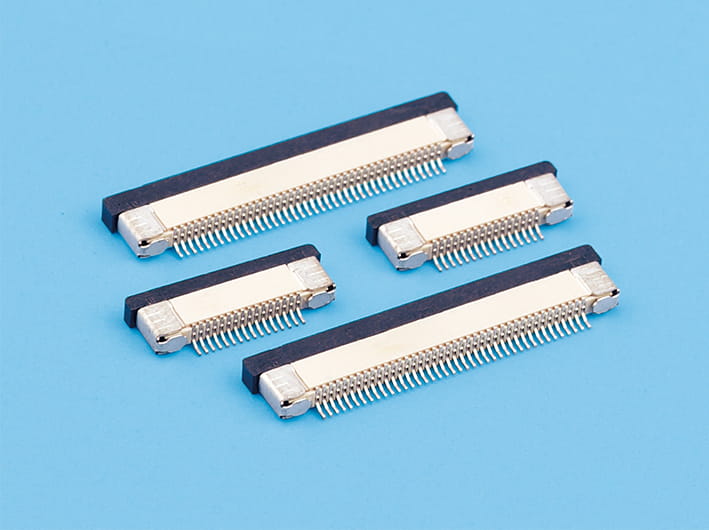
0.5mm Pitch, Ultra-Thin 2.0mm Horizontal FPC Connector (Pull-Out Locking Type, Bottom Contact Type)
-
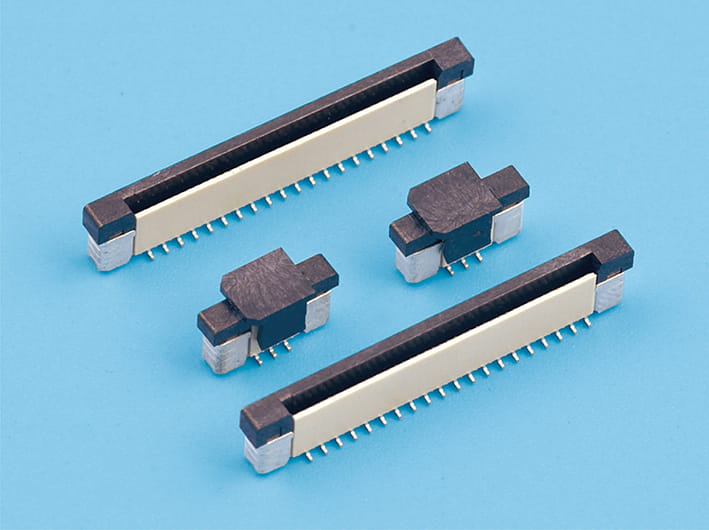
0.5mm pitch 4.5mm height fpc flat cable connector, zif s/t reversed pointer, locking slide
-
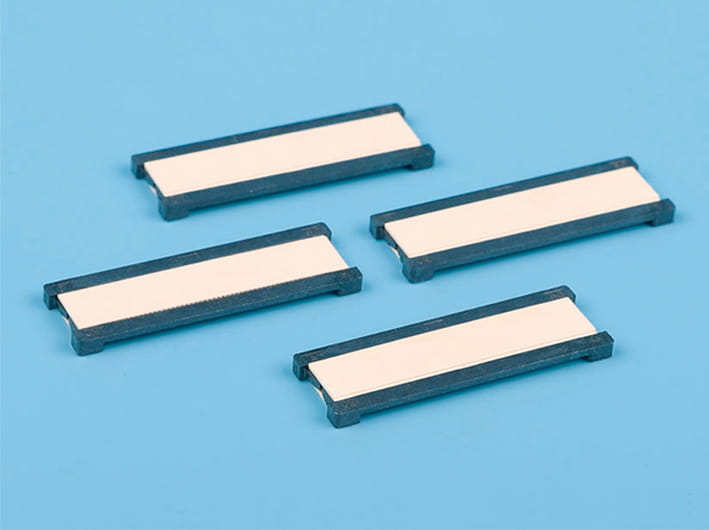
Double-side drawing fpc flat connector, 0.5mm pitch, 2.0mm/2.5mm height, flip type, for flexible cable, pcb mountable
CONTACT INFORMATION
-
Mr.Zhou(Sales manager)
Tel:+86(0)577-62369959
Tel:+86(0)577-62378959
MP:+86-13570877599
E-mail:[email protected]
Wechat:+86-13570877599
PRODUCT LINKS

Copyright © Zhejiang Wenda Electronics Co., Ltd. All Rights Reserved

Custom Electronic Connectors Manufacturer
