


 English
 中文简体
中文简体 Español
 عربى
عربىHigh-Speed Signal WTB Connectors: Key Electrical Characteristics
Introduction to High-Speed Connector Challenges
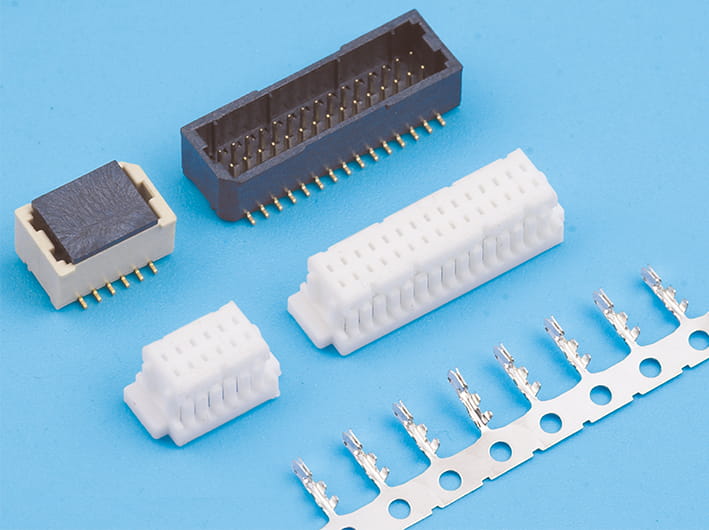
The WTB Wire to Board Connector plays a crucial role in connecting cables to printed circuit boards while maintaining signal integrity. In high-speed applications, such as data communication, industrial automation, or advanced consumer electronics, the electrical characteristics of the connector can significantly impact overall system performance. Improper selection or installation can cause signal degradation, increased crosstalk, or electromagnetic interference (EMI), compromising device functionality. Understanding these factors is essential for engineers to ensure reliable and efficient high-speed data transmission.
Impedance Matching
Importance of Characteristic Impedance: High-speed signals are sensitive to impedance mismatches. WTB Wire to Board Connectors must maintain consistent impedance along the signal path to prevent reflections and signal loss.
Connector Design for Matching: Connectors designed with controlled geometry, spacing between pins, and optimized trace layouts help maintain impedance consistency. When designing a PCB layout for the connector, engineers must match the connector impedance with the transmission line to reduce return loss and maintain signal integrity.
Crosstalk and Signal Coupling
Reducing Crosstalk: Crosstalk occurs when a signal from one channel interferes with a neighboring channel. High-speed WTB connectors should feature proper pin spacing, ground pins, and shielding techniques to reduce coupling between adjacent conductors.
Differential Pair Considerations: For differential signals, the connector should preserve the spacing and pairing throughout the connection. Maintaining a consistent differential impedance reduces noise and ensures accurate signal transmission.
Insertion Loss and Return Loss
- Insertion Loss: High-speed connectors introduce some signal attenuation. The selection of low-loss WTB Wire to Board Connectors is critical, especially at higher frequencies. Connector material, plating, and contact resistance influence the degree of insertion loss.
- Return Loss: Return loss measures how much signal is reflected toward the source. A well-designed connector reduces reflections, preserving the amplitude and integrity of transmitted signals. Engineers often use simulation tools to evaluate return loss across frequency ranges before finalizing connector selection.
Electromagnetic Compatibility (EMC)
- Shielding and Grounding: Proper grounding and optional shielding of WTB connectors help prevent EMI and ensure EMC compliance. High-speed signals are particularly susceptible to external noise, which can be transmitted through the connector if not properly managed.
- PCB Layout Strategies: Positioning ground traces and planes near the connector pins reduces radiated emissions and enhances signal quality. Careful routing reduces loops and potential EMI coupling between power and signal lines.
Contact Resistance and Reliability
- Importance of Low Contact Resistance: High-speed signals are sensitive to small voltage drops caused by contact resistance. WTB Wire to Board Connectors must use high-quality materials and plating, such as gold or nickel, to maintain low resistance and long-term performance.
- Mechanical Stability: Vibration, insertion, and repeated mating cycles can affect contact integrity. Choosing connectors with robust latching mechanisms and stable contacts ensures consistent electrical performance over time.
Temperature and Environmental Considerations
- Temperature Effects: High-speed connectors can experience signal degradation if materials expand or contract with temperature changes. Selecting materials with stable dielectric properties ensures variation in impedance.
- Moisture and Contaminants: Environmental factors such as humidity and dust can introduce leakage paths and increase insertion loss. Protective features and controlled environments help maintain reliable high-speed performance.
Designing for High-Speed Performance
WTB Wire to Board Connector selection for high-speed applications requires careful attention to impedance matching, crosstalk reduction, insertion and return loss, EMC management, and long-term reliability. Proper material choice, pin layout, and connector design all contribute to maintaining signal integrity. By addressing these electrical characteristics, engineers can ensure that high-speed connections perform reliably, supporting efficient data transmission and robust system operation in demanding applications.
Related Products
-
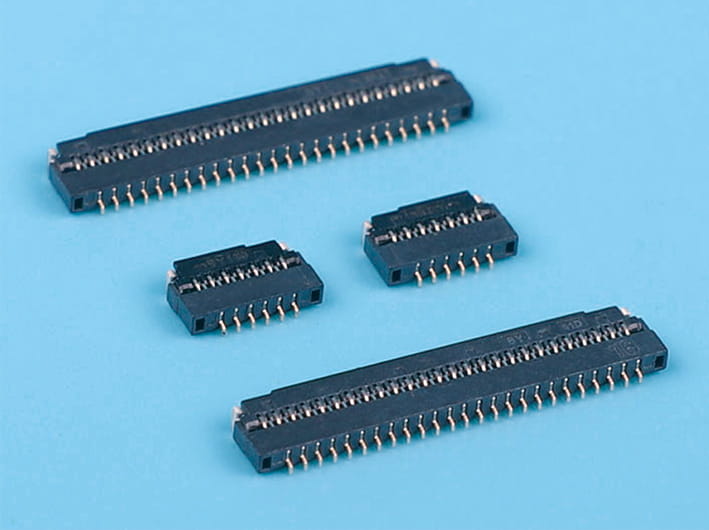
Easy-on fpc flat ribbon connector, 0.3mm pitch, 1.0mm height, flexible printed circuit connector, horizontal smt type
-

Back flip fpc flat flexible cable connector, 0.3mm pitch, 1.0mm height, bottom contact type for pcb board connections
-
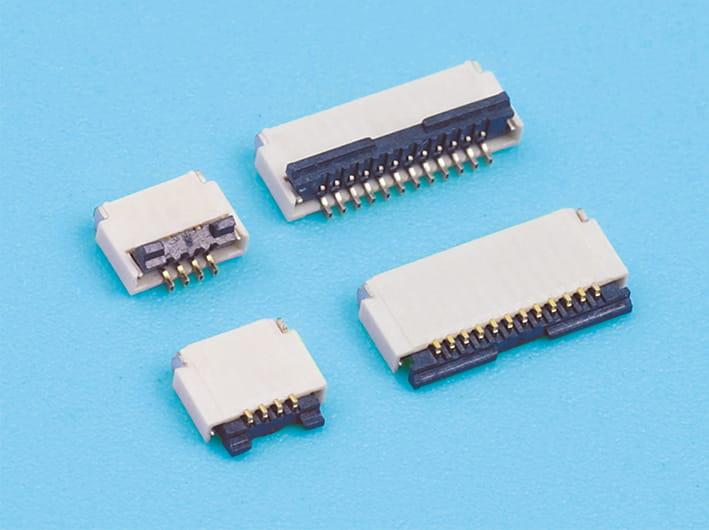
Back flip micro fpc flat cable connector, 0.5mm pitch, 1.0mm height, compact design, white, for data, signal transfer applications
-
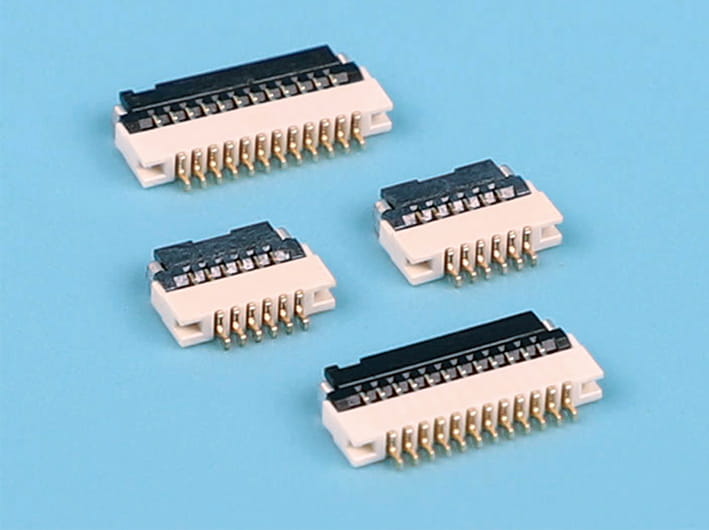
0.5mm Pitch, 1.0mm Height, Flip-Type Horizontal FPC Connector
-
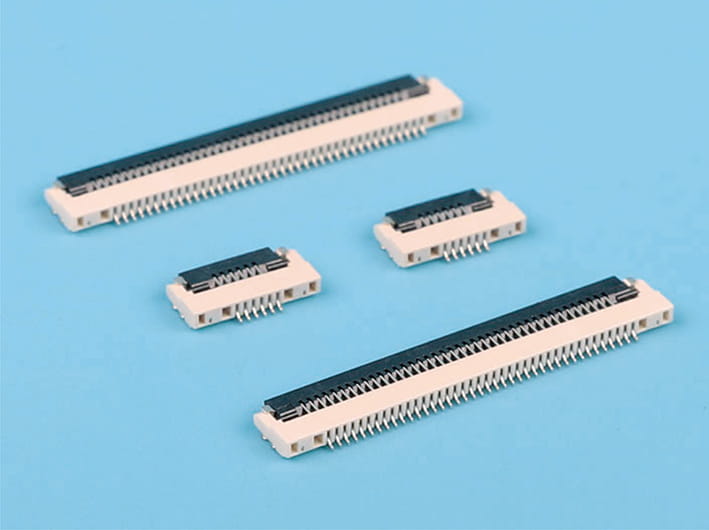
0.5mm pitch 1.2mm fpc flat cable connectors, horizontal smt type, flexible printed circuit connectors, secure locking
-
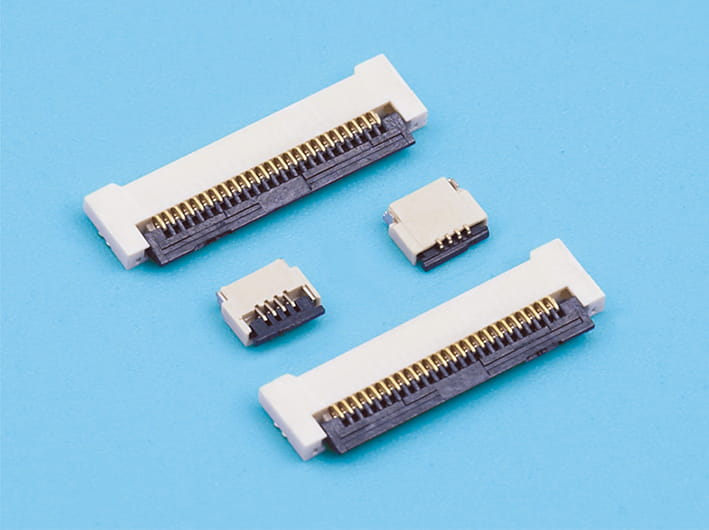
0.5mm Pitch, 1.2mm Height, Rear-Entry Horizontal FPC Connector
-
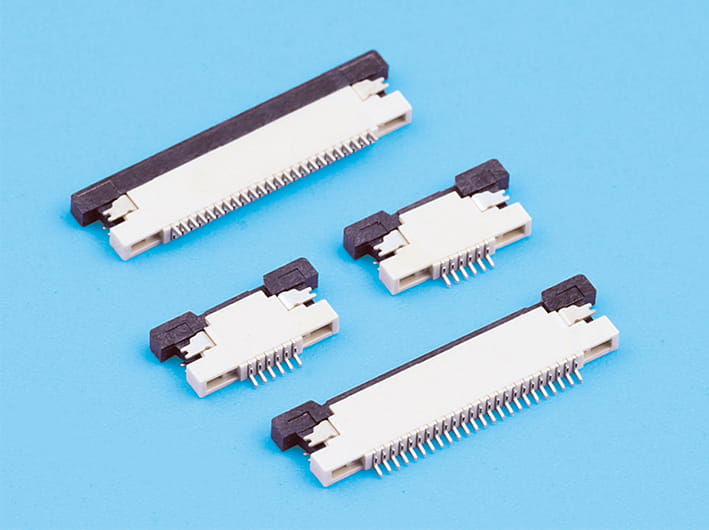
0.5mm pitch 1.2mm height fpc flat cable connector, zif r/a upper contact, locking slider, high-density integration, durable, for flexible printed circuits
-
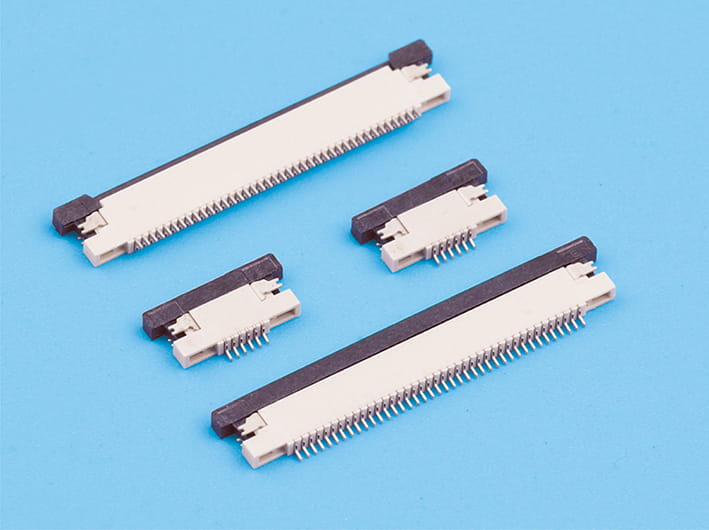
0.5mm pitch 1.2mm height fpc flat flexible cable connector, zif r/a down contact, for electronics and pcb boards
-
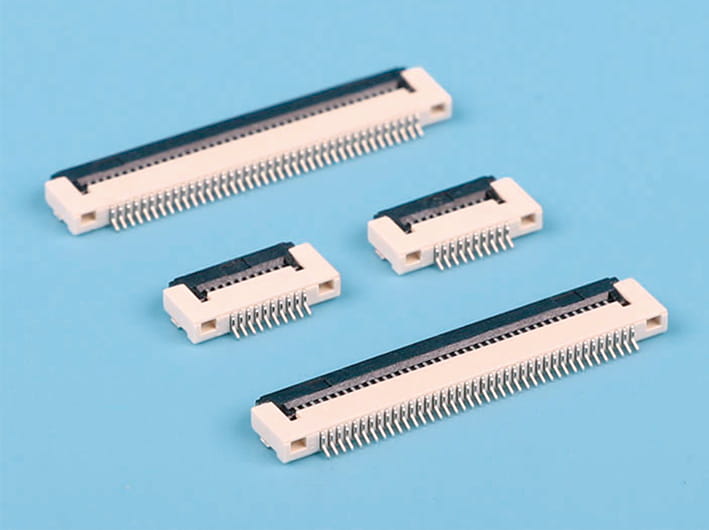
High-quality 0.5mm pitch 1.5mm height easy-on flat flexible cable fpc connector, horizontal type, locking-style, for pcb circuit board
-
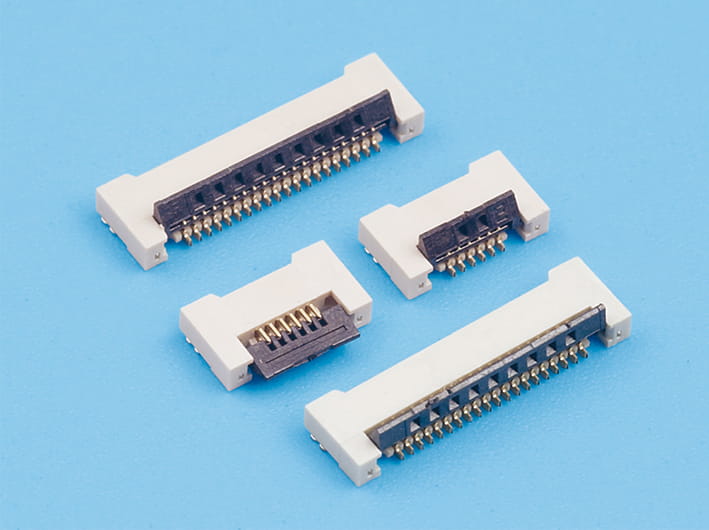
0.5mm pitch 1.5mm height back flip fpc flat connectors, zif slide type, flexible printed circuit cable connectors, horizontal contact
-
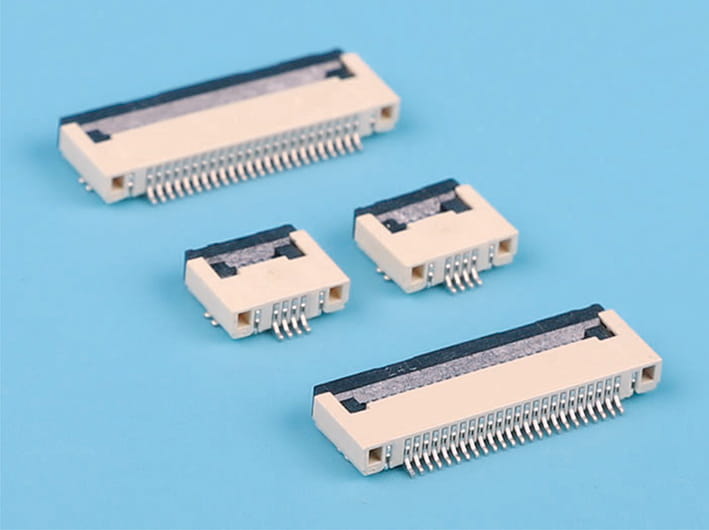
0.5mm pitch easy-on fpc flat ribbon connector, 2.0mm height, locking zif slide type, horizontal contact, flexible printed circuit board connector
-
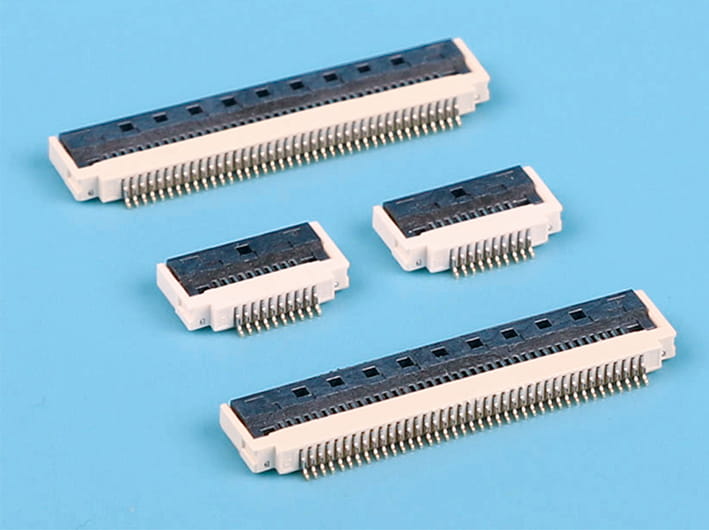
0.5mm pitch 2.0mm height, easy-on r/a with buckle fpc flat connectors, high-density integration flexible printed circuit board connectors
-
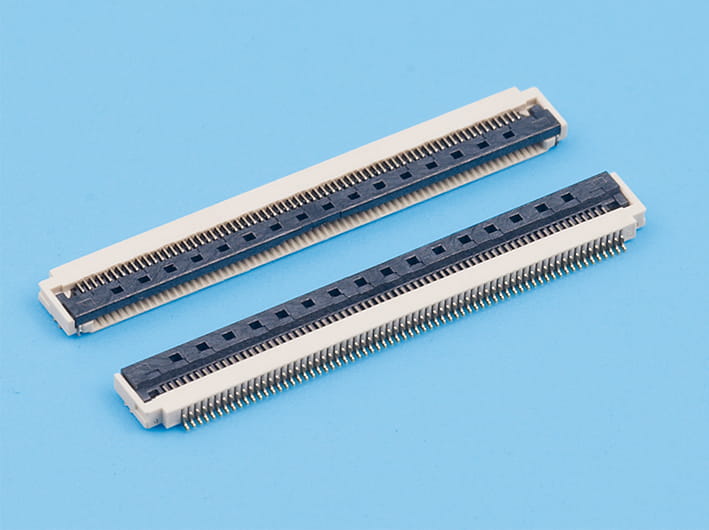
0.5mm Pitch, 2.0mm Height, Hinged Cover, Horizontal Mounting, Large Solder Pads
-

0.5mm pitch 2.0mm height back flip fpc flat connectors, horizontal insert, locking type, zif slide, pcb mount
-
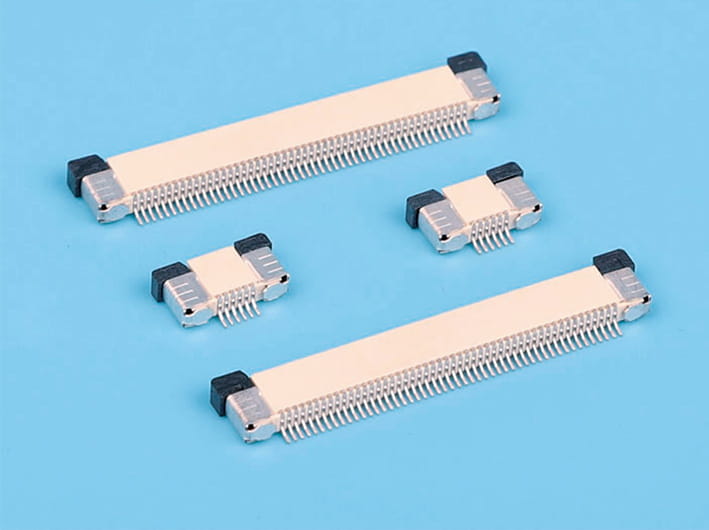
0.5mm Pitch, Ultra-Thin 2.0mm Horizontal FPC Connector (Pull-Out Locking Type, Top Contact Type)
-
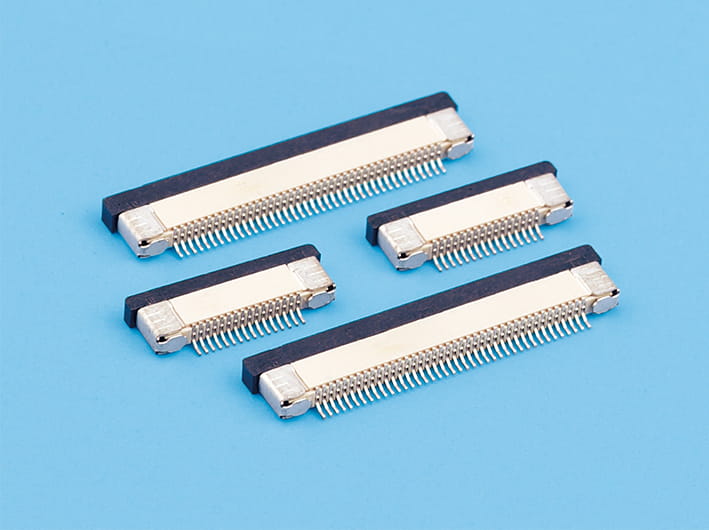
0.5mm Pitch, Ultra-Thin 2.0mm Horizontal FPC Connector (Pull-Out Locking Type, Bottom Contact Type)
-
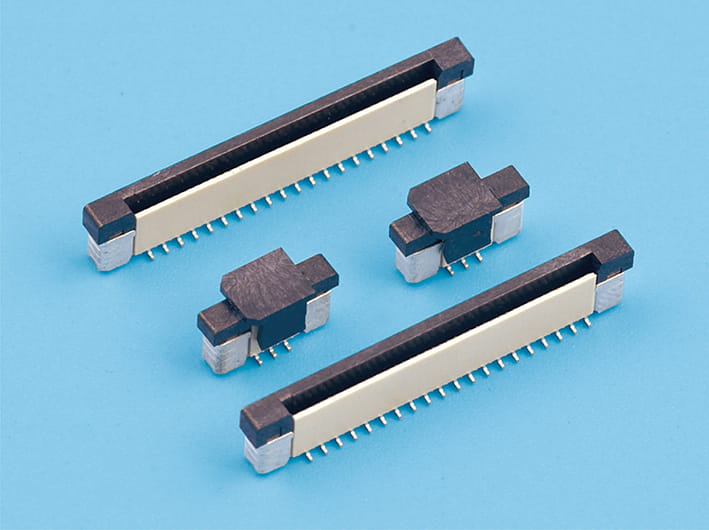
0.5mm pitch 4.5mm height fpc flat cable connector, zif s/t reversed pointer, locking slide
-
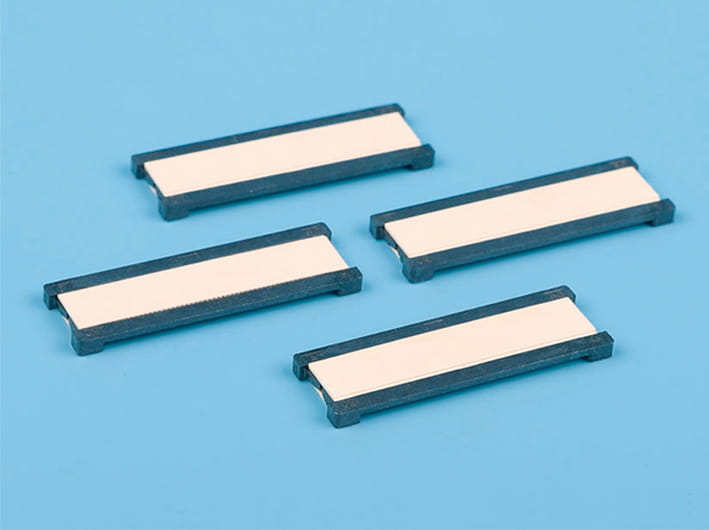
Double-side drawing fpc flat connector, 0.5mm pitch, 2.0mm/2.5mm height, flip type, for flexible cable, pcb mountable
CONTACT INFORMATION
-
Mr.Zhou(Sales manager)
Tel:+86(0)577-62369959
Tel:+86(0)577-62378959
MP:+86-13570877599
E-mail:[email protected]
Wechat:+86-13570877599
PRODUCT LINKS

Copyright © Zhejiang Wenda Electronics Co., Ltd. All Rights Reserved

Custom Electronic Connectors Manufacturer
