


 English
 中文简体
中文简体 Español
 عربى
عربىInside a China FPC Connector Factory: From Design to Production
Electronics these days seem to be shrinking and getting smarter almost every year — devices keep getting smaller, lighter, and more connected than before. Behind all that progress, there's a whole world of tiny components quietly doing the heavy lifting to keep things running. FPC connectors are a good example of that — small, easy to overlook, but genuinely important.
At first glance, an FPC connector might look like nothing special, just a simple little part. But making one properly actually takes a fair amount of planning, careful design work, and tightly controlled manufacturing. Even a small tweak in structure or material choice can end up affecting how well the connector performs once it's inside a real device.
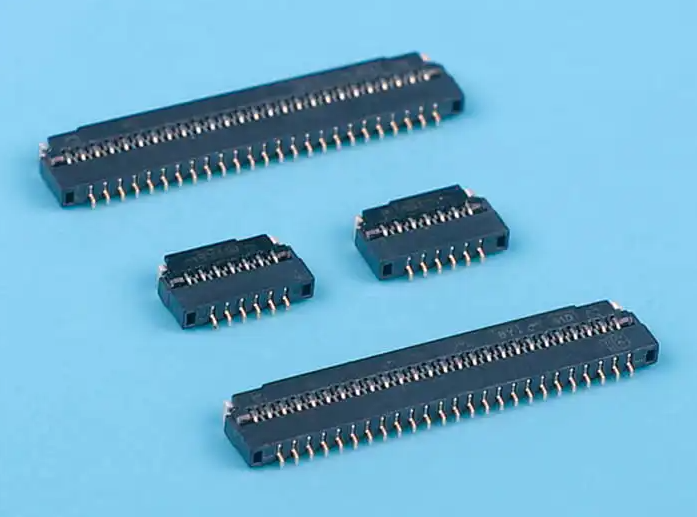
China has really become a major hub for producing these connectors. A lot of factories there aren't just cranking out parts on an assembly line — many are also deeply involved in product design, customization, and staying in close contact with customers to work through technical details together.
Getting a sense of how these connectors move from initial design to actual production can be genuinely useful for buyers — it gives a clearer picture of what goes into making them, and what's actually worth paying attention to when picking a manufacturing partner.
What Role Does an FPC Connector Play in Modern Electronics?
FPC connectors are used to connect flexible printed circuits with other electronic parts. Flexible circuits are widely used where space saving and compact designs are needed.
Unlike traditional connection methods, flexible circuit solutions allow designers to create products with more adaptable internal structures. This makes FPC connectors useful in many electronic applications.
They can be found in areas such as:
| Application Area | Common Product Examples |
|---|---|
| Consumer electronics | Portable devices and smart products |
| Display systems | Screen-related equipment |
| Communication products | Electronic communication devices |
| Industrial equipment | Control and monitoring products |
The connector itself is small, but its role is important. It needs to fit precisely into the overall product design while maintaining stable performance during use.
This is why manufacturers spend significant time on design planning and production control.
How Does the Design Process Begin in an FPC Connector Factory?
Before production starts, the factory team needs to understand the customer's requirements. This stage often involves discussions between engineers, designers, and buyers.
Customers may provide information about the intended application, installation space, and product expectations. Engineers then use this information to create a suitable design direction.
The design process usually considers several aspects:
- Product structure
- Connection method
- Material choice
- Assembly requirements
- Production possibility
A good design is not only about creating a working product. It also needs to consider whether the design can be produced consistently in a factory environment.
This connection between design thinking and manufacturing experience is an important part of FPC connector development.
How Do Engineers Turn Customer Ideas Into Practical Designs?
A concept needs to become a realistic product before entering production. This requires close cooperation between engineering teams and manufacturing departments.
Engineers review the design from different angles. They consider how each part will be formed, assembled, and inspected.
During this stage, factories may adjust certain details to make production smoother. These changes are not always visible to customers, but they can influence the final result.
A practical design needs to balance:
| Design Consideration | Purpose |
|---|---|
| Structure planning | Helps the connector fit the target application |
| Material selection | Supports stable production |
| Manufacturing process | Makes large-scale production possible |
| Customer requirements | Keeps the product aligned with market needs |
Experienced factories understand that successful production starts long before machines begin operating.
What Happens During Material Preparation?
Picking the right materials is one of the real decisions that shapes how well an FPC connector ends up performing. Different parts of the connector are doing different jobs, so it only makes sense that the materials used for each section need to actually match what that part is meant to do.
Once the design is finalized, the factory starts preparing materials accordingly. This step actually needs more attention than people might assume, since inconsistent materials early on can end up causing headaches further down the production line.
A few things factories typically weigh when choosing materials:
- How strong and stable the material needs to be
- Whether it's actually practical to process with the equipment on hand
- How it'll affect the final look of the product
- Whether it can hold up over long-term use
A factory that actually knows what it's doing doesn't just grab whatever material happens to be in stock. It thinks through how different materials will interact with each other as production moves forward, step by step.
How Are FPC Connectors Manufactured Step by Step?
After the design and preparation stages are completed, production begins. Manufacturing involves several connected steps.
Product Forming
The factory creates individual parts according to the approved design. Each component needs to match the intended structure.
Component Assembly
Different parts are combined to form the complete connector. This stage requires careful handling because FPC connectors contain small structures.
Production Inspection
During manufacturing, workers and inspection teams check product conditions. Problems can be identified early, helping maintain production consistency.
Final Review
Before products leave the factory, finished items are checked again to confirm that they meet customer requirements.
Although the process may seem straightforward, each stage requires cooperation between people, equipment, and management systems.
How Do China FPC Connector Factories Manage Quality?
Quality control is one of the main concerns for buyers. A connector that does not meet expectations may affect the performance of the final electronic product.
For this reason, factories usually create inspection procedures throughout the production process.
Quality management may include:
| Inspection Stage | Main Purpose |
|---|---|
| Material checking | Confirms incoming materials meet requirements |
| Production monitoring | Helps identify problems during manufacturing |
| Product inspection | Reviews finished connector conditions |
| Order review | Ensures products match customer expectations |
Quality control is not only a final step. It runs through the entire manufacturing process.
Factories with organized quality systems can respond better to customer requirements and maintain more stable production.
Why Is Factory Experience Important When Choosing a Supplier?
Picking an FPC connector supplier isn't just about finding somewhere that can physically make the parts. Buyers really need to think about whether the factory actually understands what goes wrong during manufacturing — and more importantly, how to deal with it when it does.
Factories that have been doing this a while tend to have a much better handle on:
- Talking things through with customers without a lot of back-and-forth confusion
- Planning out production in a way that actually makes sense
- Adjusting designs when something needs to change mid-process
- Keeping orders organized and on track
Figuring out manufacturing issues before they turn into bigger problems
That kind of hands-on experience makes a real difference when things don't go exactly as planned. If a customer suddenly needs a change, a factory that's dealt with similar situations before can usually offer suggestions that actually make sense, instead of just guessing.
How Do Manufacturers Support Customized FPC Connector Requirements?
Electronic products are different from one another. A connector used in one application may not always fit another design.
Because of this, customization has become an important service for many FPC connector factories.
Customization may involve:
- Product structure adjustments
- Different appearance requirements
- Special packaging needs
- Application-based designs
The customization process requires communication between the buyer and the factory. Clear information helps engineers understand what the customer needs.
A factory with strong design support can help customers move from an initial idea to a finished product.
What Should Buyers Look for in a China FPC Connector Factory ?
Selecting a factory requires more than comparing product prices. Buyers often need to evaluate the supplier from several perspectives.
Important factors include:
| Factor | Reason for Consideration |
|---|---|
| Design ability | Supports product development |
| Production capacity | Helps manage order requirements |
| Quality management | Influences product consistency |
| Communication ability | Makes cooperation smoother |
| Customization support | Provides more flexibility |
A suitable factory should match the buyer's business needs. Different companies may have different priorities depending on their market and product plans.
The right supplier is usually the one that can provide stable cooperation, clear communication, and reliable manufacturing support.
How Is the FPC Connector Industry Changing?
Electronics keep pushing toward smaller designs and more flexible structures, and that shift is putting new pressure on component manufacturers to keep up.
FPC connector factories these days are focusing more on:
- Actually helping with product development, not just manufacturing
- Making production more efficient without cutting corners
- Keeping communication with customers clear and consistent
- Staying flexible enough to adjust production methods when needed
The relationship between manufacturers and buyers has been shifting too. Customers aren't just looking for someone to supply parts anymore — a lot of them want a partner who's actually willing to get involved earlier, during the development stage itself, rather than just showing up once the design is already locked in.
China's FPC connector factories seem to be adjusting to this shift pretty actively, putting more effort into their design services, tightening up how they manage production, and rethinking how they work together with customers overall.
Why Does the Journey From Design to Production Matter?
The process behind an FPC connector involves many stages. A finished product represents the cooperation of design teams, production workers, engineers, and quality management teams.
From the design discussion to final production inspection, every step influences the product outcome.
For buyers, understanding this process provides a clearer view of what makes a reliable FPC connector supplier. The factory behind the product plays an important role in supporting stable electronic manufacturing and long-term business cooperation.
Related Products
-
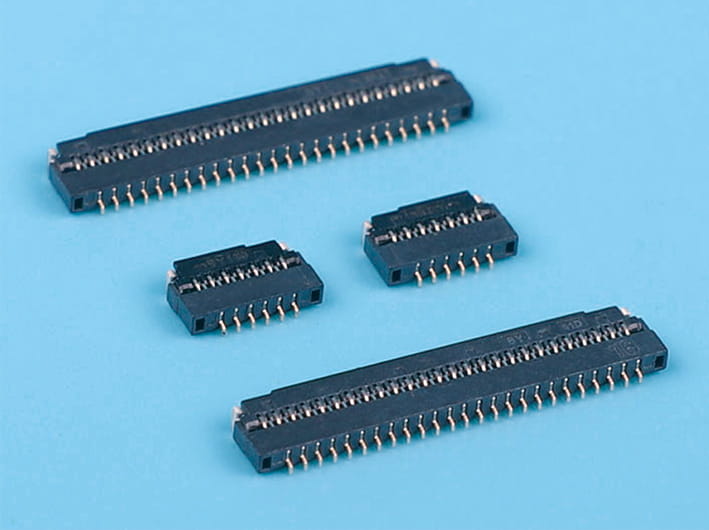
Easy-on fpc flat ribbon connector, 0.3mm pitch, 1.0mm height, flexible printed circuit connector, horizontal smt type
-

Back flip fpc flat flexible cable connector, 0.3mm pitch, 1.0mm height, bottom contact type for pcb board connections
-
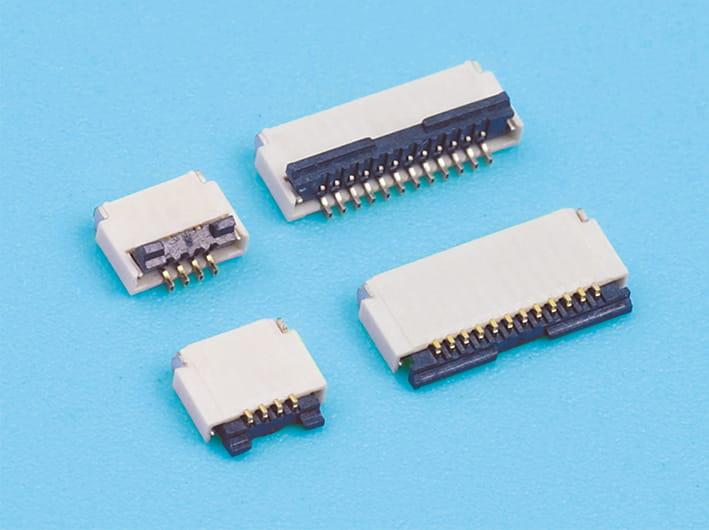
Back flip micro fpc flat cable connector, 0.5mm pitch, 1.0mm height, compact design, white, for data, signal transfer applications
-
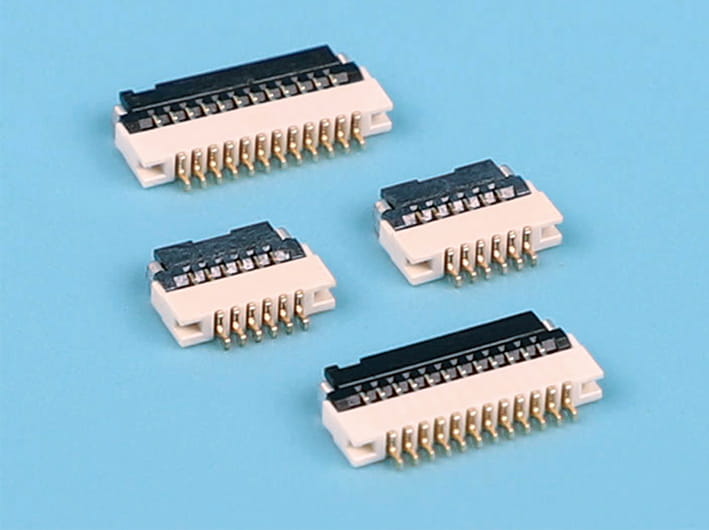
0.5mm Pitch, 1.0mm Height, Flip-Type Horizontal FPC Connector
-
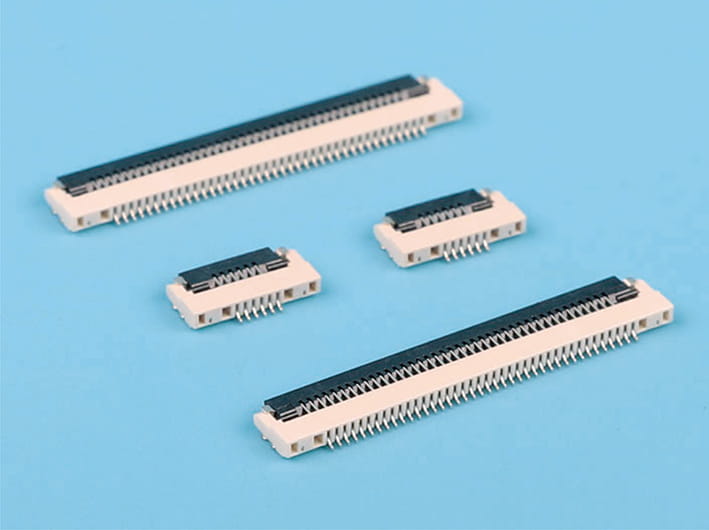
0.5mm pitch 1.2mm fpc flat cable connectors, horizontal smt type, flexible printed circuit connectors, secure locking
-
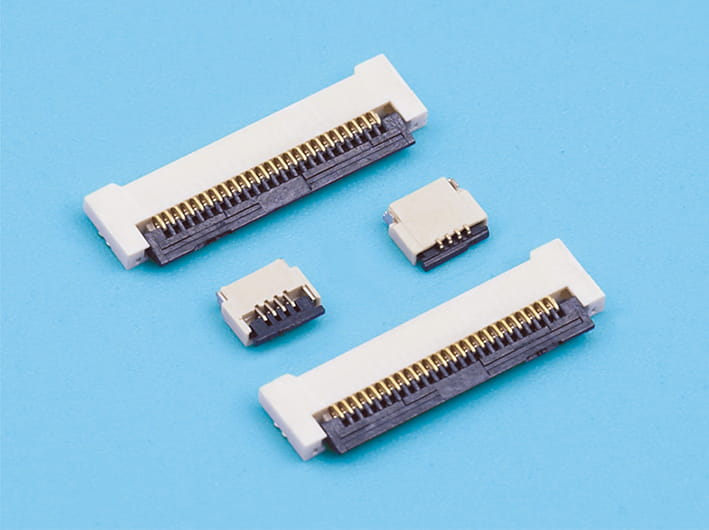
0.5mm Pitch, 1.2mm Height, Rear-Entry Horizontal FPC Connector
-
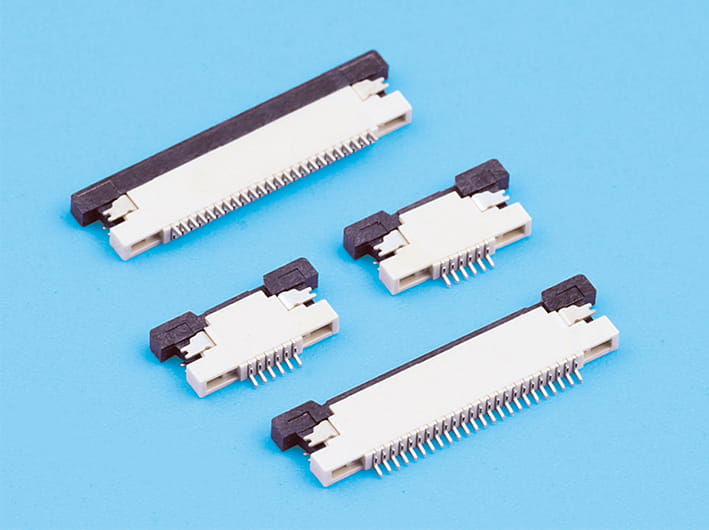
0.5mm pitch 1.2mm height fpc flat cable connector, zif r/a upper contact, locking slider, high-density integration, durable, for flexible printed circuits
-
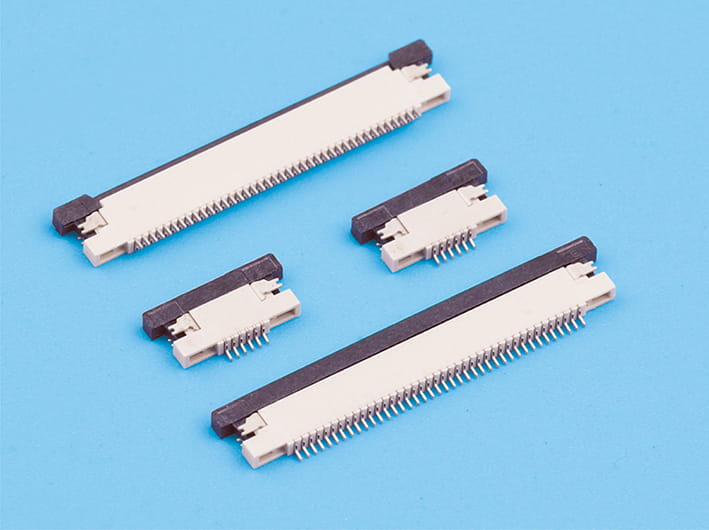
0.5mm pitch 1.2mm height fpc flat flexible cable connector, zif r/a down contact, for electronics and pcb boards
-
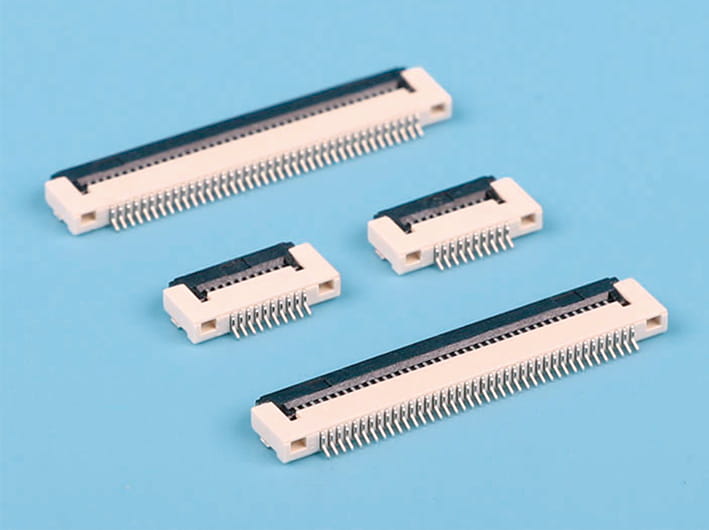
High-quality 0.5mm pitch 1.5mm height easy-on flat flexible cable fpc connector, horizontal type, locking-style, for pcb circuit board
-
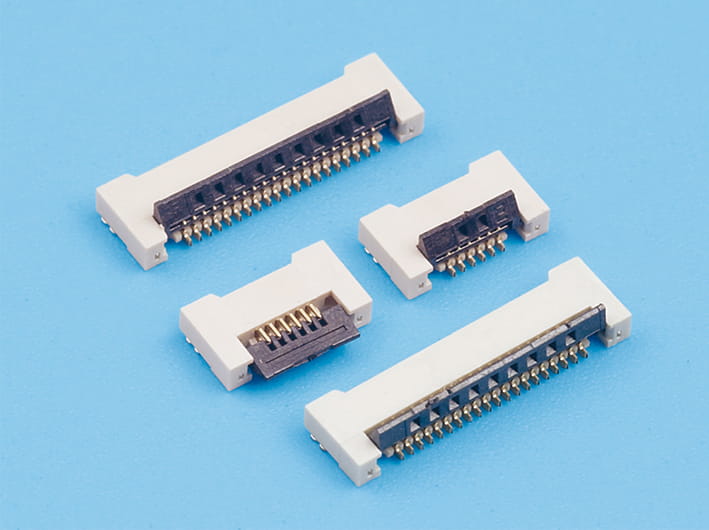
0.5mm pitch 1.5mm height back flip fpc flat connectors, zif slide type, flexible printed circuit cable connectors, horizontal contact
-
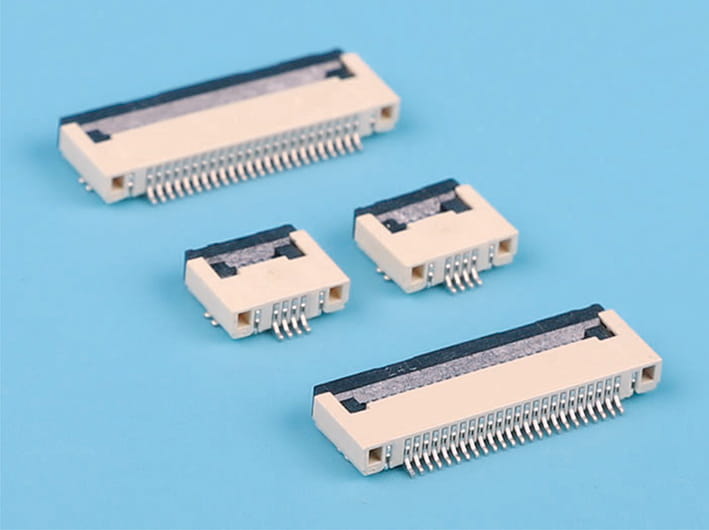
0.5mm pitch easy-on fpc flat ribbon connector, 2.0mm height, locking zif slide type, horizontal contact, flexible printed circuit board connector
-
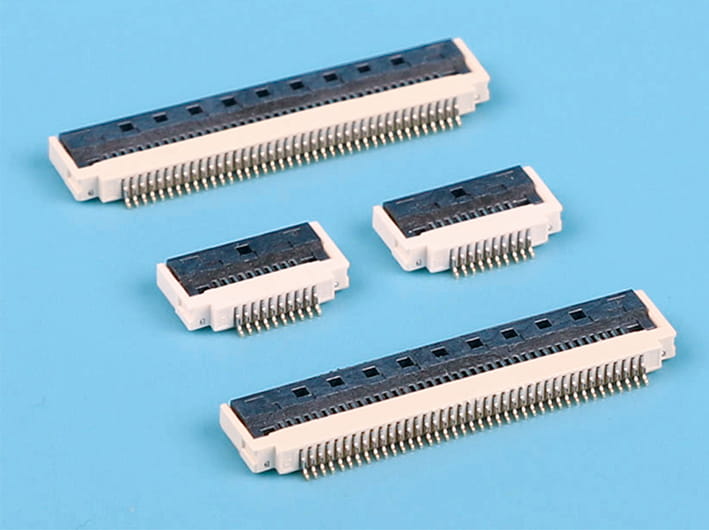
0.5mm pitch 2.0mm height, easy-on r/a with buckle fpc flat connectors, high-density integration flexible printed circuit board connectors
-
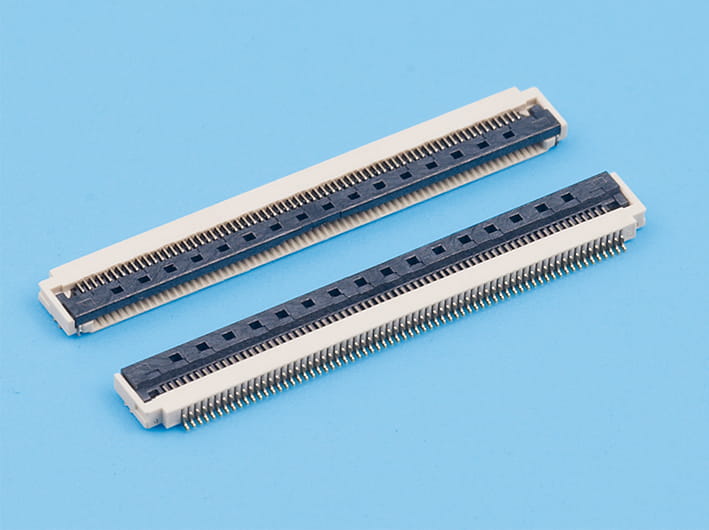
0.5mm Pitch, 2.0mm Height, Hinged Cover, Horizontal Mounting, Large Solder Pads
-

0.5mm pitch 2.0mm height back flip fpc flat connectors, horizontal insert, locking type, zif slide, pcb mount
-
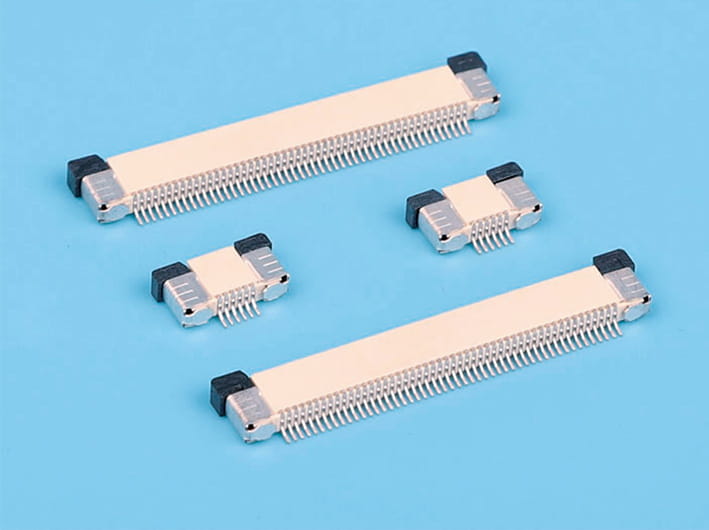
0.5mm Pitch, Ultra-Thin 2.0mm Horizontal FPC Connector (Pull-Out Locking Type, Top Contact Type)
-
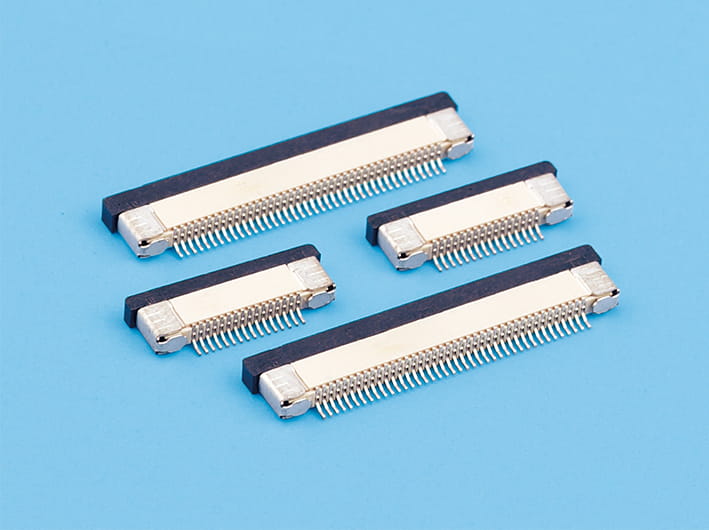
0.5mm Pitch, Ultra-Thin 2.0mm Horizontal FPC Connector (Pull-Out Locking Type, Bottom Contact Type)
-
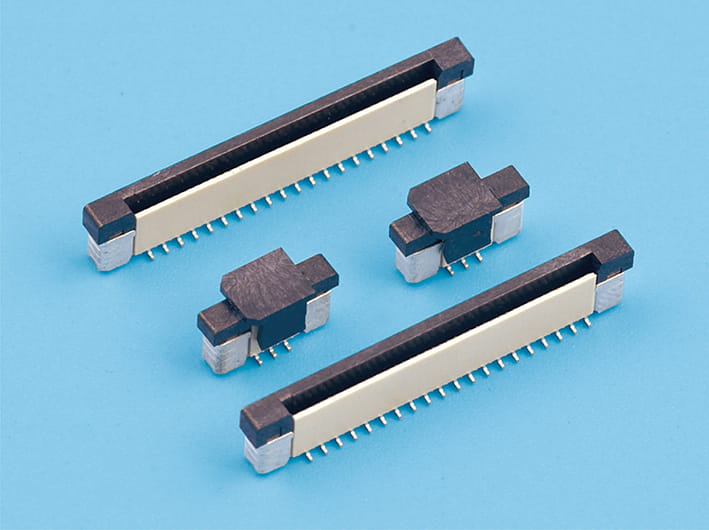
0.5mm pitch 4.5mm height fpc flat cable connector, zif s/t reversed pointer, locking slide
-
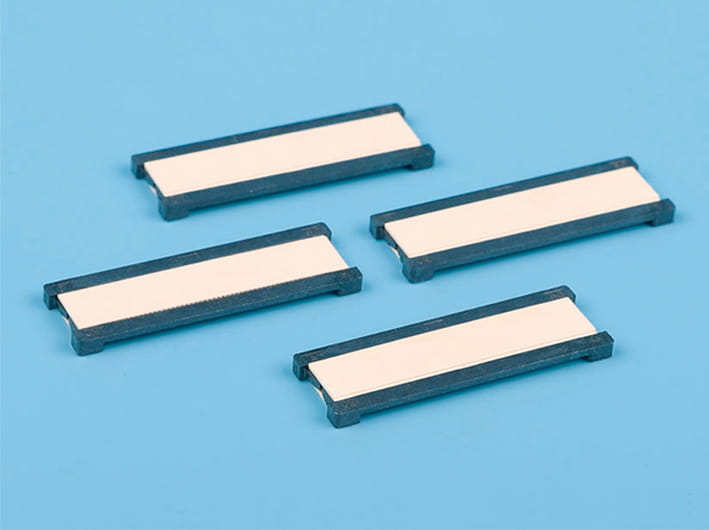
Double-side drawing fpc flat connector, 0.5mm pitch, 2.0mm/2.5mm height, flip type, for flexible cable, pcb mountable
CONTACT INFORMATION
-
Mr.Zhou(Sales manager)
Tel:+86(0)577-62369959
Tel:+86(0)577-62378959
MP:+86-13570877599
E-mail:[email protected]
Wechat:+86-13570877599
PRODUCT LINKS

Copyright © Zhejiang Wenda Electronics Co., Ltd. All Rights Reserved

Custom Electronic Connectors Manufacturer
