


 English
 中文简体
中文简体 Español
 عربى
عربىWhat Is a China FPC Connector and How Does It Work
Electronics keep shrinking, and that's pushed manufacturers toward flexible printed circuits — boards that bend and fold into spaces rigid ones can't reach.
An FPC connector links that flexible board to the rest of the device, letting signals pass between sections without bulky wiring. Since flexible circuits fit into tight or oddly shaped spots, these connectors show up wherever traditional methods run out of room.
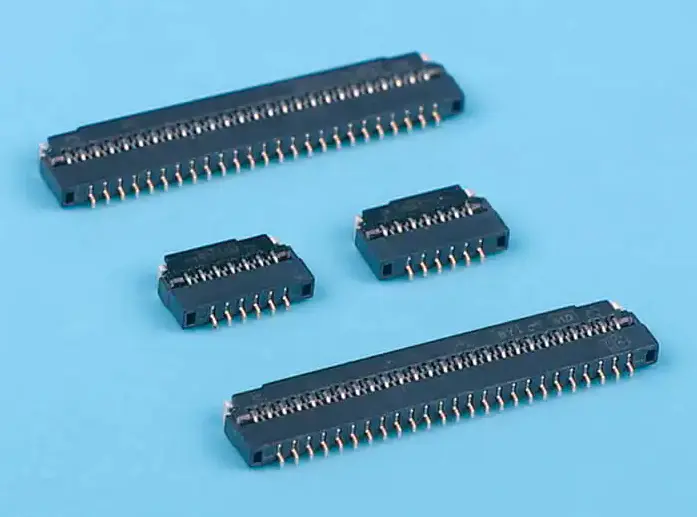
China has built strong capacity here. Companies worldwide work with China-based suppliers for their production experience and range of connector options.
For engineers and designers, knowing how these connectors work makes it easier to see where they fit into a product's overall design.
What Makes a China FPC Connector Different From Traditional Connectors?
Electronic devices are becoming more compact. Internal space is often limited, and manufacturers need connection methods that can fit into smaller product structures.
Traditional connectors usually work with rigid circuit boards and fixed layouts. However, flexible printed circuits can bend and move around different internal areas. This creates new possibilities for product design.
A FPC connector is developed to support this type of flexible circuit connection. It provides a connection point between the flexible circuit and another part of the electronic system.
Unlike simple wiring methods, FPC connectors can help create a cleaner internal structure. They reduce the need for multiple wires and provide a more organized way to connect different modules.
Some common characteristics of FPC connectors include:
| Feature | Description |
|---|---|
| Flexible connection support | Designed for flexible circuit applications |
| Compact structure | Suitable for products with limited internal space |
| Organized layout | Helps simplify internal connections |
| Easy integration | Can be included in different product designs |
The growing use of portable and smart electronic products has increased interest in flexible connection solutions. Manufacturers are looking for components that can support changing product structures while maintaining stable connections.
How Does a China FPC Connector Work Inside an Electronic Device?
The working process of an FPC connector is simple to understand. It creates a physical and electrical connection between a flexible circuit and another electronic component.
The flexible printed circuit contains conductive areas that need to connect with the electronic system. The FPC connector holds the circuit in position and creates contact between these areas.
During assembly, the flexible circuit is placed into the connector. The connector structure keeps the circuit properly positioned. Once connected, signals can travel between different parts of the device.
The basic connection process usually includes:
- Preparing the flexible circuit for installation.
- Placing the circuit into the connector.
- Securing the connection position.
- Allowing electrical communication between connected parts.
Although the structure of an FPC connector may appear small, it plays an important role in the operation of many electronic products. A stable connection helps different components work together smoothly.
Manufacturers pay attention to connector design because small connection parts can influence the overall product experience. During product development, companies often consider factors such as installation convenience, product structure, and long-term use conditions.
Why Are China FPC Connectors Becoming More Common in Electronics Manufacturing?
Electronics keep shrinking, and that pressure shows up everywhere — thinner phones, lighter wearables, smart devices packed with more features but no extra room inside. FPC connectors have gained traction because they solve space and design problems traditional connectors can't.
Key Reasons
1.Saves Internal Space
Space inside devices is limited. FPC connectors are compact and bendable, letting flexible circuits fit into tight areas that rigid connectors can't reach — freeing up room for other components.
2. Adapts to Complex Shapes
Flexible circuits can wrap around curves, folds, and irregular structures. This gives designers more freedom when building curved bodies, foldable devices, or wearables.
3. Simplifies Assembly
A well-designed connector makes assembly cleaner — easier alignment, less manual adjustment, fewer errors. This matters most at scale.
4. Used Across Industries
FPC connectors aren't limited to one product type. Consumer electronics, medical devices, automotive systems, industrial equipment — all rely on flexible connections in some form.
Miniaturization and flexibility are long-term trends in electronics. FPC connectors fit that need directly. China-based suppliers have kept pace by iterating quickly, which is part of why their products see broader adoption.
What Applications Use China FPC Connectors?
FPC connectors are found in many electronic products. Their flexible design makes them suitable for different industries and applications.
| Industry | Application Examples |
|---|---|
| Consumer electronics | Internal connections in portable devices |
| Automotive electronics | Connection solutions for vehicle electronic systems |
| Medical equipment | Compact electronic modules and devices |
| Industrial products | Control systems and electronic equipment |
| Smart products | Flexible internal layouts |
In consumer electronics, product designers often need to fit many functions into smaller spaces. Flexible circuit connections can support this goal by helping organize internal components.
Automotive electronics have also become more complex. Vehicles now include more electronic systems, which creates demand for reliable connection components.
Medical equipment manufacturers often focus on compact designs. Flexible connection solutions can help reduce space requirements while maintaining product functions.
Industrial equipment may also require connectors that can work within specific product structures. FPC connectors provide another option for manufacturers developing electronic systems.
How Do China FPC Connector Manufacturers Support Product Development?
Most companies don't just buy an FPC connector off a shelf — they work with the supplier from the early design stage onward. That back-and-forth often ends up shaping how the final connector performs.
A typical project moves through a few stages: the supplier learns what the product needs, picks a connector structure that fits, adjusts the design for that specific use case, tests it for compatibility, then moves into production.
Design communication happens early. Suppliers need to know the size limits, how much flexing the connector will go through, what environment it's used in, expected lifespan — that kind of thing. Standard parts don't always match these needs, so pin count, pitch, or contact layout often get adjusted case by case.
Before committing to mass production, most manufacturers build samples first. This is where fit or performance problems show up while they're still cheap to fix. Once the design is settled, the supplier helps with tooling and process setup so quality stays consistent once volume ramps up.
Requirements vary a lot by product. A connector in a thin consumer device deals with different constraints than one in industrial equipment — vibration, heat, repeated flexing. That's part of why ongoing communication between supplier and manufacturer matters more than people expect.
China's manufacturing base helps here too. Suppliers have materials, tooling, and testing resources close by, which lets them adjust quickly across industries — consumer electronics, automotive, industrial — without long delays.
What Should Companies Consider When Selecting a China FPC Connector Supplier?
Finding a suitable supplier requires more than looking at product availability. Companies usually need to consider whether the supplier can support their specific project requirements.
Several aspects may influence the decision.
Product Understanding
A supplier should understand how the connector will be used. Knowledge of different applications can help provide more suitable solutions.
Manufacturing Capability
Production ability is an important factor for electronic components. Consistent manufacturing processes help companies maintain stable product development.
Communication Efficiency
Clear communication between buyers and suppliers can reduce misunderstandings during product development. This is especially important when working on customized projects.
Quality Management
Electronic components need stable production control. Suppliers with organized quality management processes can better support long-term cooperation.
Service Support
Product development often involves changes and adjustments. Suppliers that can provide timely support may help companies handle these changes more smoothly.
The right supplier relationship can support both product design and manufacturing goals.
How Are China FPC Connectors Changing With New Electronic Trends?
The electronics industry continues to change. New product concepts require components that can adapt to different design ideas.
FPC connectors are also developing with these market changes. Manufacturers are paying attention to smaller designs, flexible applications, and improved connection methods.
Several trends are influencing future development:
More Flexible Product Structures
As wearable devices and compact electronics continue to grow, flexible internal designs may become more common. FPC connectors can support these product concepts.
Increased Customization Needs
Different industries have different requirements. Manufacturers may need connectors that match specific product structures rather than general solutions.
Greater Focus on Manufacturing Efficiency
Companies are looking for ways to improve production processes. Connector manufacturers continue to explore better methods for supporting efficient manufacturing.
Wider Application Possibilities
Flexible connection technology may continue expanding into new areas. As more products include electronic functions, connection components will remain an important part of design.
The future of FPC connectors will depend on how manufacturers respond to changing product demands. Companies that understand market needs can create connection solutions that better match modern electronic designs.
Why Is the Role of China FPC Connectors Important for Modern Electronics?
Electronic products depend on many small components working together. While connectors may not always be visible to users, they provide an important link between different parts of a device.
FPC Connector Factory support flexible circuit applications and help manufacturers create more compact electronic products. Their ability to connect flexible circuits with other components makes them useful in many industries.
As product designs continue to change, manufacturers will continue searching for connection solutions that offer flexibility, convenience, and compatibility. FPC connectors remain an important component in this development process, supporting the connection needs of modern electronics.
Related Products
-
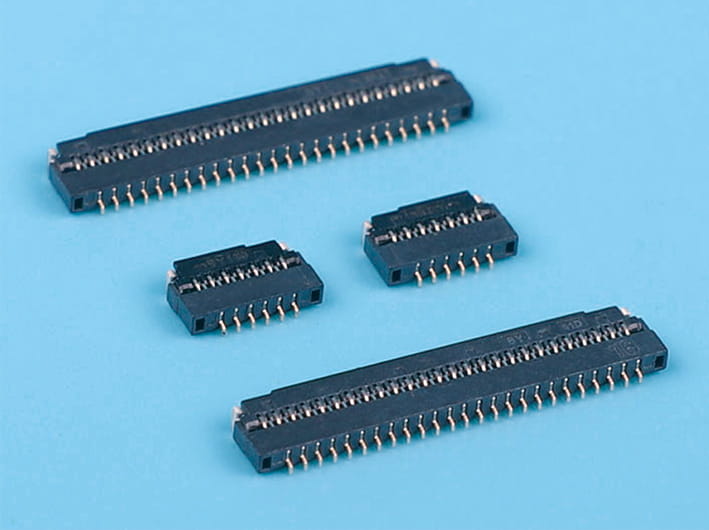
Easy-on fpc flat ribbon connector, 0.3mm pitch, 1.0mm height, flexible printed circuit connector, horizontal smt type
-

Back flip fpc flat flexible cable connector, 0.3mm pitch, 1.0mm height, bottom contact type for pcb board connections
-
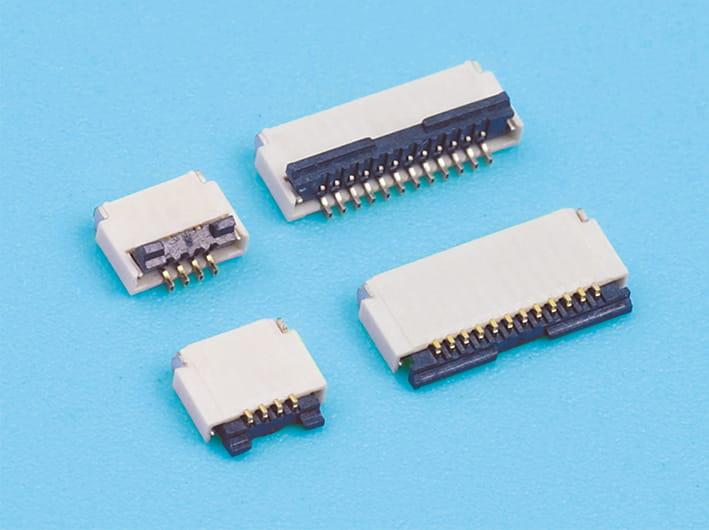
Back flip micro fpc flat cable connector, 0.5mm pitch, 1.0mm height, compact design, white, for data, signal transfer applications
-
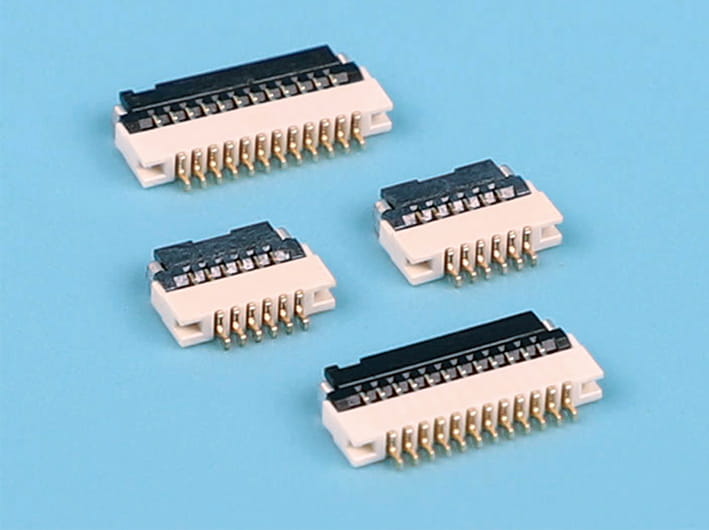
0.5mm Pitch, 1.0mm Height, Flip-Type Horizontal FPC Connector
-
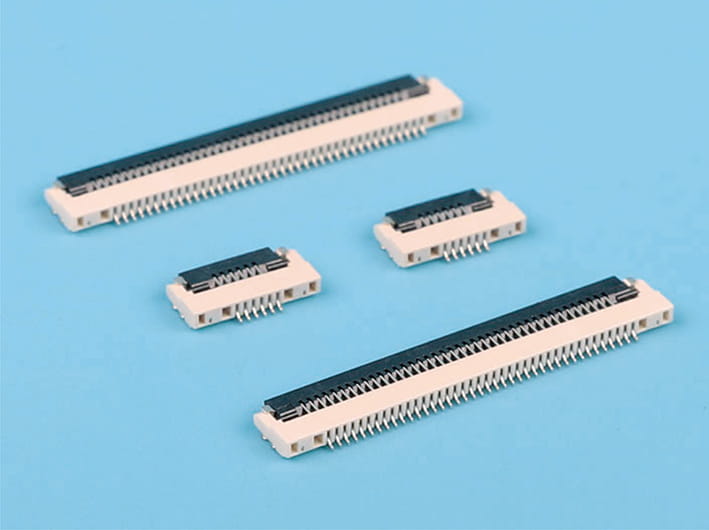
0.5mm pitch 1.2mm fpc flat cable connectors, horizontal smt type, flexible printed circuit connectors, secure locking
-
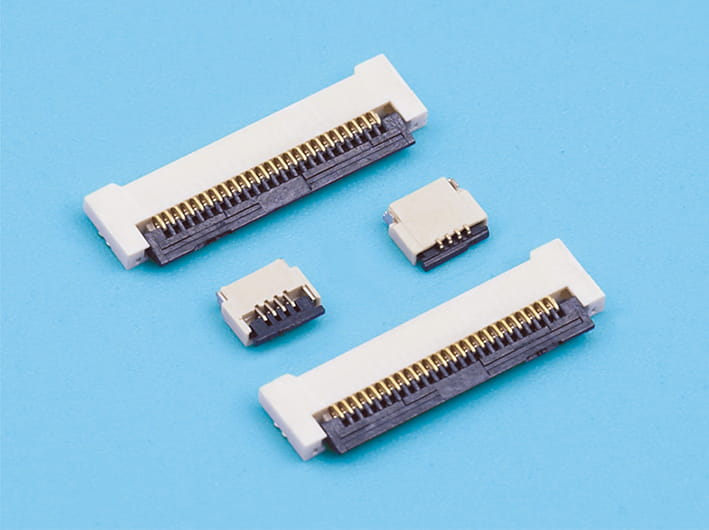
0.5mm Pitch, 1.2mm Height, Rear-Entry Horizontal FPC Connector
-
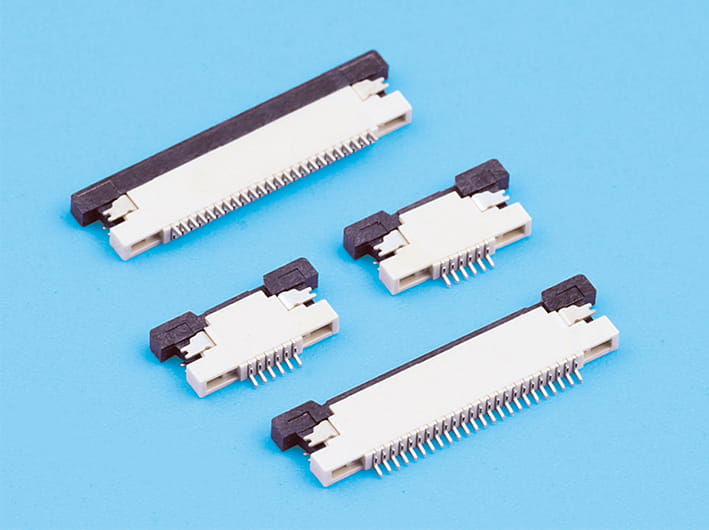
0.5mm pitch 1.2mm height fpc flat cable connector, zif r/a upper contact, locking slider, high-density integration, durable, for flexible printed circuits
-
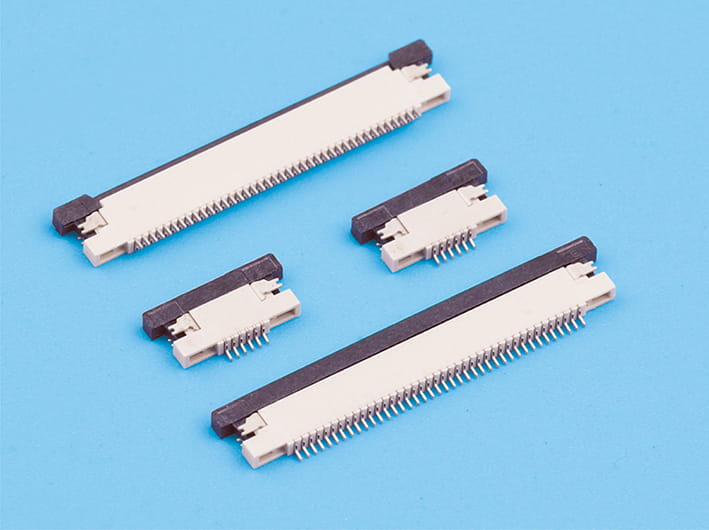
0.5mm pitch 1.2mm height fpc flat flexible cable connector, zif r/a down contact, for electronics and pcb boards
-
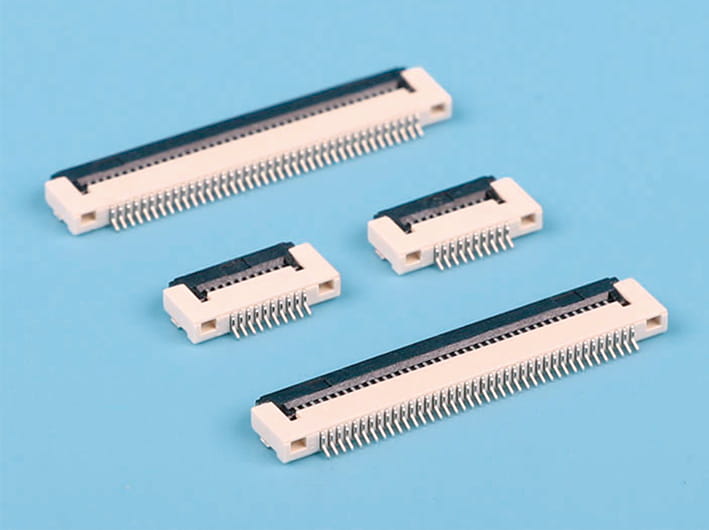
High-quality 0.5mm pitch 1.5mm height easy-on flat flexible cable fpc connector, horizontal type, locking-style, for pcb circuit board
-
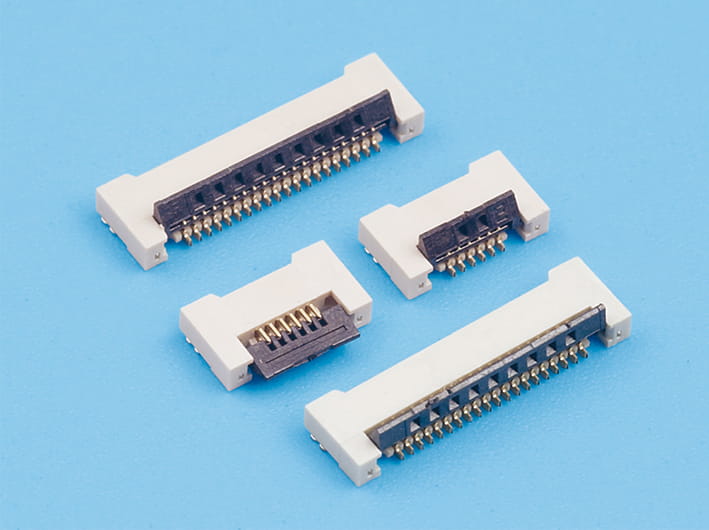
0.5mm pitch 1.5mm height back flip fpc flat connectors, zif slide type, flexible printed circuit cable connectors, horizontal contact
-
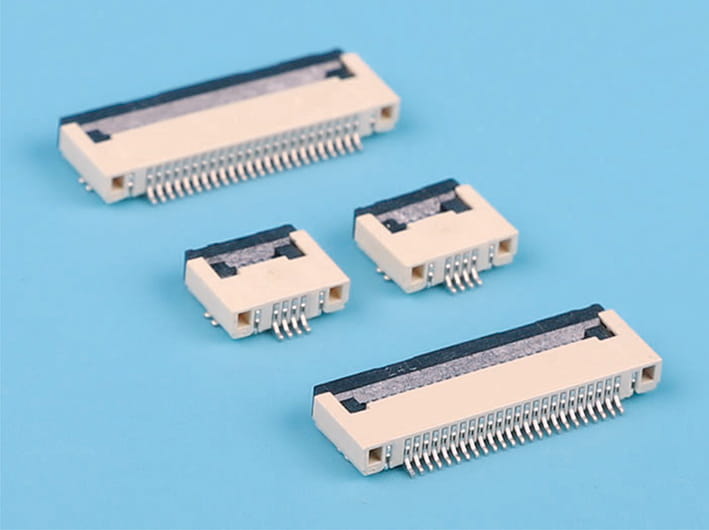
0.5mm pitch easy-on fpc flat ribbon connector, 2.0mm height, locking zif slide type, horizontal contact, flexible printed circuit board connector
-
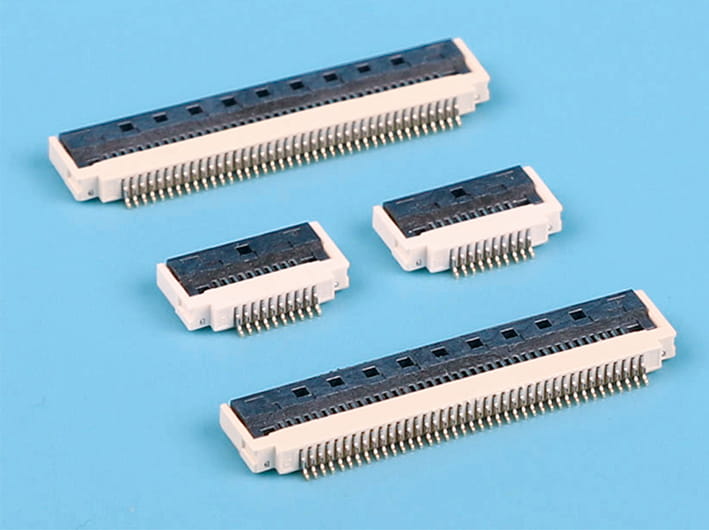
0.5mm pitch 2.0mm height, easy-on r/a with buckle fpc flat connectors, high-density integration flexible printed circuit board connectors
-
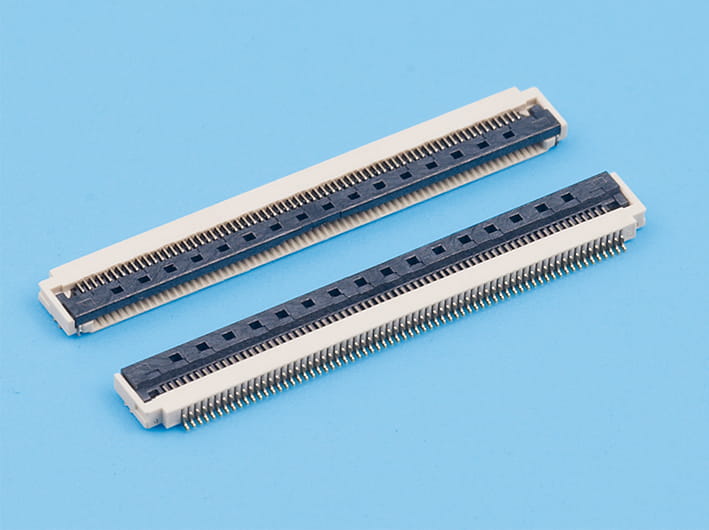
0.5mm Pitch, 2.0mm Height, Hinged Cover, Horizontal Mounting, Large Solder Pads
-

0.5mm pitch 2.0mm height back flip fpc flat connectors, horizontal insert, locking type, zif slide, pcb mount
-
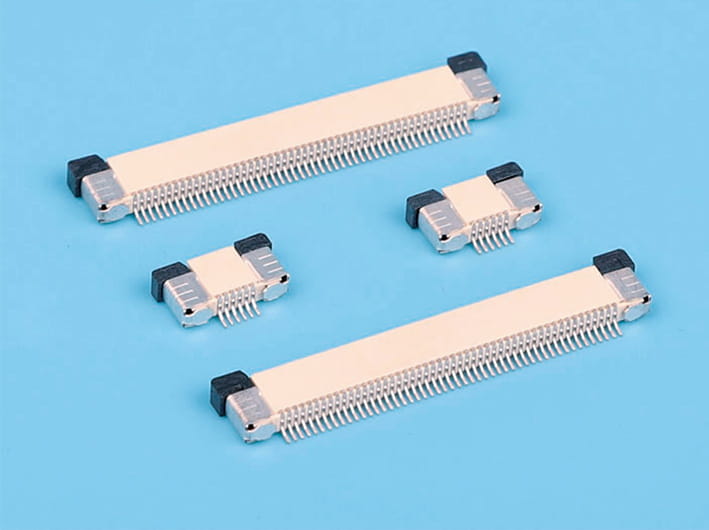
0.5mm Pitch, Ultra-Thin 2.0mm Horizontal FPC Connector (Pull-Out Locking Type, Top Contact Type)
-
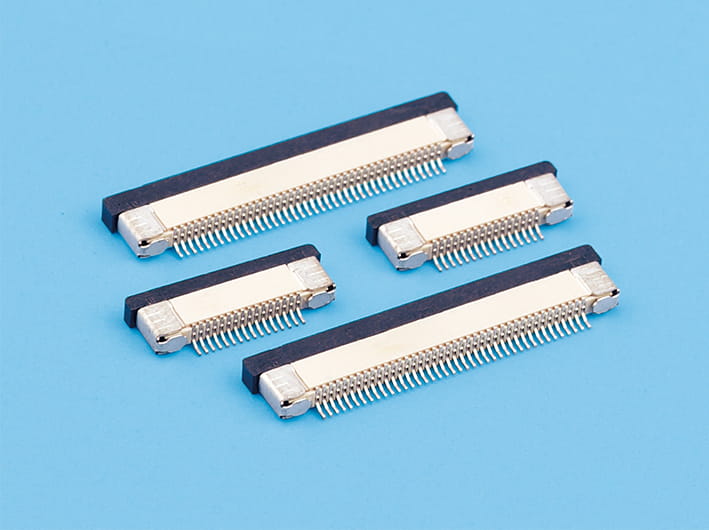
0.5mm Pitch, Ultra-Thin 2.0mm Horizontal FPC Connector (Pull-Out Locking Type, Bottom Contact Type)
-
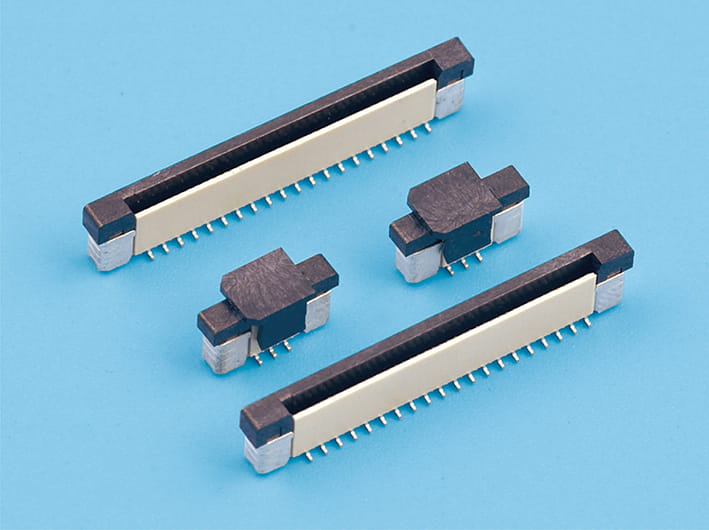
0.5mm pitch 4.5mm height fpc flat cable connector, zif s/t reversed pointer, locking slide
-
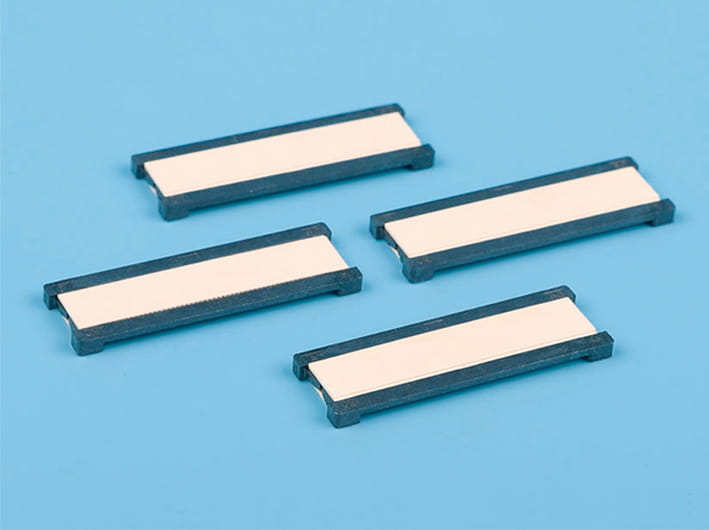
Double-side drawing fpc flat connector, 0.5mm pitch, 2.0mm/2.5mm height, flip type, for flexible cable, pcb mountable
CONTACT INFORMATION
-
Mr.Zhou(Sales manager)
Tel:+86(0)577-62369959
Tel:+86(0)577-62378959
MP:+86-13570877599
E-mail:[email protected]
Wechat:+86-13570877599
PRODUCT LINKS

Copyright © Zhejiang Wenda Electronics Co., Ltd. All Rights Reserved

Custom Electronic Connectors Manufacturer
