


 English
 中文简体
中文简体 Español
 عربى
عربىIndustry News
Home / News / Industry News / Board To Board Connector Manufacturer: Understanding Quality, Service, and Value
The demand for compact and reliable electronic connections continues to influence the development of the connector industry. As electronic devices become more diverse, companies are paying closer attention to the suppliers behind these small but important components.
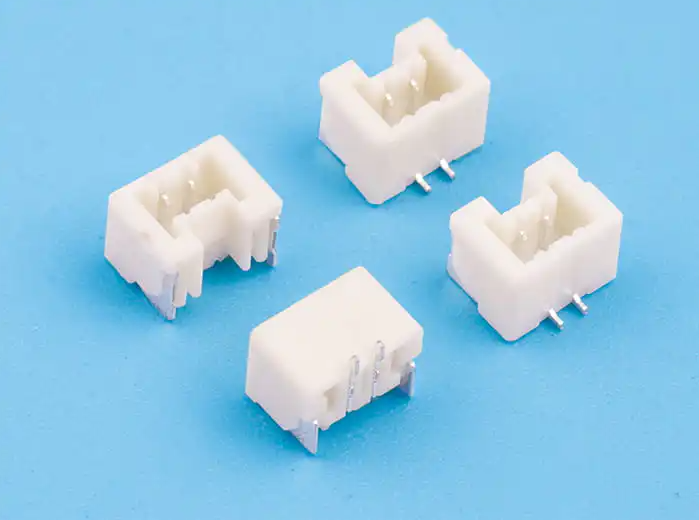
For many buyers, choosing a board to board connector manufacturer is no longer a simple purchasing decision. Price remains a consideration, but it is not the only factor that affects cooperation. Production experience, communication ability, product consistency, and service support are becoming part of the evaluation process.
In the current market environment, manufacturers are expected to do more than produce connectors. Many buyers are looking for partners who can understand project requirements, respond to changing needs, and provide practical support throughout cooperation.
Board-to-board connectors look like tiny simple parts, yet they're critical to the function of all electronic devices, so buyers can't afford to pick them carelessly. Picking the right connector solution relies on far more than just the part itself—you also have to account for device design, intended use and operating surroundings.
When businesses size up different manufacturers, they don't only compare the connectors they sell. They also check how each supplier runs production, stays in touch with clients, and handles unique custom requests.
Manufacturers that excel at collaboration simplify the whole procurement process. Open, straightforward communication cuts down miscommunication. When a supplier fully grasps what a customer needs, most production hiccups can be avoided from the start.
Many buyers now consider several areas before making a decision:
| Evaluation Area | Buyer Concern |
|---|---|
| Product consistency | Whether products maintain stable quality during supply |
| Production experience | Whether the manufacturer understands different requirements |
| Communication process | Whether information can be shared clearly |
| Service support | Whether questions can receive timely responses |
| Long-term cooperation | Whether the supplier can grow with customer needs |
This change shows that the relationship between buyers and manufacturers is becoming more connected.
Quality remains a central topic in connector purchasing. However, buyers today often view quality from a wider perspective.
It is not only about the final appearance of a product. It also involves how a manufacturer manages production details, controls consistency, and responds to customer feedback.
A stable manufacturing process helps create a more predictable supply experience. For companies that depend on regular production, this consistency can be important.
Many buyers pay attention to:
Quality is built through repeated attention to details. Small decisions during manufacturing can influence the overall experience of customers.
For this reason, many companies prefer suppliers that show careful management rather than focusing only on production speed.
Service has become an important difference between manufacturers. Two suppliers may provide similar products, but the cooperation experience can be completely different.
During the purchasing process, customers often need assistance with product discussions, application questions, and order arrangements. A manufacturer that communicates clearly can help customers move through these stages more smoothly.
Service is not limited to answering questions. It also reflects how a supplier approaches cooperation.
Common service areas include:
| Service Type | Practical Meaning |
|---|---|
| Product communication | Helping customers understand available options |
| Requirement discussion | Reviewing project needs before production |
| Order coordination | Keeping cooperation organized |
| Feedback response | Addressing customer opinions and suggestions |
| Continuous support | Maintaining communication after delivery |
For many businesses, good service reduces uncertainty. It helps create confidence between both sides.
How a factory handles all kinds of issues hinges largely on its industry experience. Suppliers that've dealt with countless custom demands can easily spot potential problems before they pop up during collaboration.
Years spent making connectors is only one part of valuable manufacturing experience. Factories also learn from every past project and keep refining their production techniques step by step.
Suppliers with solid experience have a firm grasp of these key areas:
This accumulated expertise saves buyers plenty of time working together. There's no need to explain basic procedures from scratch every time, as both sides already share a clear grasp of the whole workflow.
Electronic products continue to develop in different directions. Because of this, many companies need connectors that match their own product designs.
This has changed the relationship between customers and manufacturers. Buyers are increasingly interested in suppliers that can discuss requirements and provide suitable suggestions.
Customization does not simply mean changing a product. It involves understanding why a customer needs a certain design and how the connector will be used.
A manufacturer that listens carefully can provide more practical support. Communication becomes an important part of product development.
The process usually involves:
This approach helps manufacturers become more involved in the customer's development process.
The value of a manufacturer is not only reflected in the products they supply. Many buyers now evaluate the overall experience of cooperation.
A supplier can create value through several areas:
| Value Source | Impact on Buyers |
|---|---|
| Industry understanding | Helps provide practical suggestions |
| Communication ability | Makes cooperation easier |
| Production management | Supports stable supply |
| Problem-solving ability | Helps handle unexpected situations |
| Cooperation experience | Builds long-term trust |
This broader view changes how companies compare suppliers.
A manufacturer offering a lower quotation may attract attention, but buyers often consider whether the overall cooperation experience matches their expectations.
The decision is becoming less about a single purchase and more about building a reliable supply relationship.
Connector buyers now have higher and shifting standards. Factories can no longer only offer standard parts; clients expect suppliers to adjust to brand-new customized demands quickly.
Most makers put much more effort into talking and building steady partnerships with buyers. Learning about each client's industry and actual usage scenarios is now a daily priority for their teams.
Production flexibility has also become a major focus. Every customer comes with unique specs, so suppliers must deliver fast, targeted solutions for varied orders.
Today's market mainly calls for these improvements:
All these new demands push manufacturers to rethink their production plans and upgrade their overall service systems.
Choosing a manufacturing partner requires careful evaluation. A supplier may look suitable at first, but deeper communication often reveals whether both sides are a good match.
Companies usually consider questions such as:
Does the manufacturer understand the application?
A supplier with relevant experience may provide more useful suggestions during the selection process.
Can the manufacturer handle changing requirements?
Projects may develop over time, so flexibility can become an important advantage.
How does the manufacturer communicate with customers?
Clear communication helps both sides manage expectations.
Does the supplier focus on long-term cooperation?
A stable relationship often provides more value than a single transaction.
Can the manufacturer provide support beyond production?
Many buyers now expect suppliers to participate in problem-solving and product discussions.
These questions help companies evaluate manufacturers from a broader perspective.
The connection between buyers and board to board connector manufacturers is becoming more collaborative. Companies are no longer only searching for a place to purchase products. They are looking for suppliers that understand their goals.
Quality, service, and value are becoming closely connected. A manufacturer that pays attention to these areas can create a smoother cooperation experience and better support changing customer requirements.
As the electronics industry continues to develop, the role of connector manufacturers will continue to expand from production providers into long-term industry partners.


Copyright © Zhejiang Wenda Electronics Co., Ltd. All Rights Reserved

Custom Electronic Connectors Manufacturer

