


 English
 中文简体
中文简体 Español
 عربى
عربىHow Do Power Board to Board Connector Help Reduce Wiring Complexity
Inside many electronic products, the space behind the outer shell is becoming more valuable. Designers need to arrange more functions into smaller areas, while production teams need a structure that is easier to assemble and manage.
One challenge appears again and again during product development: how to connect different circuit boards without creating a complicated internal wiring system.
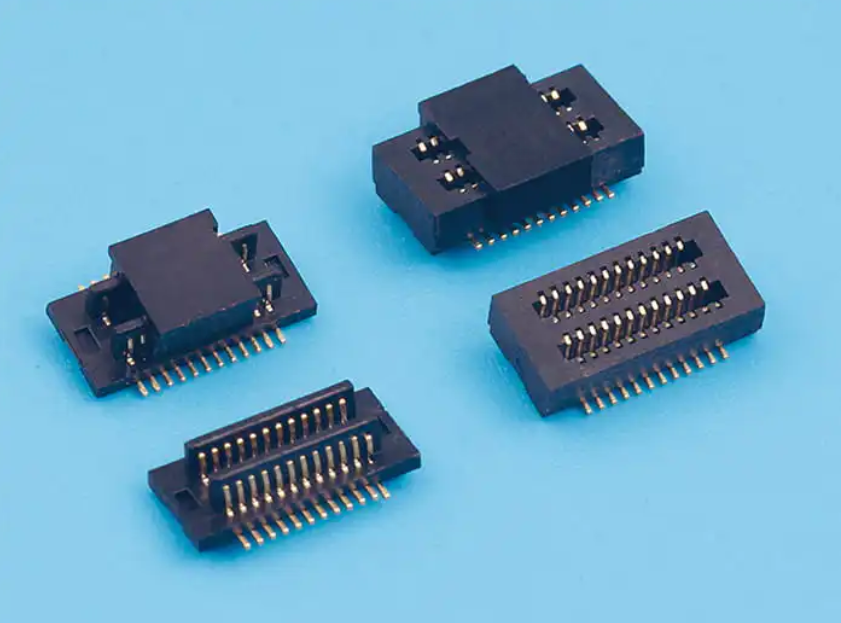
Traditional cables can complete many connection tasks. However, when a product contains multiple boards and more functions, the number of wires can quickly increase. This may affect the internal layout and make assembly work more difficult.
A power board to board connector offers another way to build connections. By connecting two boards directly, it can reduce the need for separate wires and create a cleaner internal structure.
For electronic manufacturers, this type of connection method is becoming an important part of product design discussions. It is not only related to space saving but also connected with assembly, maintenance, and future product changes.
Why Are Manufacturers Looking for Simpler Internal Connection Methods?
Engineers have dozens of details to sort out when designing electronics. Component placement, circuit board layout, and power transmission between modules all shape the finished product.
Basic small devices rarely run into wiring trouble. Just a handful of cables are enough to link all internal parts smoothly.
Things get complicated as products grow more powerful and feature-rich. Extra circuit boards mean far more connecting points, and keeping dozens of separate wires organized quickly becomes a hassle.
A complicated wiring structure may bring several concerns:
| Internal Design Issue | Possible Effect |
|---|---|
| Too many cables | More work during assembly |
| Difficult wire arrangement | Less flexibility in product design |
| Crowded internal space | More challenges during development |
| Complex maintenance process | Harder inspection and repair |
Manufacturers are looking for connection methods that create a more organized structure. This is one reason why board to board connector solutions are receiving more attention.
The goal is not simply to remove every wire. Instead, it is about finding a connection method that matches the product design.
How Does a Power Board to Board Connector Change the Way Boards Are Connected?
Power board-to-board connectors link two circuit boards straight to each other. Unlike loose separate wires, they give designers a new way to lay out a device's inside.
Most electronics have multiple boards with separate jobs. One might supply power, while another takes care of control signals and other functions.
Direct board-to-board links make the layout between these modules much neater.
This connection style improves several key parts of production and design:
- Tidier internal layout
- Faster assembly work
- More flexible product structure design
- Better use of limited inner space
Design teams save plenty of trouble with this streamlined connection solution.
Engineers no longer need to map out routes for dozens of individual wires. They only have to figure out how to align and attach boards together.
This setup works better for compact devices where internal space and neat layout are top priorities.
Where Are Power Board to Board Connectors Commonly Used?
Power board to board connectors appear in many types of electronic equipment. Their applications are not limited to one specific product category.
Different industries choose these connectors for different reasons. Some focus on compact design, while others care about assembly convenience or internal organization.
Common application areas include:
| Industry | Connection Requirements |
|---|---|
| Consumer electronics | Compact and organized internal design |
| Industrial devices | Stable connections between boards |
| Communication equipment | Efficient board arrangement |
| Smart products | Flexible internal structures |
| Control systems | Multiple electronic sections working together |
In consumer products, manufacturers often need to balance size and function. A smaller product usually requires more careful internal planning.
In industrial equipment, designers may focus more on reliability and easier maintenance.
Because applications vary, suppliers need to understand different product situations instead of offering a single approach for every customer.
How Can Board to Board Connectors Make Assembly Work Easier?
Production teams pay close attention to assembly processes. Even small design choices can influence how smoothly products move through manufacturing.
When many cables are involved, workers need to identify, arrange, and connect each wire correctly. This can add extra steps during production.
A board to board connector can simplify some of these tasks by creating a more direct connection between boards.
For assembly teams, this may create a more straightforward workflow.
The changes can be seen in several areas:
Clearer Assembly Steps
A structured connection design can make it easier for workers to understand how different parts fit together.
Less Manual Wire Management
Reducing separate cable arrangements can make internal assembly cleaner.
Easier Product Handling
A more organized structure may make later inspection or adjustments more convenient.
For manufacturers producing electronic devices in larger quantities, small improvements in assembly can become meaningful over time.
Why Do Designers Consider Space When Selecting Electronic Connectors?
Space has become an important factor in electronic product development. Many devices are expected to offer more functions without becoming larger.
Every internal component needs careful placement. Cables require routing space, and complicated wiring can limit design choices.
A power board to board connector provides another possibility. It allows designers to think about direct board placement rather than relying heavily on cable connections.
This can be useful in products where internal space is limited.
For example, portable devices and compact control equipment often require careful planning because every section inside the housing needs to work together.
A well-planned connector solution may give engineers more freedom during the design stage.
The choice of connector is not only a technical decision. It can also influence the overall product structure.
What Should Companies Consider When Choosing a Power Board to Board Connector Supplier?
Selecting an electronic connector supplier involves more than checking product availability. Companies usually need a supplier who understands their application and can communicate throughout the project.
Different customers may have different expectations. A company developing a new electronic product may need more design discussion, while a manufacturer with regular production may focus on stable supply.
Important points may include:
| Supplier Consideration | Why It Matters |
|---|---|
| Product understanding | Helps match connectors with applications |
| Communication ability | Makes project discussions smoother |
| Production support | Helps manage ongoing requirements |
| Custom service | Provides options for special designs |
| Industry experience | Offers practical application knowledge |
A supplier familiar with board to board connector applications can often provide more useful suggestions during product selection.
Good communication is especially important when connectors are part of a larger electronic design. Small details discussed early can influence the final production process.
How Are Power Board to Board Connector Suppliers Supporting Different Design Needs?
Electronics come in countless styles these days, and a connector that works for one device might not suit another working environment at all.
That's why suppliers focus more on talking through projects and offering practical application guidance for buyers.
Most manufacturers don't just want to place an order for standard parts. They look for suppliers that grasp their design goals and recommend matching connectors.
Common forms of supplier support cover these areas:
- Going over detailed product specifications together
- Recommending the right connector models for each use case
- Assisting throughout the product development phase
- Adjusting shipment schedules to match buyers'production timelines
Electronics brands usually start collaborating with connector vendors long before mass production kicks off. Talking through designs early prevents costly issues down the line.
How well a supplier understands various industry use cases is a major factor buyers weigh when picking who to work with.
How Is the Demand for Board to Board Connector Solutions Changing?
The electronics market continues to move toward products that are smaller, more integrated, and easier to manage.
This shift is changing the way manufacturers view internal connections. Wiring methods that worked well in the past may not always fit newer product structures.
Power board to board connectors are becoming part of this change because they provide a more organized approach for connecting different circuit boards.
Manufacturers are paying more attention to internal design, not only because of product size but also because assembly and maintenance are important parts of the product lifecycle.
As electronic designs continue to evolve, connector selection will remain closely connected with product planning, manufacturing processes, and supplier cooperation.
Related Products
-
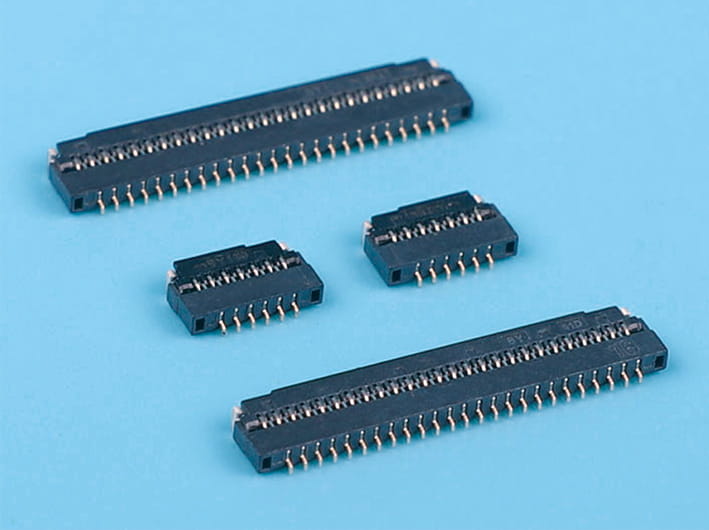
Easy-on fpc flat ribbon connector, 0.3mm pitch, 1.0mm height, flexible printed circuit connector, horizontal smt type
-

Back flip fpc flat flexible cable connector, 0.3mm pitch, 1.0mm height, bottom contact type for pcb board connections
-
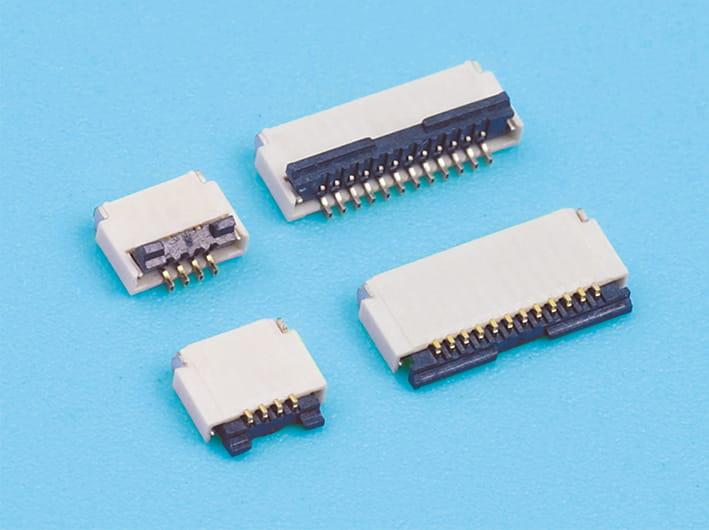
Back flip micro fpc flat cable connector, 0.5mm pitch, 1.0mm height, compact design, white, for data, signal transfer applications
-
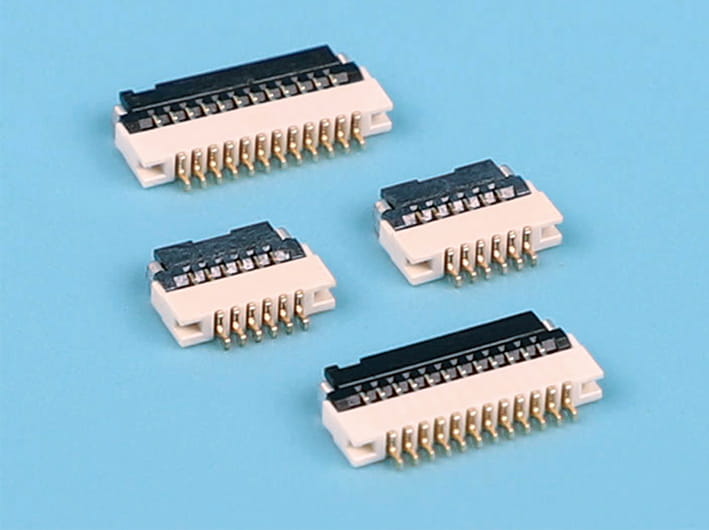
0.5mm Pitch, 1.0mm Height, Flip-Type Horizontal FPC Connector
-
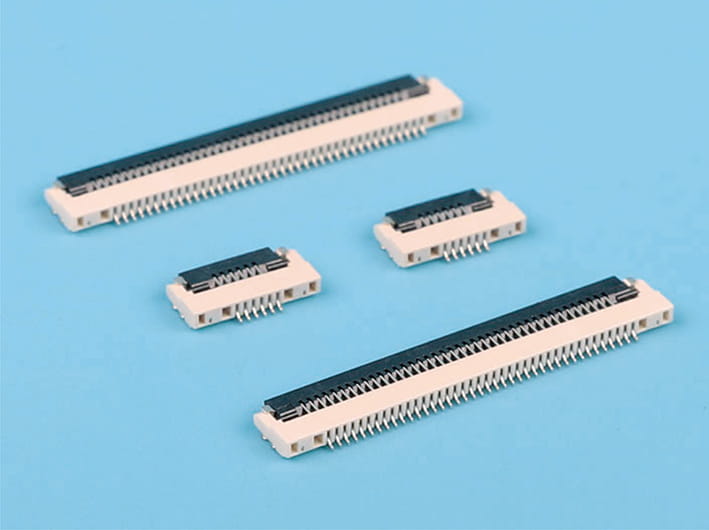
0.5mm pitch 1.2mm fpc flat cable connectors, horizontal smt type, flexible printed circuit connectors, secure locking
-
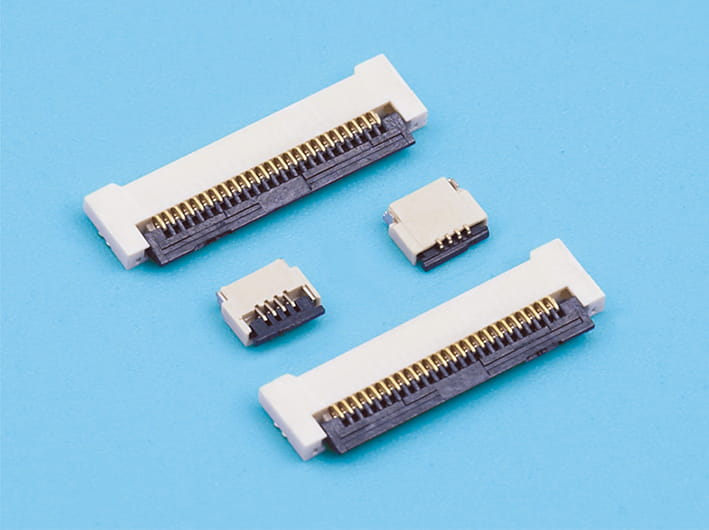
0.5mm Pitch, 1.2mm Height, Rear-Entry Horizontal FPC Connector
-
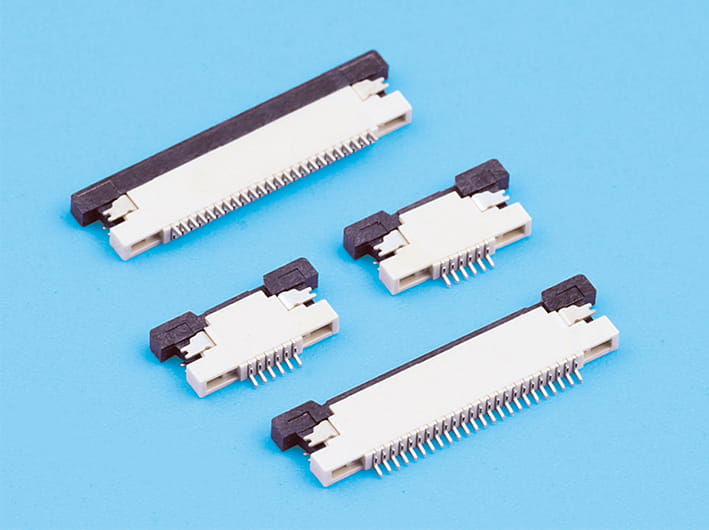
0.5mm pitch 1.2mm height fpc flat cable connector, zif r/a upper contact, locking slider, high-density integration, durable, for flexible printed circuits
-
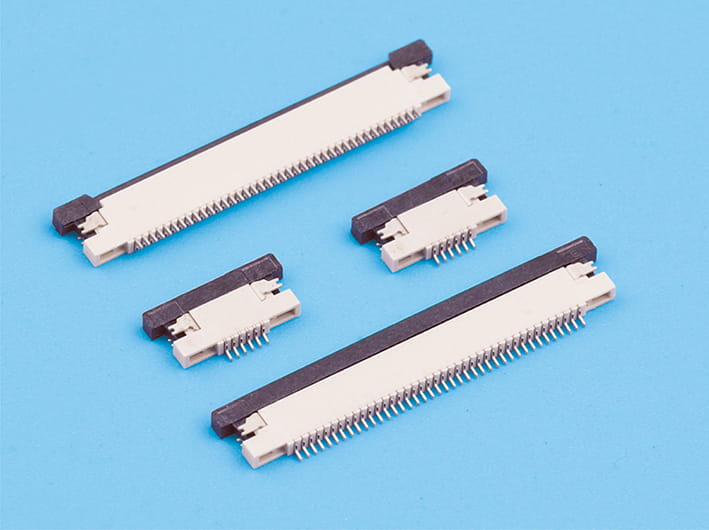
0.5mm pitch 1.2mm height fpc flat flexible cable connector, zif r/a down contact, for electronics and pcb boards
-
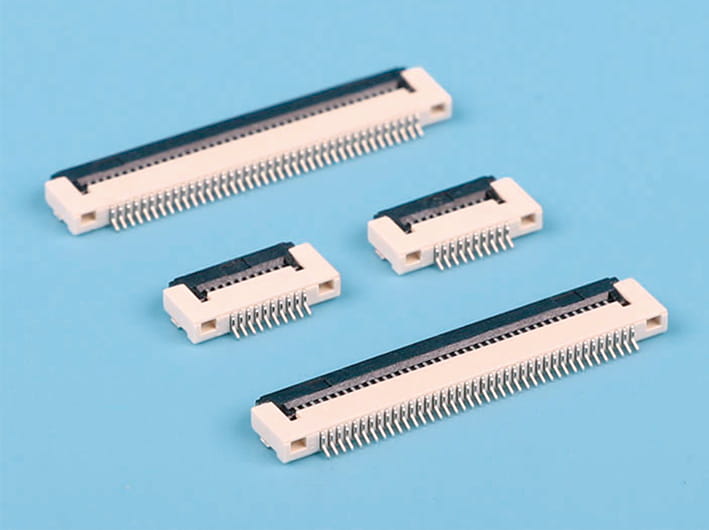
High-quality 0.5mm pitch 1.5mm height easy-on flat flexible cable fpc connector, horizontal type, locking-style, for pcb circuit board
-
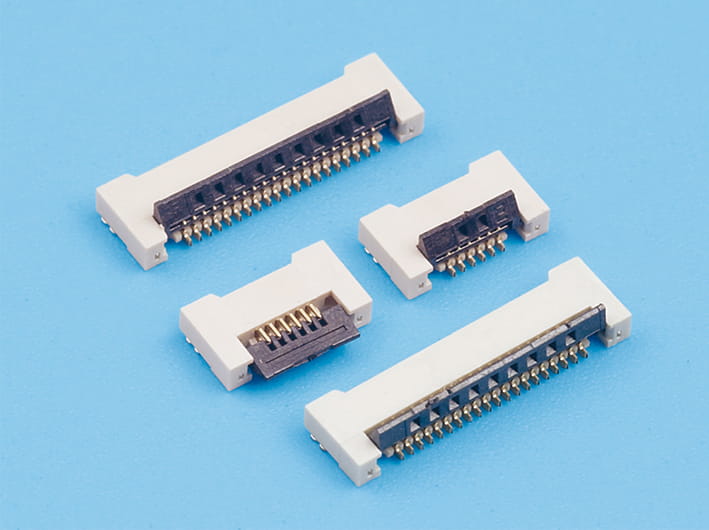
0.5mm pitch 1.5mm height back flip fpc flat connectors, zif slide type, flexible printed circuit cable connectors, horizontal contact
-
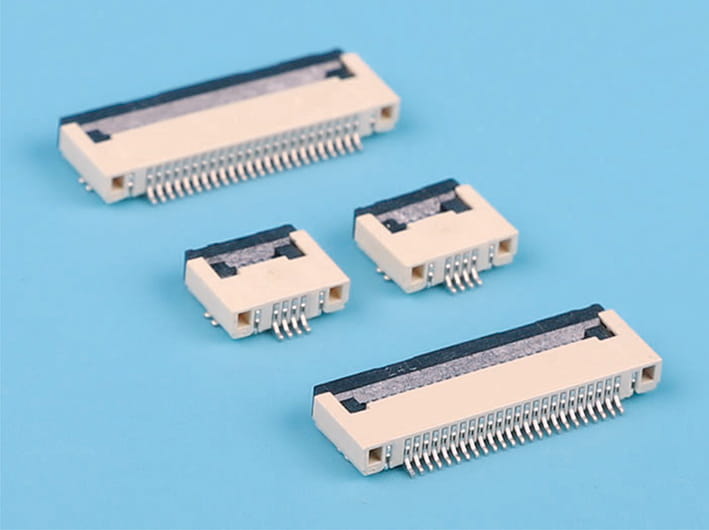
0.5mm pitch easy-on fpc flat ribbon connector, 2.0mm height, locking zif slide type, horizontal contact, flexible printed circuit board connector
-
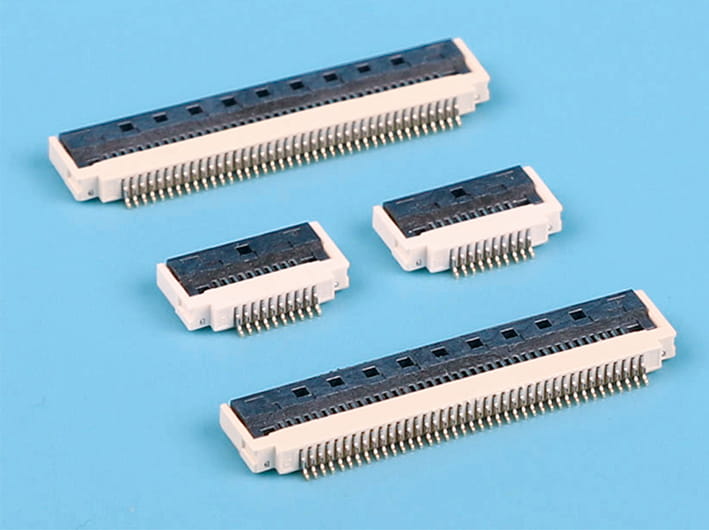
0.5mm pitch 2.0mm height, easy-on r/a with buckle fpc flat connectors, high-density integration flexible printed circuit board connectors
-
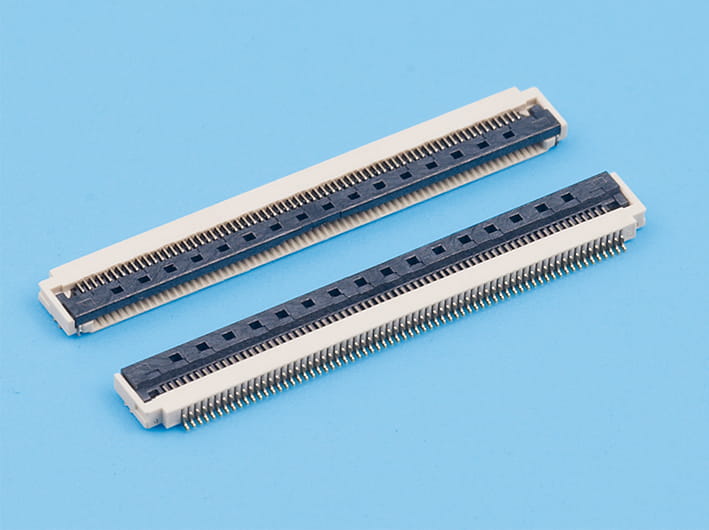
0.5mm Pitch, 2.0mm Height, Hinged Cover, Horizontal Mounting, Large Solder Pads
-

0.5mm pitch 2.0mm height back flip fpc flat connectors, horizontal insert, locking type, zif slide, pcb mount
-
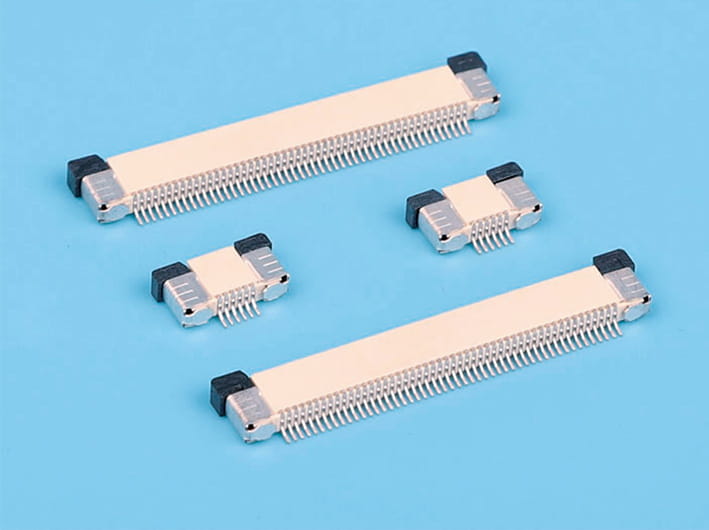
0.5mm Pitch, Ultra-Thin 2.0mm Horizontal FPC Connector (Pull-Out Locking Type, Top Contact Type)
-
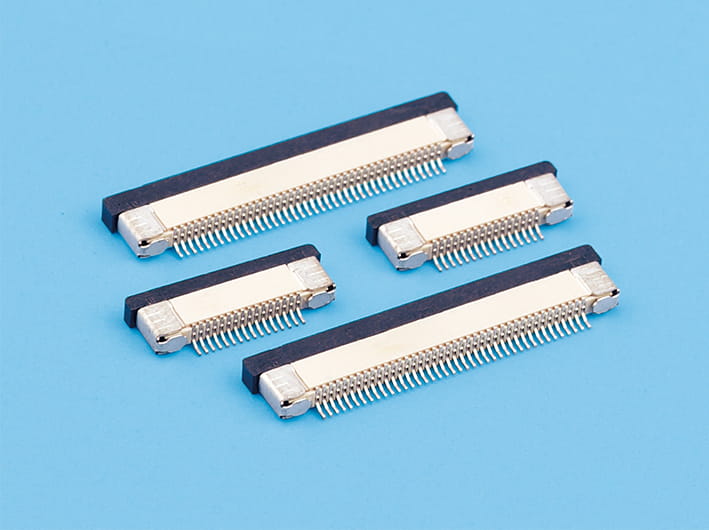
0.5mm Pitch, Ultra-Thin 2.0mm Horizontal FPC Connector (Pull-Out Locking Type, Bottom Contact Type)
-
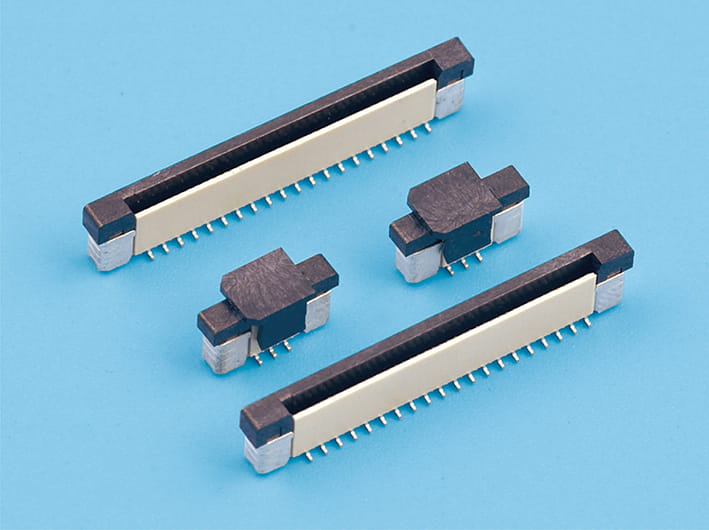
0.5mm pitch 4.5mm height fpc flat cable connector, zif s/t reversed pointer, locking slide
-
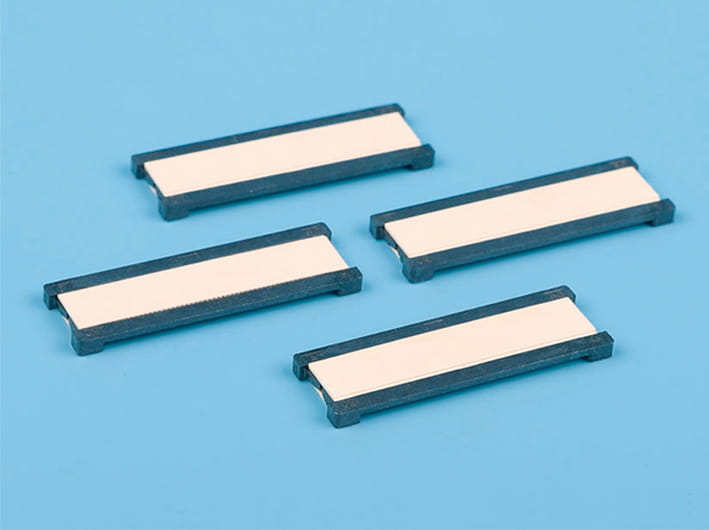
Double-side drawing fpc flat connector, 0.5mm pitch, 2.0mm/2.5mm height, flip type, for flexible cable, pcb mountable
CONTACT INFORMATION
-
Mr.Zhou(Sales manager)
Tel:+86(0)577-62369959
Tel:+86(0)577-62378959
MP:+86-13570877599
E-mail:[email protected]
Wechat:+86-13570877599
PRODUCT LINKS

Copyright © Zhejiang Wenda Electronics Co., Ltd. All Rights Reserved

Custom Electronic Connectors Manufacturer
