


 English
 中文简体
中文简体 Español
 عربى
عربىWhat Causes Poor Contact in Socket Board to Board Connectors
Socket board to board connectors are widely used in compact electronic systems. They allow two circuit boards to connect in a stacked or side-by-side structure, saving space while keeping signal paths short. When the contact is stable, the system runs smoothly. When it is not, issues may appear as unstable signals, intermittent performance, or unexpected resets.
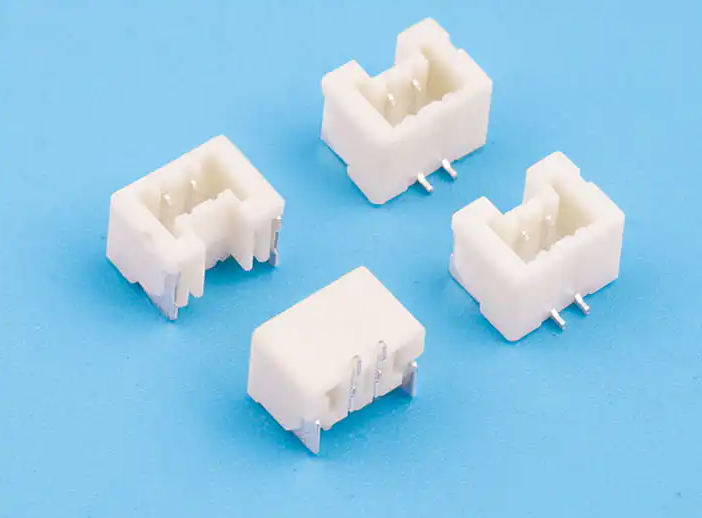
Poor contact in these connectors is rarely caused by a single reason. It is usually the result of multiple small factors combining over time. Some come from design choices, some from assembly steps, and others from environmental conditions.
Understanding these causes helps reduce failures before they reach final products.
Why does alignment play such a critical role in socket board to board connectors?
Alignment is easily the delicate part of socket connection design. These parts rely on pins and sockets lining up perfectly, and the tiniest shift messes up their metal contact points entirely.
There are a few common moments misalignment creeps in:
- When workers set PCBs onto assembly jigs
- Uneven pressure applied while putting together plastic housings
- Manual tweaks made mid-installation
- Slow structural shifting after the whole unit is put together
If the pieces don't line up properly, pins won't slot all the way into sockets. Only a small section of metal makes contact, which creates weak, unreliable electrical connections.
This flaw rarely shows itself straight after assembly. The device might run without any obvious issues at first, but vibrations or slight movement will quickly cause choppy, inconsistent performance later on.
How does contact surface condition affect electrical stability?
The internal surface of socket board to board connectors is designed for repeated engagement. However, surface condition still plays a major role in long-term stability.
Several factors can affect contact quality:
- Oxidation forming on metal surfaces over time
- Fine dust particles entering contact areas
- Residue from handling or storage environments
- Uneven surface finish between production batches
These conditions may not stop connection completely, but they can increase resistance or reduce stability.
In many cases, the effect is gradual. Devices may work normally at first, then show inconsistent behavior later.
Clean handling and controlled storage help reduce these risks.
Can mechanical stress lead to poor contact performance?
Mechanical stress is another common source of contact issues. Socket board to board connectors rely on balanced force distribution to maintain stable engagement.
Stress may appear in different ways:
- Excess pressure from enclosure design
- Uneven tightening of mechanical parts
- Board bending during assembly or operation
- External vibration during use
When pressure is uneven, some contact points carry more load than others. Over time, this imbalance may affect how consistently the connector performs.
In compact devices, limited space often increases mechanical tension, making this issue more likely.
Why does repeated mating affect connector reliability?
Socket connectors are designed to support multiple connection cycles, but repeated use still creates gradual wear.
Each mating cycle introduces small changes in the contact interface. At first, these changes are minimal. Over time, they accumulate.
Possible effects include:
- Slight reduction in contact force
- Gradual wear on internal contact surfaces
- Lower consistency across multiple pins
- Increased sensitivity to vibration or movement
The impact is usually slow. It does not appear immediately after a few cycles, but becomes noticeable after extended use.
This is why many designs limit unnecessary reconnection during production and testing stages.
How does environmental exposure influence socket connector performance?
Even idle socket connectors will slowly degrade from constant exposure to the surrounding environment.
Four main environmental factors cause these hidden problems:
- Humidity floating in the ambient air
- Swapping hot and cold temperatures that make parts expand and shrink
- Fine dust drifting into uncovered contact gaps
- Long storage periods without protective packaging
High humidity slowly alters the metal contact surfaces and weakens signal transmission. Shifting temperatures push pins and sockets slightly out of better alignment. Dust particles also settle inside sockets and form tiny barriers between mating parts.
All these issues build up gradually, so standard visual checks often fail to spot them early on.
What role does design structure play in contact quality?
A connector's overall mechanical layout determines how reliably it works over years. Top-grade connector parts still deliver spotty performance if the overall device layout fails to support full, stable mating.
Typical structural design flaws that hurt contact stability:
- Wrong gaps set between paired circuit boards
- Socket heights that clash with PCB layout dimensions
- No built-in buffer to absorb shifting or vibration
- Uneven supporting frames around the connector zone
Unbalanced structural layouts spread pressure unevenly across every pin. Some points bear extra load while others barely touch, creating inconsistent electrical contact.
Close collaboration between mechanical and circuit designers at the layout stage can cut most of these avoidable risks.
Common causes of poor contact and practical prevention methods
| Cause | What happens | Practical prevention |
|---|---|---|
| Misalignment | Partial pin engagement | Improve positioning accuracy during assembly |
| Surface contamination | Increased resistance or instability | Use clean handling and storage control |
| Mechanical stress | Uneven contact pressure | Balance enclosure and mounting structure |
| Repeated mating | Gradual wear of contact area | Limit unnecessary reconnection cycles |
| Environmental exposure | Oxidation or dust interference | Use protective packaging or enclosure |
| Design mismatch | Poor engagement fit | Align mechanical and electrical design early |
How does assembly process influence final connector performance?
Even when design and components are correct, assembly steps can still affect contact quality.
Small variations during installation can change connector behavior. For example, slight angle differences during mating may reduce full engagement of pins.
Key assembly factors include:
- Alignment before full connection
- Controlled insertion force
- Consistent assembly direction
- Reduction of manual variation between operators
In many production environments, stability depends more on consistency than on force or speed.
Why is vibration a hidden factor in contact problems?
Most people don't pay enough attention to vibration, as it never breaks connectors right away. It wears down connections little by little over time instead.
Prolonged shaking brings these hidden troubles:
- Tiny constant shifts between touching metal surfaces
- Slow loss of the tight clamping force inside mated parts
- Random cutouts in signal transmission
- Uneven abrasion on individual contact pins
This issue hits hard on transport gear, industrial machinery and all kinds of portable gadgets.
Connectors might work flawlessly out of the box, yet steady vibration will slowly ruin their connection stability after long-term use.
How does storage and handling affect connector reliability?
Connectors and circuit boards sit in warehouses and transit long before assembly, and these phases take a bigger toll on later performance than most buyers realize.
Storage brings several key risks:
- Wildly fluctuating humidity with no climate control
- Dust coating delicate contact surfaces
- Squeezing stress from stacked cartons
- Missing protective wrappers for sensitive terminals
Once the metal contact surfaces get contaminated or damaged in storage, simply fitting them onto boards cannot fully bring back their original performance.
Following standardized storage and handling rules keeps connectors intact until assembly.
What early checks help prevent poor contact issues?
Early testing is a practical way to identify weak points before full production.
Simple checks may include:
- Verifying alignment under real assembly conditions
- Observing stability during slight movement
- Testing multiple connection cycles
- Checking performance under basic environmental variation
These steps help identify potential problems early, reducing risk of larger issues after deployment.
How can design decisions improve long-term contact stability?
Design decisions set the foundation for connector performance. Once a product is manufactured, structural limitations are difficult to change.
Important design considerations include:
- Allowing enough tolerance for mechanical variation
- Ensuring even pressure distribution across connector area
- Matching socket height with enclosure structure
- Considering vibration and movement in real use cases
A design that works only in controlled conditions may not remain stable in real environments. Long-term reliability depends on how well real-world factors are considered early.
FAQ
What is the common cause of poor contact in socket board to board connectors?
Misalignment and surface condition issues are among the common reasons.
Can vibration really affect connector performance?
Yes, long-term vibration can gradually reduce contact stability and cause intermittent issues.
Are contact problems always caused by manufacturing defects?
No, many issues come from design, assembly, storage, or environmental conditions.
How can poor contact be reduced in production?
Through better alignment control, clean handling, balanced mechanical design, and early testing.
Do repeated connections always damage socket connectors?
Not always, but repeated cycles can gradually reduce contact consistency over time.
Related Products
-
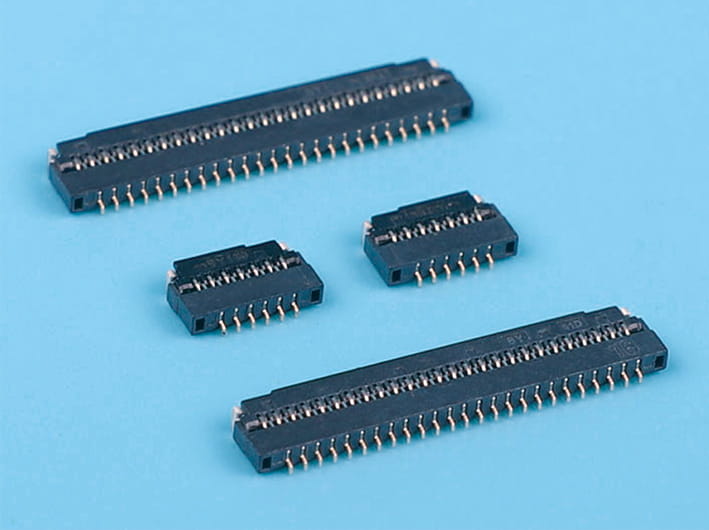
Easy-on fpc flat ribbon connector, 0.3mm pitch, 1.0mm height, flexible printed circuit connector, horizontal smt type
-

Back flip fpc flat flexible cable connector, 0.3mm pitch, 1.0mm height, bottom contact type for pcb board connections
-
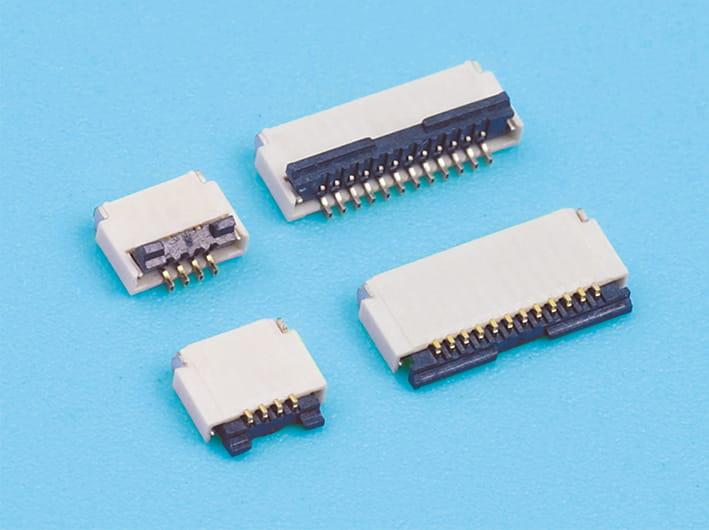
Back flip micro fpc flat cable connector, 0.5mm pitch, 1.0mm height, compact design, white, for data, signal transfer applications
-
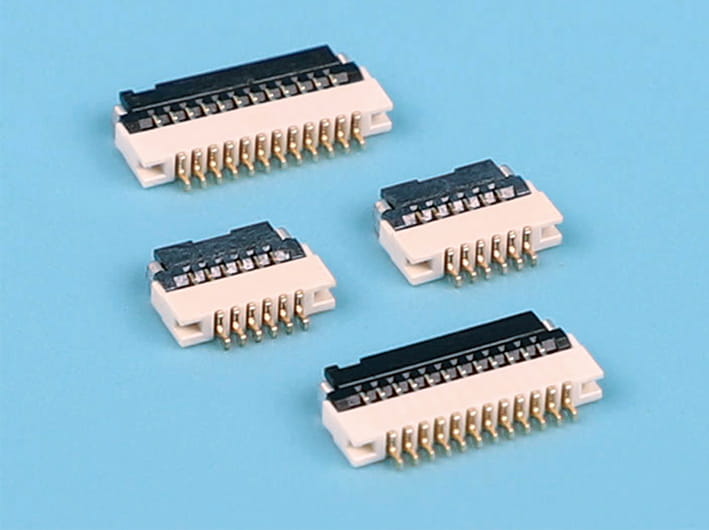
0.5mm Pitch, 1.0mm Height, Flip-Type Horizontal FPC Connector
-
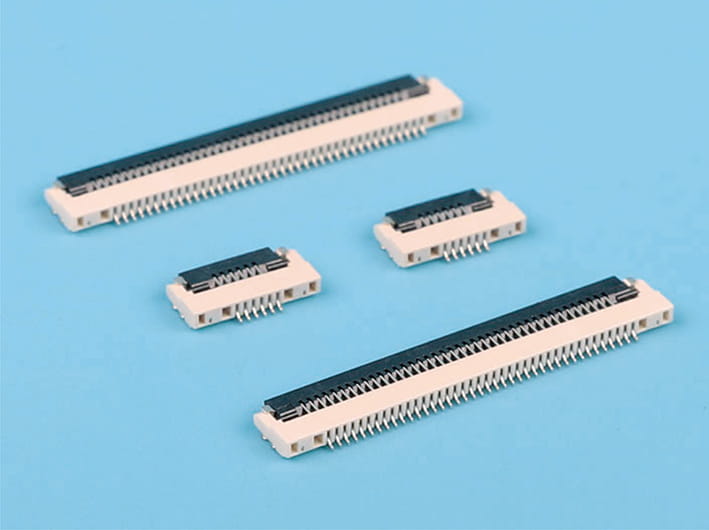
0.5mm pitch 1.2mm fpc flat cable connectors, horizontal smt type, flexible printed circuit connectors, secure locking
-
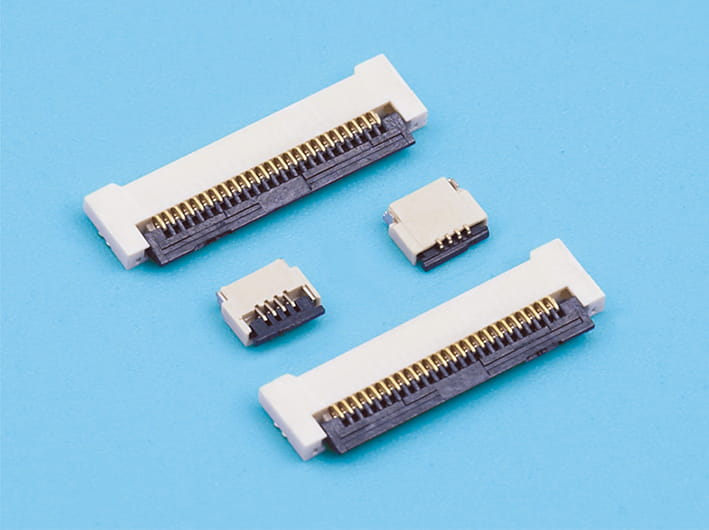
0.5mm Pitch, 1.2mm Height, Rear-Entry Horizontal FPC Connector
-
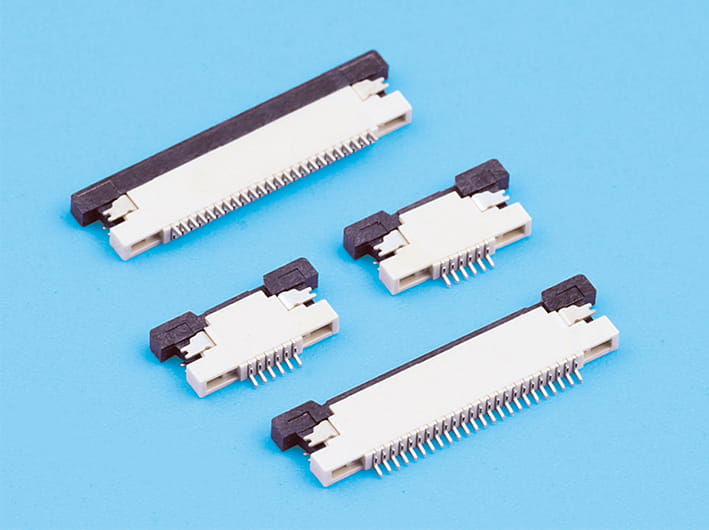
0.5mm pitch 1.2mm height fpc flat cable connector, zif r/a upper contact, locking slider, high-density integration, durable, for flexible printed circuits
-
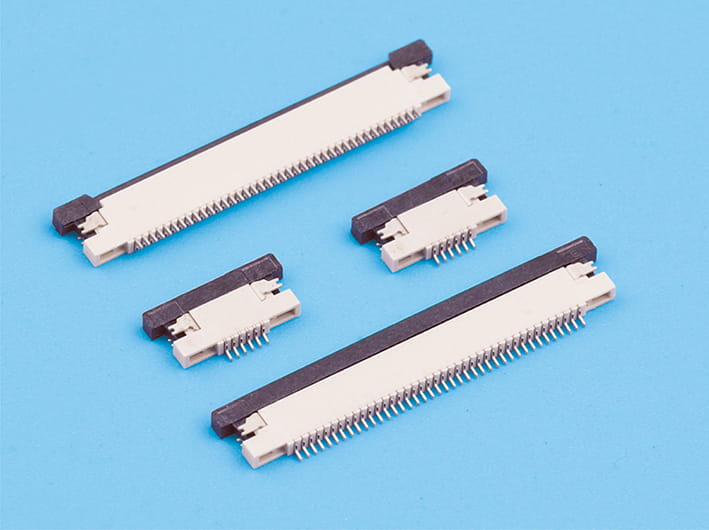
0.5mm pitch 1.2mm height fpc flat flexible cable connector, zif r/a down contact, for electronics and pcb boards
-
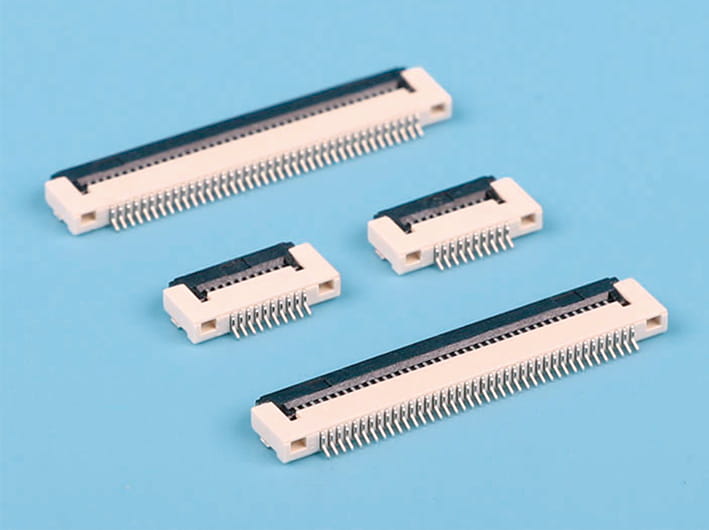
High-quality 0.5mm pitch 1.5mm height easy-on flat flexible cable fpc connector, horizontal type, locking-style, for pcb circuit board
-
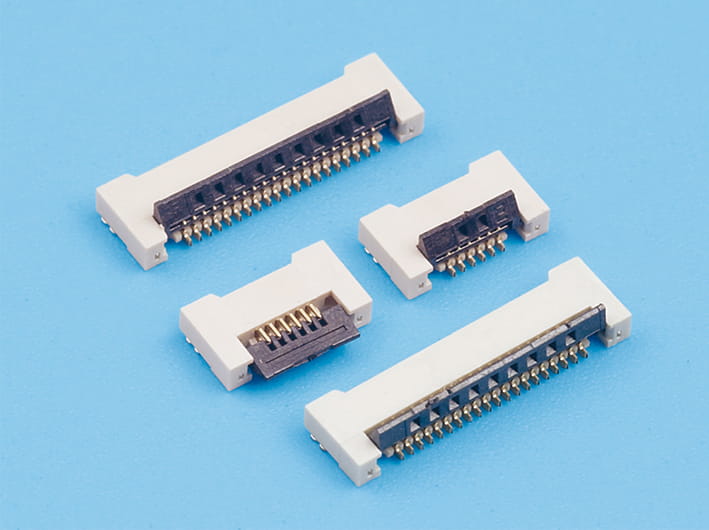
0.5mm pitch 1.5mm height back flip fpc flat connectors, zif slide type, flexible printed circuit cable connectors, horizontal contact
-
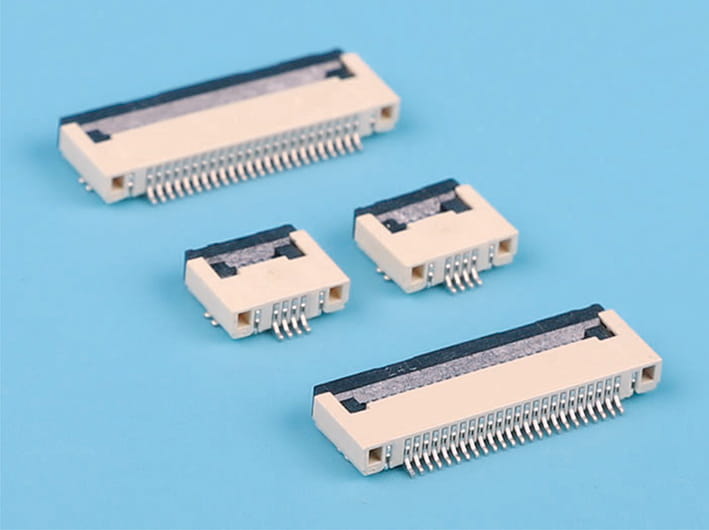
0.5mm pitch easy-on fpc flat ribbon connector, 2.0mm height, locking zif slide type, horizontal contact, flexible printed circuit board connector
-
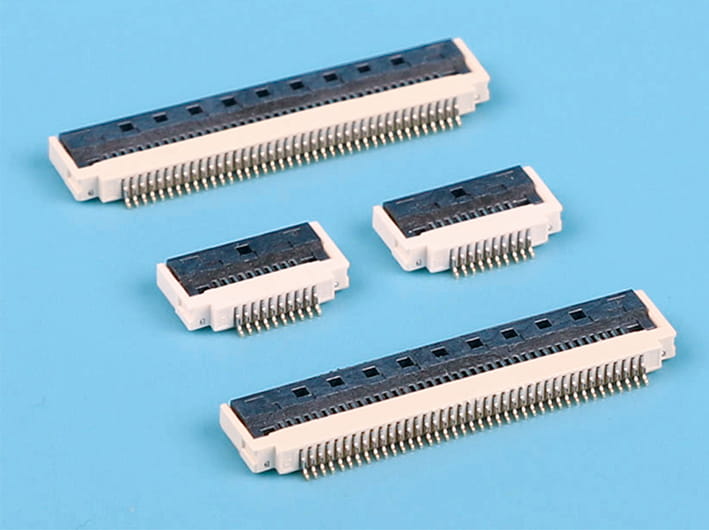
0.5mm pitch 2.0mm height, easy-on r/a with buckle fpc flat connectors, high-density integration flexible printed circuit board connectors
-
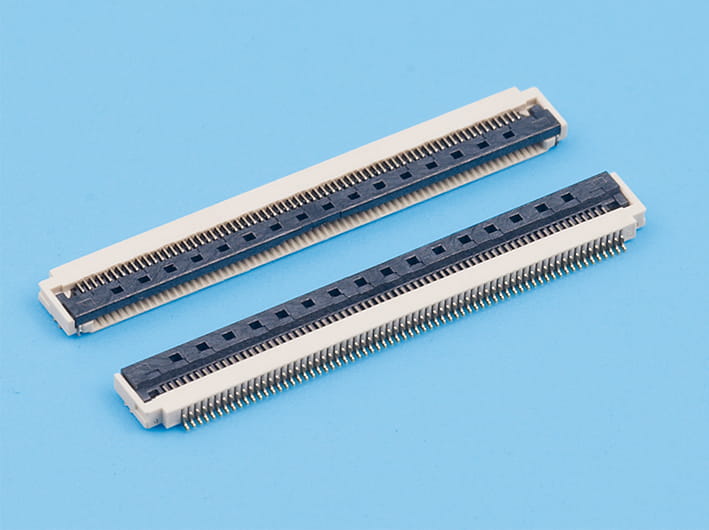
0.5mm Pitch, 2.0mm Height, Hinged Cover, Horizontal Mounting, Large Solder Pads
-

0.5mm pitch 2.0mm height back flip fpc flat connectors, horizontal insert, locking type, zif slide, pcb mount
-
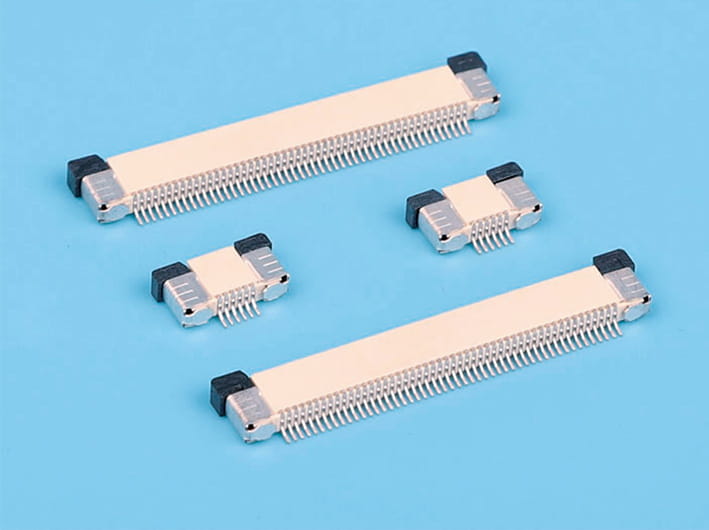
0.5mm Pitch, Ultra-Thin 2.0mm Horizontal FPC Connector (Pull-Out Locking Type, Top Contact Type)
-
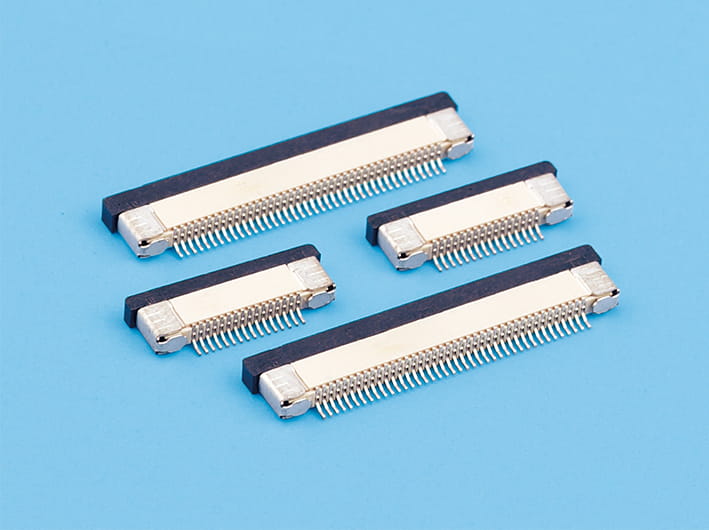
0.5mm Pitch, Ultra-Thin 2.0mm Horizontal FPC Connector (Pull-Out Locking Type, Bottom Contact Type)
-
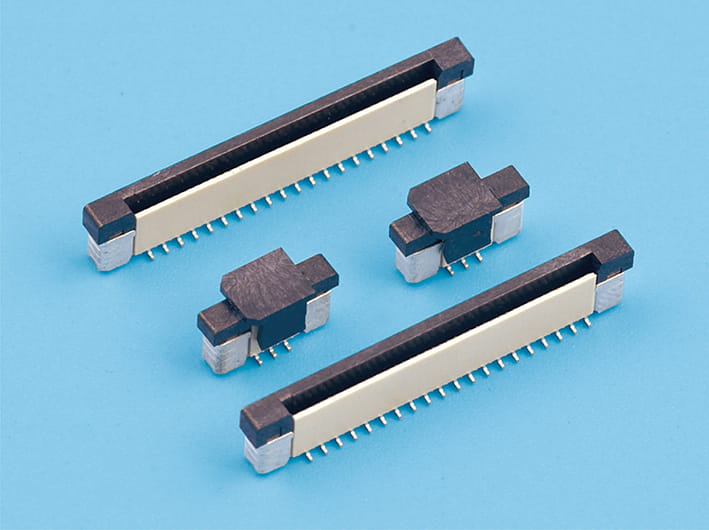
0.5mm pitch 4.5mm height fpc flat cable connector, zif s/t reversed pointer, locking slide
-
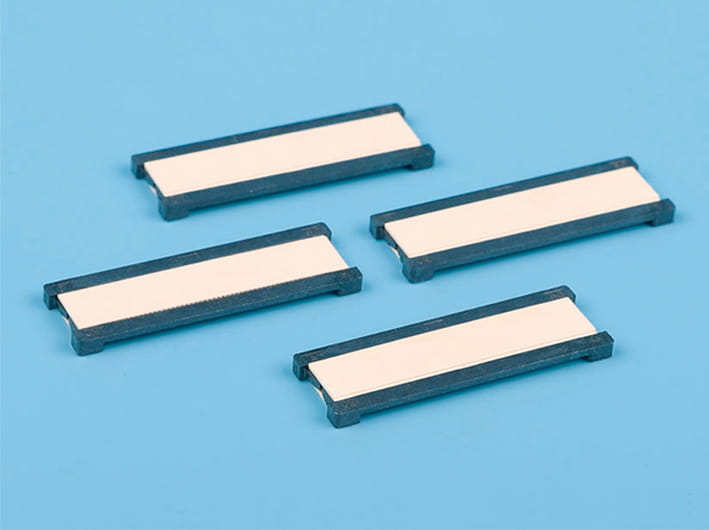
Double-side drawing fpc flat connector, 0.5mm pitch, 2.0mm/2.5mm height, flip type, for flexible cable, pcb mountable
CONTACT INFORMATION
-
Mr.Zhou(Sales manager)
Tel:+86(0)577-62369959
Tel:+86(0)577-62378959
MP:+86-13570877599
E-mail:[email protected]
Wechat:+86-13570877599
PRODUCT LINKS

Copyright © Zhejiang Wenda Electronics Co., Ltd. All Rights Reserved

Custom Electronic Connectors Manufacturer
