


 English
 中文简体
中文简体 Español
 عربى
عربىHigh-Frequency Performance of BTB Connectors
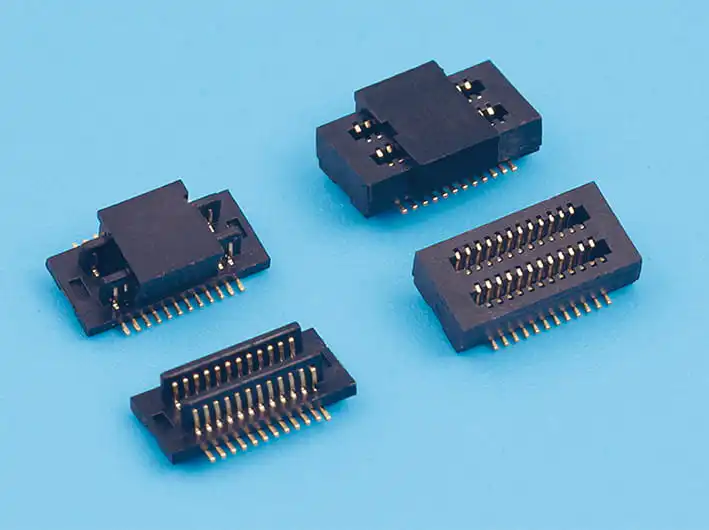
The BTB Connector is a widely used component in electronic systems, especially for board-to-board connections. In high-frequency applications, the performance of these connectors is crucial for ensuring signal integrity, reducing interference, and maintaining reliable communication between circuits.
1. Importance of High-Frequency Performance
- Signal Integrity: At high frequencies, maintaining the quality of transmitted signals is essential. Any degradation can cause errors, data loss, or device malfunction.
- Electromagnetic Compatibility (EMC): Poor high-frequency performance can result in electromagnetic interference (EMI), affecting both the device and nearby electronic components.
- System Reliability: Consistent performance of connectors under high-frequency conditions ensures long-term reliability in demanding applications such as communication devices, computing systems, and signal processing units.
2. Design Features Affecting Performance
- Pin Layout and Spacing: The arrangement and pitch of pins influence impedance and signal crosstalk. Optimal spacing reduces interference between adjacent signals.
- Contact Geometry: Precision-engineered contacts maintain stable connections and reduce resistance changes at high frequencies.
- Material Selection: High-conductivity metals such as gold-plated copper reduce signal loss, while insulating materials with low dielectric constants reduce signal degradation.
3. Impedance Control
- Controlled Impedance: For high-frequency applications, BTB connectors must maintain consistent impedance to prevent signal reflections and distortion.
- Trace Matching: The connector design should match the PCB trace impedance to ensure seamless signal transition.
- Reducing Return Loss: Proper impedance management reduces energy reflection, enhancing overall signal integrity.
4. Crosstalk and Signal Isolation
- Adjacent Signal Interference: High-speed signals in closely spaced pins can induce unwanted currents in neighboring pins.
- Shielding Solutions: Metal shields or ground pins help isolate signals and reduce crosstalk.
- Differential Pair Optimization: For differential signals, maintaining precise geometry and spacing reduces interference and enhances performance.
5. Frequency Range and Bandwidth
- Connector Ratings: Different BTB connectors are rated for specific frequency ranges. Selecting a connector that meets or exceeds the system frequency ensures reliable performance.
- High-Speed Data Transmission: Connectors designed for GHz-range signals require careful design to maintain minimal insertion loss and low distortion.
- Bandwidth Considerations: The connector’s bandwidth must accommodate the fast signal transitions without degradation.
6. Mechanical Considerations
- Insertion and Retention Force: Maintaining stable contact is critical; loose or unstable connections can cause intermittent signals at high frequencies.
- Thermal Stability: High-speed operation may generate heat. Connectors must resist expansion or deformation to prevent impedance changes.
- Vibration and Shock Resistance: Mechanical stability ensures that signals are not interrupted in environments with vibration or impact.
7. Testing and Validation
- Time-Domain Reflectometry (TDR): Measures impedance discontinuities and reflections, providing insight into high-frequency performance.
- Insertion Loss Testing: Evaluates how much signal is lost passing through the connector. Lower insertion loss indicates better performance.
- Crosstalk Measurement: Determines how much signal from one line affects adjacent lines, critical in dense pin arrangements.
8. Practices for High-Frequency Applications
- Proper PCB Layout: Match the connector design with the PCB layout to maintain controlled impedance and reduce interference.
- Material Verification: Use connectors with high-quality plating and low-loss insulating materials.
- Connector Selection: Choose connectors specifically rated for high-frequency applications rather than general-purpose options.
- Regular Inspection: Check connectors for wear or damage that could affect performance, especially in high-speed environments.
The high-frequency performance of a BTB Connector is influenced by design, materials, mechanical stability, and proper system integration. By focusing on controlled impedance, crosstalk reduction, proper material selection, and rigorous testing, engineers can ensure reliable signal transmission in demanding electronic applications. Selecting the right connector for the intended frequency range and maintaining its physical and electrical integrity is essential for preserving signal quality, reducing interference, and achieving long-term system reliability.
Related Products
-
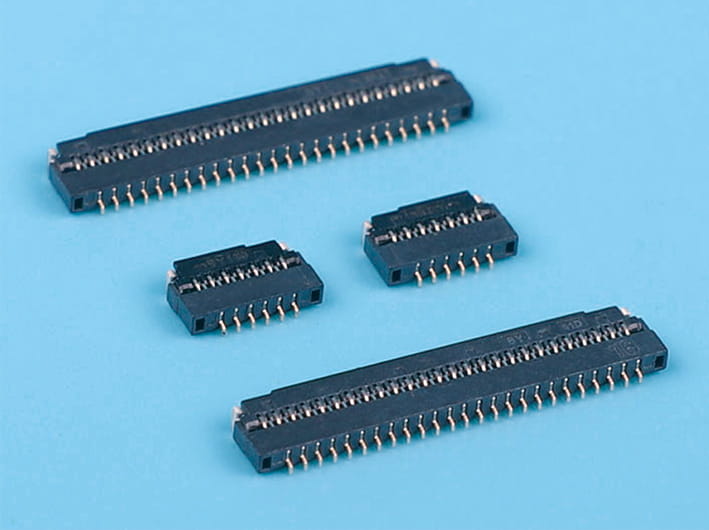
Easy-on fpc flat ribbon connector, 0.3mm pitch, 1.0mm height, flexible printed circuit connector, horizontal smt type
-

Back flip fpc flat flexible cable connector, 0.3mm pitch, 1.0mm height, bottom contact type for pcb board connections
-
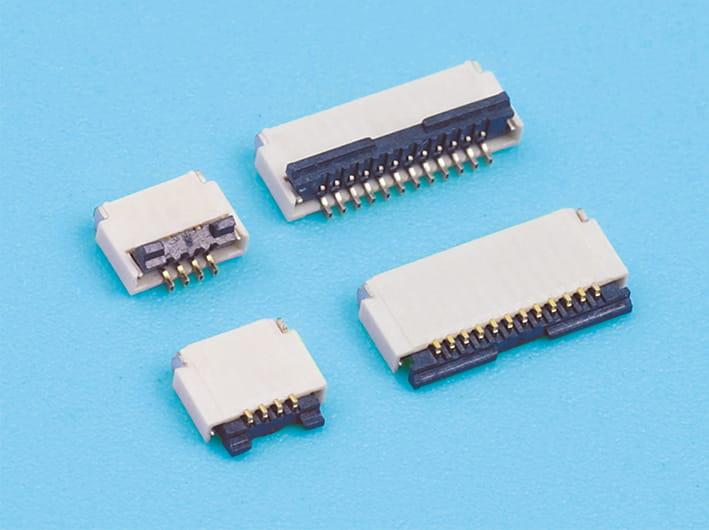
Back flip micro fpc flat cable connector, 0.5mm pitch, 1.0mm height, compact design, white, for data, signal transfer applications
-
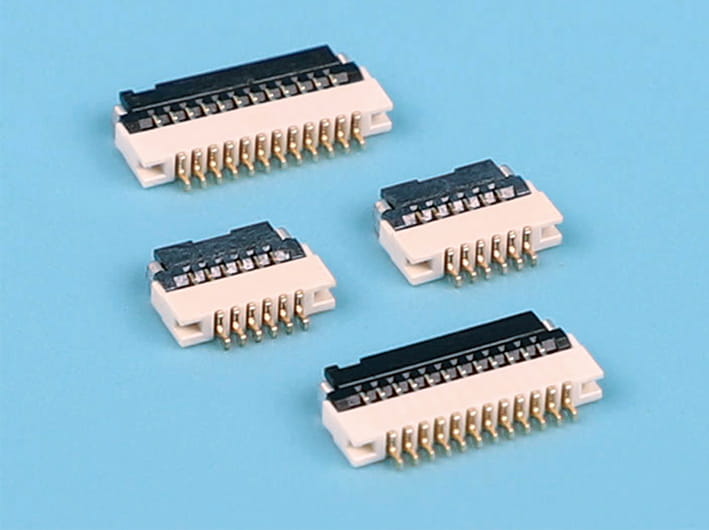
0.5mm Pitch, 1.0mm Height, Flip-Type Horizontal FPC Connector
-
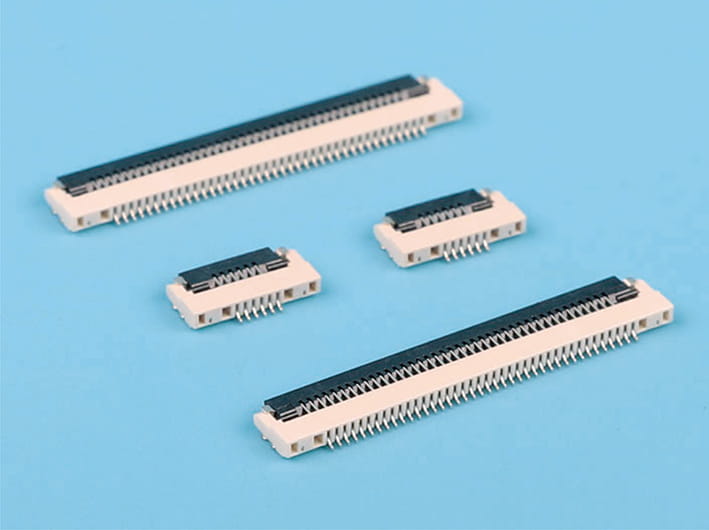
0.5mm pitch 1.2mm fpc flat cable connectors, horizontal smt type, flexible printed circuit connectors, secure locking
-
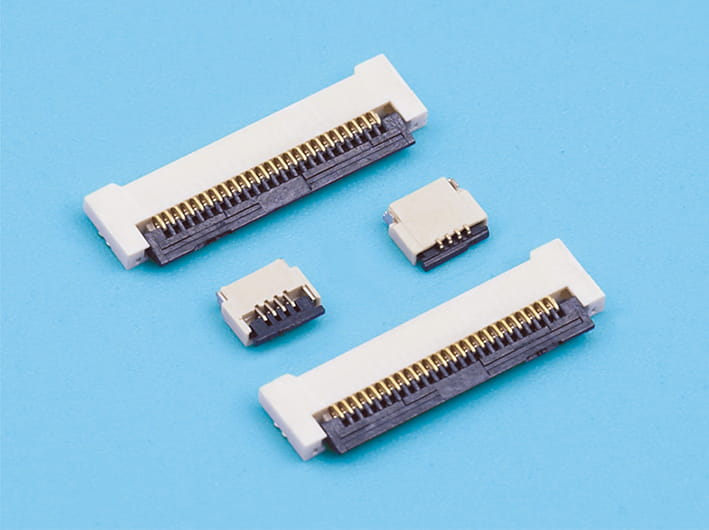
0.5mm Pitch, 1.2mm Height, Rear-Entry Horizontal FPC Connector
-
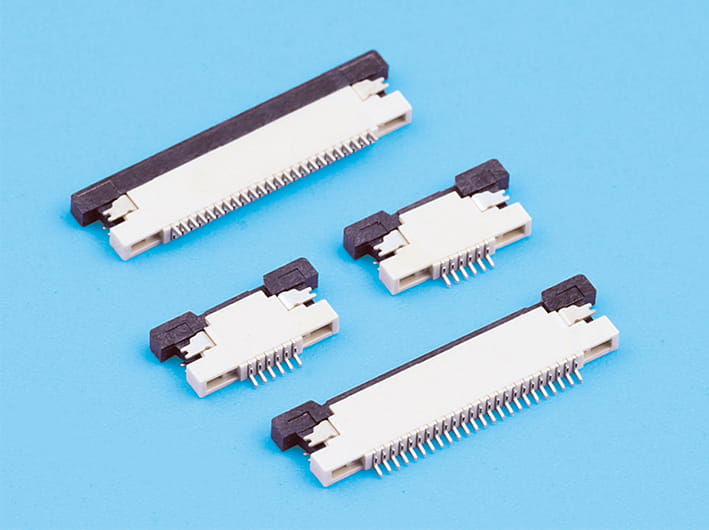
0.5mm pitch 1.2mm height fpc flat cable connector, zif r/a upper contact, locking slider, high-density integration, durable, for flexible printed circuits
-
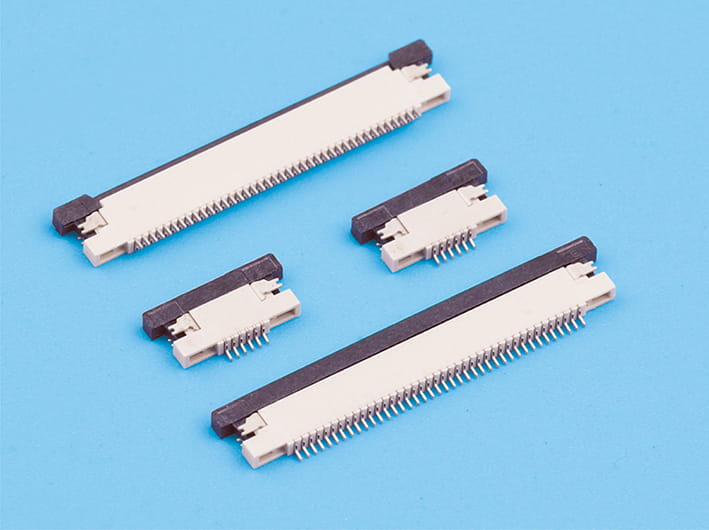
0.5mm pitch 1.2mm height fpc flat flexible cable connector, zif r/a down contact, for electronics and pcb boards
-
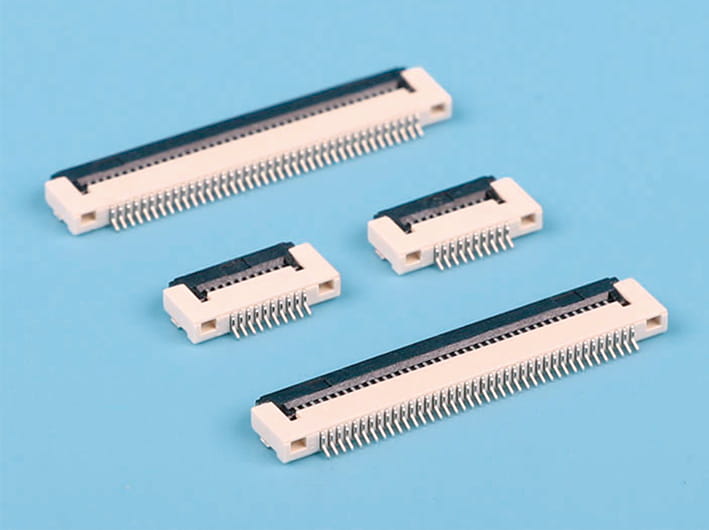
High-quality 0.5mm pitch 1.5mm height easy-on flat flexible cable fpc connector, horizontal type, locking-style, for pcb circuit board
-
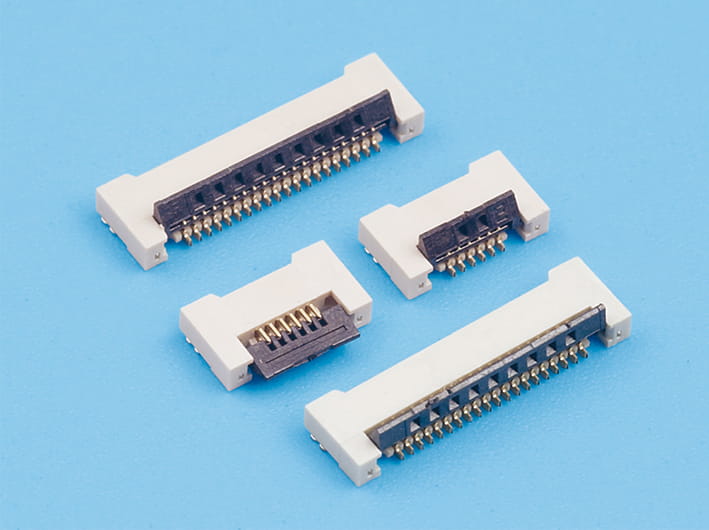
0.5mm pitch 1.5mm height back flip fpc flat connectors, zif slide type, flexible printed circuit cable connectors, horizontal contact
-
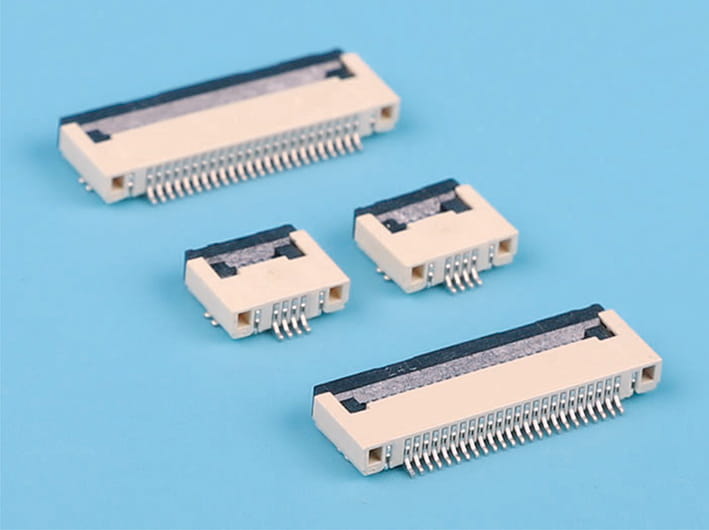
0.5mm pitch easy-on fpc flat ribbon connector, 2.0mm height, locking zif slide type, horizontal contact, flexible printed circuit board connector
-
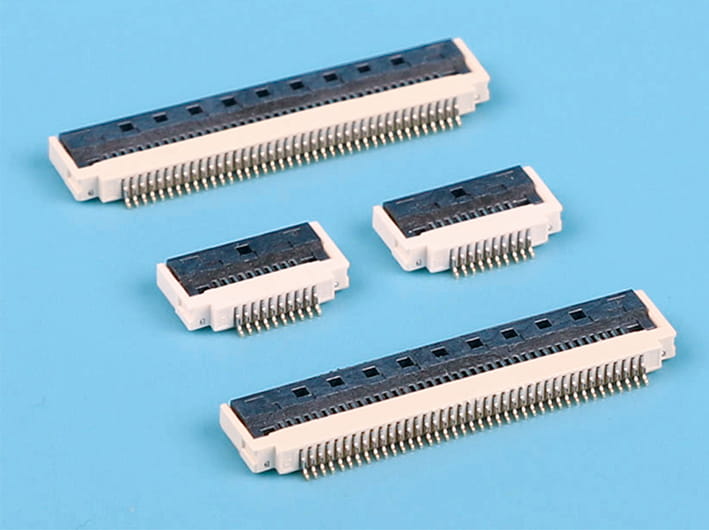
0.5mm pitch 2.0mm height, easy-on r/a with buckle fpc flat connectors, high-density integration flexible printed circuit board connectors
-
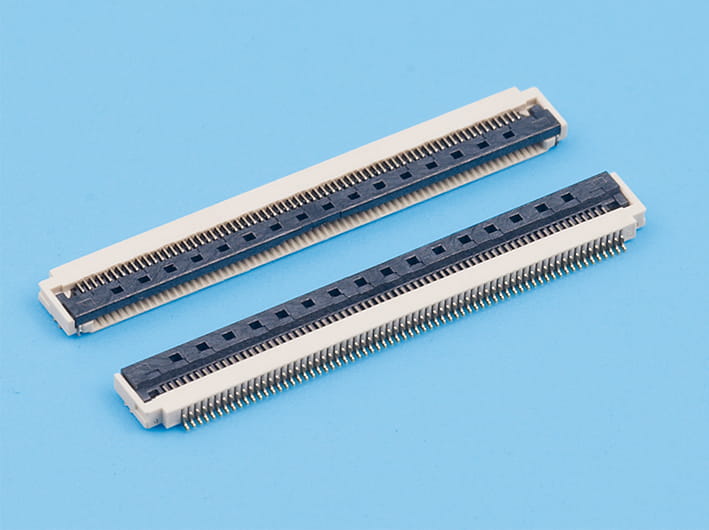
0.5mm Pitch, 2.0mm Height, Hinged Cover, Horizontal Mounting, Large Solder Pads
-

0.5mm pitch 2.0mm height back flip fpc flat connectors, horizontal insert, locking type, zif slide, pcb mount
-
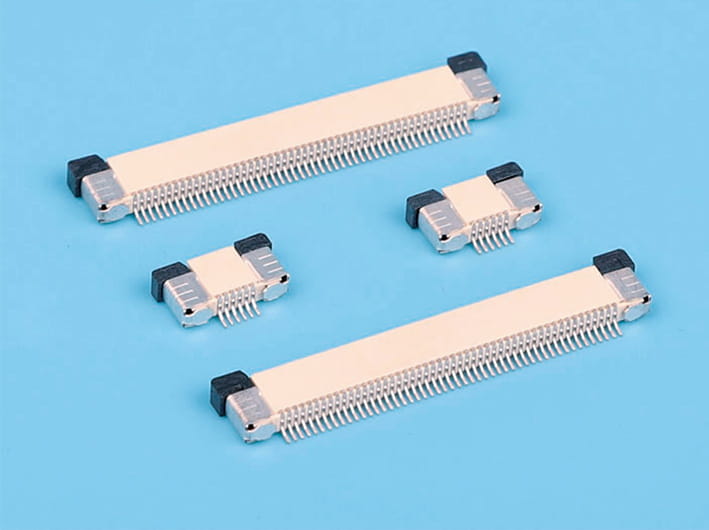
0.5mm Pitch, Ultra-Thin 2.0mm Horizontal FPC Connector (Pull-Out Locking Type, Top Contact Type)
-
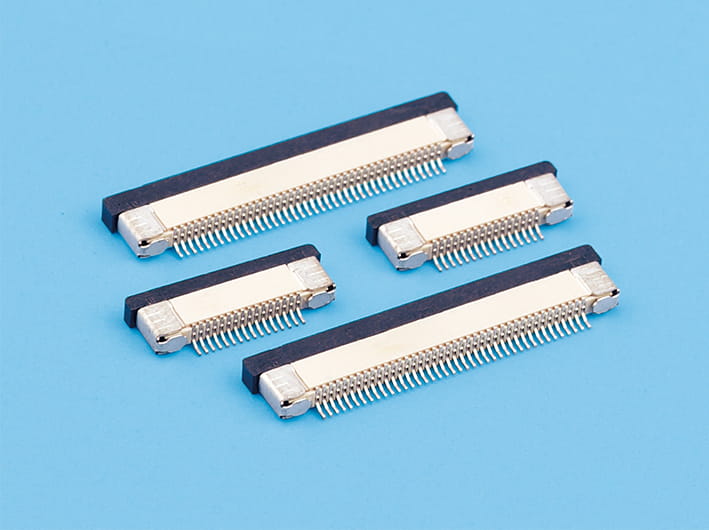
0.5mm Pitch, Ultra-Thin 2.0mm Horizontal FPC Connector (Pull-Out Locking Type, Bottom Contact Type)
-
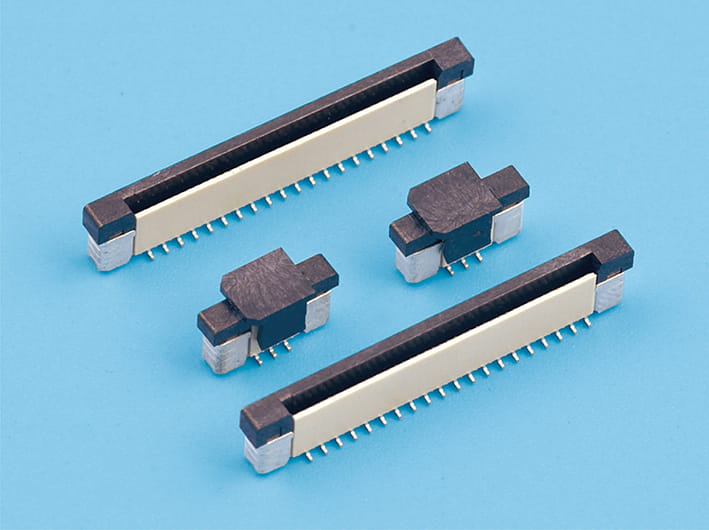
0.5mm pitch 4.5mm height fpc flat cable connector, zif s/t reversed pointer, locking slide
-
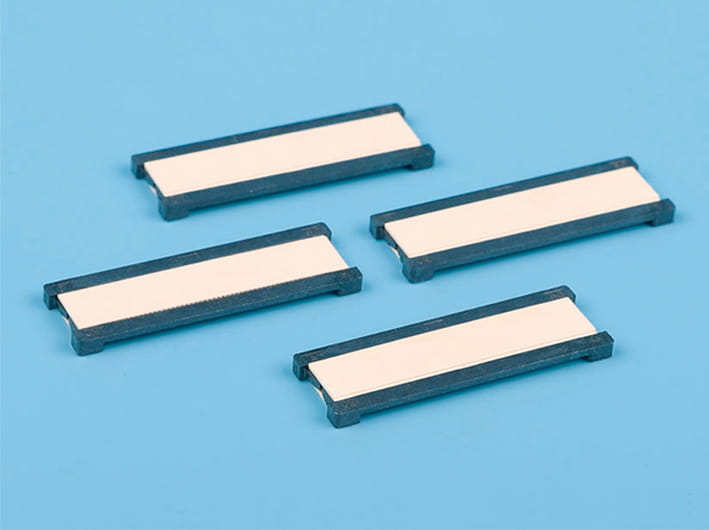
Double-side drawing fpc flat connector, 0.5mm pitch, 2.0mm/2.5mm height, flip type, for flexible cable, pcb mountable
CONTACT INFORMATION
-
Mr.Zhou(Sales manager)
Tel:+86(0)577-62369959
Tel:+86(0)577-62378959
MP:+86-13570877599
E-mail:[email protected]
Wechat:+86-13570877599
PRODUCT LINKS

Copyright © Zhejiang Wenda Electronics Co., Ltd. All Rights Reserved

Custom Electronic Connectors Manufacturer
