


 English
 中文简体
中文简体 Español
 عربى
عربىAssessing Transmission Stability of WTB Wire to Board Connectors
The WTB Wire to Board Connector is an essential component in modern electronic systems, providing reliable electrical connections between wires and printed circuit boards. Transmission stability is a critical factor for these connectors, ensuring consistent signal quality, interference, and long-term reliability. Evaluating transmission stability involves examining electrical, mechanical, and environmental factors.
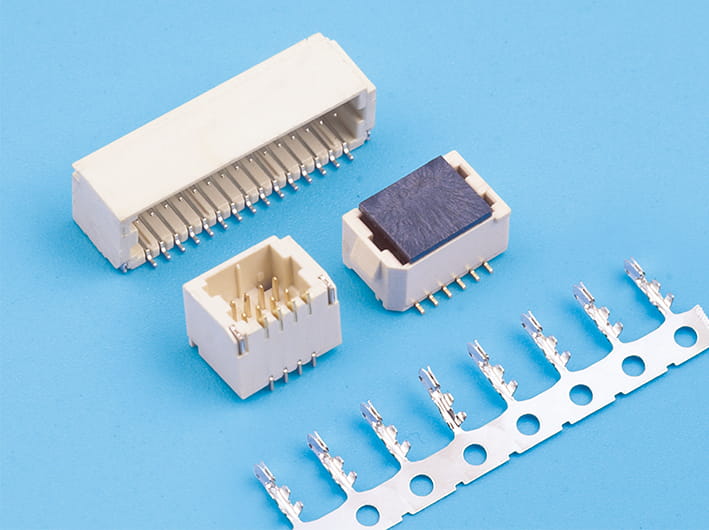
1. Understanding Transmission Stability
- Definition: Transmission stability refers to the ability of a connector to maintain consistent electrical performance under varying operational conditions.
- Importance: Stable connections reduce the risk of signal loss, intermittent contacts, and system malfunctions, which is crucial in sensitive electronics.
- Application Scenarios: WTB connectors are widely used in automotive electronics, industrial machinery, medical devices, and consumer electronics, where stable signal transmission is vital.
2. Electrical Parameters Affecting Stability
- Contact Resistance: Low and consistent contact resistance ensures voltage drop and reliable signal transfer.
- Insulation Resistance: High insulation resistance prevents leakage currents between adjacent contacts, maintaining transmission integrity.
- Current and Voltage Ratings: Adhering to rated current and voltage ensures the connector performs reliably without overheating or degradation.
3. Connector Design Features
- Contact Geometry: Spring-loaded contacts or secure pin-and-socket designs maintain stable electrical connections despite vibration or movement.
- Wire Retention Mechanisms: Proper crimping or locking mechanisms prevent wire loosening, which could disrupt signal transmission.
- Connector Housing: Durable housings protect contacts from mechanical stress and environmental influences, contributing to stable performance.
4. Mechanical Considerations
- Insertion and Retention Force: The correct balance ensures that the connector stays engaged without damaging the contacts.
- Vibration Resistance: Connectors subjected to vibration should maintain consistent contact pressure to avoid intermittent connections.
- Flexibility of Wires: Overly rigid or improperly routed wires can transmit mechanical stress to the connector, affecting stability.
5. Environmental Influences
- Temperature bads: Both high and low temperatures can affect material expansion, contact pressure, and electrical resistance.
- Humidity and Moisture: Moisture ingress can increase resistance or cause corrosion, which destabilizes transmission.
- Chemical Exposure: In industrial or automotive environments, exposure to oils, cleaning agents, or solvents can degrade connector materials.
6. Testing Transmission Stability
- Continuity Testing: Ensures each wire-to-board connection remains intact with consistent resistance.
- Voltage Drop Testing: Measures potential loss across the connector, confirming minimal impact on signal strength.
- Environmental Stress Testing: Thermal cycling, vibration, and humidity tests simulate real-world conditions to assess long-term stability.
- High-Frequency Signal Testing: For connectors used in data or communication systems, signal integrity testing confirms minimal attenuation and low crosstalk.
7. Material Selection and Surface Treatment
- Contact Materials: Copper alloys with gold or tin plating provide low resistance and corrosion protection, ensuring consistent electrical performance.
- Housing Materials: High-quality thermoplastics or reinforced polymers resist thermal deformation and maintain mechanical stability.
- Protective Coatings: Anti-oxidation and anti-corrosion coatings enhance long-term transmission stability in harsh environments.
The WTB Wire to Board Connector can deliver highly stable transmission when carefully designed, installed, and maintained. Evaluating electrical, mechanical, and environmental factors, combined with proper testing and material selection, ensures reliable signal transfer across a variety of applications. Adhering to practices for installation, stress management, and periodic maintenance helps maintain connector performance, reduce failures, and extend the operational life of the electronic system. By focusing on these factors, engineers can ensure that wire-to-board connections remain stable under all operational conditions, maintaining system reliability and efficiency.
Related Products
-
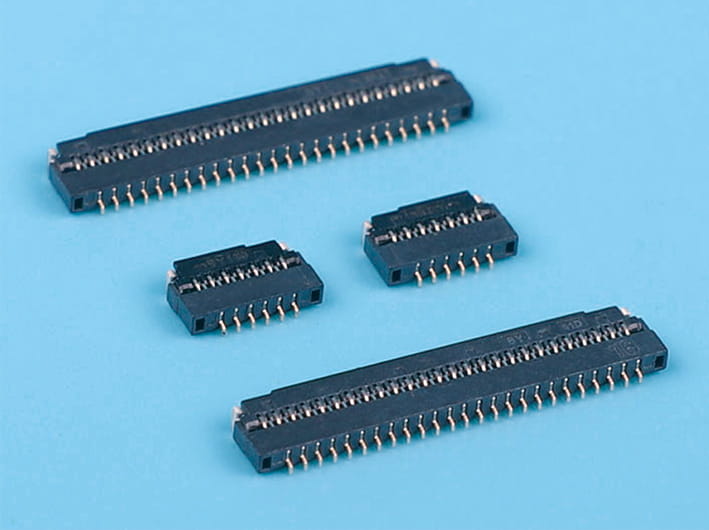
Easy-on fpc flat ribbon connector, 0.3mm pitch, 1.0mm height, flexible printed circuit connector, horizontal smt type
-

Back flip fpc flat flexible cable connector, 0.3mm pitch, 1.0mm height, bottom contact type for pcb board connections
-
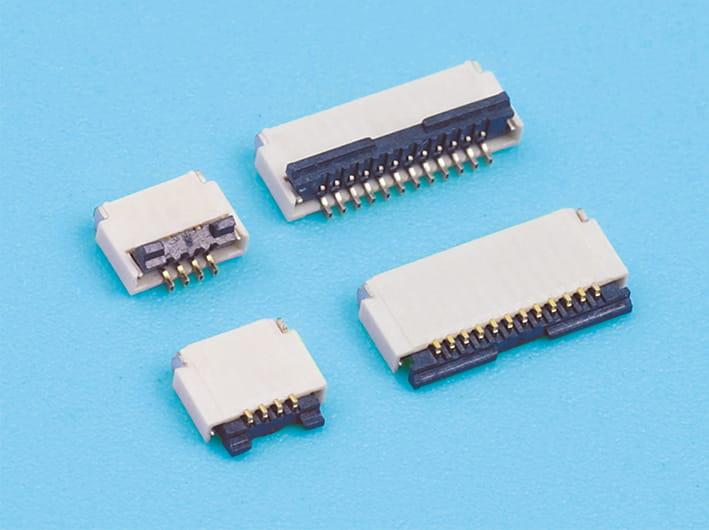
Back flip micro fpc flat cable connector, 0.5mm pitch, 1.0mm height, compact design, white, for data, signal transfer applications
-
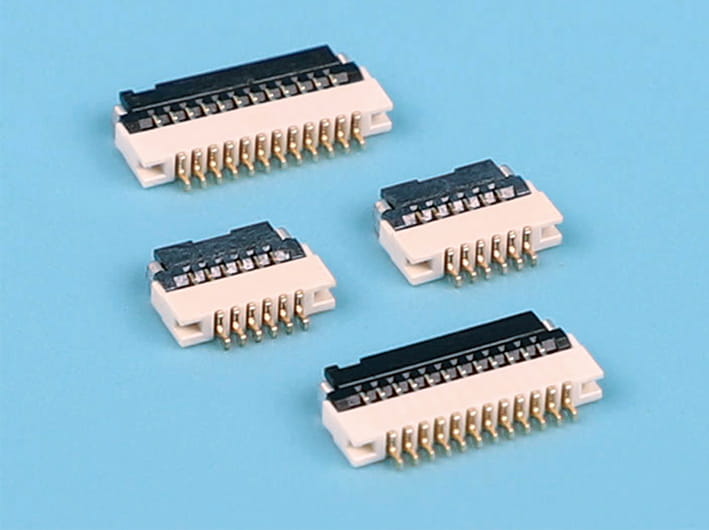
0.5mm Pitch, 1.0mm Height, Flip-Type Horizontal FPC Connector
-
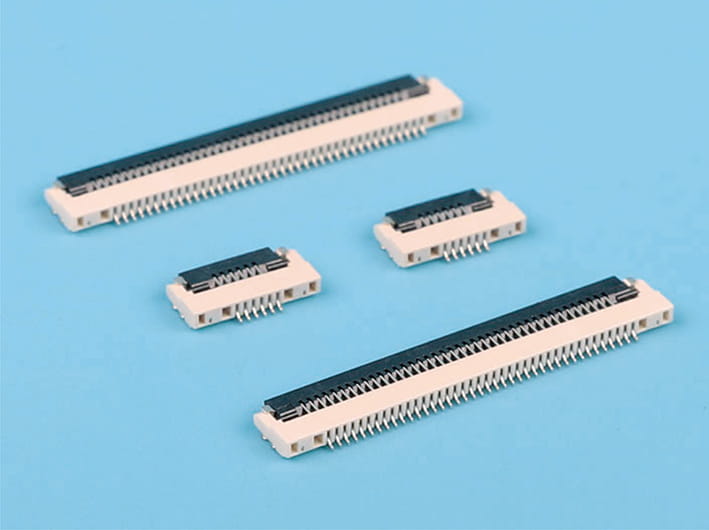
0.5mm pitch 1.2mm fpc flat cable connectors, horizontal smt type, flexible printed circuit connectors, secure locking
-
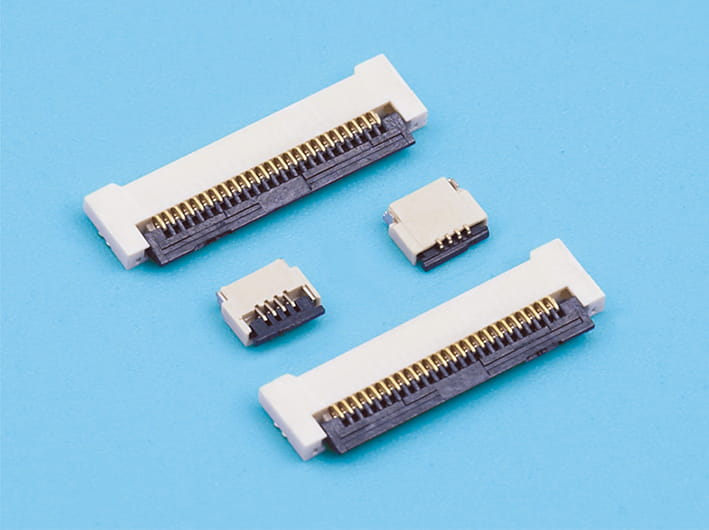
0.5mm Pitch, 1.2mm Height, Rear-Entry Horizontal FPC Connector
-
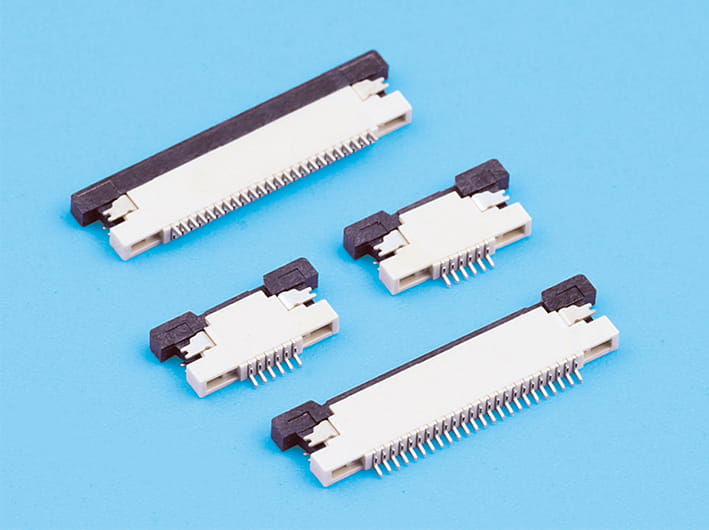
0.5mm pitch 1.2mm height fpc flat cable connector, zif r/a upper contact, locking slider, high-density integration, durable, for flexible printed circuits
-
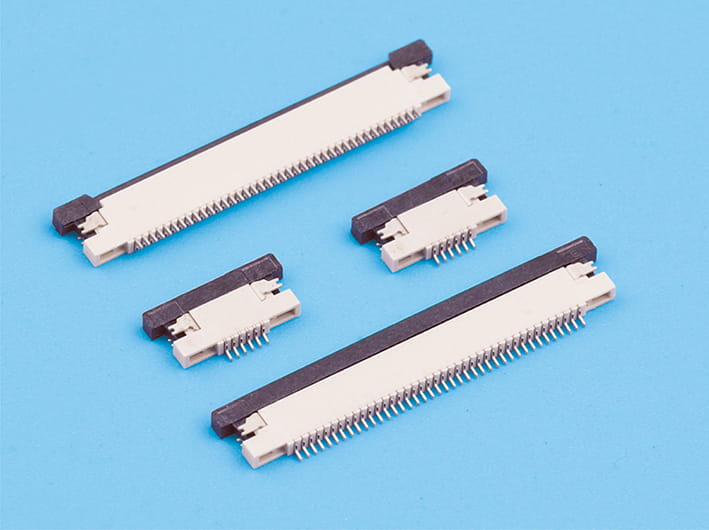
0.5mm pitch 1.2mm height fpc flat flexible cable connector, zif r/a down contact, for electronics and pcb boards
-
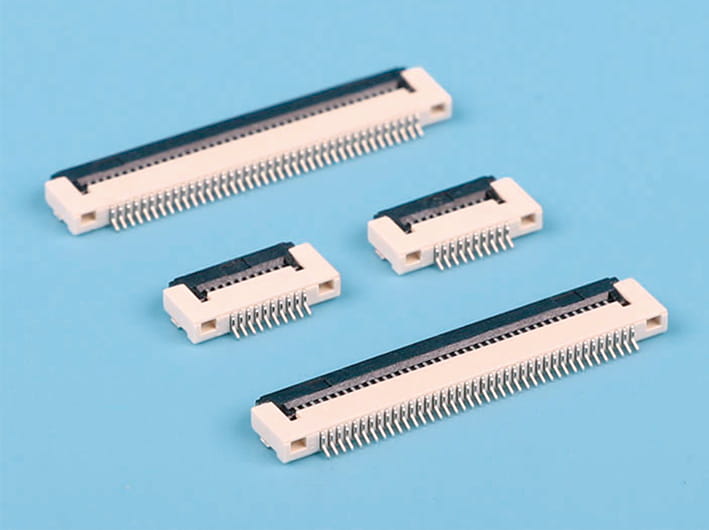
High-quality 0.5mm pitch 1.5mm height easy-on flat flexible cable fpc connector, horizontal type, locking-style, for pcb circuit board
-
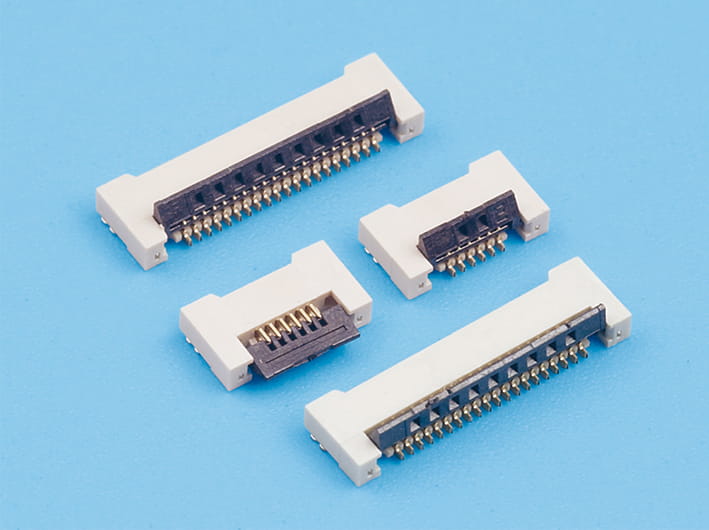
0.5mm pitch 1.5mm height back flip fpc flat connectors, zif slide type, flexible printed circuit cable connectors, horizontal contact
-
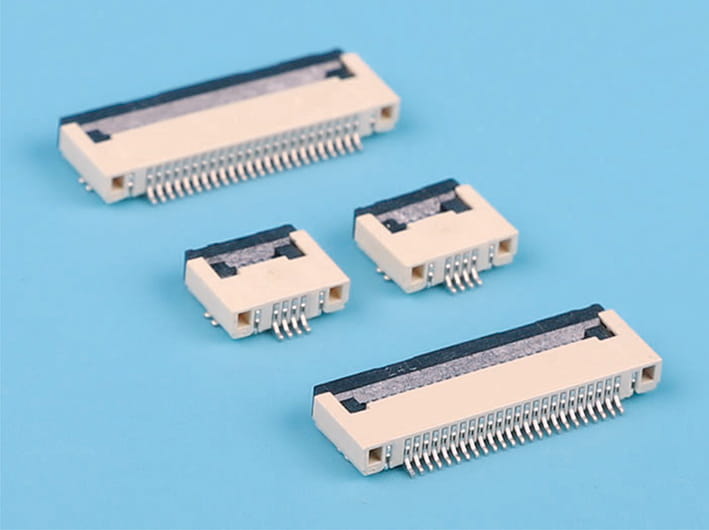
0.5mm pitch easy-on fpc flat ribbon connector, 2.0mm height, locking zif slide type, horizontal contact, flexible printed circuit board connector
-
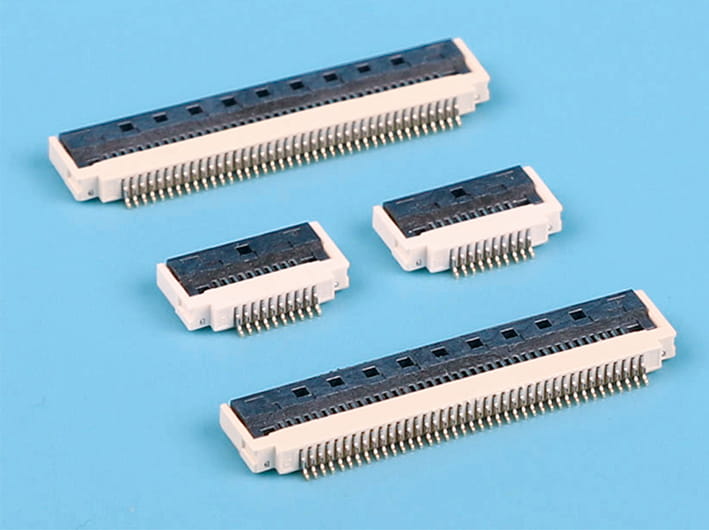
0.5mm pitch 2.0mm height, easy-on r/a with buckle fpc flat connectors, high-density integration flexible printed circuit board connectors
-
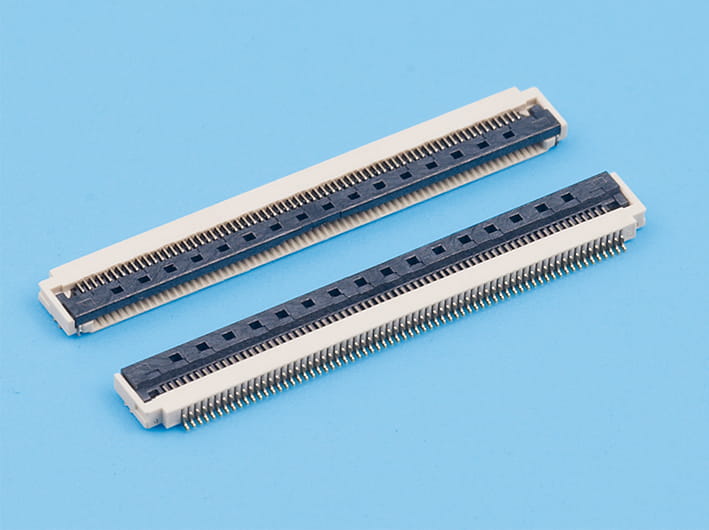
0.5mm Pitch, 2.0mm Height, Hinged Cover, Horizontal Mounting, Large Solder Pads
-

0.5mm pitch 2.0mm height back flip fpc flat connectors, horizontal insert, locking type, zif slide, pcb mount
-
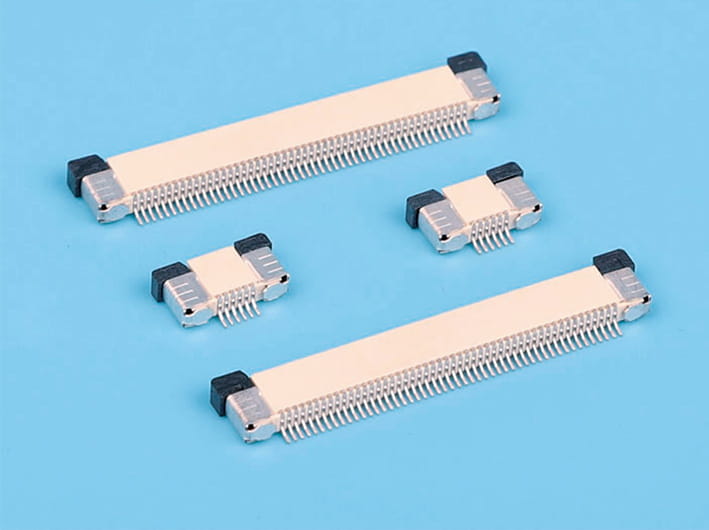
0.5mm Pitch, Ultra-Thin 2.0mm Horizontal FPC Connector (Pull-Out Locking Type, Top Contact Type)
-
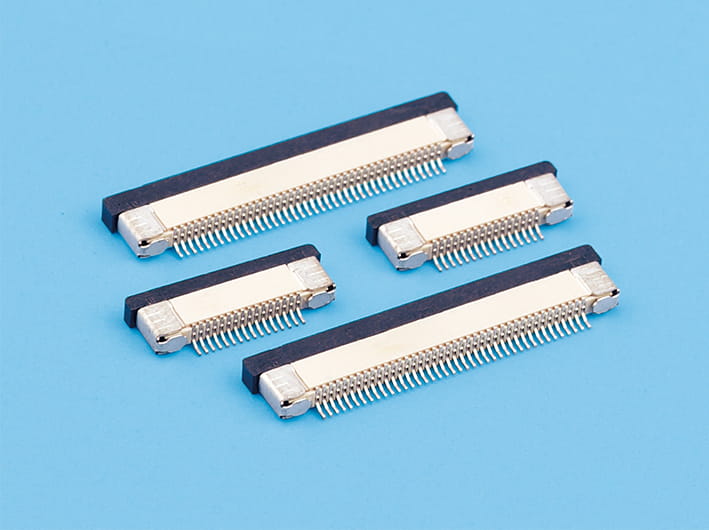
0.5mm Pitch, Ultra-Thin 2.0mm Horizontal FPC Connector (Pull-Out Locking Type, Bottom Contact Type)
-
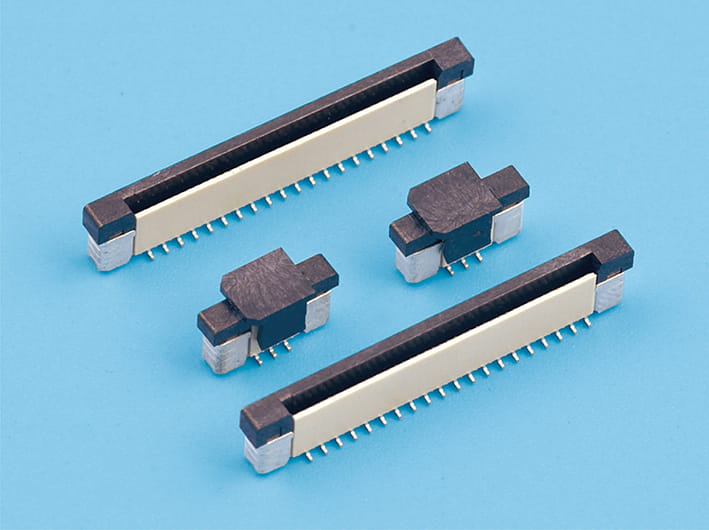
0.5mm pitch 4.5mm height fpc flat cable connector, zif s/t reversed pointer, locking slide
-
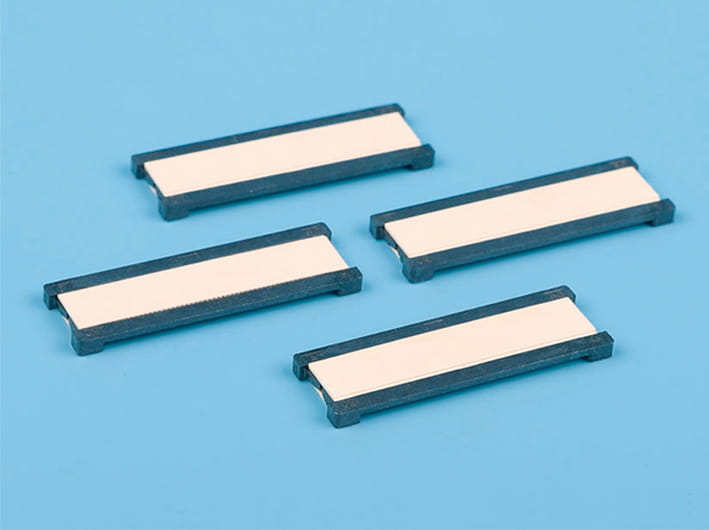
Double-side drawing fpc flat connector, 0.5mm pitch, 2.0mm/2.5mm height, flip type, for flexible cable, pcb mountable
CONTACT INFORMATION
-
Mr.Zhou(Sales manager)
Tel:+86(0)577-62369959
Tel:+86(0)577-62378959
MP:+86-13570877599
E-mail:[email protected]
Wechat:+86-13570877599
PRODUCT LINKS

Copyright © Zhejiang Wenda Electronics Co., Ltd. All Rights Reserved

Custom Electronic Connectors Manufacturer
