


 English
 中文简体
中文简体 Español
 عربى
عربىEnsuring Electrical Performance of FFC Ribbon Cables
The FFC Ribbon Cable is widely used in modern electronics for connecting flexible printed circuits to rigid boards, providing reliable signal transmission in compact spaces. Ensuring stable electrical performance is essential for maintaining signal integrity, reducing interference, and guaranteeing the longevity of electronic devices.

1. Material Selection and Conductivity
- Conductor Material: High-quality copper conductors are commonly used for FFC cables due to their good electrical conductivity and low resistance.
- Surface Plating: Tin or gold plating on conductors prevents oxidation and ensures reliable connections, especially in environments with high humidity or exposure to contaminants.
- Insulation Material: Polyimide or polyester insulation maintains electrical isolation while providing flexibility, heat resistance, and durability.
2. Signal Integrity and Transmission
- Trace Width and Spacing: Proper conductor width and consistent spacing reduce impedance mismatch, crosstalk, and signal reflection.
- Controlled Impedance: For high-frequency applications, maintaining controlled impedance along the FFC ensures signal loss.
- Minimizing Interference: Shielding or careful routing can reduce electromagnetic interference (EMI) from surrounding components or cables.
3. Connector Compatibility
- Proper Mating: The cable’s termination must align precisely with the connector to avoid intermittent contacts or shorts.
- Insertion Force: Zero insertion force (ZIF) or low insertion force (LIF) connectors reduce mechanical stress on conductors and maintain consistent electrical performance.
- Secure Contact: Spring contacts or robust clamping mechanisms ensure stable electrical contact over repeated insertions and removals.
4. Mechanical Considerations
- Bending Radius: Excessive bending can damage conductors or insulation, increasing resistance and reducing signal quality. Follow manufacturer specifications for bend radius.
- Flex Life: High-quality FFC cables are designed to withstand repeated flexing without electrical degradation, ensuring long-term performance in dynamic applications.
- Strain Relief: Proper strain relief at the cable ends prevents stress from damaging conductors near the connector interface.
5. Environmental Factors
- Temperature Range: Operating within specified temperature limits ensures conductors and insulation maintain their electrical properties.
- Humidity and Moisture: Exposure to moisture can increase contact resistance and cause corrosion; using moisture-resistant insulation and plating improves reliability.
- Chemical Exposure: FFC cables must be compatible with chemicals present in their operating environment, such as cleaning agents or flux residues.
6. Testing and Quality Control
- Continuity Testing: Verifies that each conductor is properly connected and free of open circuits.
- Insulation Resistance Testing: Ensures that insulation prevents unintended current paths between adjacent conductors.
- High-Frequency Signal Testing: For applications involving fast data signals, testing ensures signal attenuation, distortion, and reflection.
7. Installation and Handling
- Proper Insertion: Aligning the cable correctly with the connector prevents bending or contact misalignment.
- Avoiding Excessive Force: Using appropriate tools for insertion and removal reduces the risk of mechanical and electrical damage.
- Routing Practices: Avoid sharp turns, tight bends, or routing near high-current components to maintain electrical performance.
8. Long-Term Reliability
- Wear and Tear Monitoring: Repeated insertions, bending, or exposure to harsh environments can degrade electrical performance over time.
- Preventive Maintenance: Regular inspection of cables and connectors helps detect early signs of wear, corrosion, or insulation damage.
- Replacement Strategy: Replace cables before performance degradation affects system reliability, especially in critical applications.
Ensuring the electrical performance of an FFC Ribbon Cable involves careful consideration of materials, signal integrity, connector compatibility, mechanical handling, and environmental conditions. By selecting high-quality conductors and insulation, adhering to installation practices, and performing regular testing, engineers can maintain stable electrical connections and prevent failures. Proper design and maintenance not only guarantee reliable operation but also extend the lifespan of the cable and the devices it connects, ensuring overall system efficiency and performance.
Related Products
-
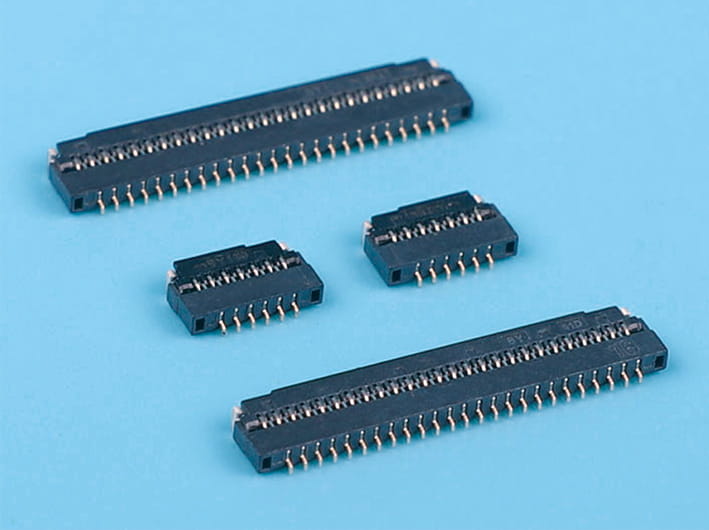
Easy-on fpc flat ribbon connector, 0.3mm pitch, 1.0mm height, flexible printed circuit connector, horizontal smt type
-

Back flip fpc flat flexible cable connector, 0.3mm pitch, 1.0mm height, bottom contact type for pcb board connections
-
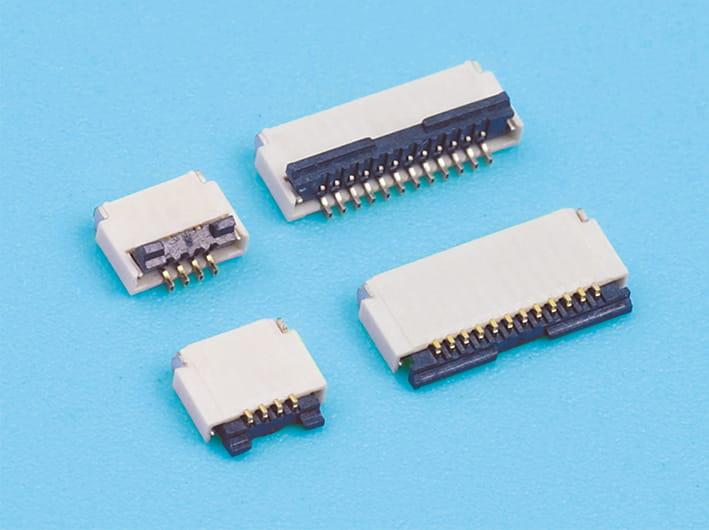
Back flip micro fpc flat cable connector, 0.5mm pitch, 1.0mm height, compact design, white, for data, signal transfer applications
-
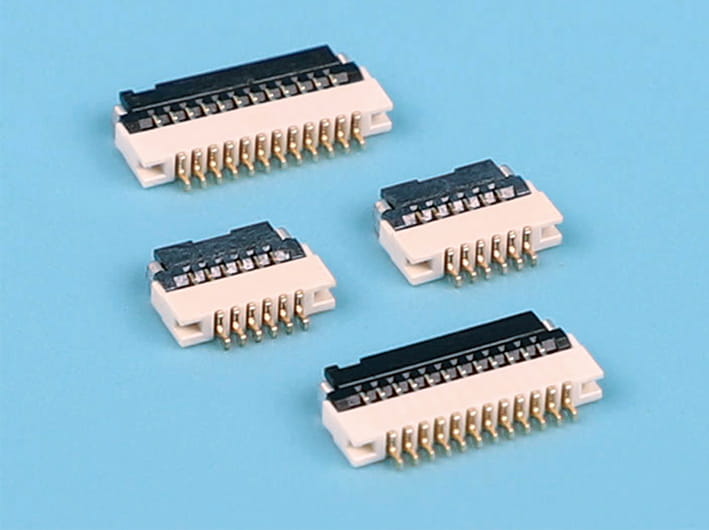
0.5mm Pitch, 1.0mm Height, Flip-Type Horizontal FPC Connector
-
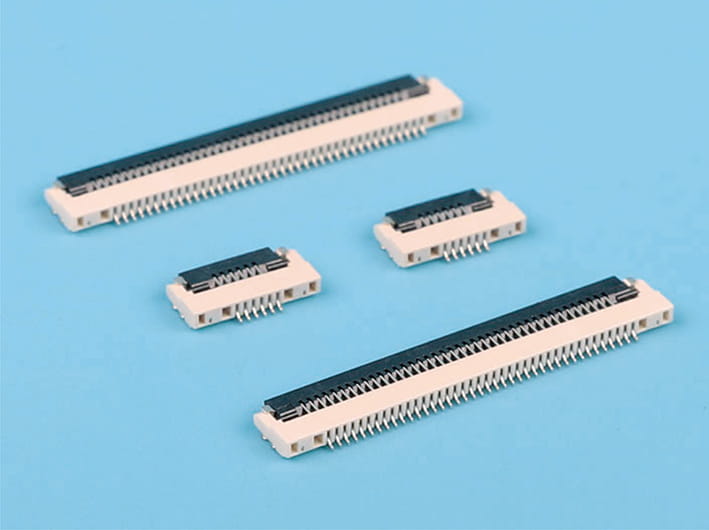
0.5mm pitch 1.2mm fpc flat cable connectors, horizontal smt type, flexible printed circuit connectors, secure locking
-
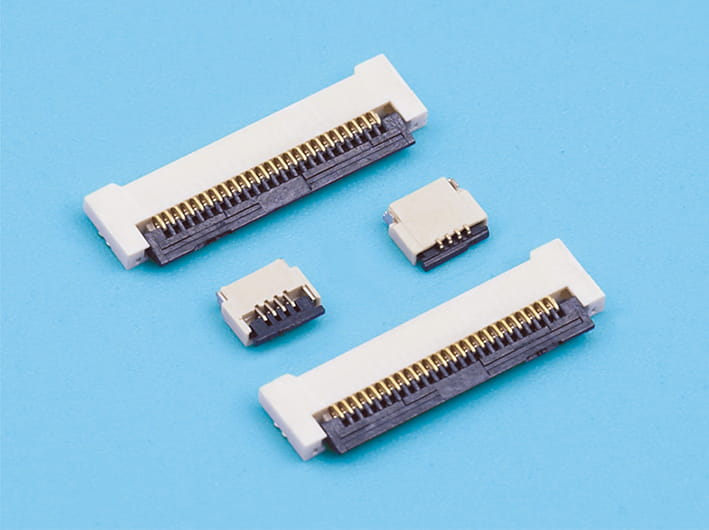
0.5mm Pitch, 1.2mm Height, Rear-Entry Horizontal FPC Connector
-
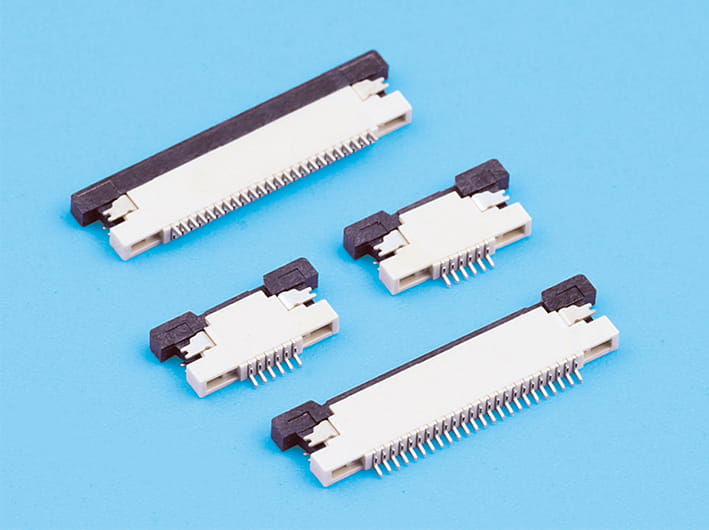
0.5mm pitch 1.2mm height fpc flat cable connector, zif r/a upper contact, locking slider, high-density integration, durable, for flexible printed circuits
-
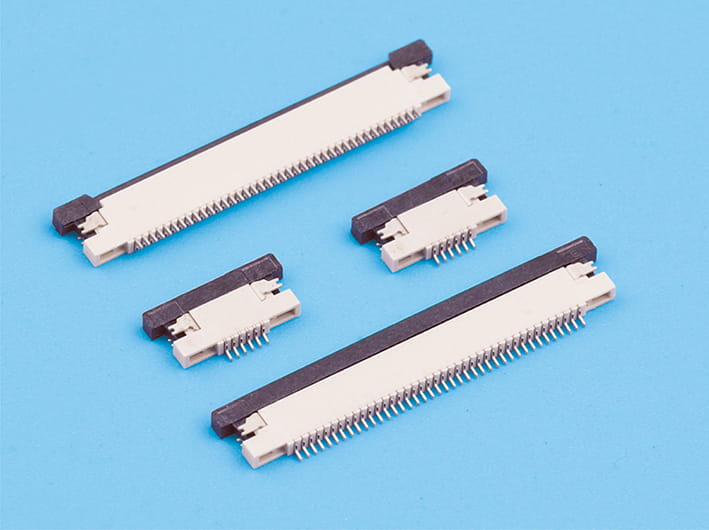
0.5mm pitch 1.2mm height fpc flat flexible cable connector, zif r/a down contact, for electronics and pcb boards
-
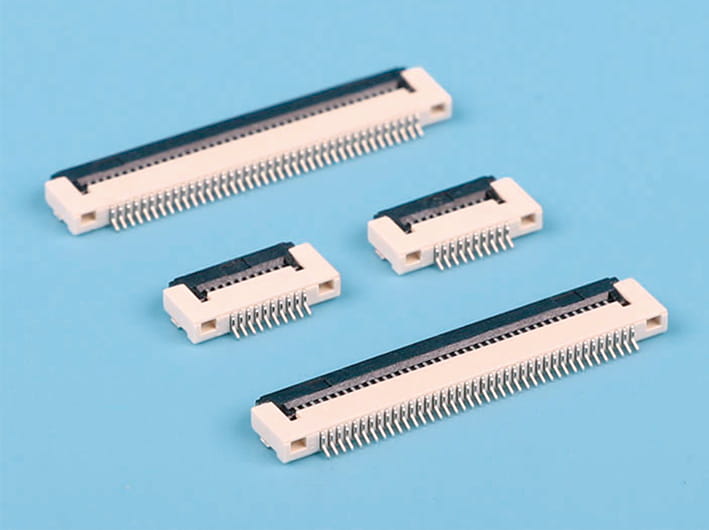
High-quality 0.5mm pitch 1.5mm height easy-on flat flexible cable fpc connector, horizontal type, locking-style, for pcb circuit board
-
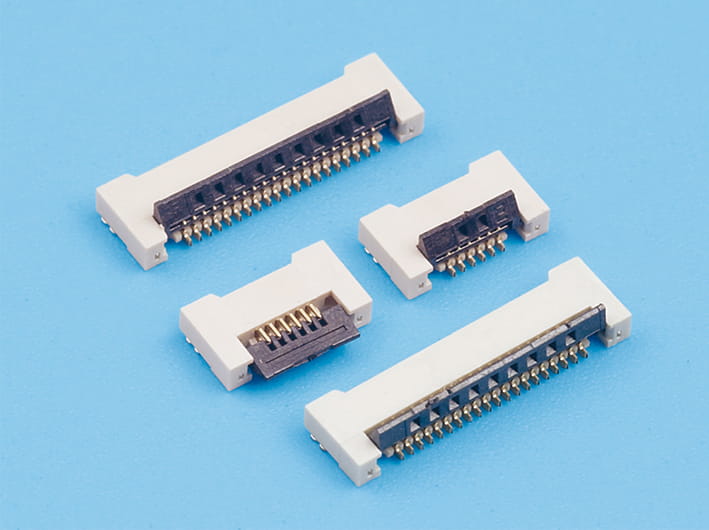
0.5mm pitch 1.5mm height back flip fpc flat connectors, zif slide type, flexible printed circuit cable connectors, horizontal contact
-
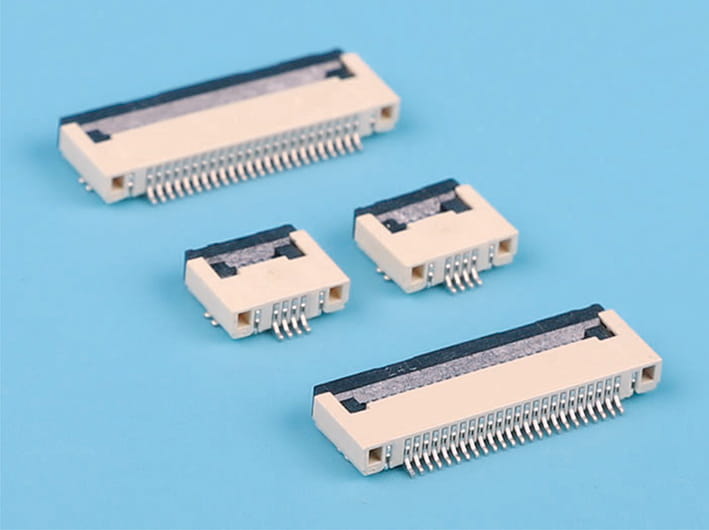
0.5mm pitch easy-on fpc flat ribbon connector, 2.0mm height, locking zif slide type, horizontal contact, flexible printed circuit board connector
-
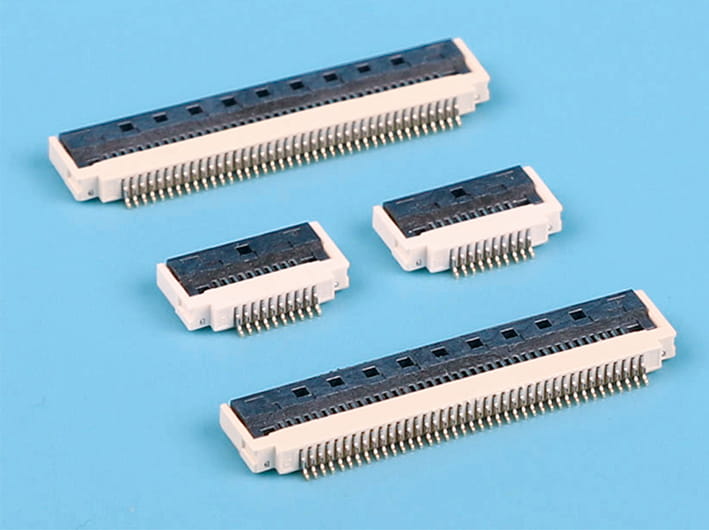
0.5mm pitch 2.0mm height, easy-on r/a with buckle fpc flat connectors, high-density integration flexible printed circuit board connectors
-
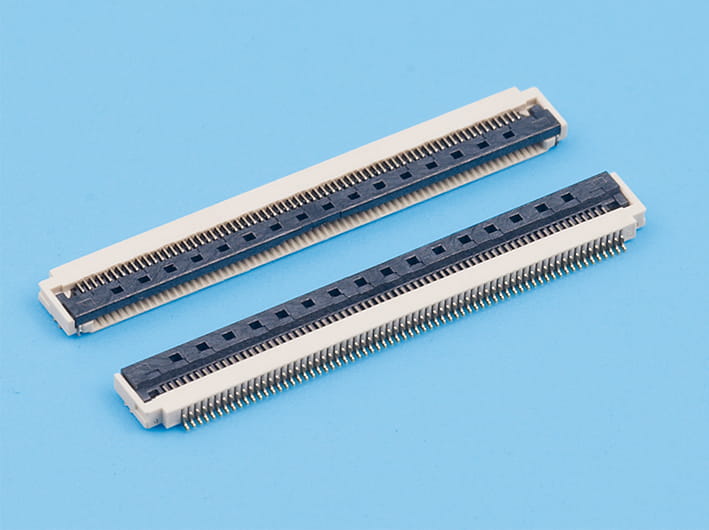
0.5mm Pitch, 2.0mm Height, Hinged Cover, Horizontal Mounting, Large Solder Pads
-

0.5mm pitch 2.0mm height back flip fpc flat connectors, horizontal insert, locking type, zif slide, pcb mount
-
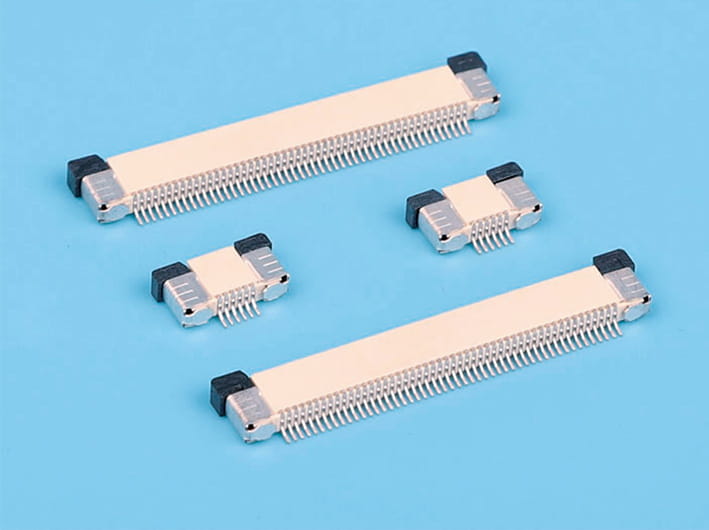
0.5mm Pitch, Ultra-Thin 2.0mm Horizontal FPC Connector (Pull-Out Locking Type, Top Contact Type)
-
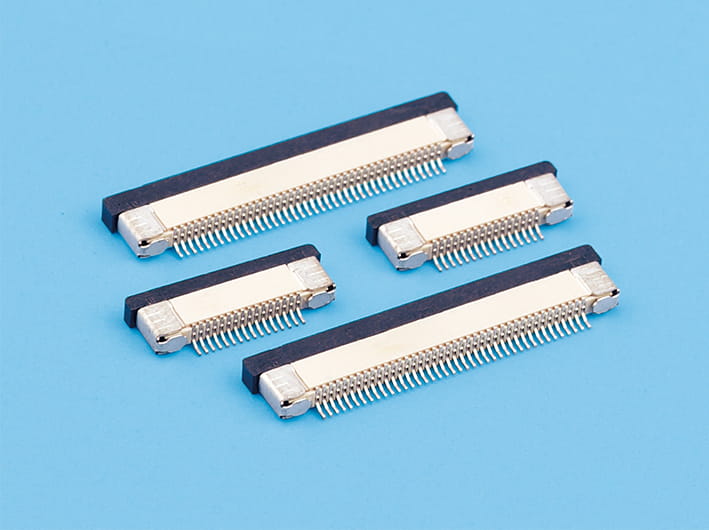
0.5mm Pitch, Ultra-Thin 2.0mm Horizontal FPC Connector (Pull-Out Locking Type, Bottom Contact Type)
-
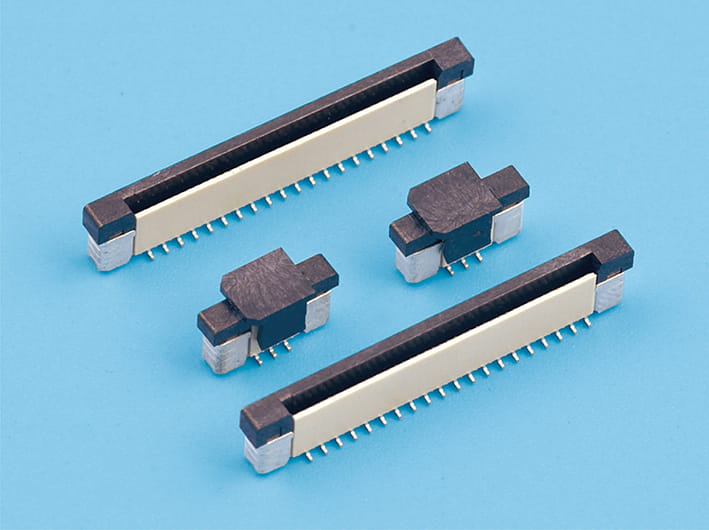
0.5mm pitch 4.5mm height fpc flat cable connector, zif s/t reversed pointer, locking slide
-
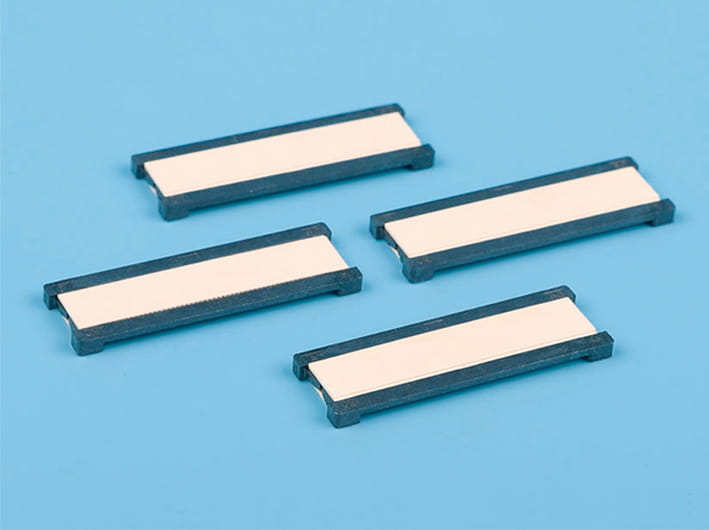
Double-side drawing fpc flat connector, 0.5mm pitch, 2.0mm/2.5mm height, flip type, for flexible cable, pcb mountable
CONTACT INFORMATION
-
Mr.Zhou(Sales manager)
Tel:+86(0)577-62369959
Tel:+86(0)577-62378959
MP:+86-13570877599
E-mail:[email protected]
Wechat:+86-13570877599
PRODUCT LINKS

Copyright © Zhejiang Wenda Electronics Co., Ltd. All Rights Reserved

Custom Electronic Connectors Manufacturer
