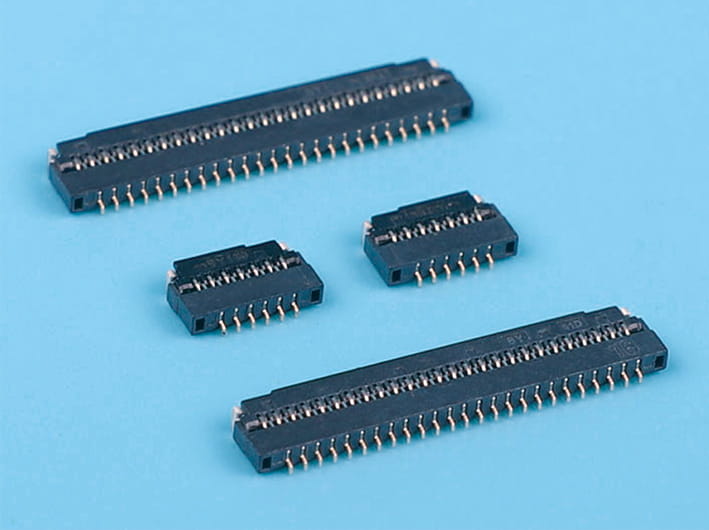
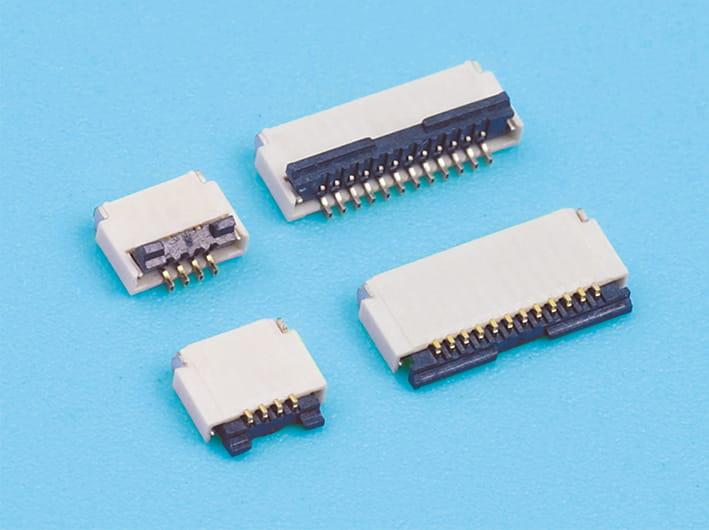
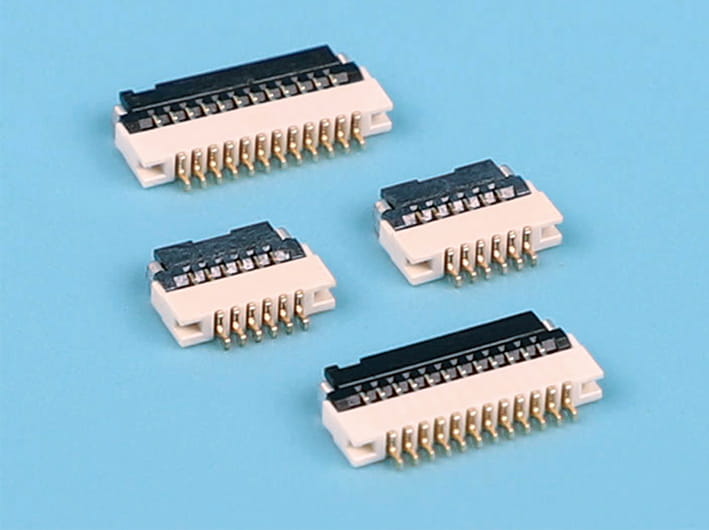
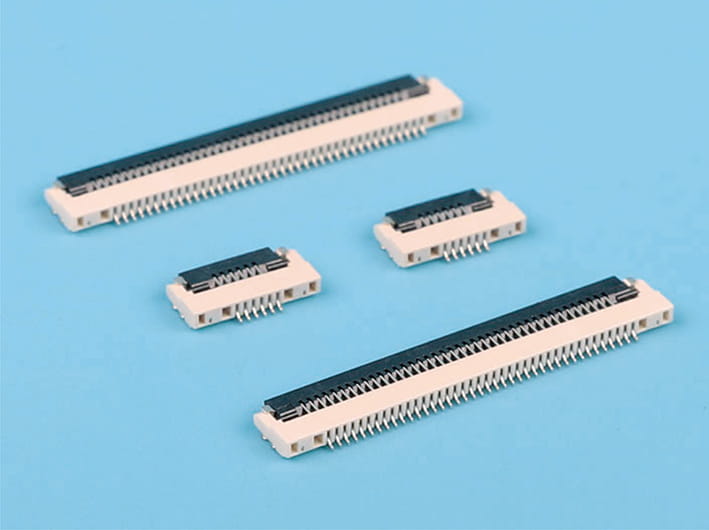
Connector design affects much more than the way two parts connect. It can influence assembly work, electrical performance, product size, and how reliable the finished product is over time. As electronic equipment, automotive systems, industrial controls, and compact devices keep getting smaller inside, manufacturers have to think more carefully about how every component fits into the available space.
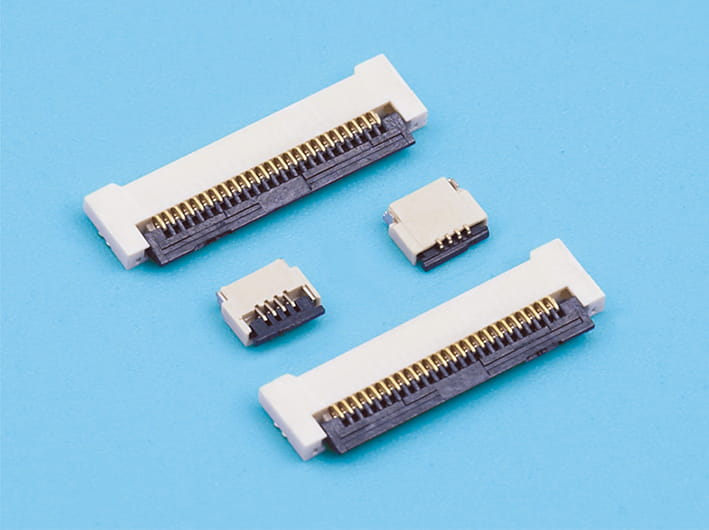
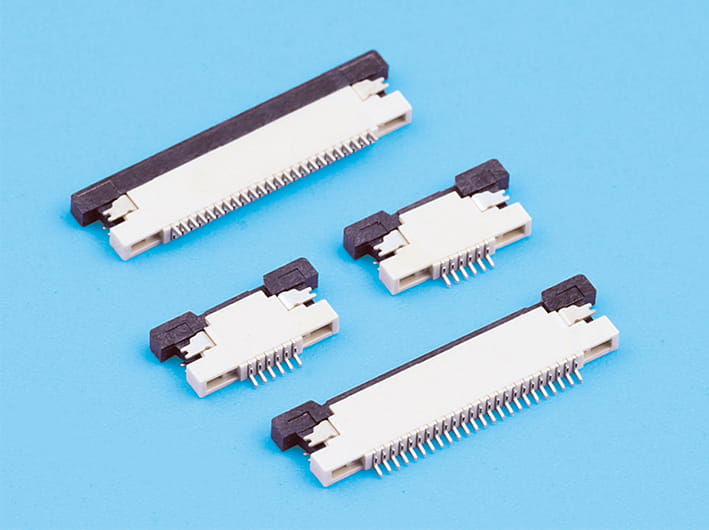
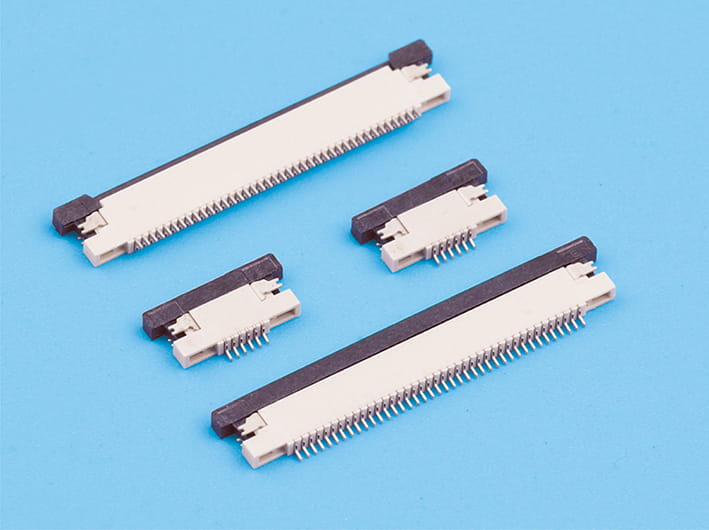
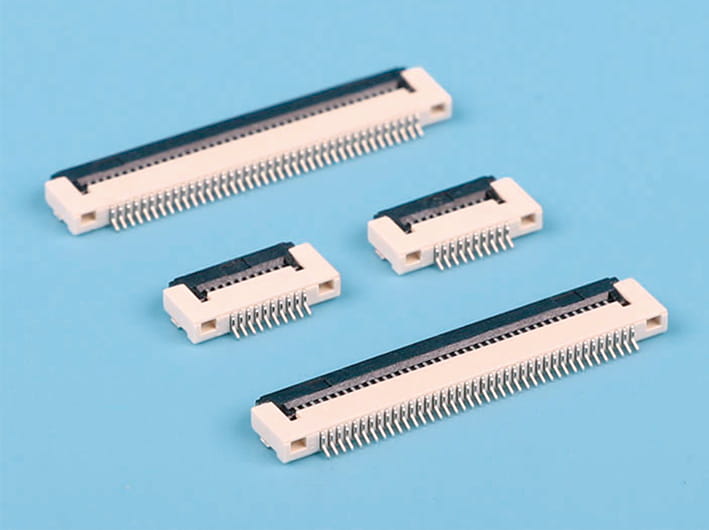
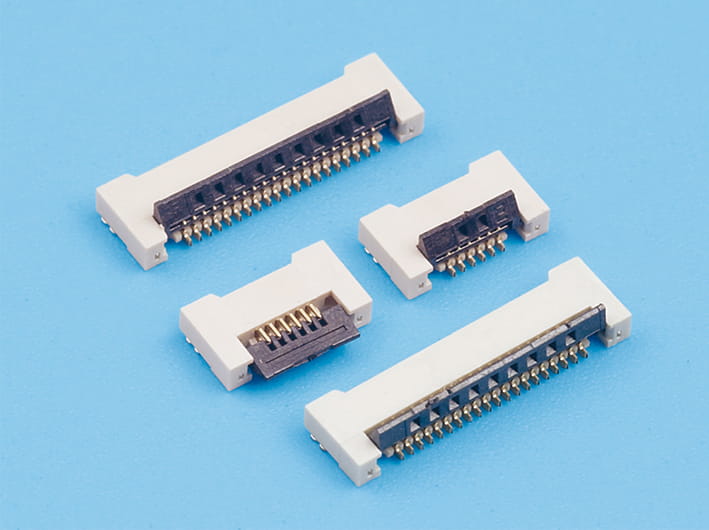
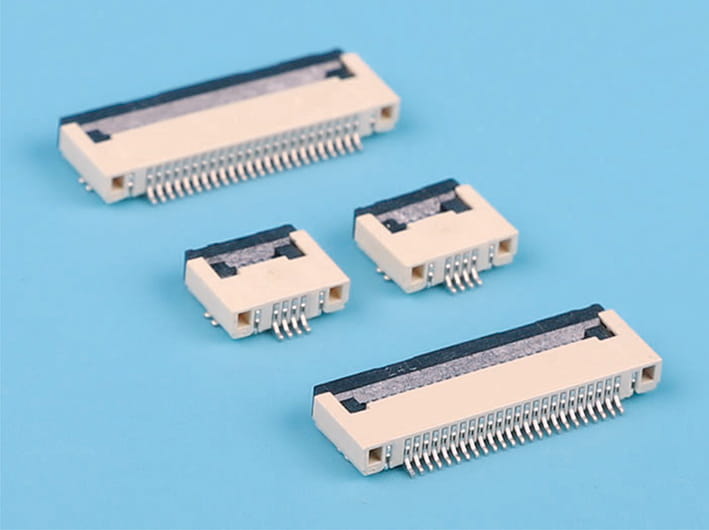
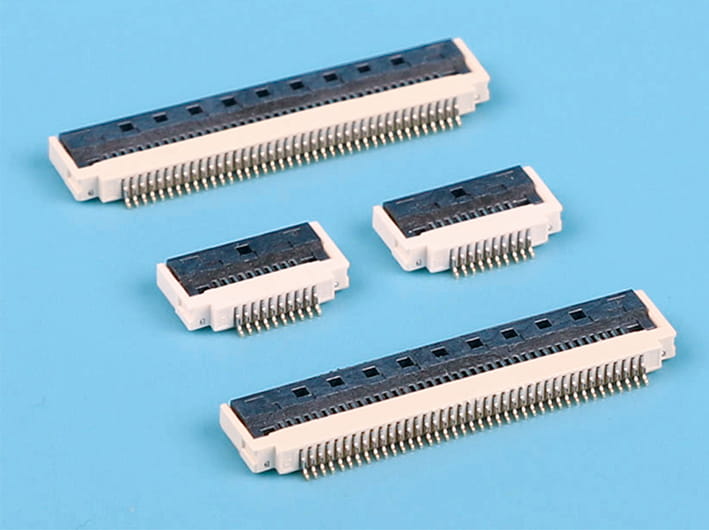
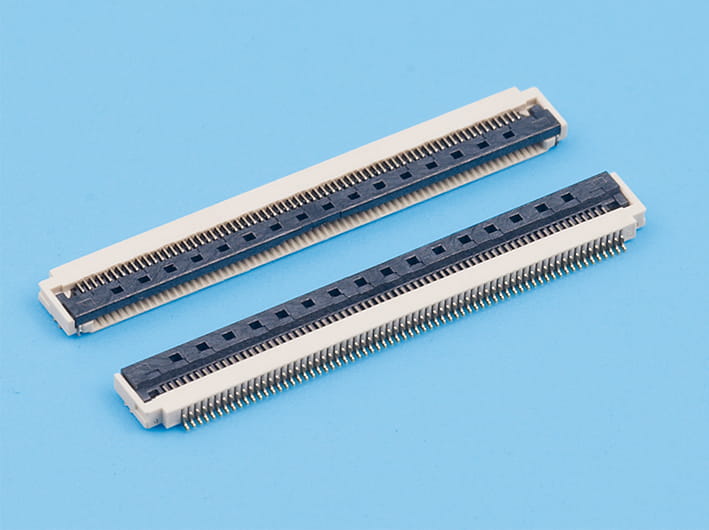
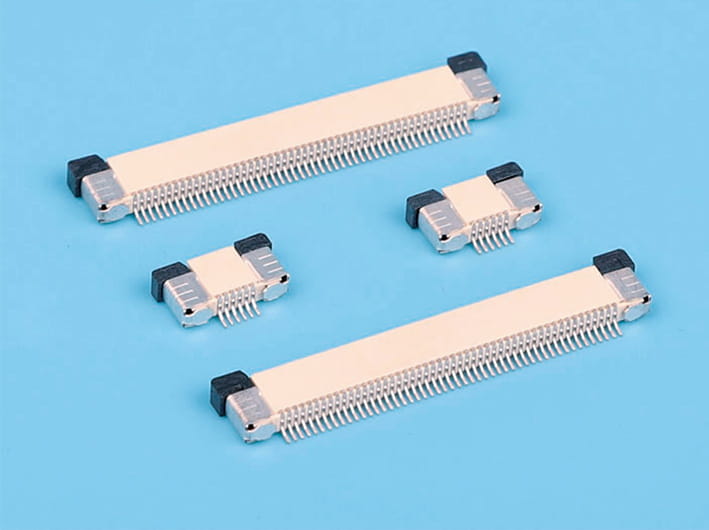
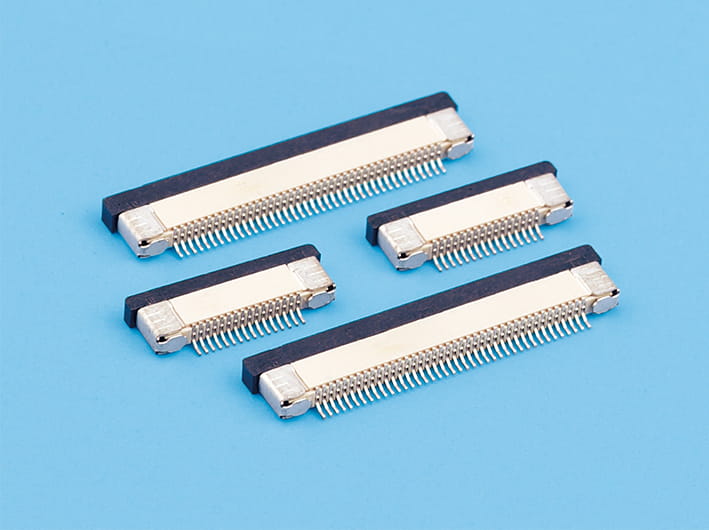
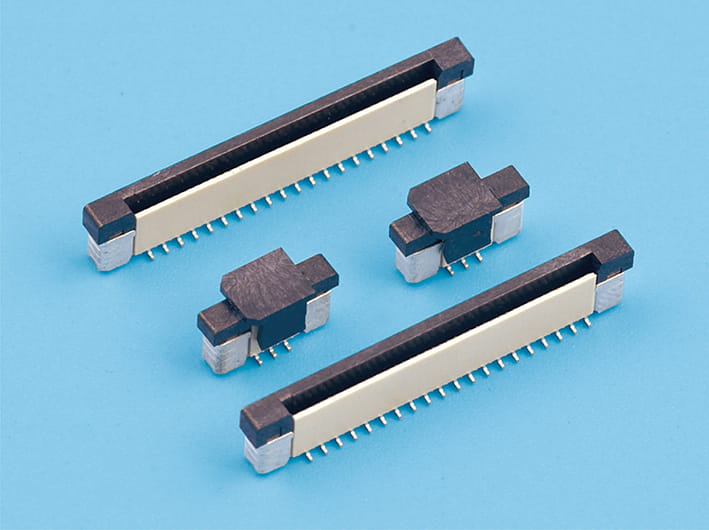
A Flat Connector takes a somewhat different approach to the usual connector structure. Its lower profile can be useful in applications where installation height is limited, and some designs also give engineers more freedom when arranging contacts. Still, a flat structure is not automatically the right choice for every product.
For engineers, OEM manufacturers, distributors, and component buyers, the practical way to compare connector designs is to look at the actual application. Electrical needs matter, but so do mechanical loads, installation space, contact layout, assembly methods, working environment, and overall cost. These things usually have to be considered together.
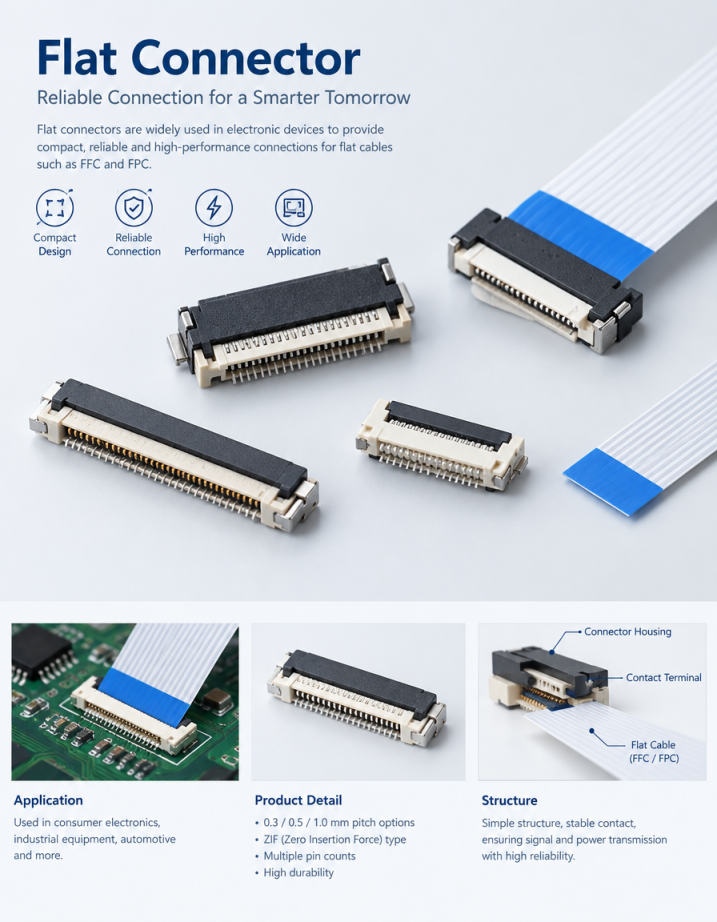
What Makes a Flat Connector Different From a Traditional Connector?
The basic job is still the same: a connector needs to provide a reliable electrical or mechanical connection between cables, boards, components, or assemblies. What changes is the physical shape and how that shape fits into the product.
Traditional connectors generally use a three-dimensional housing with pins, sockets, terminals, or similar contact arrangements. A flat connector puts more emphasis on a reduced profile or a more planar structure.
Depending on the application, a flat connector may be used for:
- Limited installation height
- Tight internal spaces
- Board-to-board connections
- Cable or wire connections
- Compact electronic assemblies
- Custom industrial equipment
There is no single shape that defines every flat connector. Different manufacturers may use different structures for different jobs, so buyers should check the actual product drawing and specifications instead of assuming all flat connectors work the same way.
Why Are Manufacturers Paying More Attention to Low-Profile Connector Designs?
One reason is pretty simple: there is less room inside modern products.
Product designers are often trying to put more functions into a smaller enclosure. Consumer electronics show this clearly, but similar pressure can be found in automotive electronics, sensors, lighting systems, industrial controls, and other compact equipment.
A connector that takes up less vertical space can make it easier to arrange nearby components. Sometimes that extra few millimeters can make a surprising difference.
This can be useful when:
- The enclosure height is restricted.
- Components need to sit close to a PCB.
- Cable routing space is limited.
- Several connectors need to fit into a narrow area.
- The finished product needs a compact outer profile.
That said, making a connector smaller does not make the design easier in every case. Tighter dimensions often mean tighter manufacturing and assembly tolerances too.
Flat Connector and Traditional Connector Designs Have Different Space Requirements
When checking connector dimensions, look at length, width, and height. Height is often where a flat design has a practical advantage, especially when components are packed closely together.
Traditional designs can provide more three-dimensional space around the contact system. A flat configuration can reduce vertical clearance where that is the main restriction.
| Design consideration |
Flat connector |
Traditional connector |
| Vertical clearance |
Often suitable for low-profile applications |
May require more installation height |
| Internal layout |
Can support compact arrangements |
Often easier to accommodate larger components |
| Contact density |
Depends on design |
Wide range of configurations available |
| Assembly space |
Potentially efficient in restricted areas |
More flexible where space is available |
| Mechanical structure |
Requires careful support design |
Often familiar and straightforward |
| Customization |
Useful for specialized layouts |
Many standardized options available |
Neither format should be chosen just because it looks more compact. The overall product structure still decides what makes sense.
Electrical Requirements Still Come First
A smaller connector does not help much if it cannot meet the electrical requirements of the application.
Before selecting a connector, manufacturers should define the required voltage, current, contact resistance, insulation characteristics, and signal requirements.
For power applications, the contact system needs to carry the intended current without creating excessive heat. Signal applications can be different. Depending on the system, designers may care more about contact stability, interference, impedance, or signal integrity.
So, start with the electrical requirements and work outward from there.
For B2B buyers, useful technical information may include:
- Rated voltage
- Rated current
- Contact resistance
- Insulation resistance
- Number of contacts
- Contact spacing
- Wire or PCB compatibility
- Operating temperature
- Electrical durability
The actual ratings should be checked against the supplier's product data because specifications can vary quite a bit from one connector design to another.
Mechanical Strength Can Become More Important With Flat Designs
Electrical performance is only half of the job. The connector also needs to stay where it is supposed to stay.
During assembly and disassembly, connectors are exposed to insertion and withdrawal forces. Later, equipment may introduce vibration, shock, or cable movement. A lower-profile connector still needs enough mechanical support for its working conditions.
It is useful to look at how force moves from the connector into the PCB, housing, cable, or other supporting structure.
A connector mounted directly to a rigid board, for example, may face different stresses from a connector used in a flexible cable assembly.
Key mechanical factors include:
- Insertion and withdrawal force
- Retention force
- Vibration resistance
- Shock resistance
- Housing strength
- Terminal retention
- Mounting method
A connector can meet its electrical requirements and still cause trouble in the field if it does not have enough mechanical retention.
Contact Design Has a Direct Effect on Reliability
Inside the connector, the contact system deserves close attention.
The contacts have to maintain stable electrical contact during normal use and under expected environmental changes. Terminal shape, contact pressure, alignment, and surface treatment can all affect how the connection behaves over time.
Copper alloys with suitable surface finishes are commonly used for contacts, but the actual material needs to fit the electrical and mechanical requirements of the product.
Plating is another detail worth checking. It can influence resistance to oxidation, wear, and environmental exposure.
For manufacturers, the useful question is not simply, “What metal is this?” Look at the whole contact system: base material, plating, geometry, contact force, and expected mating cycles all matter.
Manufacturing Tolerances Matter More in Compact Assemblies
As connector dimensions get smaller, small dimensional changes become more noticeable.
A slight variation may affect contact alignment, insertion force, terminal position, or assembly consistency. This matters even more on automated production lines, where the same operation is repeated over and over.
For a custom connector, manufacturers should define critical dimensions and acceptable tolerances early in product development.
Quality control may involve dimensional checks, contact testing, mechanical testing, and functional inspection.
For large orders, there is another thing buyers should ask about: batch-to-batch consistency. A sample that works well during development is useful, but mass production still needs to stay within the agreed specifications.
Installation and Assembly Should Be Considered From the Start
Connector selection also affects the way the product is assembled.
A connector might meet the technical requirements and still be frustrating on the production line if it is awkward to position, lock, solder, crimp, or inspect.
Flat designs can fit well with compact or automated assemblies when the structure matches the production process. On the other hand, a specialized design may need custom tooling or fixtures.
Manufacturers should consider:
- How the connector is positioned during assembly.
- Whether insertion is manual or automated.
- How the terminals are attached.
- How the connection is locked.
- Whether operators can inspect the connection easily.
- Whether the connector needs to be accessed or replaced later.
It is much easier to sort these issues out during product development than after mass production has already started.
Environmental Protection Depends on the Application
Not every connector operates under clean indoor conditions.
A connector inside a protected electronic device may have fairly simple environmental requirements. One used in a vehicle, industrial machine, or outdoor system could face moisture, dust, temperature changes, vibration, oil, or chemicals.
Manufacturers should identify the real operating environment before settling on a connector structure.
Environmental considerations can include:
- Operating temperature
- Humidity
- Water exposure
- Dust
- Oil or chemicals
- Vibration
- Corrosive conditions
- Outdoor use
A flat connector may work well inside a protected enclosure but need additional sealing or housing features in a harsher environment.
Ingress protection, sealing, and material selection should be reviewed according to the actual equipment and where the connector will be installed.
Serviceability and Maintenance Also Affect Connector Selection
Some connectors are installed and left alone for years. Others may need to be disconnected several times during maintenance.
That difference matters.
In a product that requires regular servicing, mating-cycle durability and accessibility become much more important. A compact connector placed in a hard-to-reach area might save space, but a technician could have a rough time getting to it later.
Sometimes a slightly larger connector is simply easier to inspect or replace.
For industrial equipment manufacturers, service requirements should be part of the design discussion from the beginning. The connector needs to make sense on the production line, but also when someone has to repair the equipment six months or several years later.
Cost Should Be Evaluated Across the Complete Production Process
Unit price matters in OEM purchasing, especially for large quantities. But looking only at the connector's purchase price can leave out some important costs.
A customized flat design may cost more per unit than a standard connector. At the same time, it may reduce space requirements, simplify the internal layout, or help keep the enclosure smaller.
A lower-cost traditional connector can also create extra work if it needs additional brackets, wiring changes, or more complicated assembly.
| Cost factor |
What manufacturers should review |
| Unit price |
Cost per connector at the expected volume |
| Tooling |
Mold or stamping costs for custom designs |
| Assembly |
Labor and equipment requirements |
| PCB changes |
Impact on board layout |
| Enclosure |
Possible effect on product dimensions |
| Maintenance |
Replacement and service requirements |
| Logistics |
Packaging and handling requirements |
Looking at the whole production process gives a more realistic picture of connector cost.
When a Traditional Connector Design May Still Be Practical
Traditional connector designs are still widely used, and there is a good reason for that.
A conventional connector can make sense when a product needs a familiar interface, easy access to replacement parts, standard specifications, or a more substantial mechanical structure.
Standardized designs can also make sourcing easier because several suppliers may have compatible or similar products available.
Before changing an established connector, manufacturers should also consider existing supply chains, production equipment, and product standards.
The point is not to use a new connector format just because the design looks newer. It needs to solve an actual product problem.
When a Flat Connector Could Make More Sense
A flat connector becomes more interesting when installation space is the main headache.
It may fit applications where connector height interferes with nearby components or where the internal layout simply does not leave much room.
Potential applications include:
- Compact electronic devices
- Automotive modules
- LED and lighting systems
- Industrial control equipment
- Sensors
- Battery-related assemblies
- Custom electronic equipment
Of course, the actual connector specifications still need to match the application. Engineers should test the selected design through prototypes before moving into high-volume production.
What Should Manufacturers Ask a Connector Supplier?
When contacting a connector supplier, more application information usually leads to a more useful discussion.
Instead of sending only the connector name or a rough size, buyers should provide as much of the real working requirement as possible.
Useful information includes:
- Application type
- Voltage and current
- Number of contacts
- Installation dimensions
- Required mating cycles
- Wire or PCB specifications
- Operating temperature
- Environmental conditions
- Mechanical load
- Production volume
- Certification requirements
- Customization needs
For OEM and ODM projects, drawings, 3D models, samples, and application photos can make communication much easier.
It is also worth discussing tooling ownership, sample procedures, inspection requirements, and production cycle before approving a custom connector.
A Practical Comparison for Product Development Teams
When comparing a Flat Connector with a traditional connector, product teams can use a simple checklist like this:
| Evaluation area |
Questions to ask |
| Size |
Does the connector fit the available installation space? |
| Electrical performance |
Can it handle the required voltage, current, and signals? |
| Mechanical strength |
Can it withstand expected force and vibration? |
| Assembly |
Is it compatible with the production process? |
| Environment |
Can the materials handle the working conditions? |
| Service |
Can technicians access and replace it when needed? |
| Supply |
Is the connector available consistently? |
| Cost |
What is the total production impact? |
| Customization |
Are changes needed for a specific product? |
This keeps the discussion focused on what the product actually needs.
Making the Final Connector Choice Based on the Application
The comparison between a Flat Connector and a traditional connector should start with the product itself, not the connector format.
A flat structure can be useful when installation height is limited, internal space is tight, or the product has a specialized layout. Traditional connectors may still be a practical option when standardization, sourcing flexibility, familiar mechanical structures, or replacement availability matter more.
Electrical performance, mechanical strength, manufacturing tolerances, environmental conditions, assembly requirements, service access, and total cost all need to be looked at together.
For OEM manufacturers and B2B buyers, it helps to define these requirements before getting into specific models with a supplier. From there, prototype testing can show whether the chosen connector works properly under realistic assembly and operating conditions.
A connector may be a small part of the finished product, but it can affect much more than its own footprint. Getting the structure right during engineering can make assembly easier and reduce the chance of expensive design changes later.



 English
 中文简体
中文简体 Español
 عربى
عربى