


 English
 中文简体
中文简体 Español
 عربى
عربىWhy Are ZIF Connector Cables Widely Used With FFC and FPC Connections
Electronic products are becoming more compact, while internal connections need to remain organized and dependable. This change has increased attention on flexible connection methods. FFC and FPC are widely used because they can carry electrical connections without taking up the space associated with traditional wiring.
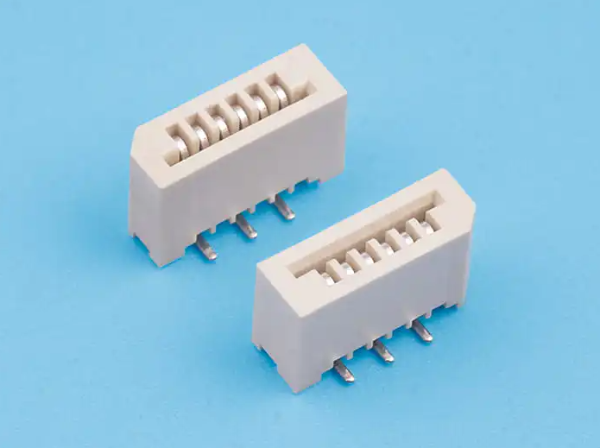
Yet a flexible cable still needs a suitable way to connect with a circuit board or another electronic component. This is where the ZIF connector cable becomes important.
ZIF stands for Zero Insertion Force. The basic idea is simple. The flexible cable can be placed into the connector without requiring strong insertion pressure. A locking part then helps hold the cable in position.
This approach fits naturally with FFC and FPC connections. Both types of flexible connection products are designed around space efficiency and movement within electronic assemblies. ZIF connectors support these characteristics by making the connection process easier to manage. Industry connector manufacturers also describe ZIF designs as a common option for FFC and FPC applications across compact electronic equipment.
The relationship between these components is therefore more than a matter of compatibility. It reflects a broader change in how electronic products are designed, assembled, serviced, and arranged internally.
What Makes ZIF Connector Cables Suitable for FFC and FPC?
FFC and FPC connections are different from ordinary cable connections. Their flexible structure allows them to follow a particular route inside a product. This can be useful when a circuit board, display, control panel, or other component cannot be placed directly beside another component.
However, flexibility also changes the way a connection needs to be handled. A rigid cable can tolerate a different type of insertion process. A flexible cable needs a connector that can hold it without making the assembly process unnecessarily difficult.
ZIF connectors address this point through their locking structure. The cable is positioned inside the connector, and the locking mechanism secures it. The user does not need to rely on strong insertion pressure to make the connection.
This is one reason ZIF connectors have become closely associated with FFC and FPC products. Connector manufacturers commonly offer ZIF configurations specifically for these flexible connection formats.
There is also a practical advantage during assembly. When a flexible cable is easier to position, workers have more control over the connection process. This can make the assembly experience more consistent, especially when a product contains several flexible connections.
| Connection Element | Main Role |
|---|---|
| FFC | Provides a flat and flexible cable path |
| FPC | Provides a flexible circuit connection |
| ZIF Connector | Holds the flexible connection in place |
| Locking Mechanism | Helps secure the cable after insertion |
| Circuit Board | Provides the electrical connection point |
The result is a connection system in which the cable and connector complement each other rather than functioning as unrelated components.
Why Does Low Insertion Force Matter for Flexible Connections?
The idea behind ZIF is closely connected with handling.
A flexible cable can be thin and easy to move. That is useful inside a compact product, but it can also make cable insertion less convenient when excessive force is involved. A connection method that reduces the need for force can make the process easier to control.
This matters during both production and maintenance.
During assembly, a worker needs to position the cable correctly before securing it. If the connection requires considerable pressure, the cable may be harder to handle. With a ZIF design, the cable can generally be positioned and then locked into place.
The same principle can be useful when equipment needs to be opened for inspection or repair. Flexible connections may need to be disconnected and reconnected during service. A locking mechanism gives the connection a defined way to be opened and secured again.
This does not mean every ZIF connector is suitable for every application. Connector selection still depends on the cable design, board layout, connection direction, and product structure.
The important point is that the ZIF concept matches a common need in flexible electronics: the connection should not require the cable itself to carry the burden of maintaining the connection.
Instead, the connector provides the holding function.
That distinction helps explain why ZIF designs remain common in FFC and FPC applications.
How Do ZIF Connectors Support Compact Electronic Designs?
Space has become an important design consideration across many types of electronic products.
A product may contain several boards, displays, sensors, controls, batteries, and other components. These parts still need to communicate with one another. Traditional wiring can make internal routing more complicated when the available space is limited.
FFC and FPC provide an alternative because they can follow a planned route through the assembly. A ZIF connector can then provide the connection point between the flexible cable and the board.
This combination allows designers to think about the internal layout in a different way.
Instead of asking only where a board can be placed, designers can also consider how a flexible connection can reach that board. The cable can follow the product structure, while the connector remains at the required connection point.
This is particularly relevant to compact products. Industry sources identify mobile devices, displays, medical equipment, automotive electronics, and industrial equipment among the areas where FFC/FPC connections are used.
The value of the arrangement is not simply that it saves physical space.
It can also help organize the inside of a product.
A well-planned flexible cable route can reduce unnecessary wiring around other components. The connector provides a defined connection location. Together, these elements can make the internal structure easier to plan.
For product designers, this can create more freedom when arranging components around the available space.
Why Are ZIF Connections Useful During Assembly?
Assembly is an important part of any electronic product. A connection may look simple after the product is finished, but the manufacturing process has to deal with each cable individually.
FFC and FPC cables can be inserted into connectors manually or through production equipment, depending on the product and manufacturing process. ZIF designs can make the insertion stage more manageable because the cable does not need to be forced into the connector in the same way as some other connection types.
The locking action becomes a separate step.
This creates a simple sequence:
- Position the flexible cable.
- Insert the cable into the connector.
- Check its position.
- Close or activate the locking mechanism.
- Continue with the assembly process.
The sequence may vary between connector designs, but the basic idea remains easy to understand.
The separation between insertion and locking is useful because it gives the assembler a clear connection process. Some ZIF connector designs use a flip-lock structure, while other designs use different locking arrangements. The specific design depends on the application.
For manufacturers, this can also make assembly instructions easier to communicate.
A connector that has a clear operating method can reduce confusion during production. It also gives technicians a defined action when a cable needs to be replaced or repositioned.
This practical side of ZIF connections is sometimes overlooked. The technology is not only about the final electrical connection. It is also about how people interact with the product during production and service.
Can ZIF Connector Cables Help With Product Maintenance?
Product maintenance creates another reason for the popularity of ZIF connections.
Many electronic products eventually require inspection, replacement, cleaning, or repair. When a flexible cable connects two internal components, technicians need a practical way to disconnect it without making the process unnecessarily complicated.
A locking ZIF connector provides a recognizable mechanism for this task.
The technician can release the lock, remove the cable, perform the required work, and reconnect the cable afterward. This can be more convenient than dealing with a connection that depends heavily on pressure or difficult cable handling.
It also creates a clearer separation between the cable and the connector.
The cable itself performs the flexible connection function. The connector provides the interface and locking function. When these roles are clearly defined, service work can become easier to organize.
There is another consideration.
Flexible cables may be routed through tight spaces. A technician working inside a compact product does not always have much room for movement. A connector that allows the cable to be released through a defined locking action can make the work more manageable.
This is one reason ZIF connectors continue to appear in products where internal access matters.
The connector does not eliminate all maintenance challenges. Correct cable positioning is still important, and the locking mechanism must be handled appropriately. But the design gives technicians a practical structure to work with.
How Does ZIF Technology Fit Different FFC and FPC Applications?
FFC and FPC connections appear in many different product categories. Their uses are not limited to one type of electronic equipment.
Displays are one familiar example. A flexible connection can link a display-related component with a circuit board while allowing the internal layout to remain compact.
Consumer electronics can use flexible connections between boards, controls, displays, and other components. Industrial equipment can also use them where space and internal routing need careful consideration.
Medical equipment is another area where compact electronic connections can be useful. Automotive electronics also use FFC and FPC connection systems in various applications.
The common requirement across these applications is not that every product needs exactly the same connector.
Instead, the requirement is that the connector should match the way the flexible cable is being used.
This is why ZIF connectors come in different arrangements. Some designs allow the cable to enter from different directions. Some use different contact arrangements. Others are designed around particular board layouts.
The basic ZIF concept remains recognizable, but the physical form can change.
| Application Consideration | Why It Matters |
|---|---|
| Cable Direction | Determines how the flexible cable reaches the connector |
| Board Layout | Influences connector placement |
| Available Space | Affects connector shape and position |
| Cable Structure | Determines compatibility with the connector |
| Assembly Method | Influences how the locking mechanism is used |
| Maintenance Needs | Can affect the preferred connection style |
This flexibility helps explain why ZIF is not limited to one product category.
It is a connection approach that can adapt to different product structures.
Should Designers Consider the Connector and Cable Together?
One common mistake in connection planning is to treat the cable and connector as separate purchasing decisions.
For FFC and FPC systems, this can create unnecessary problems.
A cable may look suitable on its own but still need to match the connector's contact arrangement, insertion direction, locking structure, and physical layout. The connector may also need to fit the available board space.
For that reason, designers often need to consider the complete connection path rather than selecting the cable and connector independently.
A useful way to approach the process is to examine several questions:
Where does the flexible cable need to travel?
- Where will the connector be mounted?
- From which direction will the cable enter?
- How much space is available around the connector?
- Will the connection need to be opened during maintenance?
- Does the cable need additional support at the connection area?
- How will the cable be handled during assembly?
These questions do not require a complicated design process. They simply connect the physical needs of the product with the characteristics of the connection.
ZIF connectors are widely used with FFC and FPC because their operating concept fits this relationship. The flexible cable provides routing freedom, while the connector provides a controlled interface.
The combination can therefore be considered as one connection system rather than two independent parts.
Could ZIF Connector Cables Remain Important as Electronics Become More Compact?
The role of ZIF connector cables is closely connected with the direction of electronic product design.
As products become more integrated, internal space continues to influence component placement. Flexible connections offer one way to manage that space. ZIF connectors provide a practical interface for those connections.
This does not mean ZIF will be the answer for every future electronic product. Different applications have different connection requirements. Non-ZIF and low-force alternatives also have their own place in the market.
What remains relevant is the underlying need.
Electronic designers want connections that fit the physical structure of the product. Manufacturers want assembly processes that can be managed consistently. Service teams need connections that can be handled without unnecessary difficulty. Product users expect electronic equipment to function as a complete system rather than as a collection of loosely connected parts.
ZIF connector cables sit at the intersection of these needs.
The growing variety of compact electronics also means that connection design is becoming part of the broader product design discussion. Cable routing, connector placement, assembly access, and maintenance can all influence one another.
For FFC and FPC connections, this makes the ZIF connector more than a small component on a circuit board.
It becomes part of how the product is organized.
As flexible connection systems continue to support displays, compact devices, industrial equipment, medical electronics, automotive systems, and other applications, the relationship between flexible cables and their connectors will remain an important consideration in electronic design.
Related Products
-
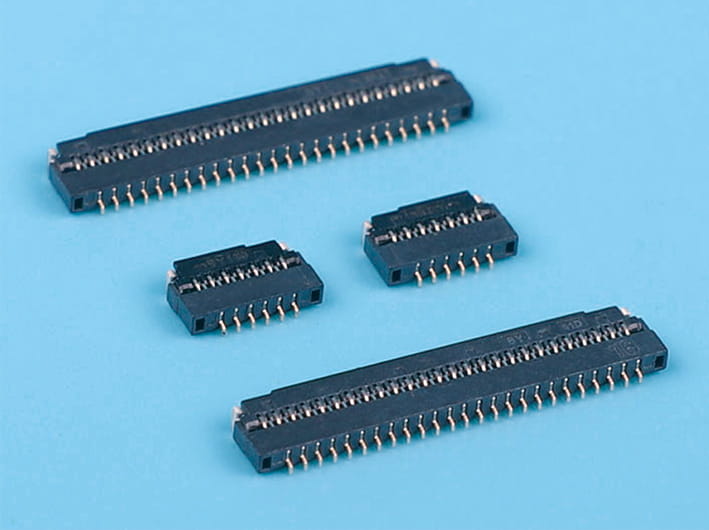
Easy-on fpc flat ribbon connector, 0.3mm pitch, 1.0mm height, flexible printed circuit connector, horizontal smt type
-

Back flip fpc flat flexible cable connector, 0.3mm pitch, 1.0mm height, bottom contact type for pcb board connections
-
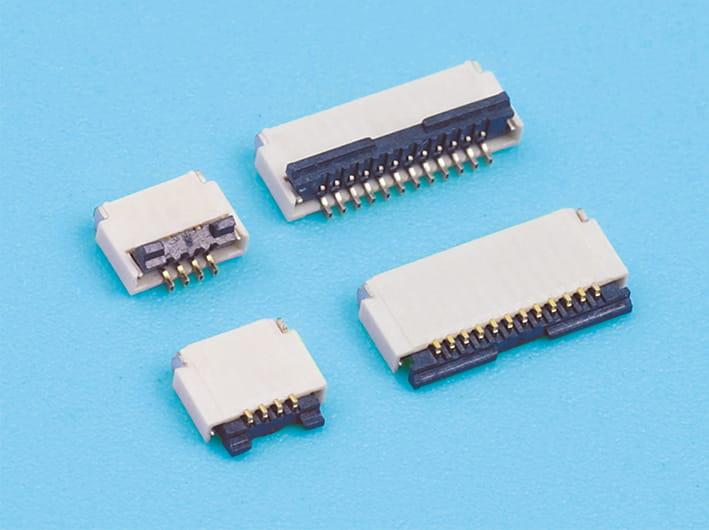
Back flip micro fpc flat cable connector, 0.5mm pitch, 1.0mm height, compact design, white, for data, signal transfer applications
-
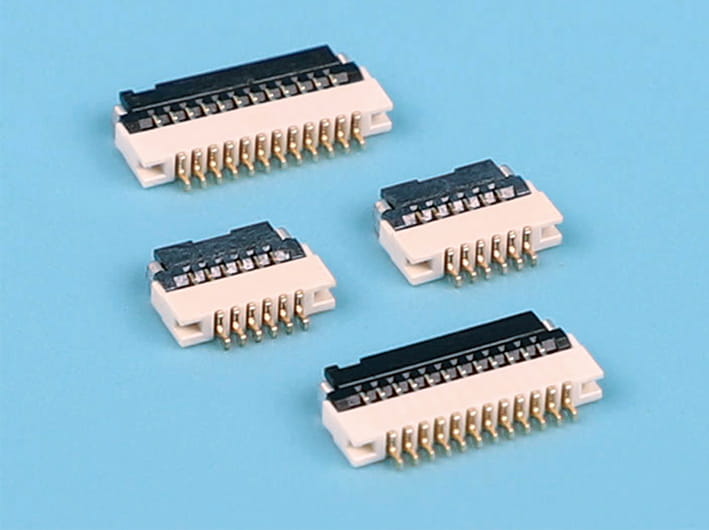
0.5mm Pitch, 1.0mm Height, Flip-Type Horizontal FPC Connector
-
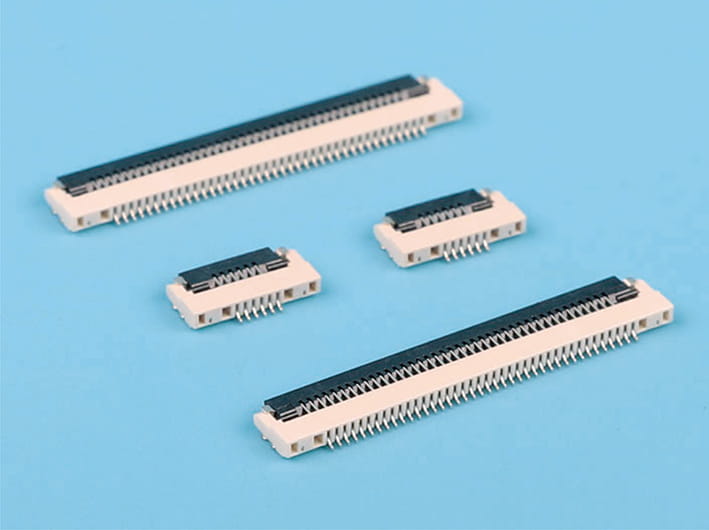
0.5mm pitch 1.2mm fpc flat cable connectors, horizontal smt type, flexible printed circuit connectors, secure locking
-
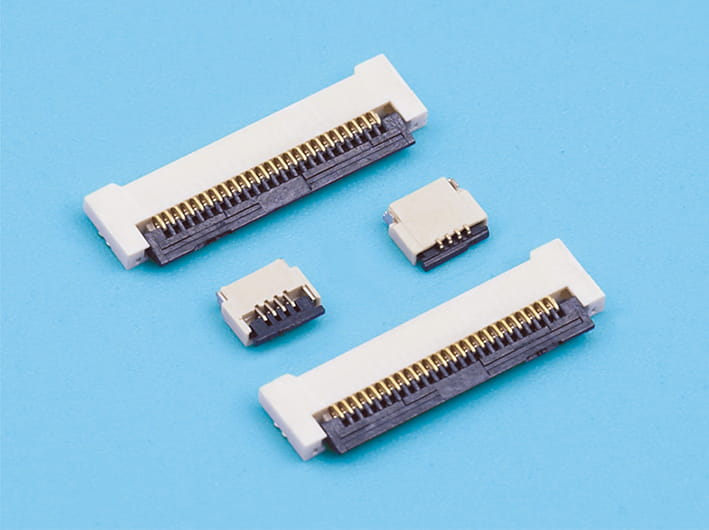
0.5mm Pitch, 1.2mm Height, Rear-Entry Horizontal FPC Connector
-
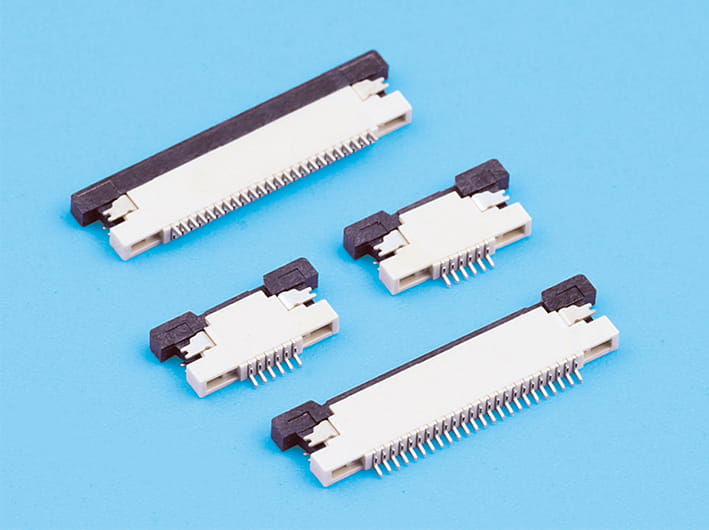
0.5mm pitch 1.2mm height fpc flat cable connector, zif r/a upper contact, locking slider, high-density integration, durable, for flexible printed circuits
-
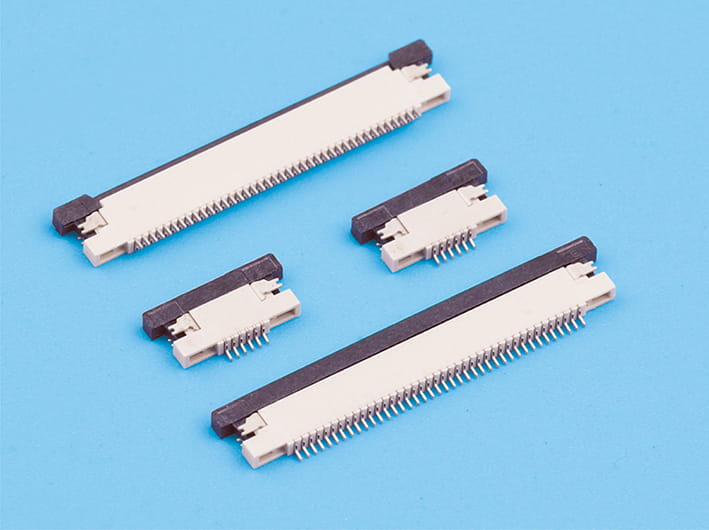
0.5mm pitch 1.2mm height fpc flat flexible cable connector, zif r/a down contact, for electronics and pcb boards
-
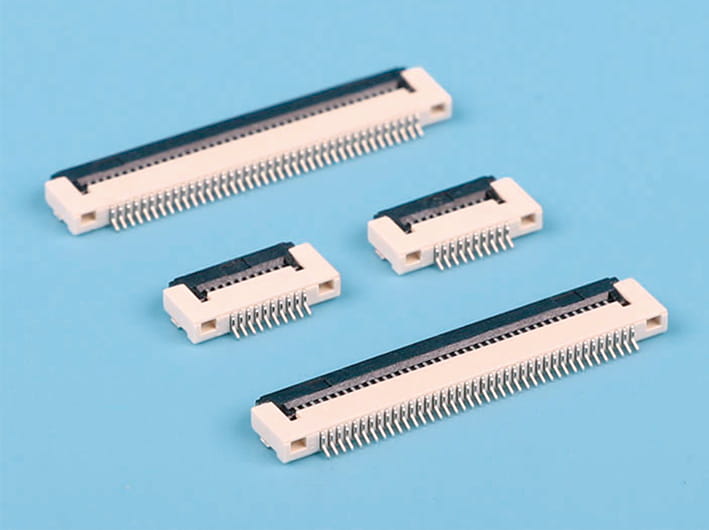
High-quality 0.5mm pitch 1.5mm height easy-on flat flexible cable fpc connector, horizontal type, locking-style, for pcb circuit board
-
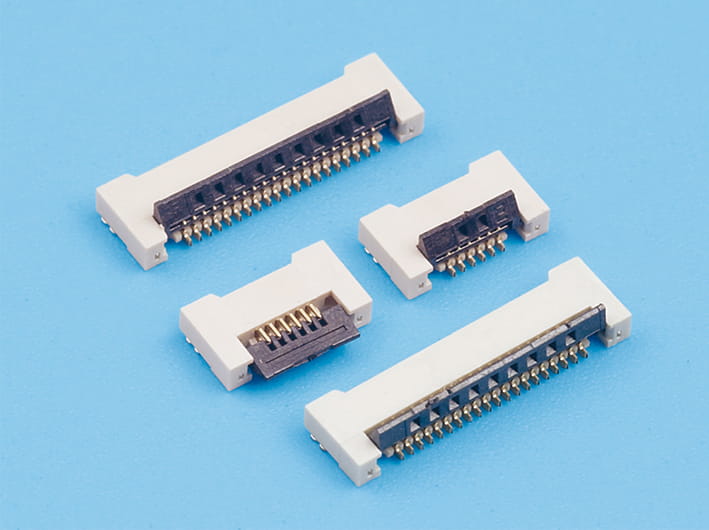
0.5mm pitch 1.5mm height back flip fpc flat connectors, zif slide type, flexible printed circuit cable connectors, horizontal contact
-
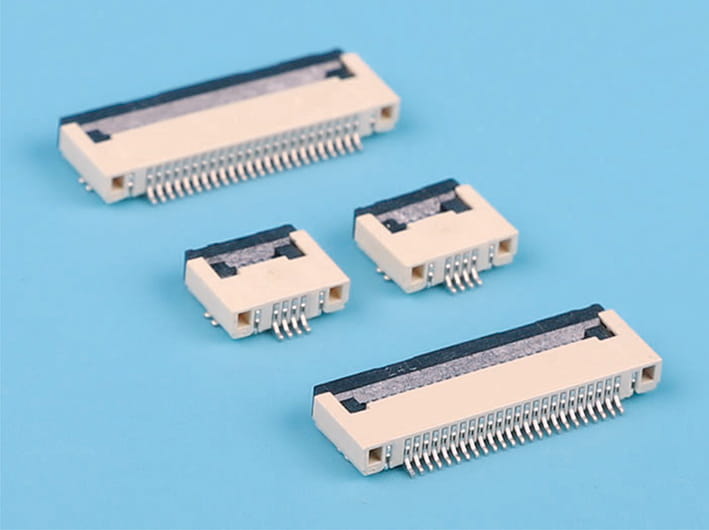
0.5mm pitch easy-on fpc flat ribbon connector, 2.0mm height, locking zif slide type, horizontal contact, flexible printed circuit board connector
-
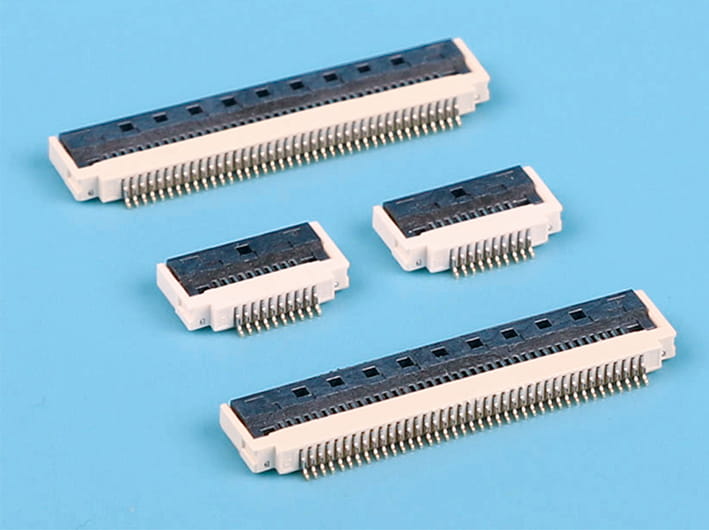
0.5mm pitch 2.0mm height, easy-on r/a with buckle fpc flat connectors, high-density integration flexible printed circuit board connectors
-
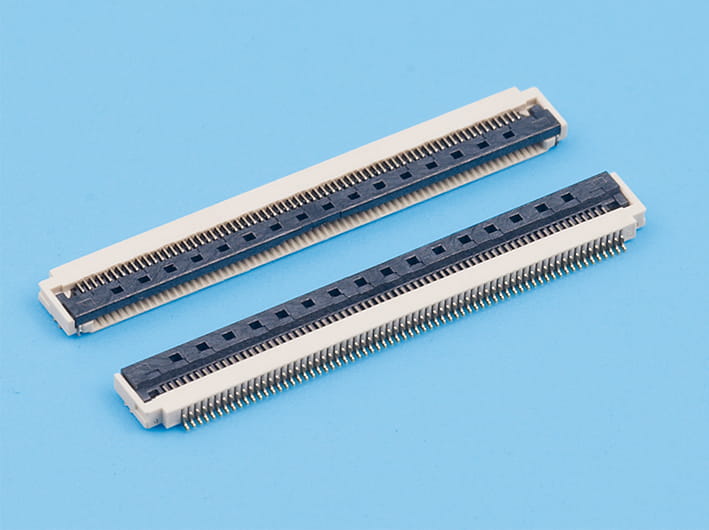
0.5mm Pitch, 2.0mm Height, Hinged Cover, Horizontal Mounting, Large Solder Pads
-

0.5mm pitch 2.0mm height back flip fpc flat connectors, horizontal insert, locking type, zif slide, pcb mount
-
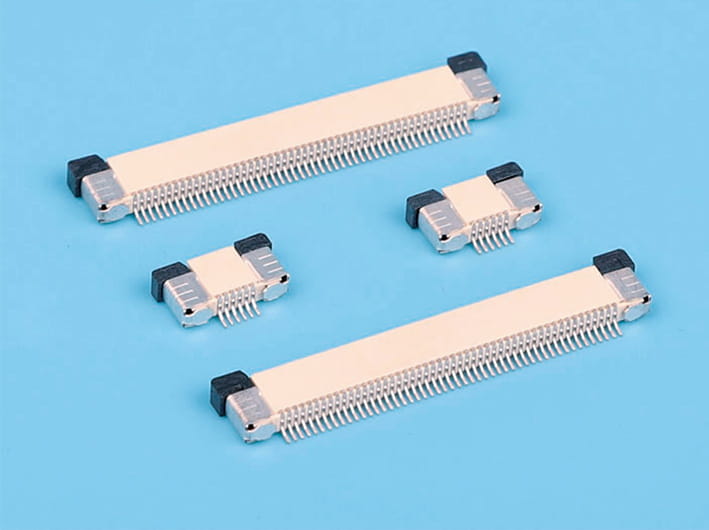
0.5mm Pitch, Ultra-Thin 2.0mm Horizontal FPC Connector (Pull-Out Locking Type, Top Contact Type)
-
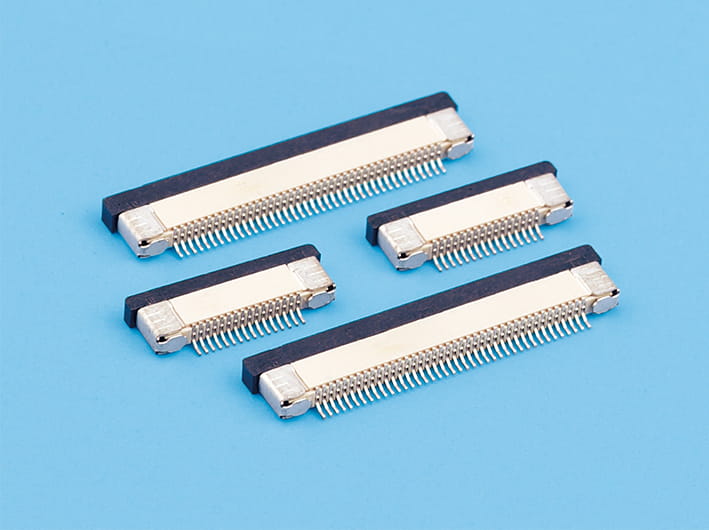
0.5mm Pitch, Ultra-Thin 2.0mm Horizontal FPC Connector (Pull-Out Locking Type, Bottom Contact Type)
-
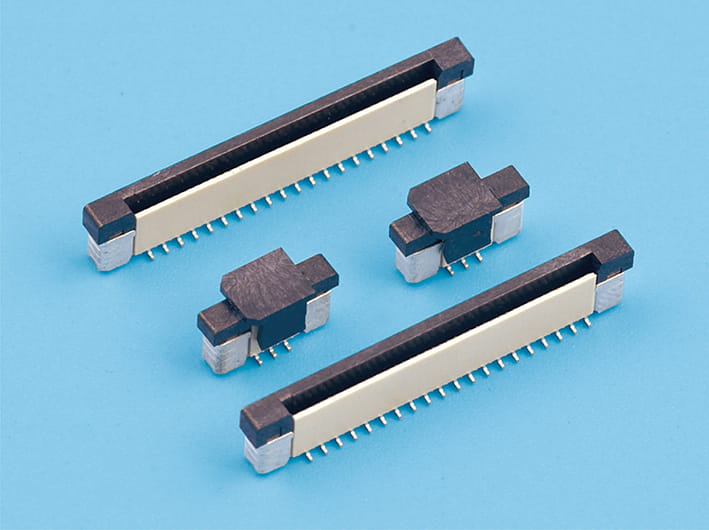
0.5mm pitch 4.5mm height fpc flat cable connector, zif s/t reversed pointer, locking slide
-
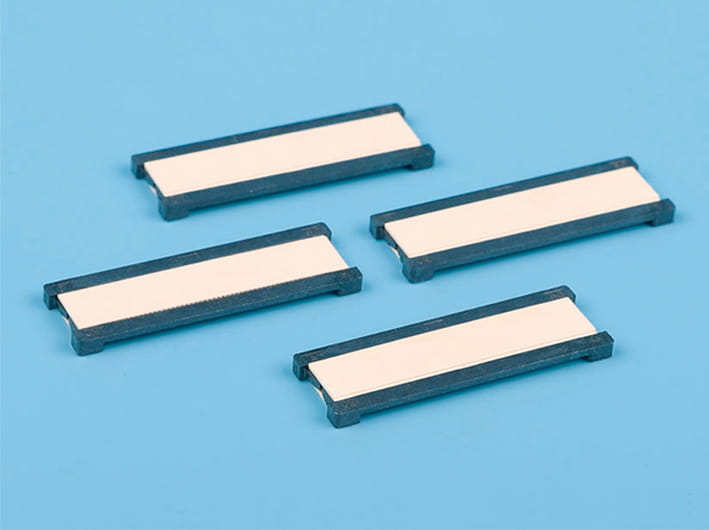
Double-side drawing fpc flat connector, 0.5mm pitch, 2.0mm/2.5mm height, flip type, for flexible cable, pcb mountable
CONTACT INFORMATION
-
Mr.Zhou(Sales manager)
Tel:+86(0)577-62369959
Tel:+86(0)577-62378959
MP:+86-13570877599
E-mail:[email protected]
Wechat:+86-13570877599
PRODUCT LINKS

Copyright © Zhejiang Wenda Electronics Co., Ltd. All Rights Reserved

Custom Electronic Connectors Manufacturer
