


 English
 中文简体
中文简体 Español
 عربى
عربىDo Different Electronic Devices Need Different FPC Connector Designs
Electronic devices continue to become more compact and flexible in everyday use. A smartphone may place many components into a limited internal space. A display device may need a connector that fits behind a thin panel. A medical product may have different priorities related to assembly and maintenance.
FPC connectors help connect flexible printed circuits with other parts of an electronic system. Their small form can make them useful where traditional wiring would take up more space. Yet one connector design cannot automatically suit every device.
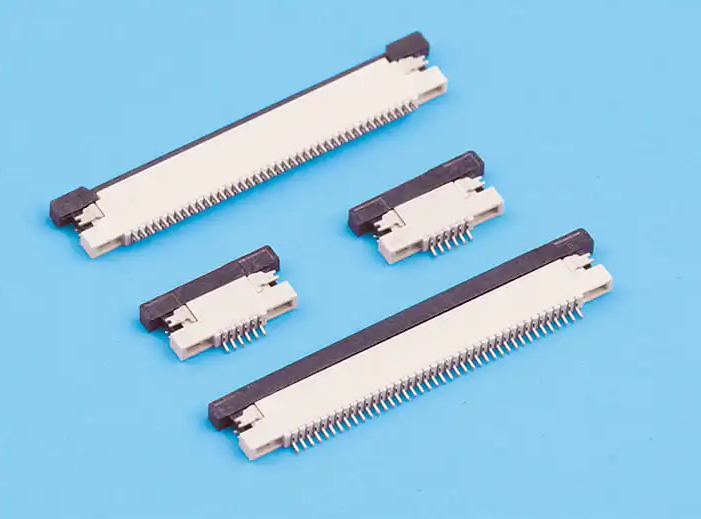
The needs of a wearable product can differ from those of an industrial control device. A camera module may have a different layout from a display assembly. This creates a natural question for manufacturers and buyers: should FPC connector designs change according to the electronic device?
In many cases, the answer depends on the product structure, available space, connection method, assembly process, and intended use.
Why Do Different Electronic Devices Need Different FPC Connector Designs?
Electronic products are designed around different internal layouts. Components may be positioned close together, arranged along a narrow edge, or connected across moving sections. The connector needs to work within that specific environment.
An FPC connector is not an isolated component. It becomes part of the device's internal connection system. Its shape and arrangement can affect how the flexible circuit reaches another component.
Several factors can create different connector requirements:
- Available installation space
- Flexible circuit position
- Connection direction
- Device structure
- Assembly method
- Frequency of connection and disconnection
- Environmental conditions
- Maintenance needs
- Overall product design
A compact consumer device may focus heavily on space. An industrial product may give more attention to stability and service access. A wearable device may need a connection arrangement that works within a small curved product body.
These differences explain why FPC connector manufacturer offer different designs instead of relying on one standard format for every application.
How Does Device Size Influence FPC Connector Selection?
Space is an important consideration in modern electronics. Designers often need to fit several components into a limited internal area. The connector must occupy its position without interfering with nearby parts.
Small devices can make this challenge more noticeable. Wearable electronics, compact cameras, portable products, and small control devices may have little room for conventional connection structures.
An FPC connector can provide a compact connection option, but the choice still needs to match the device layout.
For example, designers may consider:
Available space: The connector needs to fit within the planned installation area.
Connection direction: The position of the flexible circuit can influence how the connector should be arranged.
Nearby components: A connector should not unnecessarily interfere with surrounding parts.
Assembly access: Workers or machines need enough access to place and connect the component.
This means small size alone does not determine the right connector. The overall layout matters.
A connector that fits physically may still create problems if its position makes assembly difficult or if the flexible circuit needs to bend in an unsuitable direction.
What Are the FPC Connector Needs of Mobile and Portable Devices?
Mobile and portable electronics often place strong emphasis on compact internal structures. Smartphones, handheld products, compact cameras, and other portable devices may contain many components within a relatively small body.
In these products, FPC connectors can support connections between internal modules while allowing flexible circuits to follow the available space.
Designers may pay attention to:
Compact placement
The connector should fit naturally into the internal layout.
Connection accessibility
Assembly teams need a practical way to connect the flexible circuit.
Product thickness
Internal components may need to work within a limited vertical space.
Circuit routing
The flexible circuit may need to travel around other components.
Product structure
The connector should work with the overall housing and internal arrangement.
Portable products also tend to be handled frequently. The internal connection system therefore needs to suit the way the finished product is assembled and maintained.
The goal is not simply to make the connector smaller. The connector needs to work as part of the entire product structure.
Could Display Devices Require Different FPC Connector Designs?
Displays create another set of requirements. A display assembly may have a thin structure, limited edge space, and a flexible circuit that needs to connect to another part of the device.
Televisions, monitors, control panels, automotive displays, and portable screens can all use different internal arrangements.
The connector position may depend on where the flexible circuit exits the display. Its orientation can also influence how the circuit reaches the next component.
A useful way to view these differences is through the device structure:
| Device Type | Possible FPC Connector Considerations |
|---|---|
| Portable Display | Compact internal arrangement |
| Control Panel | Convenient assembly and stable connection |
| Automotive Display | Space and environmental considerations |
| Camera Screen | Small internal layout |
| Industrial Display | Maintenance and installation needs |
| Consumer Monitor | Product structure and assembly process |
The display itself may look simple from the outside. Internally, however, the connection arrangement can be quite different from one product to another.
This is why connector selection often happens alongside product design rather than after the entire device has already been developed.
How Are FPC Connector Designs Different for Wearable Devices?
Wearable electronics bring another interesting challenge. A wearable device may need to fit around the body or inside a small curved housing. The available space can be limited in more than one direction.
A connector that works in a flat electronic device may not be suitable for a product with a curved internal structure.
Designers may consider how the flexible circuit moves within the housing and how the connector fits alongside other small components.
Wearable products can include:
- Smart watches
- Fitness devices
- Compact health-related electronics
- Portable sensors
- Small personal electronics
These products often place importance on compactness and internal organization.
The connector may need to occupy a carefully selected position so that it does not interfere with other parts. The connection method also needs to work with the manufacturing process.
This creates another reason for different FPC connector designs. The product shape itself can influence the connection strategy.
Why Do Industrial Electronics Have Different Connector Requirements?
Industrial electronics may operate in environments that differ from consumer products. Control equipment, measurement devices, factory systems, and other industrial products may place more attention on installation, maintenance, and repeated operation.
The device may also have a larger internal structure, giving designers more room to work with. This does not mean connector selection becomes simple.
Industrial products can have their own challenges. Components may need to remain organized for service work. Some devices may be opened during maintenance. Others may be assembled as part of a larger production system.
In these situations, buyers may consider:
Ease of assembly: Can workers install the connector without unnecessary difficulty?
Connection stability: Can the connection remain suitable during normal equipment use?
Maintenance access: Can technicians reach the connection when service is required?
Product environment: Is the connector appropriate for the surrounding conditions?
Supply continuity: Can the same connector design remain available for ongoing production?
These considerations show how application requirements can influence connector selection even when the device is not particularly small.
How Does the Assembly Process Influence FPC Connector Design?
The connector needs to work not only inside the finished device but also during manufacturing.
Electronic products may be assembled manually, through automated equipment, or through a combination of different processes. The connector design can affect how easily the flexible circuit is positioned and secured.
A connector that seems suitable on a product drawing may create practical challenges on the production line.
Manufacturers may therefore consider:
Component positioning
The connector should be easy to place in the planned location.
Flexible circuit insertion
The connection process should match the way the circuit is handled during assembly.
Production consistency
The design should support a repeatable assembly process.
Inspection
Workers need a practical way to check the connection.
Maintenance
If the finished product requires service, the connection should be considered during the design stage.
This relationship between connector design and assembly is particularly important for products manufactured in larger quantities. Small difficulties can become more noticeable when repeated across many units.
What Should Buyers Discuss With an FPC Connector Manufacturer?
Choosing an FPC connector should involve more than providing a product name. Buyers can give manufacturers information about the actual device and its connection needs.
A useful discussion may cover several areas.
1. Device Application
Explain what kind of electronic product will use the connector. A manufacturer can better understand the requirements when the application is clear.
2. Installation Space
Provide information about the available area. This helps determine which connector designs can fit the device structure.
3. Flexible Circuit Arrangement
The position and direction of the flexible circuit can affect connector selection. Buyers should explain how the circuit needs to reach the connection point.
4. Assembly Method
Tell the manufacturer whether the product will be assembled manually or through production equipment. This can influence the practical choice of connector.
5. Maintenance Requirements
If the device may need internal service, access to the connector can become an important consideration.
6. Expected Working Environment
The surrounding conditions can influence the type of connector suitable for the application.
Clear communication can reduce the risk of choosing a connector based only on appearance or general specifications.
Can One FPC Connector Design Serve Multiple Electronic Devices?
Sometimes the same connector design may work across different products. This can happen when the devices share similar internal layouts and connection requirements.
However, manufacturers should not assume that one design will automatically fit every application.
Even products within the same category can have different structures. Two portable devices may have different internal component positions. Two display products may use different circuit arrangements. Two industrial control products may have different assembly methods.
This is why connector selection often involves a balance between standardization and application needs.
Standardized connector designs can simplify purchasing and production when the requirements are similar. More specialized designs may be considered when the device has unusual space, layout, or connection requirements.
The important point is that the connector should serve the product rather than forcing the product to adapt unnecessarily to the connector.
How Are FPC Connector Manufacturers Responding to Different Device Needs?
As electronic products continue to diversify, FPC Connector Factory have more application scenarios to consider. A connector supplier may need to support products ranging from portable consumer electronics to industrial equipment.
This has encouraged attention toward several areas:
- Different connector shapes
- Various connection directions
- Compact product structures
- Flexible circuit arrangements
- Different assembly requirements
- Application-specific designs
- Consistent manufacturing
- Product customization
Manufacturers also need to communicate with device designers earlier in the development process. When connector requirements are discussed early, it becomes easier to consider the connection alongside the rest of the product structure.
This approach can help prevent a common design problem: choosing a connector after the available space has already been determined.
FPC connectors may be small components, but their position can affect the arrangement of surrounding parts. Their design can therefore become part of the wider product development process.
Different electronic devices do not necessarily require completely different FPC connector designs. However, their individual structures and operating needs can make different connector forms more suitable.
The relationship between the connector and the device is shaped by space, circuit layout, assembly, maintenance, and application. For manufacturers and buyers, understanding these connections can make FPC connector selection more closely aligned with the actual needs of the finished electronic product.
Related Products
-
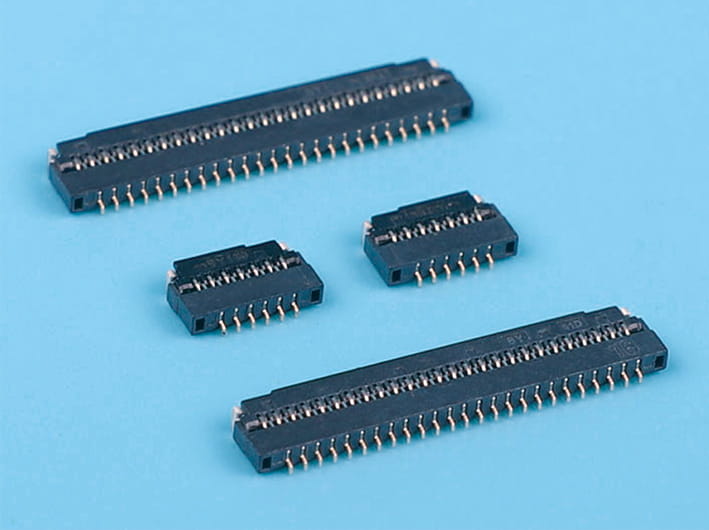
Easy-on fpc flat ribbon connector, 0.3mm pitch, 1.0mm height, flexible printed circuit connector, horizontal smt type
-

Back flip fpc flat flexible cable connector, 0.3mm pitch, 1.0mm height, bottom contact type for pcb board connections
-
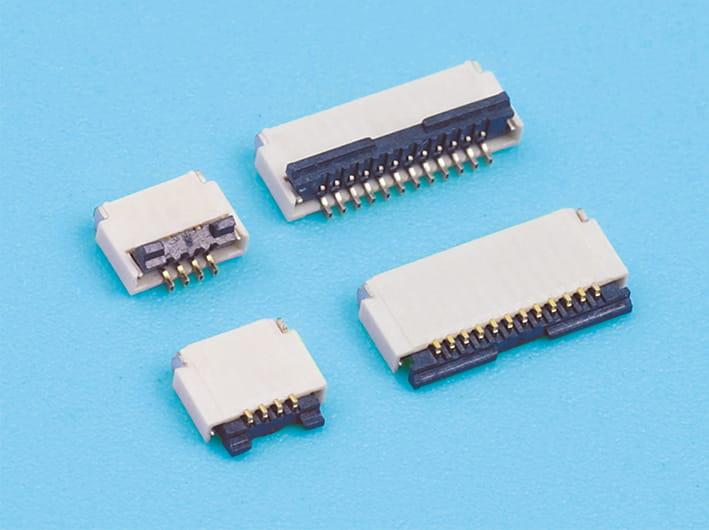
Back flip micro fpc flat cable connector, 0.5mm pitch, 1.0mm height, compact design, white, for data, signal transfer applications
-
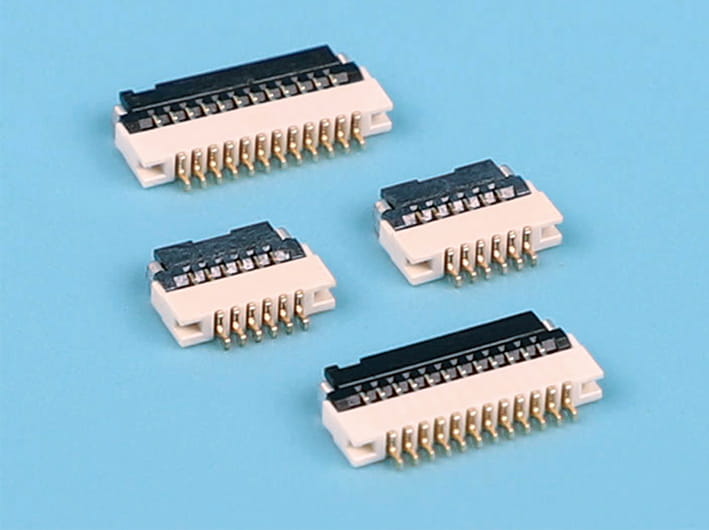
0.5mm Pitch, 1.0mm Height, Flip-Type Horizontal FPC Connector
-
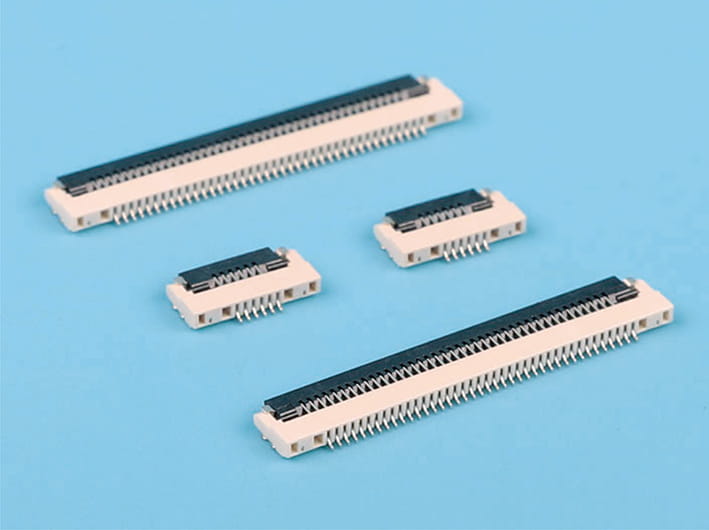
0.5mm pitch 1.2mm fpc flat cable connectors, horizontal smt type, flexible printed circuit connectors, secure locking
-
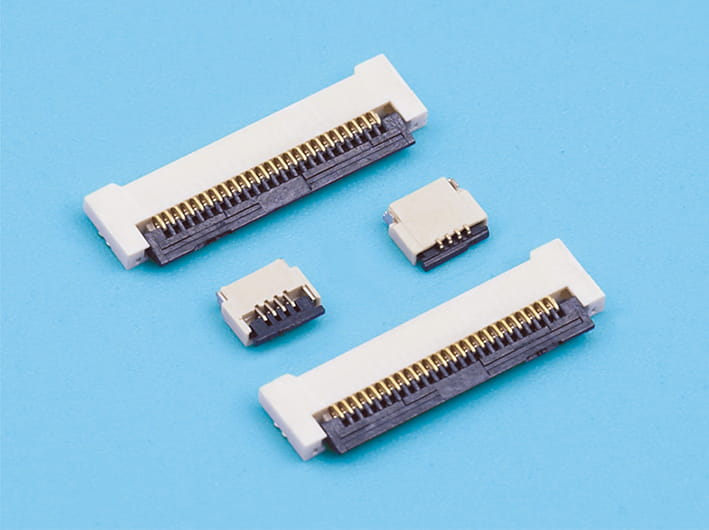
0.5mm Pitch, 1.2mm Height, Rear-Entry Horizontal FPC Connector
-
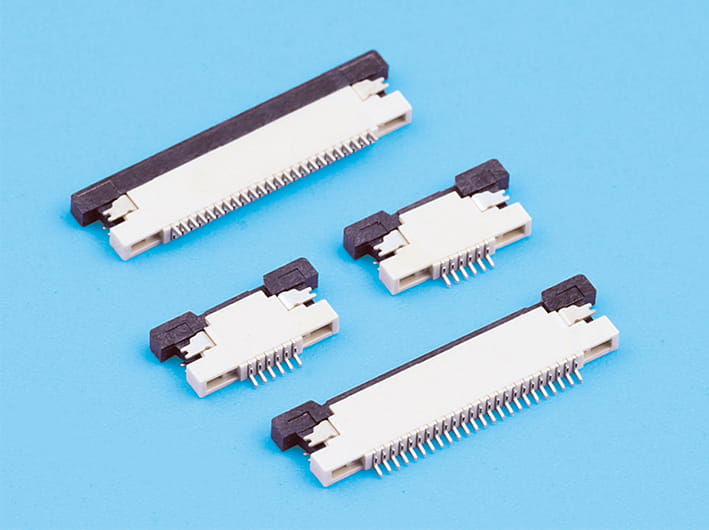
0.5mm pitch 1.2mm height fpc flat cable connector, zif r/a upper contact, locking slider, high-density integration, durable, for flexible printed circuits
-
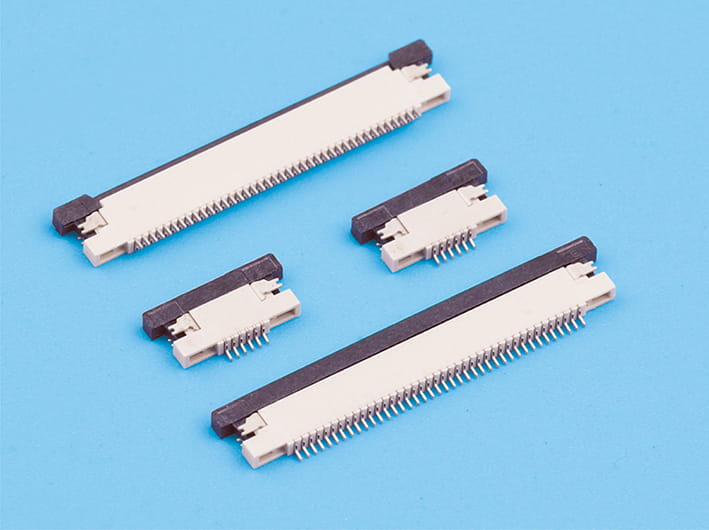
0.5mm pitch 1.2mm height fpc flat flexible cable connector, zif r/a down contact, for electronics and pcb boards
-
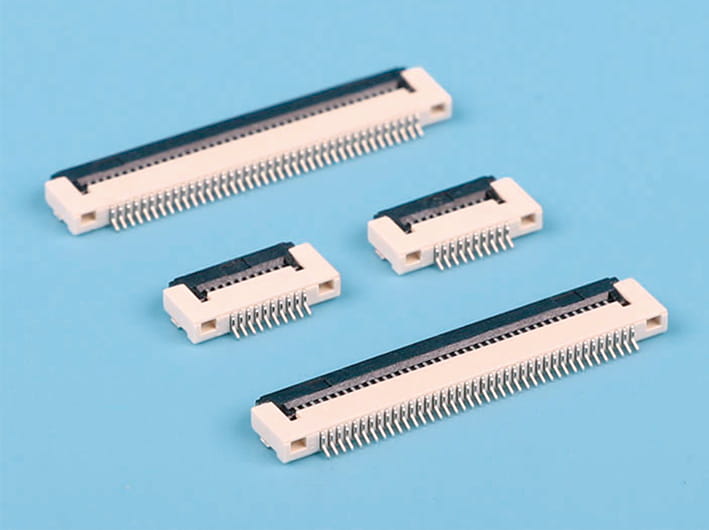
High-quality 0.5mm pitch 1.5mm height easy-on flat flexible cable fpc connector, horizontal type, locking-style, for pcb circuit board
-
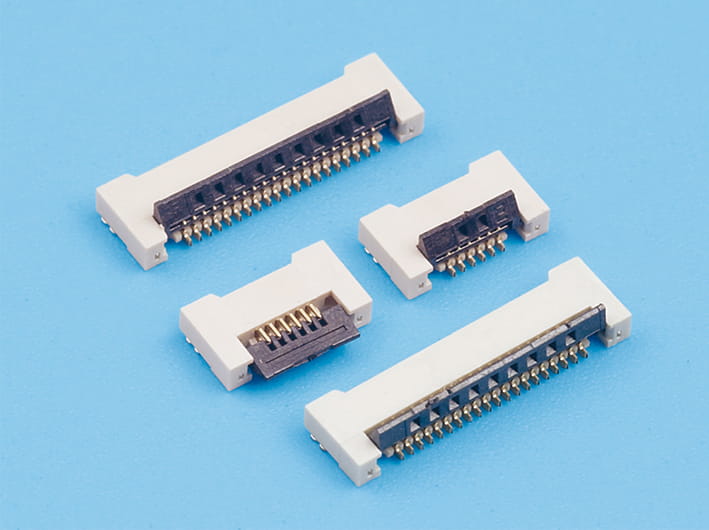
0.5mm pitch 1.5mm height back flip fpc flat connectors, zif slide type, flexible printed circuit cable connectors, horizontal contact
-
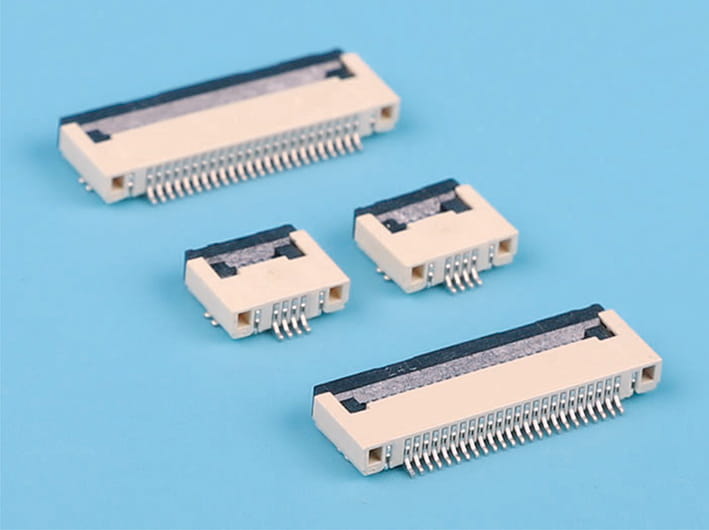
0.5mm pitch easy-on fpc flat ribbon connector, 2.0mm height, locking zif slide type, horizontal contact, flexible printed circuit board connector
-
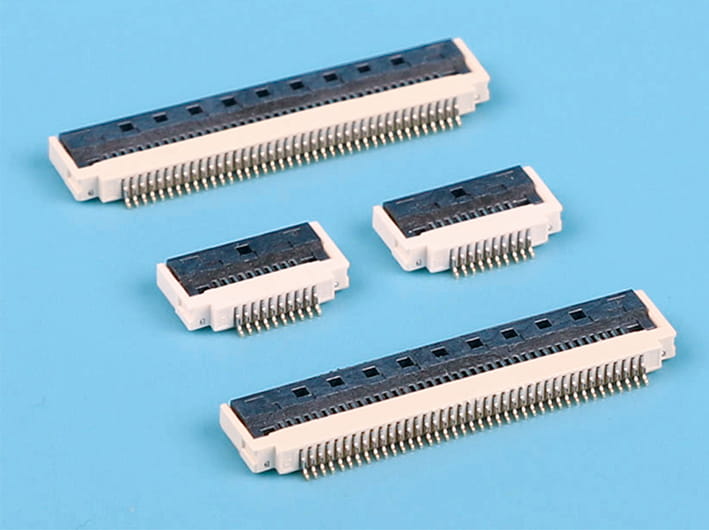
0.5mm pitch 2.0mm height, easy-on r/a with buckle fpc flat connectors, high-density integration flexible printed circuit board connectors
-
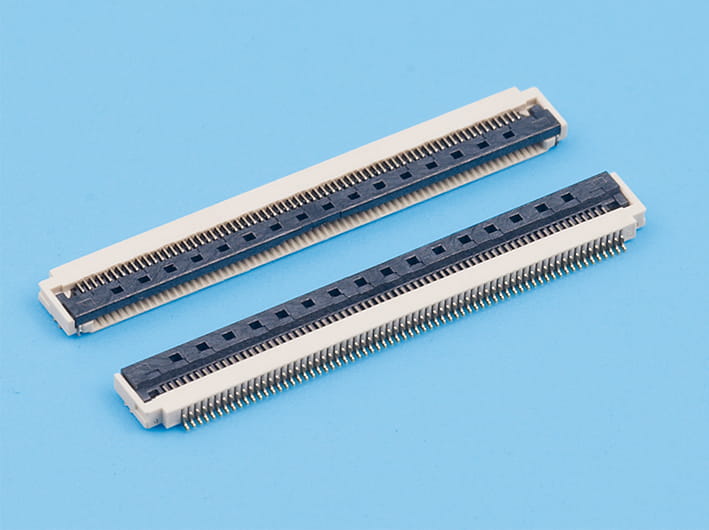
0.5mm Pitch, 2.0mm Height, Hinged Cover, Horizontal Mounting, Large Solder Pads
-

0.5mm pitch 2.0mm height back flip fpc flat connectors, horizontal insert, locking type, zif slide, pcb mount
-
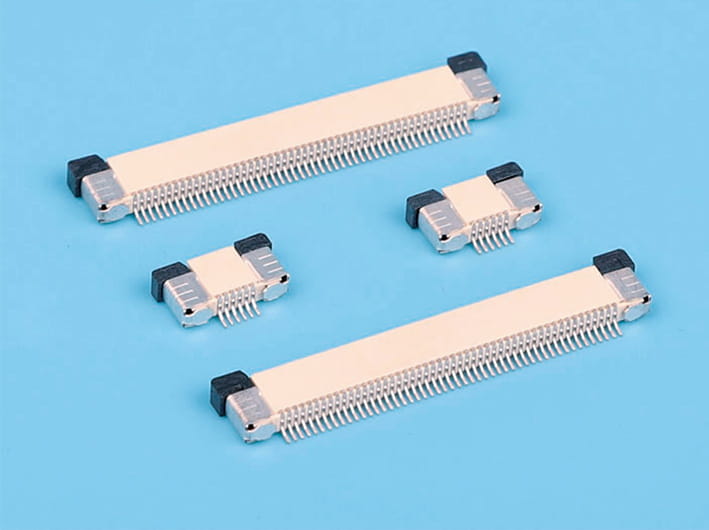
0.5mm Pitch, Ultra-Thin 2.0mm Horizontal FPC Connector (Pull-Out Locking Type, Top Contact Type)
-
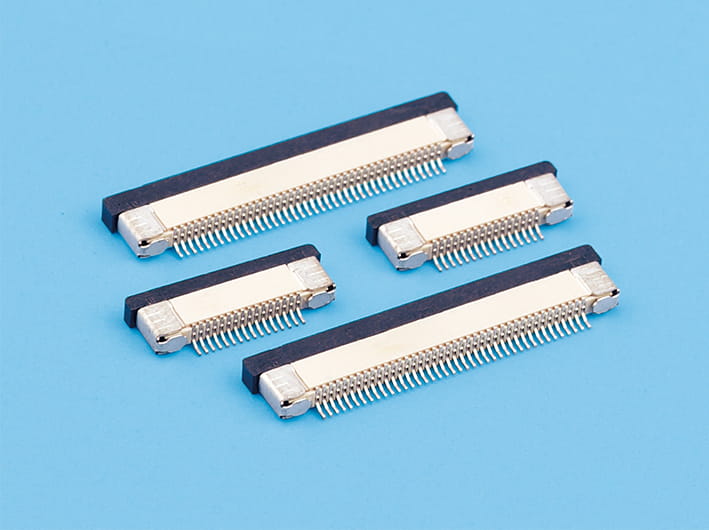
0.5mm Pitch, Ultra-Thin 2.0mm Horizontal FPC Connector (Pull-Out Locking Type, Bottom Contact Type)
-
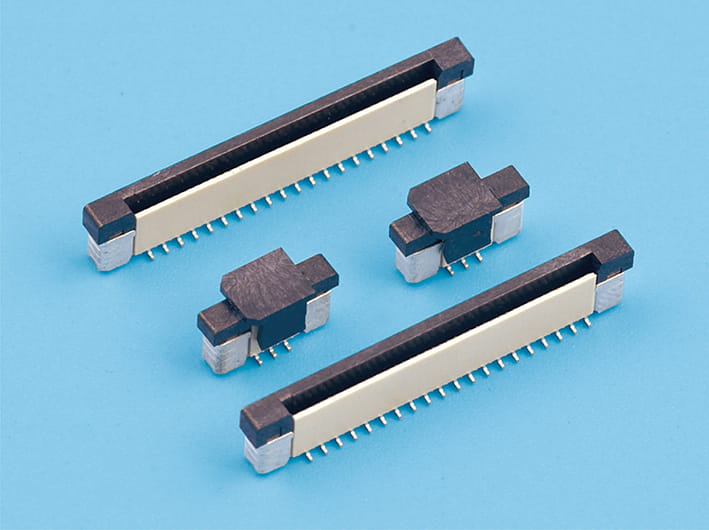
0.5mm pitch 4.5mm height fpc flat cable connector, zif s/t reversed pointer, locking slide
-
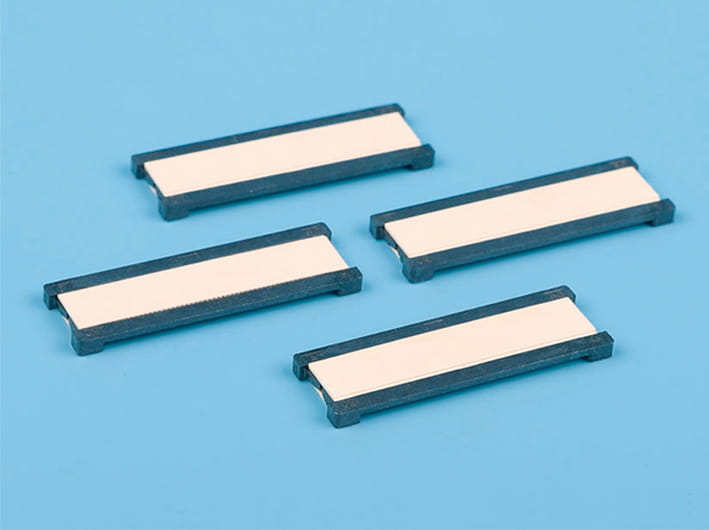
Double-side drawing fpc flat connector, 0.5mm pitch, 2.0mm/2.5mm height, flip type, for flexible cable, pcb mountable
CONTACT INFORMATION
-
Mr.Zhou(Sales manager)
Tel:+86(0)577-62369959
Tel:+86(0)577-62378959
MP:+86-13570877599
E-mail:[email protected]
Wechat:+86-13570877599
PRODUCT LINKS

Copyright © Zhejiang Wenda Electronics Co., Ltd. All Rights Reserved

Custom Electronic Connectors Manufacturer
