


 English
 中文简体
中文简体 Español
 عربى
عربىWhat Is an FPC Connector Board Used For
Modern electronic products continue to become smaller, more connected, and more integrated into everyday life. Inside many of these products, designers need practical ways to connect flexible circuits with other parts of an electronic system.
An FPC Connector Board can be used for this purpose.
The term refers to a board or connection arrangement designed to work with a Flexible Printed Circuit, commonly called an FPC. It helps establish a connection between the flexible circuit and another part of the electronic product.
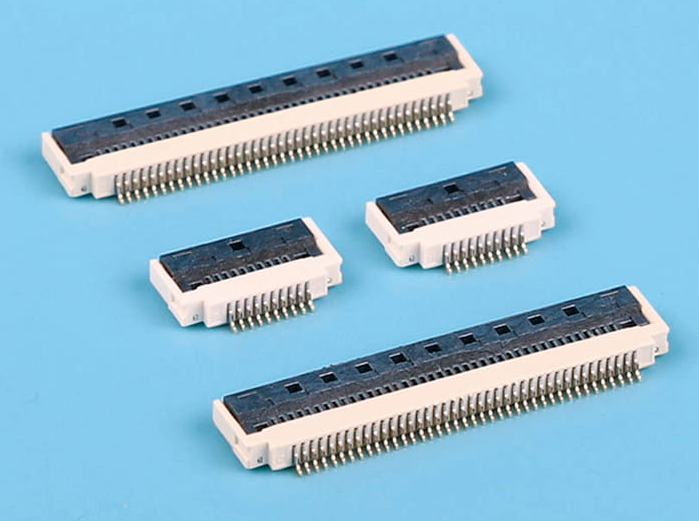
This role can sound simple, but the connection point can influence the layout and usability of an entire product.
Flexible circuits are useful when electronic components need to fit around limited spaces or follow a particular product shape. A Connector Board provides a practical interface for these circuits, helping designers organize connections within compact electronic assemblies.
The growing use of compact electronics has also increased interest in flexible connection solutions. Products such as portable devices, display equipment, cameras, automotive electronics, and other compact systems may require different approaches to internal circuit connections.
The exact design depends on the product.
What Is an FPC Connector Board Designed to Do?
A Connector Board mainly helps connect an FPC with another part of an electronic assembly.
An FPC can bend and move within the available space. This makes it different from a conventional rigid circuit board. Instead of requiring every connection to remain on a fixed surface, a flexible circuit can follow the shape of the product.
The connector board provides a place where this flexible circuit can be connected and organized.
The basic relationship can be viewed in a simple way:
| Component | General Role |
|---|---|
| FPC | Provides a flexible circuit connection |
| Connector | Provides the physical connection point |
| Connector Board | Supports and organizes the connection |
| Main Circuit Board | Connects with other electronic functions |
| Electronic Components | Support the product's intended functions |
The actual structure varies according to the application.
Some designs may use an FPC to connect separate areas within the same product. Others may use it to connect a display, control section, sensor area, or another electronic module.
The connector board becomes part of that connection arrangement.
Its value comes from helping designers manage connections without taking unnecessary space inside the product.
How Does an FPC Connector Board Support Flexible Circuit Connections?
Flexible circuits are often selected when a rigid connection would be inconvenient.
Imagine a compact electronic product with several internal sections. The available space may be narrow or irregular. A flexible circuit can move through that space more easily than a rigid board.
The Board provides an organized connection point.
This can make assembly and product design more manageable.
The flexible circuit can connect to the designated interface while other electronic parts remain in their intended positions. This approach can help separate different sections of a product while maintaining an electrical connection between them.
The connection also needs to remain appropriate for the product's intended use.
Designers may consider how the FPC will be positioned, how often it may move during assembly, and how the connection will be maintained within the product.
The connector board therefore becomes part of a larger design decision.
It is not simply an isolated component.
Why Are FPC Connector Boards Useful in Compact Electronic Products?
Space is an important consideration in modern electronics.
Consumers often expect electronic products to be convenient to carry and easy to use. This can encourage manufacturers to place more functions into smaller product structures.
Internal space can become difficult to organize.
A Connector Board can support a more flexible arrangement by allowing a flexible circuit to connect different sections without requiring a large rigid structure.
This can be useful when components are placed at different positions.
For example, a display may be located on one side of a device while the main electronic board sits elsewhere. A flexible circuit can bridge the two areas. The connector arrangement provides the interface needed for that connection.
This type of layout can be found in different electronic products.
| Product Area | Possible FPC Connection Role |
|---|---|
| Display Devices | Connecting display-related sections |
| Portable Electronics | Linking internal circuit areas |
| Cameras | Connecting moving or compact sections |
| Wearable Devices | Supporting connections in compact structures |
| Automotive Electronics | Linking electronic modules |
| Consumer Electronics | Connecting separate internal sections |
The exact application depends on the product design.
The main point is flexibility.
Instead of forcing every component onto one rigid surface, designers can arrange parts according to the available space and connect them through flexible circuits.
Which Electronic Products Can Use an FPC Connector Board?
FPC connection systems appear across many areas of electronics.
Portable devices are one obvious example.
Smartphones, tablets, cameras, and other compact products contain multiple electronic sections. Flexible circuits can help connect these sections while allowing designers to use the available internal space more effectively.
Display products can also use FPC connections.
A display module may need to connect with another circuit board positioned behind or beside it. A flexible circuit can provide a practical path between these sections.
Automotive electronics provide another application area.
Modern vehicles contain many electronic systems. Some are located in areas where traditional rigid connections may be less convenient. Flexible circuits can provide an alternative connection approach.
Wearable products also benefit from compact connection arrangements.
Devices worn on the body need to remain relatively compact and comfortable. Internal components may be positioned around a small housing, making flexible connections useful for product designers.
Other possible applications include:
- Consumer electronics
- Display modules
- Industrial control equipment
- Camera equipment
- Automotive electronic systems
- Portable instruments
- Smart devices
- Compact electronic assemblies
The suitability of a Connector Board depends on the specific design.
What Role Does Space Have in FPC Connector Board Design?
Space affects almost every internal decision in a compact electronic product.
A designer may need to place several components close together while still leaving room for assembly and product operation.
Flexible circuits can help address this challenge.
Because an FPC can bend, it can follow a planned path through the product. The connector board can provide a defined point for that circuit to connect with another section.
This can help reduce unnecessary restrictions in product layout.
The board itself still needs to fit the intended space. Its shape and connection arrangement should therefore be considered during the design stage.
Good space planning can also simplify assembly.
If the connection point is difficult to access, assembly may become more complicated. A practical design considers both the finished product and how the parts will be put together.
This is particularly relevant when the same product is produced repeatedly.
How Does an FPC Connector Board Affect Product Assembly?
Assembly is another important part of connector board selection.
A product may contain several internal parts that need to be connected in a specific order. The connection method can affect how easily workers or automated equipment can assemble the product.
A Board can provide a clear connection location.
This can make the relationship between the flexible circuit and other components easier to organize.
The design may also influence inspection and maintenance.
When a connection is clearly positioned, workers can more easily identify the relevant parts during assembly or service.
The following considerations can influence assembly:
Connection Position
The connector should be located where it can be accessed during assembly.
Circuit Routing
The flexible circuit should have a suitable path through the product.
Component Arrangement
Nearby components should not interfere with the connection.
Assembly Sequence
The connection should fit naturally into the production process.
Inspection Access
Relevant areas should remain practical to check during production.
These considerations help turn a product concept into a workable assembly.
Which Factors Matter When Selecting an FPC Connector Board?
Not every Connector Board is suitable for every application.
Selection should begin with the product itself.
The designer needs to understand what the board will connect, where it will be positioned, and how the flexible circuit will move or sit inside the product.
Several factors can guide the decision.
| Selection Factor | Why It Matters |
|---|---|
| Connection Type | Needs to match the intended FPC connection |
| Board Layout | Should fit the available product space |
| Circuit Compatibility | Supports the intended connection arrangement |
| Product Structure | Needs to work with surrounding components |
| Assembly Method | Should fit the production workflow |
| Application Environment | Should suit the intended product conditions |
| Customization Needs | May affect board shape and connection design |
The connector arrangement is particularly important.
The FPC and connector need to work together as part of the same system. A mismatch can create problems during assembly or product use.
The board's physical arrangement also matters.
A design that fits comfortably in one product may not fit another. This is why application-specific design can be useful.
How Can FPC Connector Boards Support Product Integration?
Electronic products rarely contain just one circuit.
Different functions may be separated into different sections. A display may have its own circuit area. A control panel may use another. A sensor or camera module may sit in another part of the housing.
These sections still need to communicate.
Flexible connections can help link them.
A Connector Board can act as part of the connection structure that brings these sections together.
This can support a modular approach to product design.
Instead of placing every component on one large rigid board, designers can divide the system into smaller sections. Flexible circuits can then connect the sections according to the product layout.
This approach can be useful for products with unusual shapes or limited internal space.
It can also support design changes.
If the position of a module changes during product development, the connection arrangement may be adjusted accordingly.
The flexibility is therefore not only physical.
It can also influence how designers approach the overall structure of an electronic product.
What Should Designers Consider Before Using an FPC Connector Board?
Before selecting a Connector Board, designers should look at the complete connection system rather than the board alone.
The FPC, connector, board, surrounding components, and product housing all need to work together.
Several practical questions can help:
- Where will the flexible circuit be positioned?
- What components will it connect?
- How much space is available?
- Will the circuit need to bend during assembly?
- How will the connection be installed?
- Can the connection be inspected easily?
- Does the board fit the product structure?
- Are the selected components compatible?
- Will the design support the intended production process?
These questions can reveal potential design issues at an early stage.
A product may have enough space for the board but not enough room for the flexible circuit to move into position. Another design may have a suitable circuit path but an inconvenient connection point.
Looking at the entire system can help avoid these problems.
FPC Connector Boards have a practical role in electronic products that require flexible circuit connections. They can help connect separate circuit areas, support compact layouts, and give designers more freedom when arranging internal components.
Their applications can range from portable electronics and display products to cameras, automotive systems, wearable devices, and other compact electronic assemblies. The suitable design depends on the connection type, product structure, available space, assembly method, and intended application.
As electronic products continue to combine more functions within compact structures, flexible connection arrangements remain an important part of product design.
Related Products
-
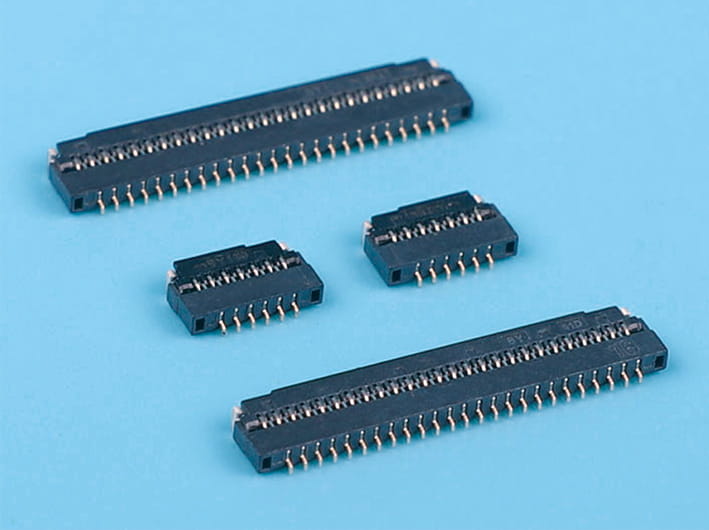
Easy-on fpc flat ribbon connector, 0.3mm pitch, 1.0mm height, flexible printed circuit connector, horizontal smt type
-

Back flip fpc flat flexible cable connector, 0.3mm pitch, 1.0mm height, bottom contact type for pcb board connections
-
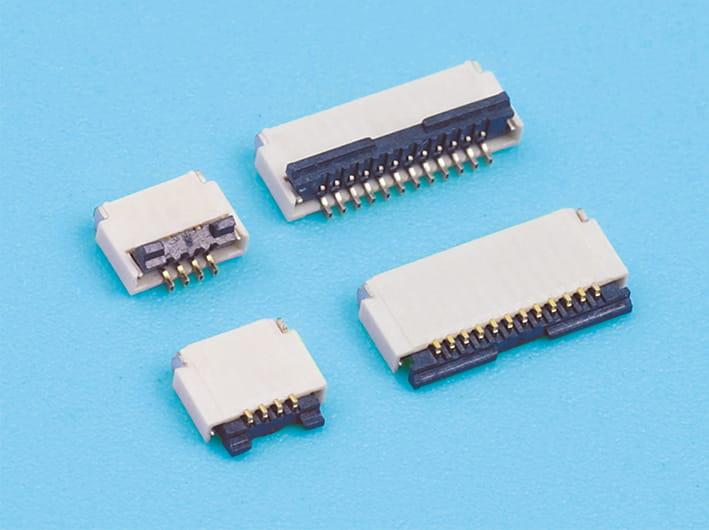
Back flip micro fpc flat cable connector, 0.5mm pitch, 1.0mm height, compact design, white, for data, signal transfer applications
-
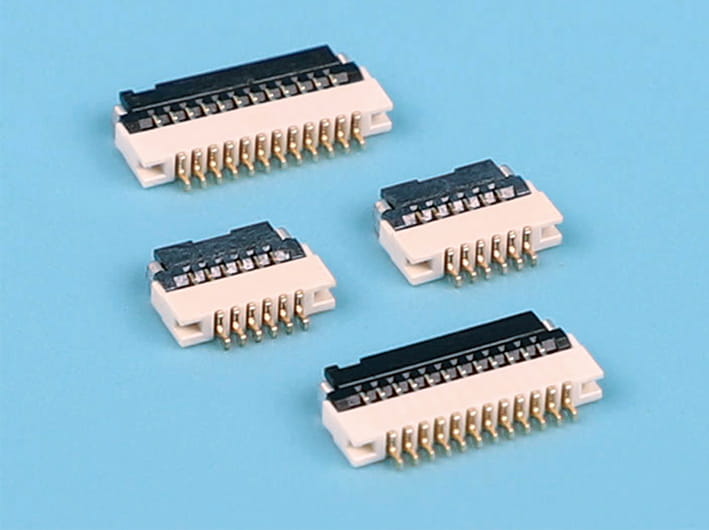
0.5mm Pitch, 1.0mm Height, Flip-Type Horizontal FPC Connector
-
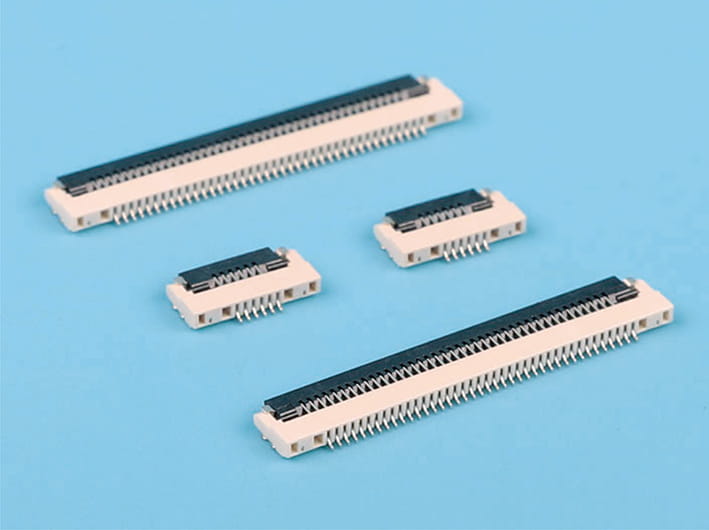
0.5mm pitch 1.2mm fpc flat cable connectors, horizontal smt type, flexible printed circuit connectors, secure locking
-
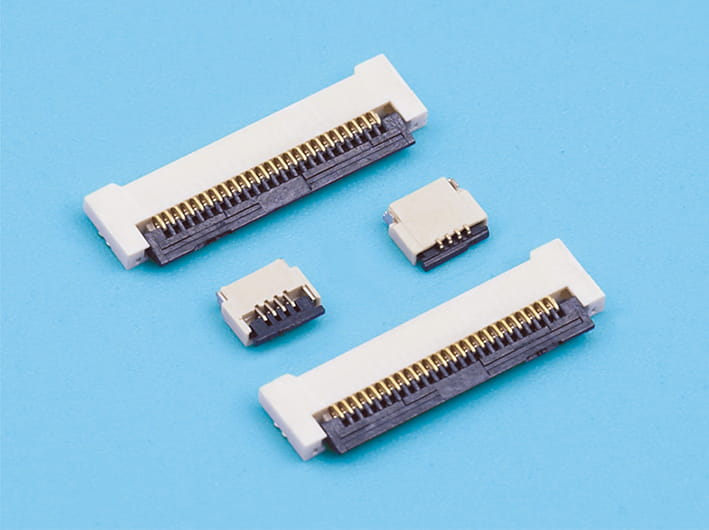
0.5mm Pitch, 1.2mm Height, Rear-Entry Horizontal FPC Connector
-
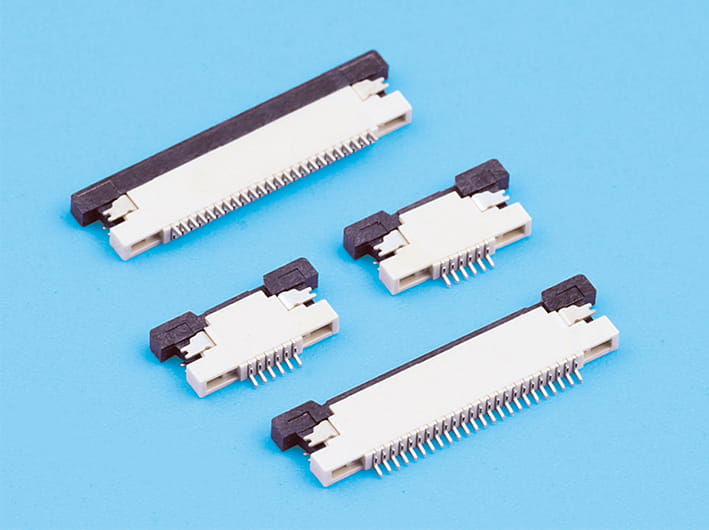
0.5mm pitch 1.2mm height fpc flat cable connector, zif r/a upper contact, locking slider, high-density integration, durable, for flexible printed circuits
-
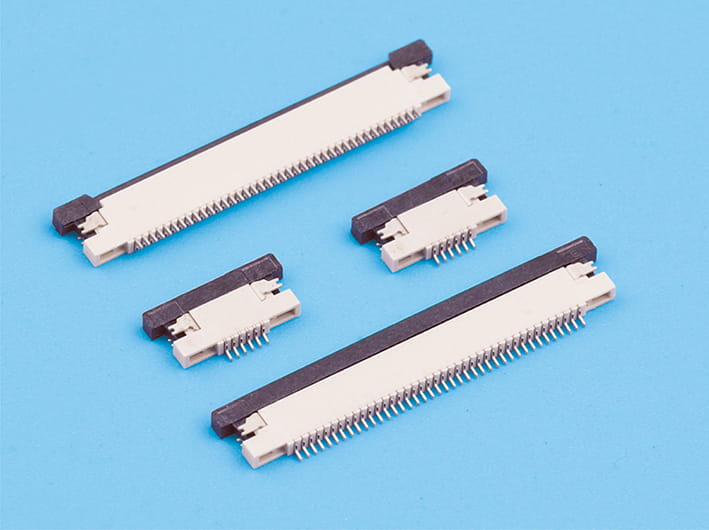
0.5mm pitch 1.2mm height fpc flat flexible cable connector, zif r/a down contact, for electronics and pcb boards
-
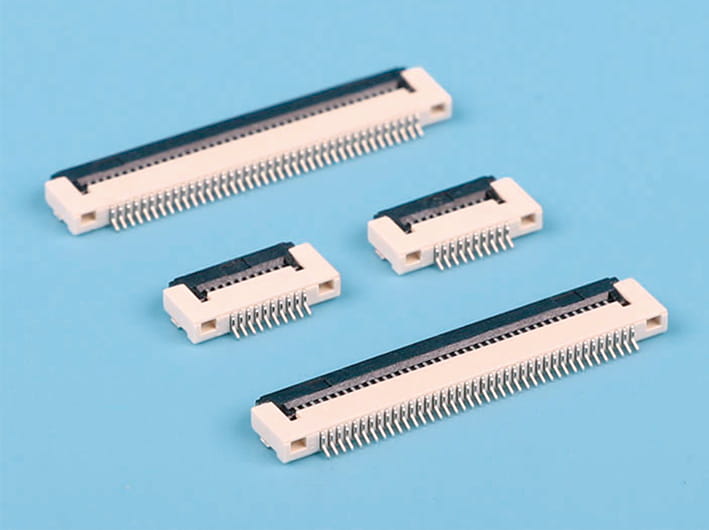
High-quality 0.5mm pitch 1.5mm height easy-on flat flexible cable fpc connector, horizontal type, locking-style, for pcb circuit board
-
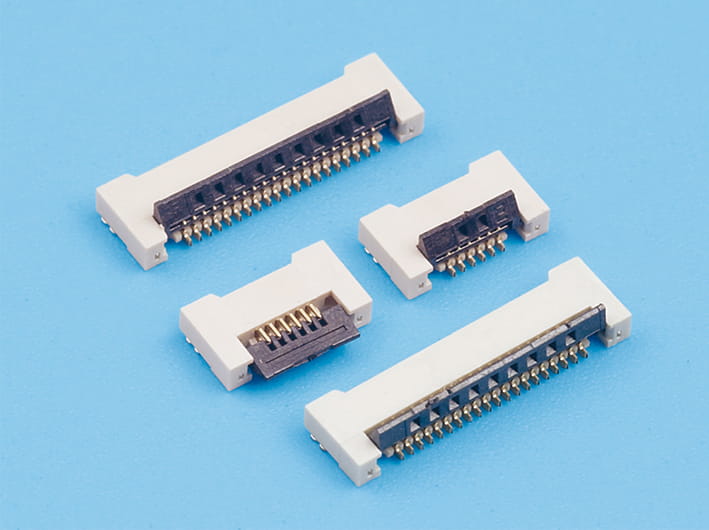
0.5mm pitch 1.5mm height back flip fpc flat connectors, zif slide type, flexible printed circuit cable connectors, horizontal contact
-
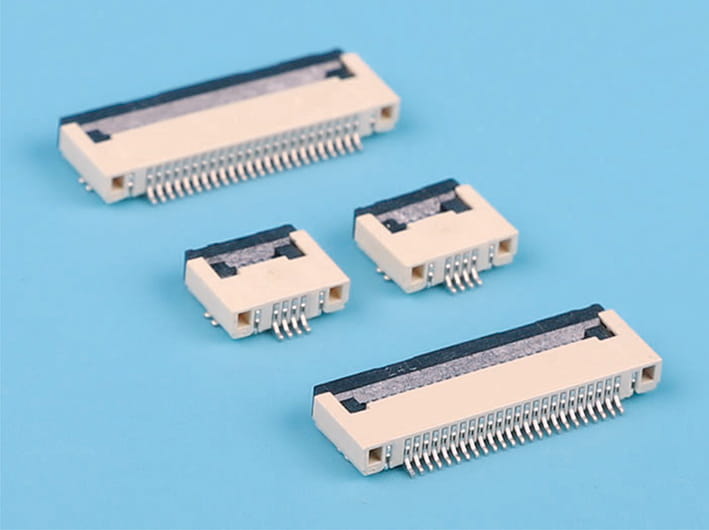
0.5mm pitch easy-on fpc flat ribbon connector, 2.0mm height, locking zif slide type, horizontal contact, flexible printed circuit board connector
-
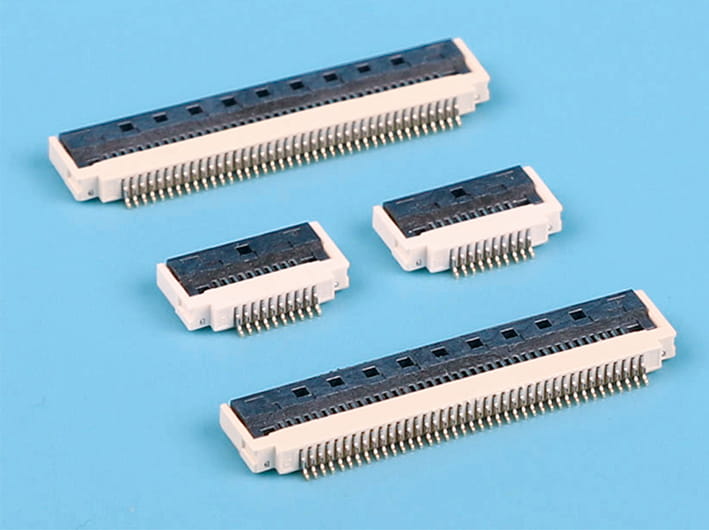
0.5mm pitch 2.0mm height, easy-on r/a with buckle fpc flat connectors, high-density integration flexible printed circuit board connectors
-
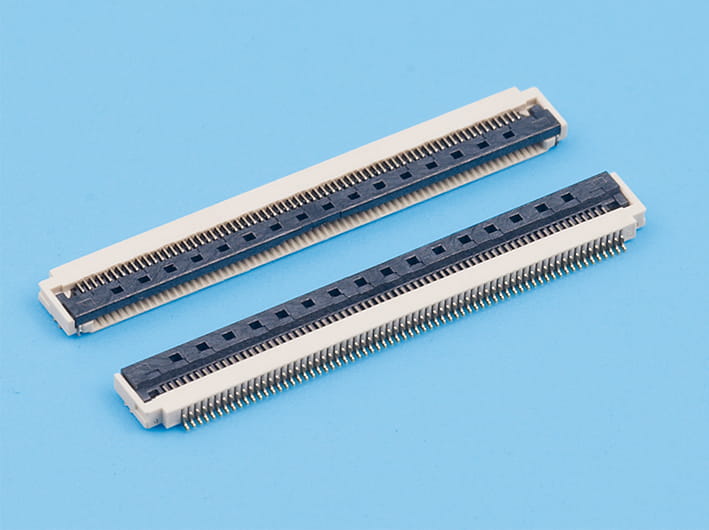
0.5mm Pitch, 2.0mm Height, Hinged Cover, Horizontal Mounting, Large Solder Pads
-

0.5mm pitch 2.0mm height back flip fpc flat connectors, horizontal insert, locking type, zif slide, pcb mount
-
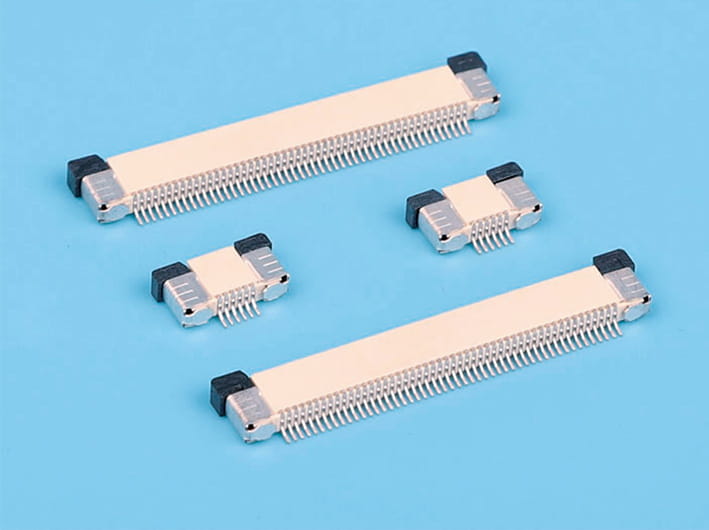
0.5mm Pitch, Ultra-Thin 2.0mm Horizontal FPC Connector (Pull-Out Locking Type, Top Contact Type)
-
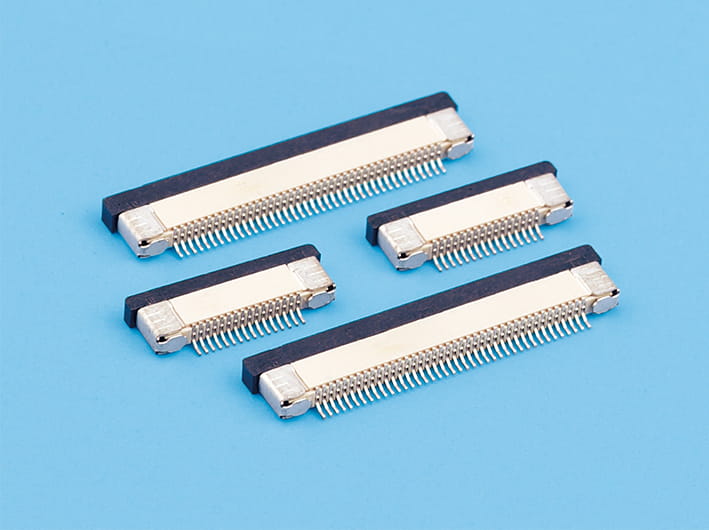
0.5mm Pitch, Ultra-Thin 2.0mm Horizontal FPC Connector (Pull-Out Locking Type, Bottom Contact Type)
-
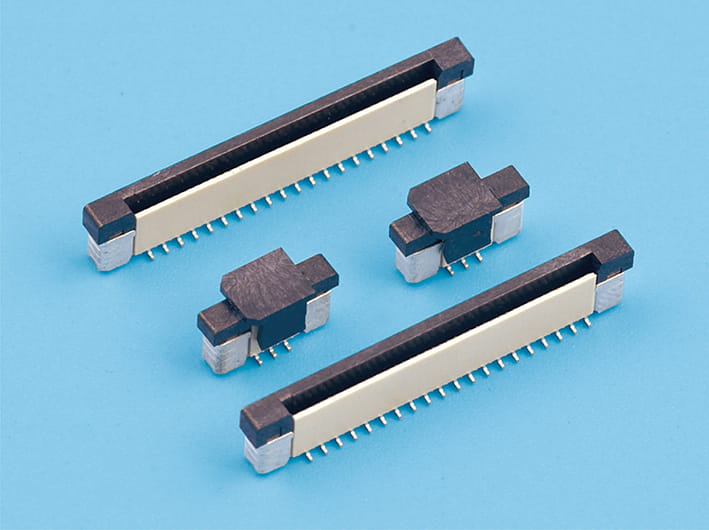
0.5mm pitch 4.5mm height fpc flat cable connector, zif s/t reversed pointer, locking slide
-
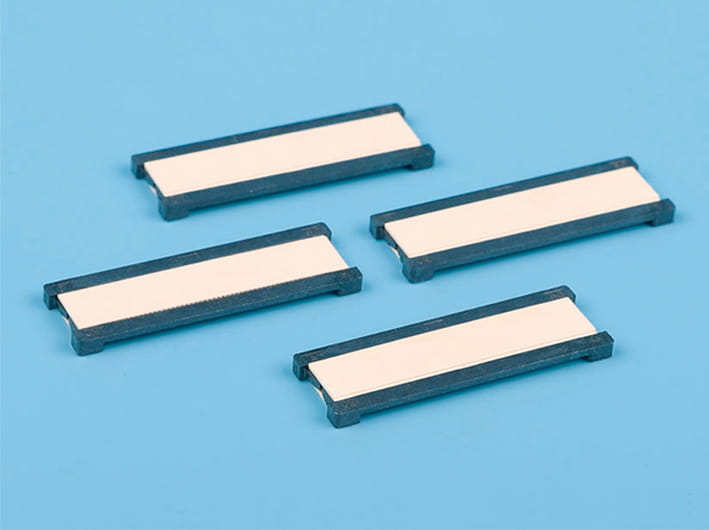
Double-side drawing fpc flat connector, 0.5mm pitch, 2.0mm/2.5mm height, flip type, for flexible cable, pcb mountable
CONTACT INFORMATION
-
Mr.Zhou(Sales manager)
Tel:+86(0)577-62369959
Tel:+86(0)577-62378959
MP:+86-13570877599
E-mail:[email protected]
Wechat:+86-13570877599
PRODUCT LINKS

Copyright © Zhejiang Wenda Electronics Co., Ltd. All Rights Reserved

Custom Electronic Connectors Manufacturer
