


 English
 中文简体
中文简体 Español
 عربى
عربىIndustry News
Home / News / Industry News / What Should Buyers Know About Hidden Costs of Board to Board Header Connector
The cost of board to board header connector is often judged at the quotation stage. A number appears, and the decision starts to form. In real purchasing practice, that number is only part of the picture. Many costs appear later. They are not always obvious at the beginning.
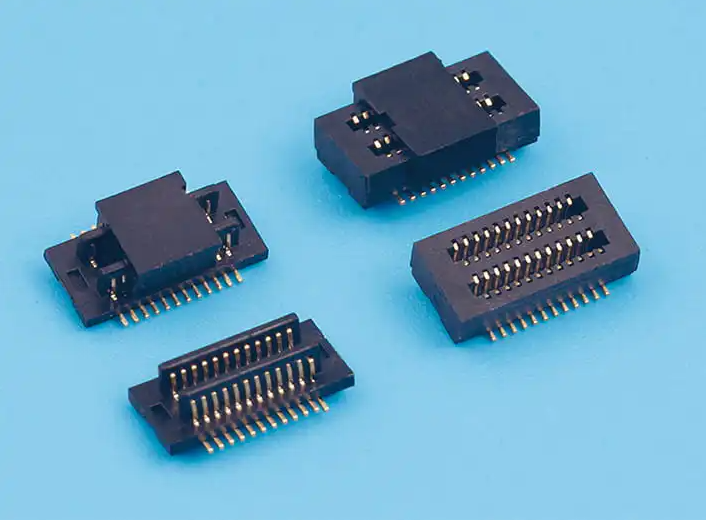
These hidden costs do not show up in a single line. They spread across selection, communication, handling, and long-term use. For buyers, understanding these layers can change how decisions are made and how supply stability is maintained.
Hidden costs often come from the gap between expectation and actual use. A connector may look simple in selection, but its role inside a system can be more sensitive than expected. Small differences in fit, handling, or stability can find to extra steps later.
These costs rarely appear alone. They grow through repeated adjustments, small delays, or additional checks. Over time, they create pressure on both budget and planning.
A basic overview of where hidden costs often appear:
| Stage in Process | Possible Hidden Cost Source |
|---|---|
| Selection | Misalignment with real use needs |
| Sampling | Repeated adjustments or revisions |
| Production match | Compatibility corrections |
| Delivery | Handling and timing shifts |
| Usage stage | Replacement or rework needs |
Each stage looks normal on its own. The combined effect is what buyers often overlook.
A common situation is early selection based on appearance or general description. Later, when actual integration begins, small mismatches appear. These mismatches do not stop production, but they slow it down. That slowdown becomes a cost.
The selection stage is where many hidden costs begin without being noticed. At this point, decisions are usually made under time pressure or limited information. The connector may be chosen based on general compatibility rather than full system behavior.
This creates a gap between expectation and real operation.
A connector that seems suitable in early review may require additional adjustment later. These adjustments can include repeated testing or small design changes in surrounding parts. Each change adds time and indirect cost.
Another factor is variety. Board to board header connectors often come in multiple structural forms. Choosing the closest match is not always the stable choice. Small differences in alignment or fit may not be visible at first but become important during assembly.
Buyers sometimes focus only on the visible unit cost. But selection affects everything that follows. A small decision at this stage can influence later workload, delivery rhythm, and even communication frequency.
Selection is not only about choosing a part. It is about reducing uncertainty before production begins.
Customization often looks like a simple request. A small change in structure, size fit, or arrangement may seem minor. In practice, it adds layers to the process.
Each customization step requires additional alignment between buyer expectations and production methods. This can involve repeated clarification and adjustment. Even when changes are small, they still require attention across multiple stages.
The hidden cost appears in time and coordination. More communication is needed. More checks are required. More revisions may follow before final confirmation.
Customization also affects consistency. When a design is slightly different from standard production flow, the process may need extra care to maintain stability. That care takes time and resources.
Common hidden cost sources in customization:
None of these are large individually. Together, they extend the overall timeline.
Buyers often expect customization to add value. That is true in many cases. But without clear alignment, customization can also increase indirect spending that is not visible in the initial quotation.
Quality variation is one of the subtle sources of hidden cost. It does not always appear immediately. A connector may work at first use but behave differently over time or under different conditions.
When variation exists, buyers often respond with additional checks or replacements. These actions increase ongoing cost, even if the initial price is stable.
The impact of variation is not limited to the connector itself. It can affect surrounding components. If one part behaves inconsistently, other parts may need adjustment to match it.
This creates a chain reaction:
Over time, these small actions accumulate.
Buyers sometimes focus on unit cost as the main indicator. But consistency often has a stronger influence on total spending. A stable product reduces the need for repeated correction, which lowers indirect cost in long-term use.
Communication is often overlooked when discussing cost. It does not appear in product specifications, yet it affects almost every stage of the process.
When communication is unclear, small misunderstandings can grow into repeated work. A single unclear instruction may to multiple rounds of adjustment. Each round adds time and effort.
Clear communication reduces uncertainty. It helps both sides align expectations early. When expectations are aligned, fewer corrections are needed later.
Communication-related hidden costs often include:
These costs are not direct charges. They appear in schedule shifts and workload expansion.
In many cases, improving communication flow has a greater impact on cost control than changing product structure. It reduces unnecessary repetition and helps decisions move forward more smoothly.
Logistics and handling are often treated as separate from product cost. In reality, they are part of the total expense structure. Board to board header connectors may be small in size, but they require careful handling to maintain consistency.
Packaging, transport, and storage all influence cost. If handling is not stable, additional protection or rework may be needed. That increases indirect spending.
Timing is also important. Delays in transport can affect production schedules. When production is interrupted, the cost impact extends beyond logistics alone.
Hidden cost factors in this stage include:
| Logistics Element | Possible Cost Impact |
|---|---|
| Packaging care | Extra material use |
| Transport timing | Production delay risk |
| Storage handling | Quality stability concerns |
| Movement steps | Additional labor time |
Even small inefficiencies in handling can create ripple effects. Buyers who consider only unit price may miss these indirect influences.
Buyers often make small edits to orders during cooperation. A slight shift in quantity, design or delivery date might look insignificant, yet every revision messes up pre-set production arrangements.
Factory work follows a step-by-step schedule. Once an order gets modified, the whole workflow has to be rearranged. The impact never stops at just this single order; every subsequent production phase gets disrupted too.
Such small adjustments bring extra work across the whole workshop:
These extra tasks rarely show up as direct, obvious expenses right away. Still, they eat up extra working hours and production resources, creating invisible cost burdens.
Lots of tiny, frequent adjustments do more harm than one big order change. Keeping production plans steady is the better way to cut these hidden extra costs.
Estimating total cost is not only about comparing quotes. It involves understanding how each stage adds value or creates pressure.
A more realistic approach includes looking beyond the first price. It involves observing how stable the process is, how clear communication flows, and how often adjustments are needed.
A simple comparison view:
| Cost View | Focus Area | Hidden Risk |
|---|---|---|
| Unit price only | Initial quotation | Missing indirect cost |
| Process view | Full workflow | Better cost awareness |
| Long-term view | Stability and use | Reduced hidden spending |
Buyers who consider only surface-level cost may face unexpected adjustments later. Those who look at the full process often find more predictable results over time.
Cost and performance are not separate ideas. They are linked through every stage of production and use.


Copyright © Zhejiang Wenda Electronics Co., Ltd. All Rights Reserved

Custom Electronic Connectors Manufacturer

