


 English
 中文简体
中文简体 Español
 عربى
عربىMoisture and Oxidation Protection of FFC Ribbon Cables
The FFC Ribbon Cable is a crucial component in modern electronic devices, connecting flexible printed circuits to boards while maintaining compactness and signal integrity. In many applications, these cables are exposed to environmental factors such as humidity, moisture, and oxidation, which can compromise electrical performance and long-term reliability. Understanding the protective measures and treatments available ensures stable operation in challenging conditions.
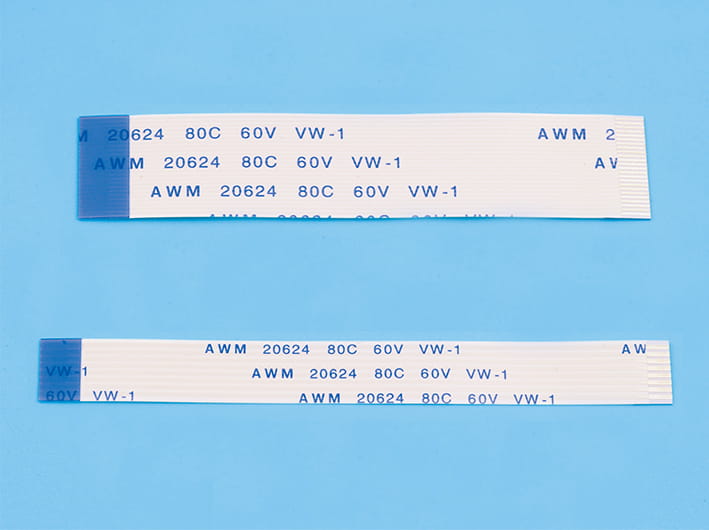
1. Importance of Moisture and Oxidation Protection
- Preventing Electrical Failure: Moisture can increase contact resistance, cause short circuits, or cause intermittent signal loss.
- Maintaining Signal Integrity: Oxidation of conductors reduces conductivity, affecting high-speed or sensitive signal transmission.
- Long-Term Reliability: Protective treatments extend the lifespan of FFC cables, reducing the risk of premature failure in electronics.
2. Materials Used for Protection
- Insulation Materials: Polyimide and polyester films provide good moisture resistance while maintaining flexibility.
- Conductor Coatings: Tin, gold, or nickel plating protects copper traces from corrosion and oxidation.
- Surface Treatments: Protective varnishes or polymer coatings shield exposed conductors from environmental exposure.
3. Moisture-Resistant Design Features
- Sealed Ends: Encapsulating cable ends or using molded connectors prevents water ingress at vulnerable points.
- Hydrophobic Coatings: Applying water-repellent coatings to the cable surface helps prevent moisture absorption.
- Barrier Films: Multi-layer insulation with moisture-impermeable layers enhances protection in high-humidity environments.
4. Oxidation Prevention Techniques
- Plating Options: Gold plating provides good resistance to oxidation, while tin offers a cost-effective alternative.
- Inert Atmosphere Manufacturing: Conductors can be treated in controlled environments to reduce oxidation during production.
- Protective Laminates: Laminates over conductor traces prevent direct contact with oxygen and contaminants.
5. Environmental Considerations
- Humidity and Temperature: High humidity accelerates corrosion, while temperature fluctuations can create condensation on cables.
- Chemical Exposure: FFC cables exposed to cleaning agents, flux residues, or industrial chemicals require robust protective measures.
- UV and Light Exposure: For outdoor or light-exposed applications, UV-resistant films prevent degradation of insulation and conductors.
6. Testing and Quality Assurance
- Moisture Resistance Tests: Submerging cables or exposing them to high-humidity chambers simulates real-world conditions to evaluate performance.
- Oxidation and Corrosion Tests: Salt spray or accelerated aging tests help determine the effectiveness of protective coatings.
- Electrical Continuity Testing: Ensures that insulation and plating maintain low resistance and consistent signal transmission.
7. Handling and Installation Practices
- Avoid Excessive Handling: Finger oils or contaminants can compromise protective coatings if not handled carefully.
- Proper Storage: Store cables in dry, temperature-controlled environments to prevent moisture absorption.
- Correct Routing: Avoid routing cables near water sources or corrosive environments unless additional protection is provided.
8. Long-Term Maintenance
- Inspection: Regularly check for discoloration, corrosion, or insulation damage that may indicate moisture ingress or oxidation.
- Cleaning: Use compatible, non-corrosive cleaning agents when necessary, avoiding damage to coatings or insulation.
- Replacement Strategy: Replace cables before degradation affects system performance, especially in critical applications.
9. Industry Standards and Certifications
- IPC/JEDEC Standards: Provide guidelines for FFC cable insulation, plating, and moisture resistance.
- ISO Compliance: Ensures consistent manufacturing practices that maintain protective properties.
- UL Ratings: Indicate the cable’s ability to withstand environmental stress, including moisture and chemical exposure.
Moisture and oxidation protection are essential for ensuring the reliability and longevity of an FFC Ribbon Cable. By selecting high-quality insulation materials, applying protective plating and coatings, and following practices for storage, installation, and maintenance, engineers can mitigate environmental risks. Testing under simulated conditions confirms the effectiveness of these protective measures, ensuring stable electrical performance in challenging applications. Proper attention to moisture and oxidation management not only extends the cable’s lifespan but also improves overall system reliability and efficiency.
Related Products
-
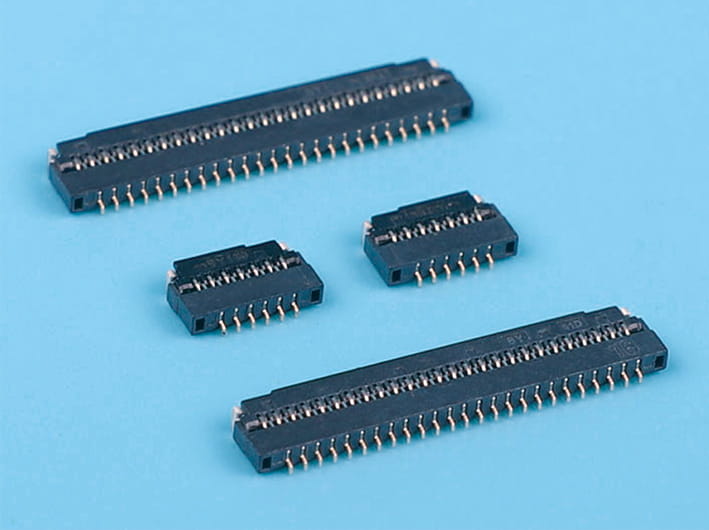
Easy-on fpc flat ribbon connector, 0.3mm pitch, 1.0mm height, flexible printed circuit connector, horizontal smt type
-

Back flip fpc flat flexible cable connector, 0.3mm pitch, 1.0mm height, bottom contact type for pcb board connections
-
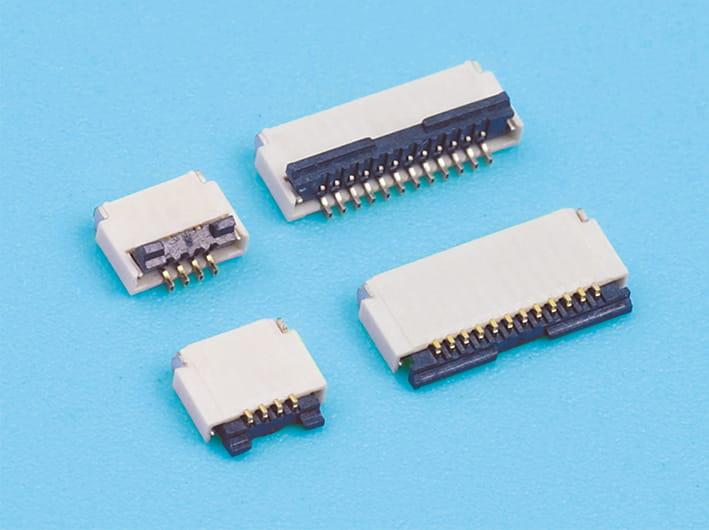
Back flip micro fpc flat cable connector, 0.5mm pitch, 1.0mm height, compact design, white, for data, signal transfer applications
-
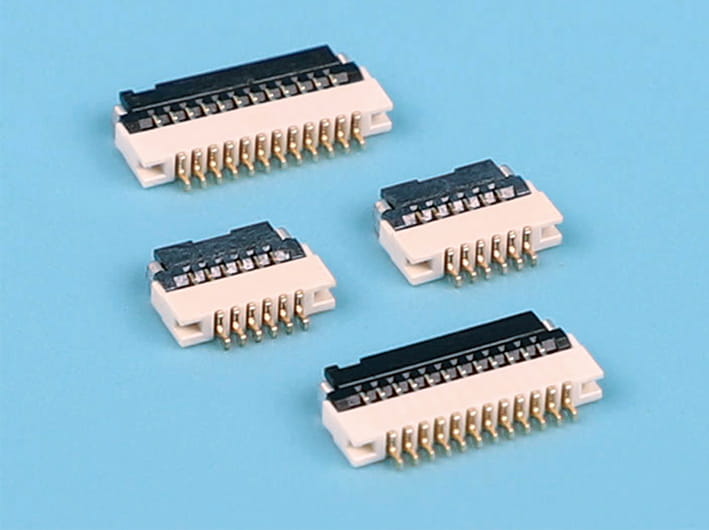
0.5mm Pitch, 1.0mm Height, Flip-Type Horizontal FPC Connector
-
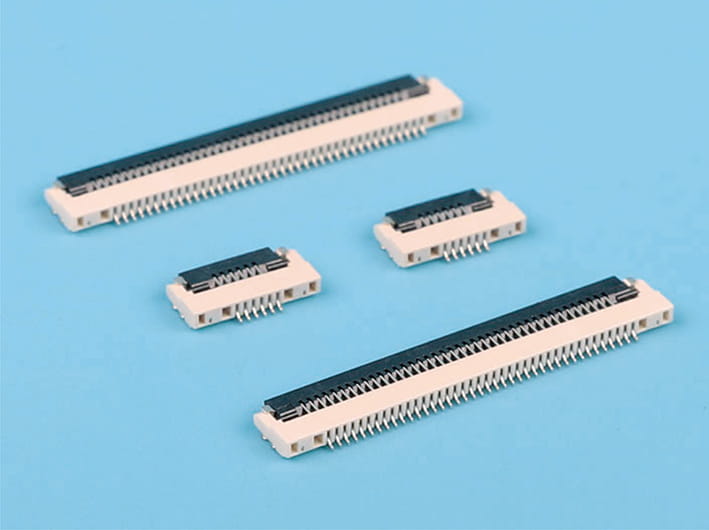
0.5mm pitch 1.2mm fpc flat cable connectors, horizontal smt type, flexible printed circuit connectors, secure locking
-
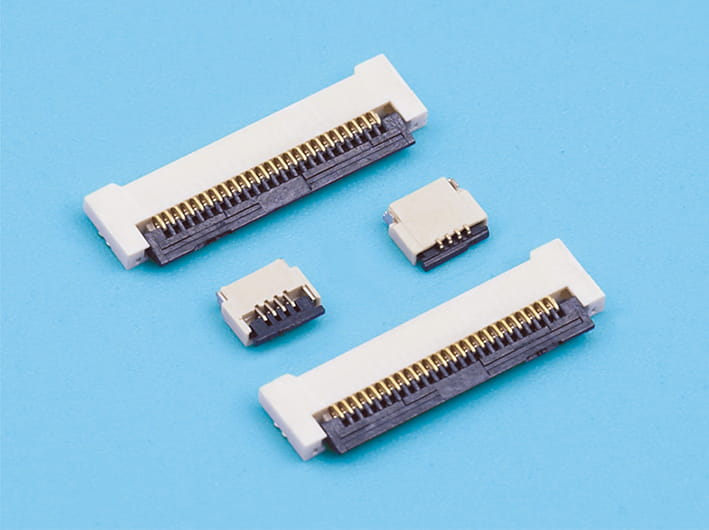
0.5mm Pitch, 1.2mm Height, Rear-Entry Horizontal FPC Connector
-
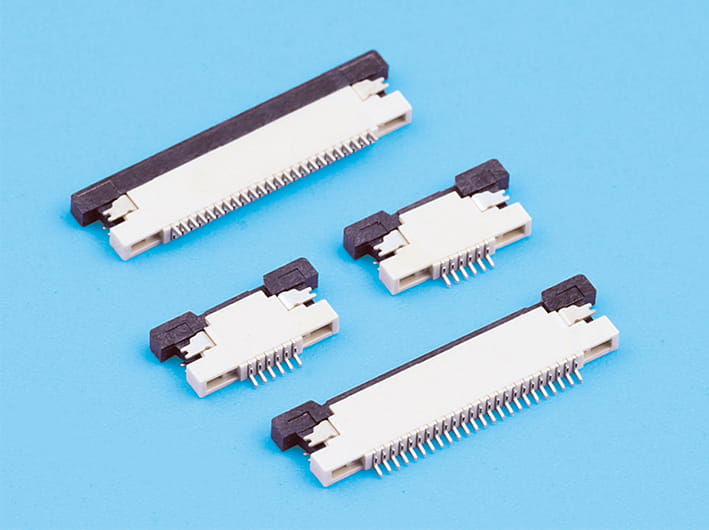
0.5mm pitch 1.2mm height fpc flat cable connector, zif r/a upper contact, locking slider, high-density integration, durable, for flexible printed circuits
-
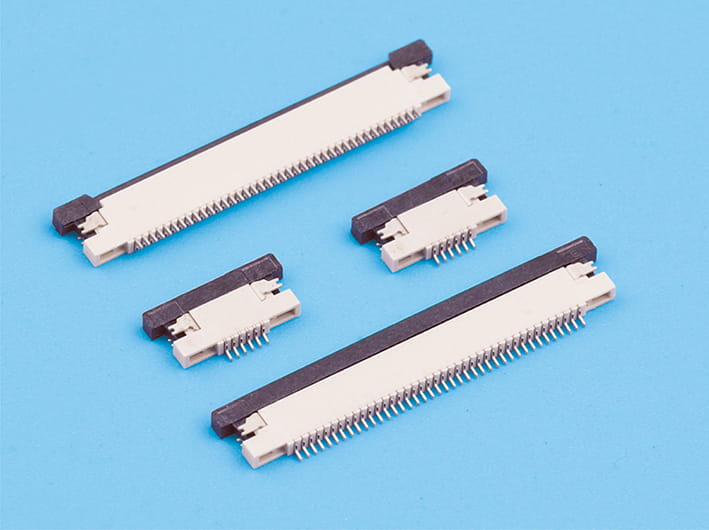
0.5mm pitch 1.2mm height fpc flat flexible cable connector, zif r/a down contact, for electronics and pcb boards
-
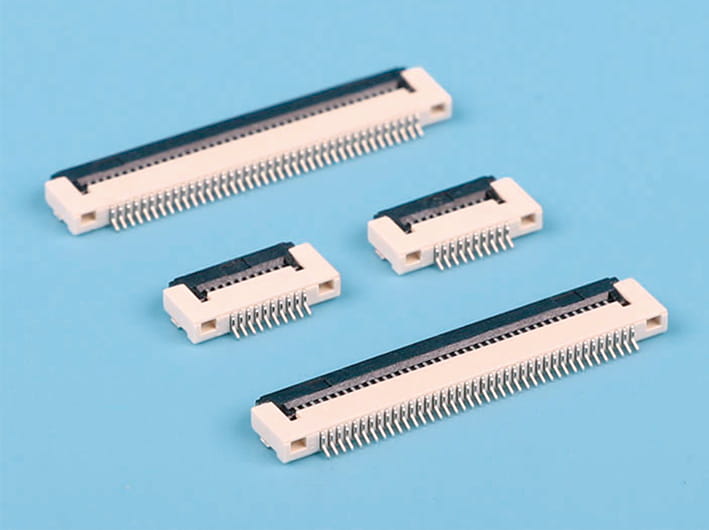
High-quality 0.5mm pitch 1.5mm height easy-on flat flexible cable fpc connector, horizontal type, locking-style, for pcb circuit board
-
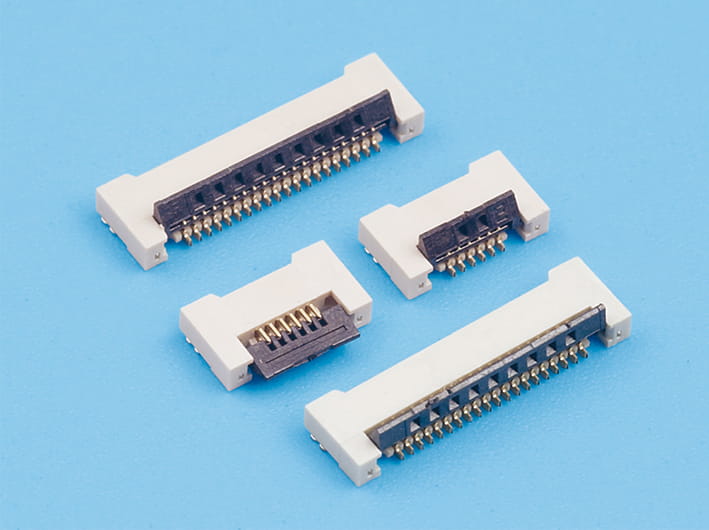
0.5mm pitch 1.5mm height back flip fpc flat connectors, zif slide type, flexible printed circuit cable connectors, horizontal contact
-
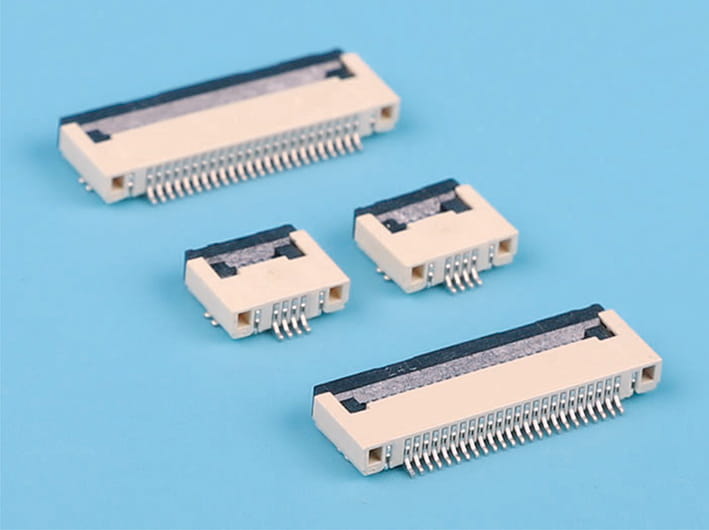
0.5mm pitch easy-on fpc flat ribbon connector, 2.0mm height, locking zif slide type, horizontal contact, flexible printed circuit board connector
-
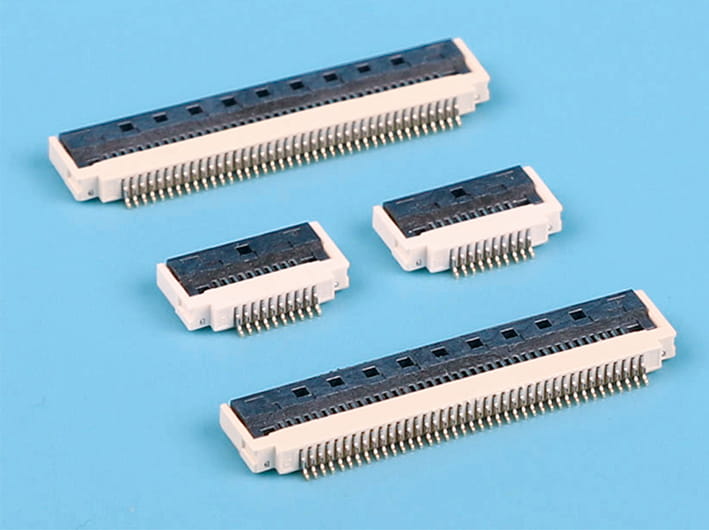
0.5mm pitch 2.0mm height, easy-on r/a with buckle fpc flat connectors, high-density integration flexible printed circuit board connectors
-
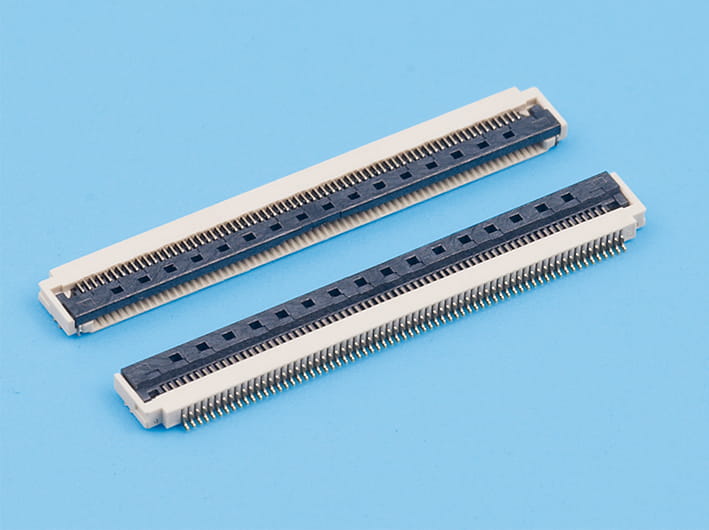
0.5mm Pitch, 2.0mm Height, Hinged Cover, Horizontal Mounting, Large Solder Pads
-

0.5mm pitch 2.0mm height back flip fpc flat connectors, horizontal insert, locking type, zif slide, pcb mount
-
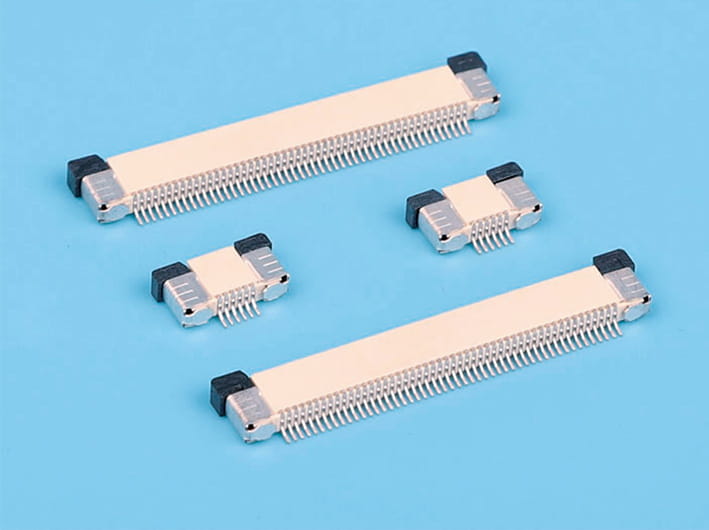
0.5mm Pitch, Ultra-Thin 2.0mm Horizontal FPC Connector (Pull-Out Locking Type, Top Contact Type)
-
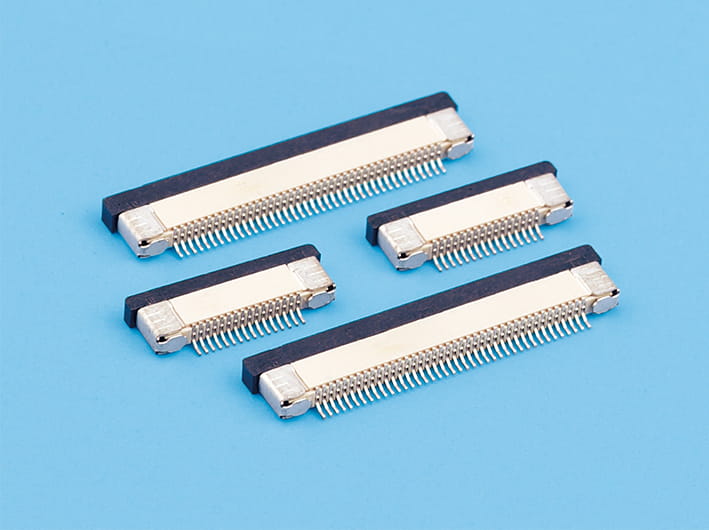
0.5mm Pitch, Ultra-Thin 2.0mm Horizontal FPC Connector (Pull-Out Locking Type, Bottom Contact Type)
-
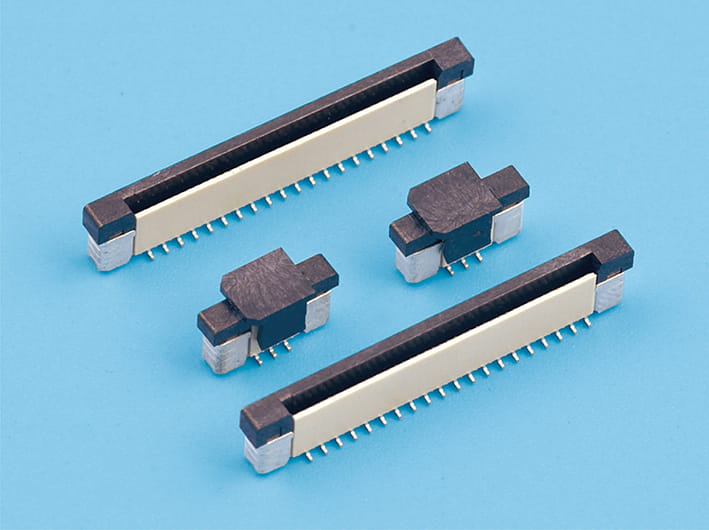
0.5mm pitch 4.5mm height fpc flat cable connector, zif s/t reversed pointer, locking slide
-
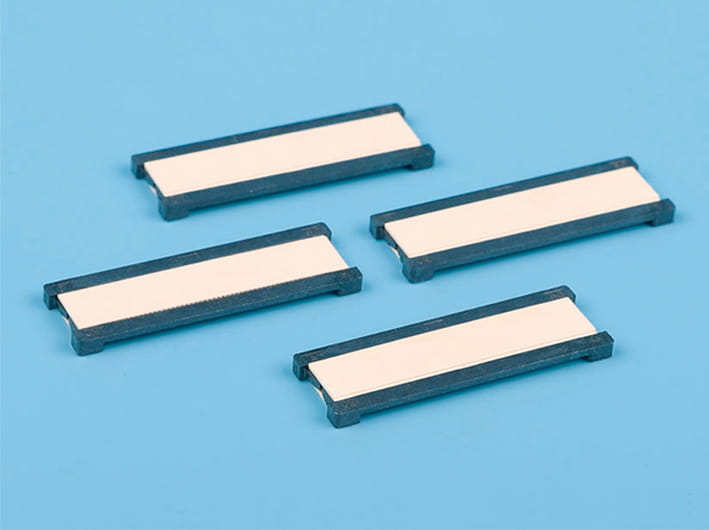
Double-side drawing fpc flat connector, 0.5mm pitch, 2.0mm/2.5mm height, flip type, for flexible cable, pcb mountable
CONTACT INFORMATION
-
Mr.Zhou(Sales manager)
Tel:+86(0)577-62369959
Tel:+86(0)577-62378959
MP:+86-13570877599
E-mail:[email protected]
Wechat:+86-13570877599
PRODUCT LINKS

Copyright © Zhejiang Wenda Electronics Co., Ltd. All Rights Reserved

Custom Electronic Connectors Manufacturer
