


 English
 中文简体
中文简体 Español
 عربى
عربىIndustry News
Home / News / Industry News / FPC Board Connectors Create Practical Links Between Flexible Circuits and PCBs
Modern electronic products are becoming more compact, while their internal layouts are becoming more varied. Space inside a device is rarely just an empty area waiting to be filled. Components, boards, displays, batteries, sensors, and control elements all need to work together within a limited structure.
Flexible circuits offer one way to handle this challenge. Unlike rigid circuit boards, they can bend and follow different paths inside a product. This flexibility can make it easier to connect components that cannot sit directly beside each other.
Yet a flexible circuit still needs a reliable connection to the rest of the electronic system. This is where an FPC Board Connector becomes important.

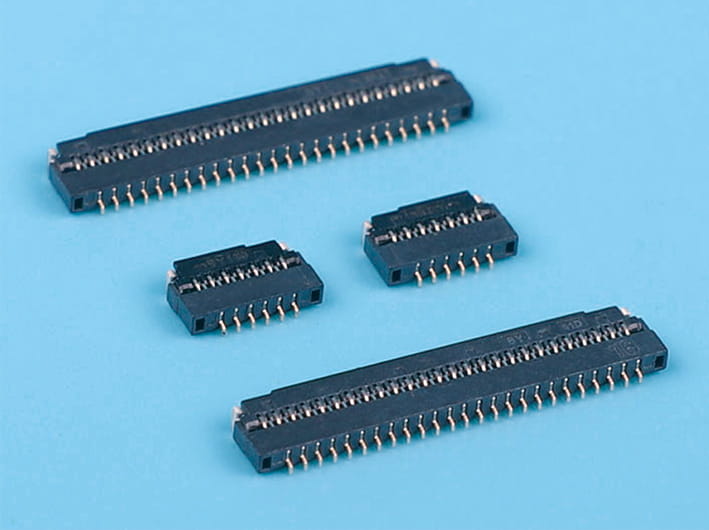
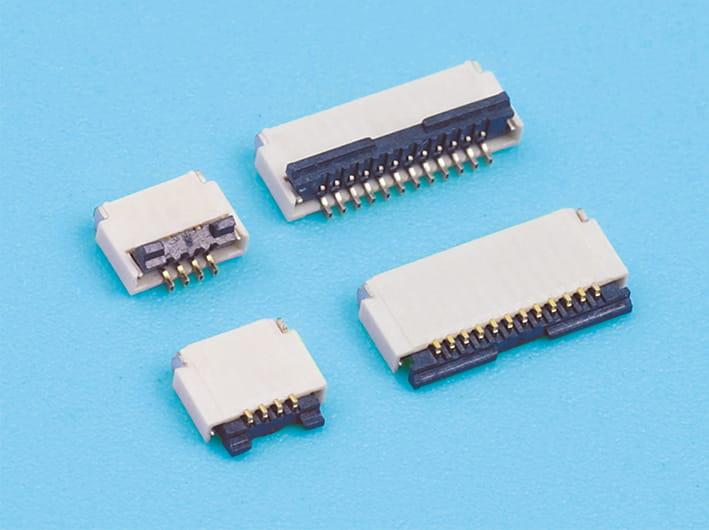
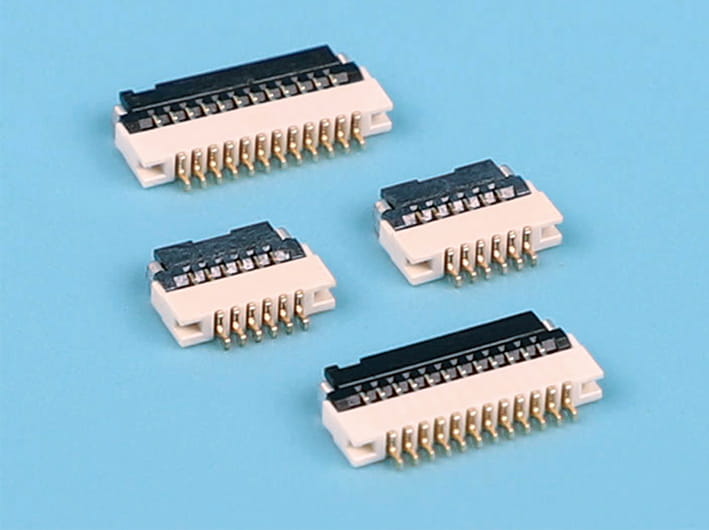
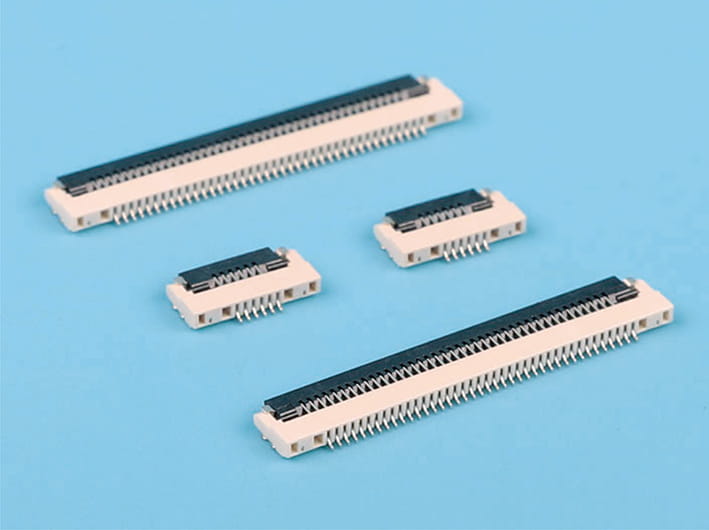
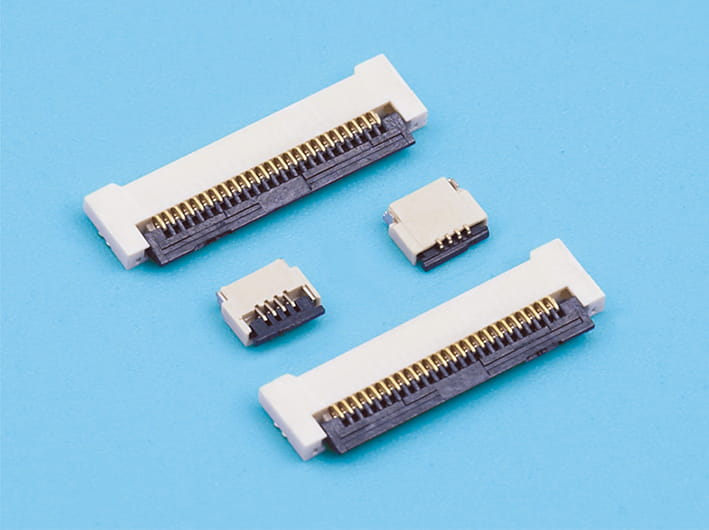
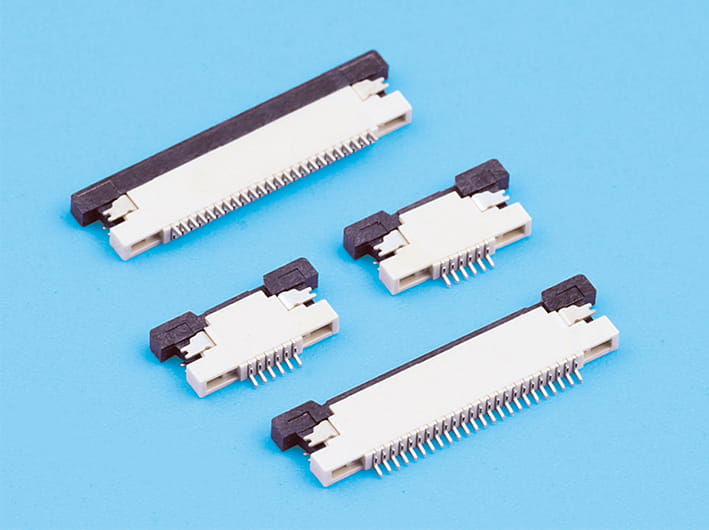
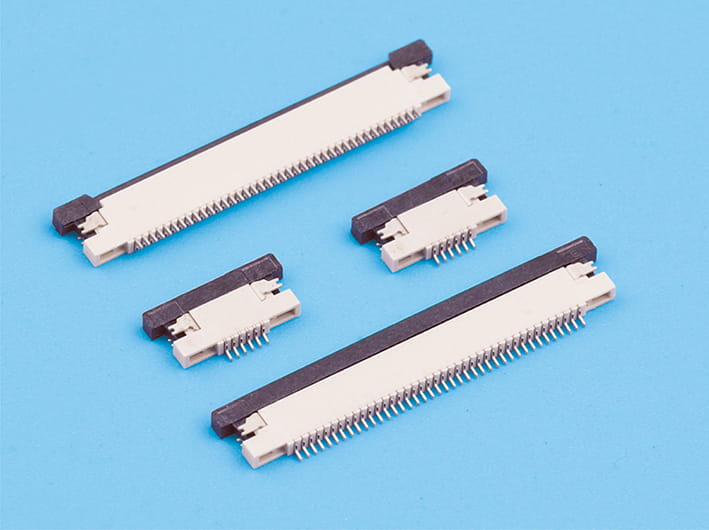
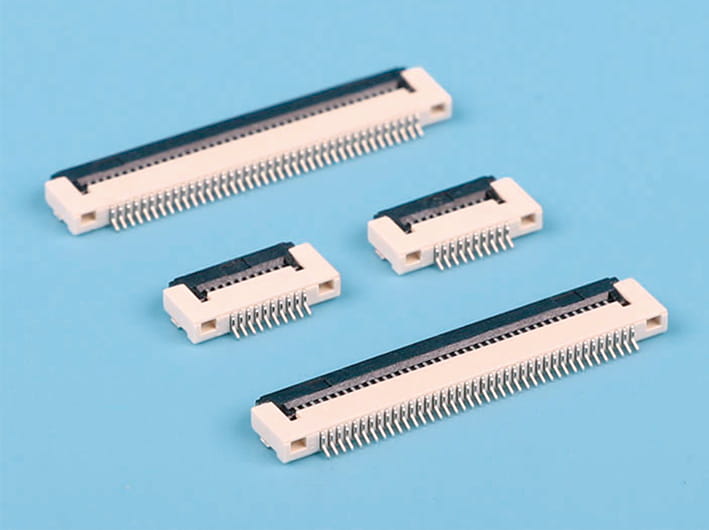
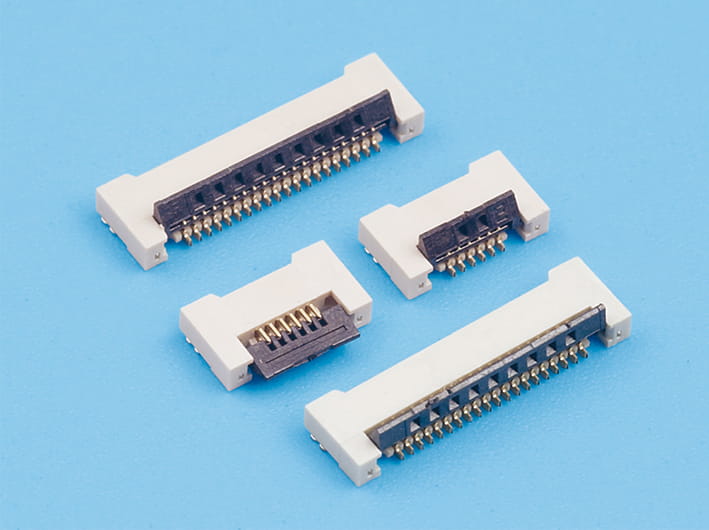
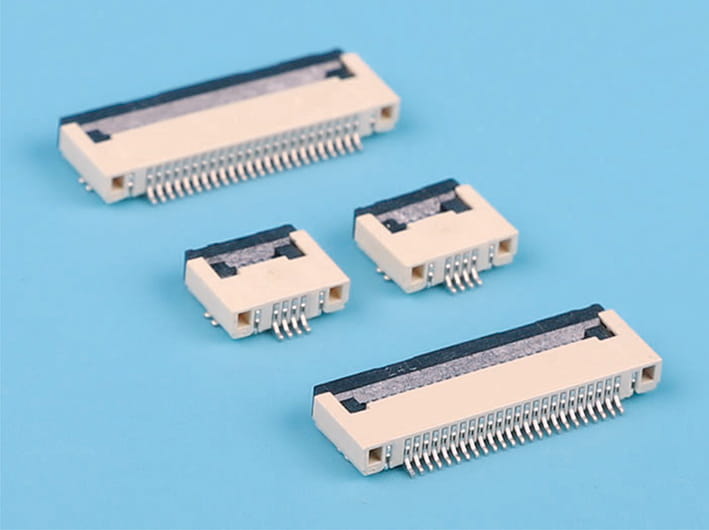
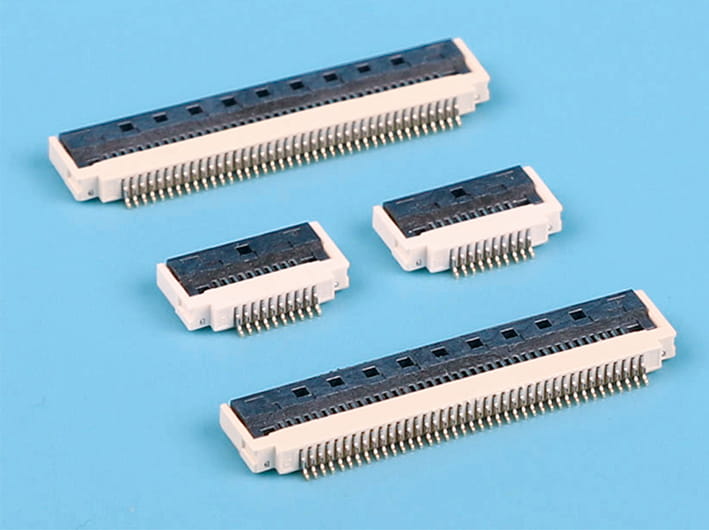
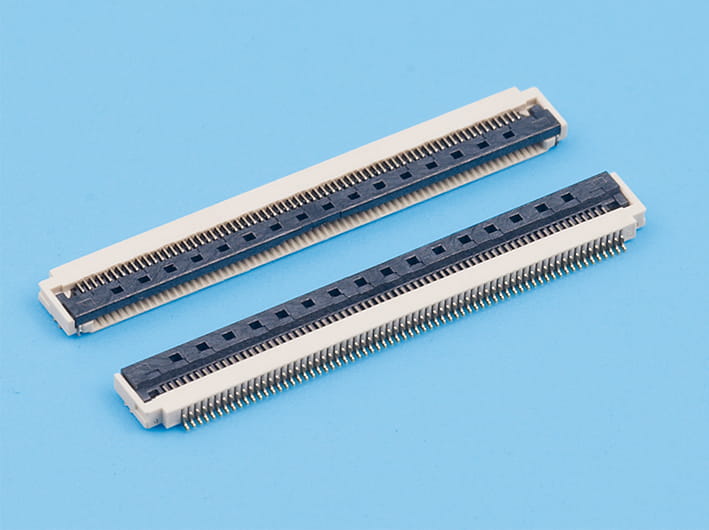
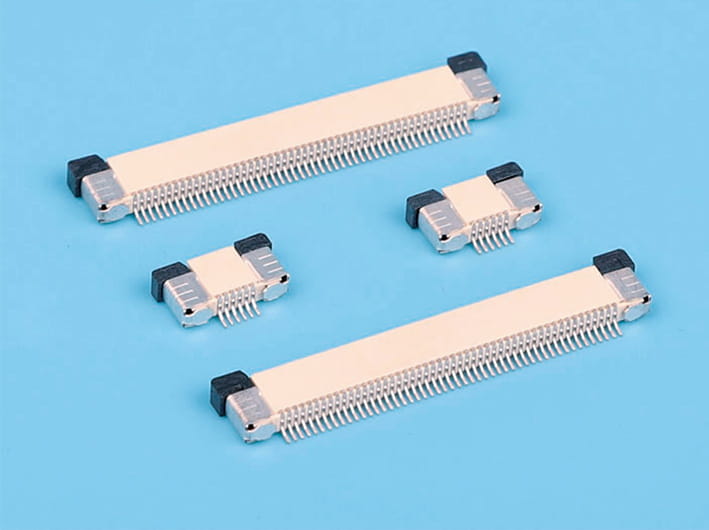
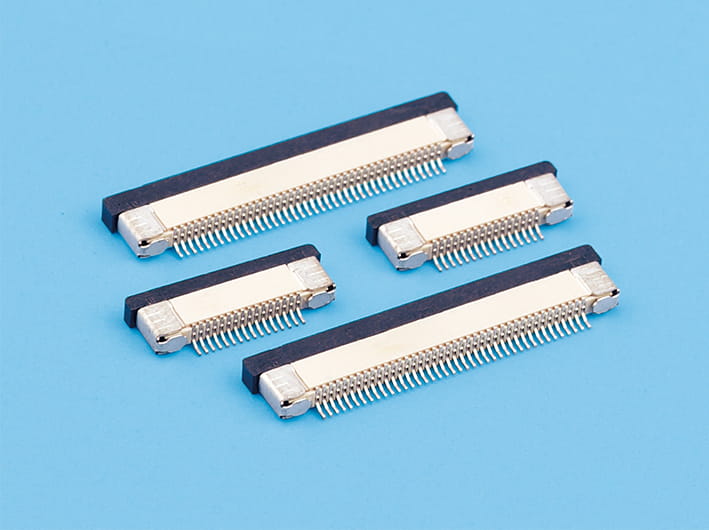
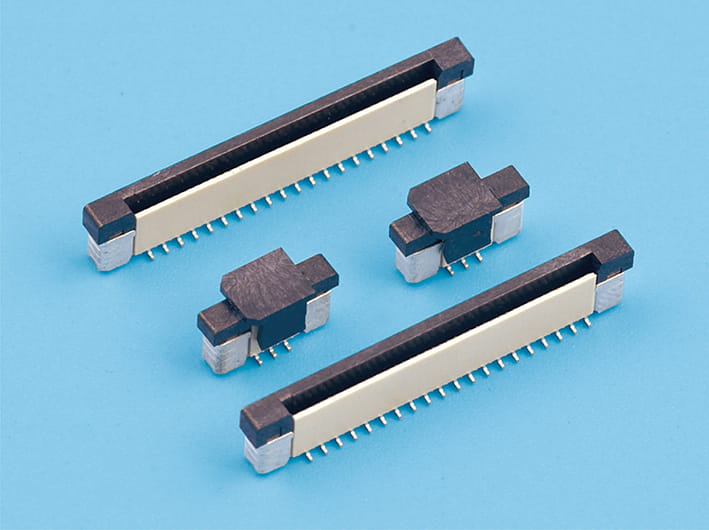
An FPC Board Connector provides a practical connection between a flexible circuit and a PCB. It allows the two parts to work together while giving designers more freedom when arranging components inside a device.
The growing interest in FPC connectors reflects a wider change in electronic design. Designers are not only looking at what individual components can do. They are also considering how those components fit together within the available space.
Board Connector serves as the meeting point between a flexible circuit and a rigid circuit board.
An FPC can move around corners, pass through narrow areas, and follow the shape of an electronic product. A PCB, by comparison, provides a more stable platform for components and electronic circuits. Connecting these two different elements requires an interface that suits both.
The connector provides that interface.
This arrangement can make assembly more flexible. Instead of designing every part of a product around a fixed board position, designers may have more freedom to place components where they are needed.
The flexible circuit can then create a connection between different sections of the product.
For users, the connector may seem like a small component. From a design perspective, its role can be much larger. A suitable connection can influence how a product is arranged, assembled, serviced, and packaged.
| Component | Role in the Connection |
|---|---|
| FPC | Provides a Flexible Circuit Path |
| FPC Board Connector | Creates the Connection Interface |
| PCB | Provides a Rigid Circuit Platform |
| Connector Lock | Helps Hold the Flexible Circuit in Place |
| Device Housing | Defines the Available Space Around the Connection |
The relationship between these parts is important because a connector cannot be considered separately from the surrounding design.
Space is a major consideration in compact electronic products. As devices become smaller, internal components have less room to move. Traditional wiring can become difficult to arrange when there are many connections inside a small housing.
Flexible circuits can help solve part of this problem. They can bend and follow paths that would be difficult for rigid wiring.
Board Connector makes this flexibility easier to integrate with a PCB.
Instead of requiring a rigid connection between two boards or components, the flexible circuit can travel through the available space. The connector then provides the point where the flexible circuit meets the board.
This can give designers more options when planning the internal layout.
A display may need to sit away from its main control board. A sensor may need to be placed in a particular area. A control panel may need to connect with electronics located somewhere else in the housing.
Flexible circuits can bridge these areas, while FPC connectors provide the connection points.
The result is not simply a smaller assembly. It is a different approach to organizing the inside of an electronic product.
The main advantage of an FPC is its ability to bend. However, flexibility is useful only when the surrounding connection system can support it.
Board Connector gives the flexible circuit a defined place to connect with a PCB. This makes the flexible circuit part of the wider electronic assembly instead of leaving it as an isolated component.
The connector can also influence how the flexible circuit enters the board area. Depending on the design, the connection may approach from a particular direction.
This matters when space is limited.
For example, a product housing may leave more room above the board than beside it. Another design may have components placed close to the board surface. The connector arrangement needs to work with these physical conditions.
This is why connector selection often takes place alongside PCB layout planning.
A designer needs to consider where the FPC will travel, where it will enter the connector, and what components will sit nearby.
| Design Consideration | Why It Matters |
|---|---|
| FPC Routing | Determines How the Flexible Circuit Reaches the Board |
| Connector Position | Influences the Internal Layout |
| Entry Direction | Affects Available Space Around the Connection |
| Nearby Components | May Limit Placement Options |
| Housing Shape | Can Influence the Path of the Flexible Circuit |
| Assembly Method | Affects How the Connection Is Installed |
This approach allows the connector to become part of the design process rather than an item selected after the rest of the product has already been arranged.
FPC connectors can appear in many types of electronic products. Their use is closely related to the need for compact internal connections and flexible circuit routing.
Consumer electronics are an obvious example. Devices with displays, buttons, cameras, sensors, or compact control sections often need connections between parts that cannot be placed directly beside each other.
Wearable devices can create another use case. Their small housings leave limited room for traditional wiring. Flexible circuits can follow curved or narrow paths, while an FPC connector can link them to a board.
Automotive electronics also involve complex internal layouts. Control units, displays, sensors, and other electronic sections may need connections that can fit within specific spaces.
Household appliances and industrial equipment can use similar approaches. The product does not necessarily need to be extremely small. A flexible connection can still be useful when components are positioned in different parts of the assembly.
The common factor is not a particular industry. It is the need to connect electronic parts while working within a defined physical layout.
Connector selection should begin with the complete application rather than the connector alone.
The flexible circuit needs to match the connector. The connector then needs to fit the PCB and surrounding housing. If one part of this relationship is overlooked, the assembly may become difficult to install or maintain.
The physical arrangement deserves careful attention.
Designers can ask where the connector will sit, where the FPC will come from, and what is located around the connection. They can also consider how the product will be assembled.
The locking method is another consideration. A secure connection needs to hold the flexible circuit in place during normal use.
Ease of assembly can also matter. Products manufactured at scale may involve repeated insertion and connection operations. A connector that is straightforward to handle can help make the assembly process more manageable.
Maintenance should not be ignored either. Some products may need to be opened for inspection or repair. The connection method can influence how easily the flexible circuit can be accessed.
A practical selection process can include several questions:
These questions help keep the selection focused on the actual product.
Orientation can have a surprisingly large influence on a compact electronic assembly.
Board Connector does not simply occupy a point on the PCB. It also creates a direction for the flexible circuit to enter and leave the connection area.
This can affect nearby component placement.
If the FPC approaches from above, the designer may need to leave enough room around the upper side of the connector. If the connection works along the board surface, the layout may require a different arrangement.
The connector's position can therefore shape the surrounding PCB area.
This is particularly relevant when several components are packed closely together. A small change in connector placement may affect the route of the FPC or the position of nearby parts.
Designers often need to think about the board and flexible circuit as one connected system.
A connector selected without considering the FPC route can create unnecessary restrictions later. A connector chosen with the complete layout in mind can provide a more natural connection path.
This is one reason FPC connectors are closely connected to mechanical design as well as electronic design.
The board may be an electronic component, but the connector also interacts with the physical structure around it.
Assembly is an important part of product design. A component may work well in theory but create difficulties if it is hard to install.
Board Connectors can provide a defined connection point that makes flexible circuit assembly more organized.
The flexible circuit can be prepared separately and then connected to the PCB during assembly. This can give manufacturers more freedom when planning how different sections of a product come together.
The approach may also help when the PCB and another component need to be installed in different stages.
For example, a display section could be positioned inside a housing while the main board sits elsewhere. The flexible circuit can bridge the two areas, with the connector providing the interface.
This can simplify the relationship between electronic and mechanical components.
However, assembly quality still depends on proper handling. The FPC needs to be inserted correctly, and the connector needs to be used according to its intended design.
Careful handling is especially important because flexible circuits are designed to bend, but that does not mean they should be folded or handled without limits.
The connector and FPC should be treated as a connected system during assembly.
The role of the connector may become more noticeable as electronic products continue to explore compact layouts.
When space is limited, designers need to think beyond the surface of the PCB. Components may need to sit in different areas of the product. Displays, controls, sensors, and other parts may be separated by physical barriers.
Flexible circuits provide a way to bridge those spaces.
Connectors make that approach practical by creating connection points between flexible circuits and rigid boards.
This can change how designers think about PCB placement. Instead of asking only where the board should sit, they can also consider where other electronic sections need to be located and how flexible circuits can connect them.
The connector becomes part of that planning process.
There is also a growing interest in products that are easier to assemble and maintain. A well-planned connection can support these goals by giving manufacturers and service workers a clear interface.
Different products will continue to have different requirements. A connector for a compact consumer device may face different layout considerations from one used in an automotive or industrial product.
The underlying design question remains similar: how can flexible circuits and rigid boards work together without creating unnecessary restrictions?
FPC Board Connectors provide one practical answer. They create a defined bridge between two different parts of an electronic system, allowing flexible circuits to follow the physical layout of a product while remaining connected to the PCB.
As product layouts become more compact and varied, that small connection point can play an increasingly important role in how electronic assemblies are designed and put together.


Copyright © Zhejiang Wenda Electronics Co., Ltd. All Rights Reserved

Custom Electronic Connectors Manufacturer

