


 English
 中文简体
中文简体 Español
 عربى
عربىWhy Is FPC Connector Price Different Among Different Suppliers
Anyone who's spent time sourcing FPC connectors has probably run into this: two suppliers, seemingly identical spec sheets, and yet the quotes come back noticeably different. It's the kind of thing that catches the attention of electronic manufacturers, purchasing teams, anyone hunting for the right component solution.

FPC connectors show up everywhere in electronics these days, largely because they support flexible connection designs and genuinely improve product structure. Price obviously matters in the purchasing process, but it's rarely down to just one thing.
What a supplier quotes really comes from a mix of production methods, material choices, quality management, order specifics, and how much service they actually put behind the sale. Getting a handle on these factors makes comparing supplier offers a lot more meaningful than just eyeballing the bottom line.
What Factors Influence FPC Connector Price Differences?
FPC connector pricing gets shaped at several points along the supply chain. Different suppliers run different production systems, different management styles, different cost structures — and all of that eventually lands in the final quote.
| Influencing Factor | How It Affects Price |
|---|---|
| Production process | Different manufacturing methods may create different costs |
| Material selection | Material quality and availability can influence pricing |
| Quality management | Inspection and control processes affect production expenses |
| Order requirements | Different customer needs may change production planning |
| Supplier service | Support and communication methods may affect overall value |
A supplier running a different production approach doesn't automatically mean a worse fit — it just means a different cost structure behind the number. What buyers really need to check is whether the product actually meets their application needs and purchasing expectations.
Price comparison only really starts making sense once you understand what's sitting behind each quotation.
How Does Manufacturing Process Affect FPC Connector Price?
Manufacturing process is a big piece of what drives FPC connector pricing. Suppliers vary a lot in their production workflows, equipment management, and quality control setups.
A tightly run manufacturing process cuts down on waste and boosts efficiency — and suppliers who've invested in that kind of process improvement often end up with pricing that looks different from suppliers still running simpler setups.
A handful of manufacturing factors that shift pricing:
- Production planning methods
- Factory management efficiency
- Product inspection procedures
- Manufacturing experience
- Production flexibility
Suppliers with genuinely organized processes tend to respond better when customer requirements shift. Still, buyers should be looking at overall product value rather than fixating purely on the sticker price.
A lower price might come with a leaner production setup, while a higher one might buy you extra support or tighter quality management. Which one's actually right depends entirely on your specific application and business priorities.
Why Do Material Choices Change FPC Connector Pricing?
Materials are another real driver behind price gaps. FPC connectors need materials that hold up reliably in electronic applications — that's non-negotiable, but how suppliers source and manage those materials varies quite a bit.
Different suppliers pull from different material sources and follow different management practices, and that naturally feeds into production costs and final pricing.
Material-related factors worth knowing:
- Material availability
- Supplier relationships
- Quality requirements
- Storage and handling methods
Some buyers care mostly about keeping purchasing costs down, others care more about long-term consistency and reliability. Neither approach is wrong — they're just different priorities.
Getting a read on material choices helps buyers judge whether a supplier's price actually lines up with what they expect the product to deliver.
How Do Quality Control Methods Influence Supplier Prices?
Quality control and manufacturing cost are tightly linked. Suppliers running careful inspection processes generally have to pour more resources into production management to make that happen.
Approaches to checking products, managing production steps, and handling issues along the way genuinely differ from supplier to supplier.
Quality management typically covers:
- Reviewing materials before production starts
- Monitoring conditions throughout manufacturing
- Checking product consistency
- Managing customer feedback loops
All of that inspection work takes time, equipment, and management resources — and that shows up in the final price.
For electronic components specifically, stable quality tends to matter a lot. Buyers should be weighing both price and quality expectations together when picking a supplier, not treating them as separate decisions.
What Role Does Order Quantity Play in FPC Connector Price?
Order specifics create their own set of price differences. Production planning shifts depending on demand, order size, and how much customization is involved.
| Order Situation | Possible Pricing Influence |
|---|---|
| Different order sizes | Production planning may change |
| Customized requirements | Additional preparation may be needed |
| Regular purchasing | Long-term cooperation may affect pricing |
| Special packaging needs | Extra management steps may influence cost |
Large or repeat orders often come with different purchasing terms than smaller one-off orders. Customized products, too, tend to need extra prep work and back-and-forth communication.
This is exactly why two buyers asking for what looks like the same FPC connector can end up with two different quotes — their actual requirements and purchasing situations usually aren't identical, even when the request sounds the same on paper.
Why Do Supplier Experience and Service Affect FPC Connector Price?
Price isn't purely about the physical component itself. Supplier experience and the service wrapped around the sale genuinely shape overall purchasing value too.
Experienced suppliers usually run tighter communication systems and clearer production coordination, which makes managing a project a lot smoother on the buyer's end.
Service factors that come into play:
- Response speed
- Product information support
- Order communication
- After-sales assistance
- Production coordination
A supplier offering more hands-on support often prices differently, simply because that level of service takes real resources to sustain.
For businesses working through electronic product development, how smoothly communication flows can end up being a genuinely important part of the purchasing decision.
How Can Buyers Compare FPC Connector Price More Effectively?
Comparing FPC Flat Connector prices takes more than lining up numbers side by side. Buyers need to understand what each supplier is actually offering, and whether it lines up with their needs.
Check product requirements first
Before comparing any prices, get crystal clear on your own product requirements. Different specs, designs, and application conditions all shift what a supplier ends up recommending.
Review supplier capabilities
A supplier's production ability, quality management, and communication style all shape what the purchasing experience actually feels like.
Consider long-term cooperation
The right supplier relationship tends to deliver more stable support over time. Price matters, sure, but reliability and how well you work together matter just as much.
Understand price details
A genuinely clear quotation shows buyers exactly what's baked into the number. That makes comparison a lot easier and cuts down on misunderstandings later.
A thorough evaluation like this keeps businesses from making decisions based purely on whoever quoted the low number.
What Trends Are Affecting FPC Connector Pricing in the Electronics Industry?
The electronics industry keeps shifting as product designs get more flexible and more compact, and that's reshaping how suppliers handle production and pricing.
More customized requirements
Different electronic products call for different connector solutions, and suppliers need genuinely flexible production methods to keep up with that variety.
Greater focus on supply chain management
Stable material supply and organized production planning matter more than ever. Suppliers are tightening up their management to handle a market that keeps shifting under them.
Increased attention to product reliability
Customers are paying closer attention to consistent quality and dependable supplier support these days, which is pushing suppliers to sharpen both their production systems and their service.
These trends really show how FPC connector price ties into so many different parts of the manufacturing process at once. Understanding that connection helps buyers make clearer, more confident purchasing decisions.
How Can Businesses Make Better FPC Connector Purchasing Decisions?
Picking an FPC connector supplier really comes down to weighing price, quality, service, and production capability together — not any one of those in isolation. Different suppliers bring different strengths depending on how their own manufacturing systems and business models are built.
A sound purchasing decision starts with understanding why prices differ in the first place, then evaluating the full value sitting behind each option. Weighing production methods, material choices, quality practices, and supplier support together helps businesses land on solutions that genuinely fit their application needs.
FPC connector price differences, at the end of the day, aren't just about cost. They reflect all the processes and decisions involved in getting an electronic component from raw production all the way through to real-world application.
Related Products
-
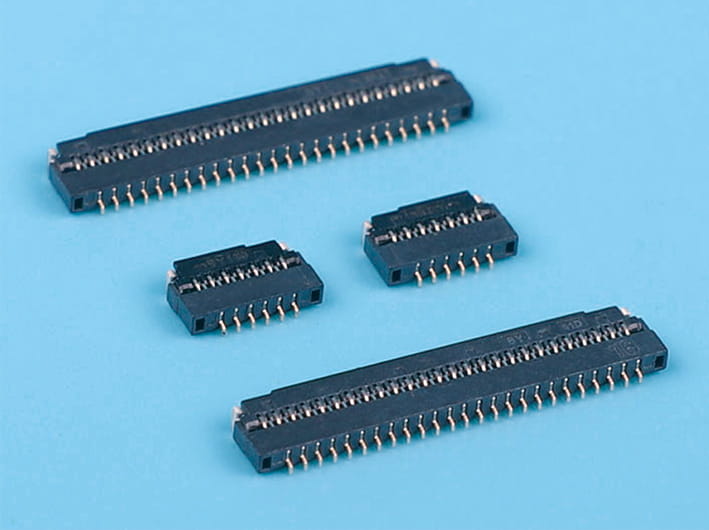
Easy-on fpc flat ribbon connector, 0.3mm pitch, 1.0mm height, flexible printed circuit connector, horizontal smt type
-

Back flip fpc flat flexible cable connector, 0.3mm pitch, 1.0mm height, bottom contact type for pcb board connections
-
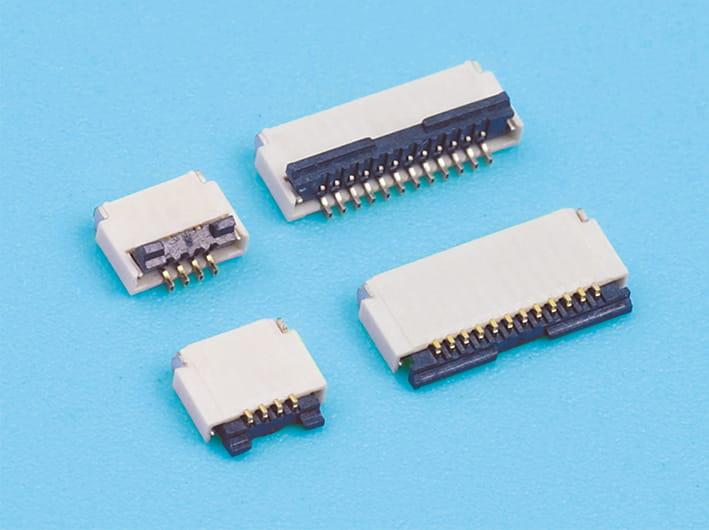
Back flip micro fpc flat cable connector, 0.5mm pitch, 1.0mm height, compact design, white, for data, signal transfer applications
-
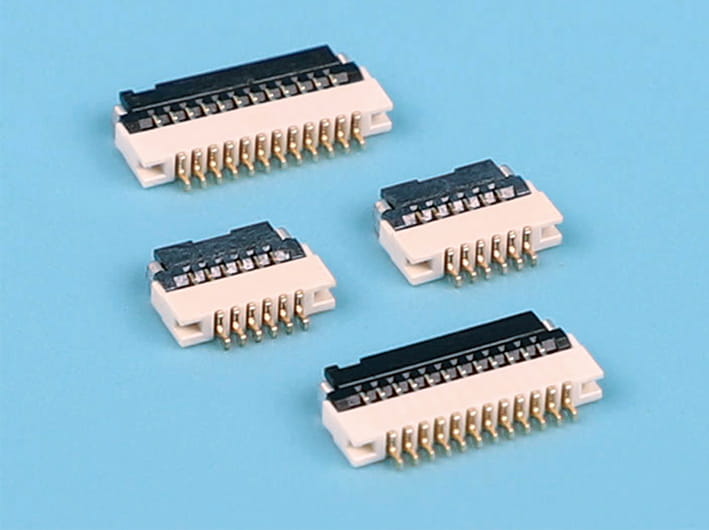
0.5mm Pitch, 1.0mm Height, Flip-Type Horizontal FPC Connector
-
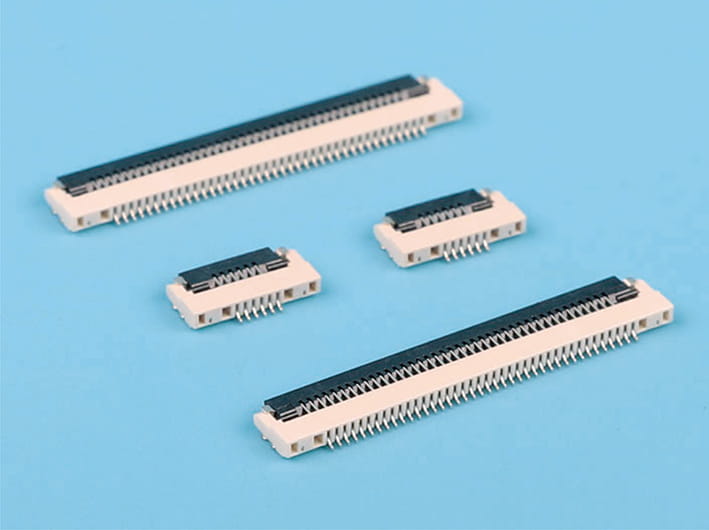
0.5mm pitch 1.2mm fpc flat cable connectors, horizontal smt type, flexible printed circuit connectors, secure locking
-
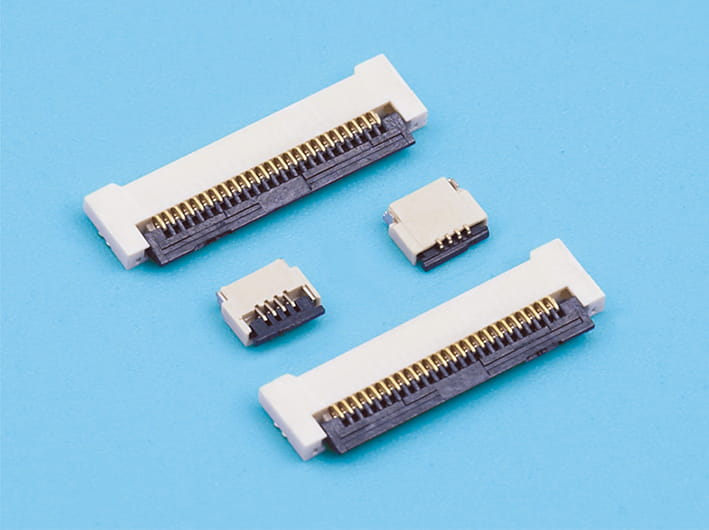
0.5mm Pitch, 1.2mm Height, Rear-Entry Horizontal FPC Connector
-
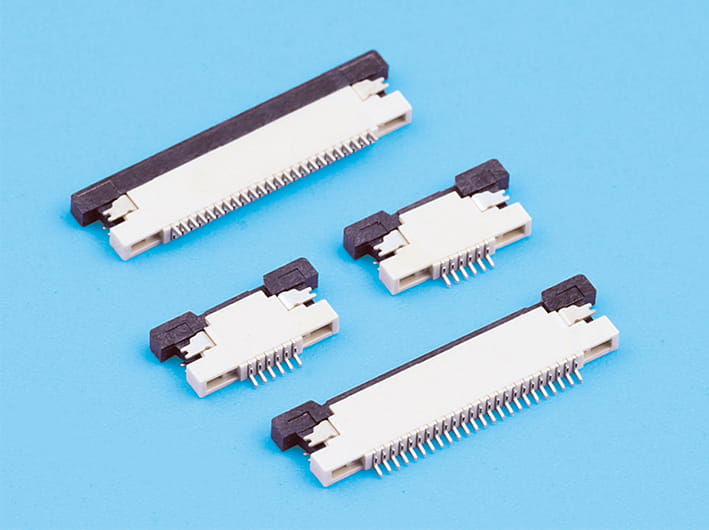
0.5mm pitch 1.2mm height fpc flat cable connector, zif r/a upper contact, locking slider, high-density integration, durable, for flexible printed circuits
-
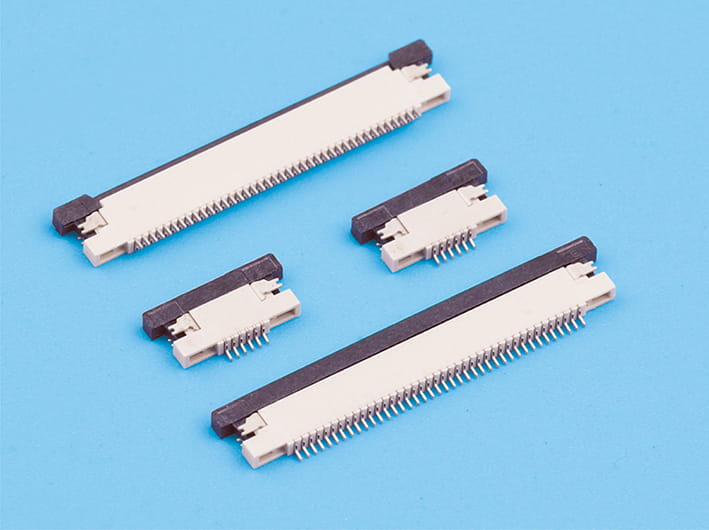
0.5mm pitch 1.2mm height fpc flat flexible cable connector, zif r/a down contact, for electronics and pcb boards
-
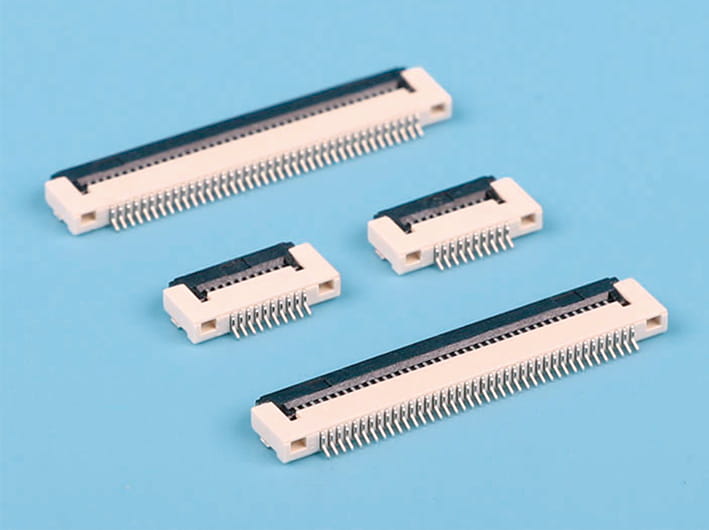
High-quality 0.5mm pitch 1.5mm height easy-on flat flexible cable fpc connector, horizontal type, locking-style, for pcb circuit board
-
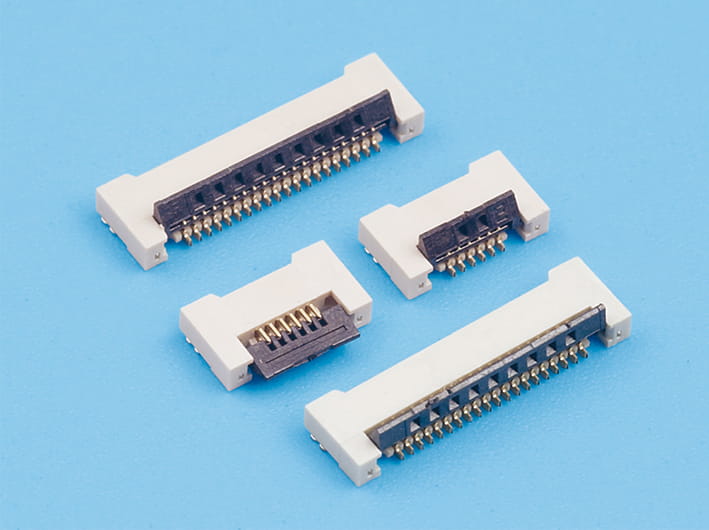
0.5mm pitch 1.5mm height back flip fpc flat connectors, zif slide type, flexible printed circuit cable connectors, horizontal contact
-
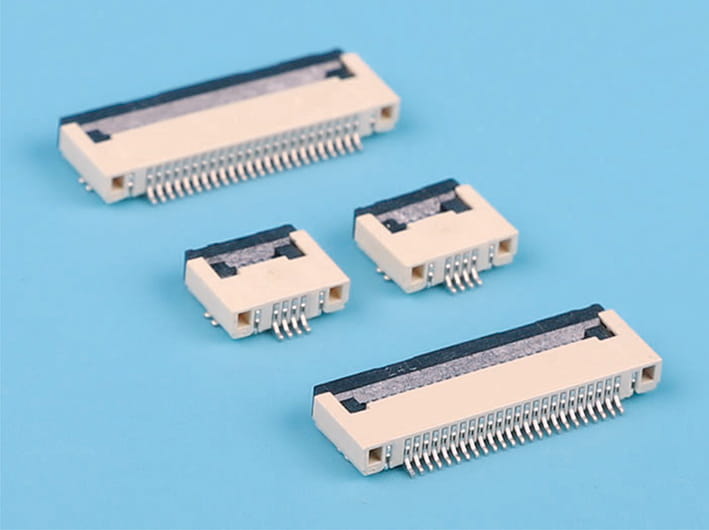
0.5mm pitch easy-on fpc flat ribbon connector, 2.0mm height, locking zif slide type, horizontal contact, flexible printed circuit board connector
-
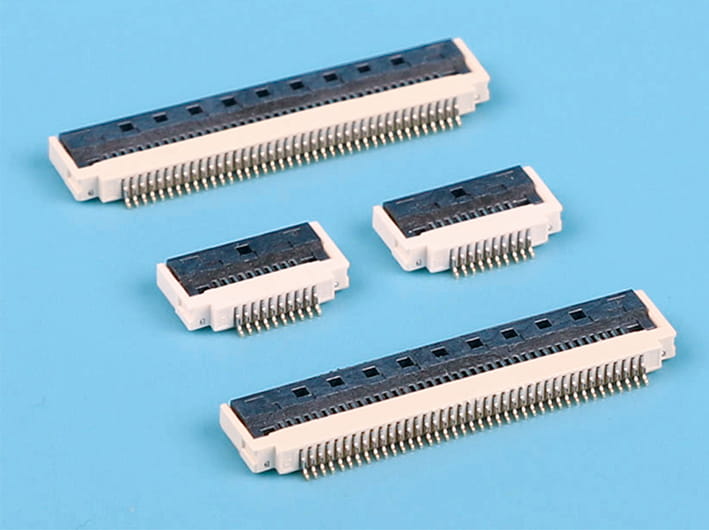
0.5mm pitch 2.0mm height, easy-on r/a with buckle fpc flat connectors, high-density integration flexible printed circuit board connectors
-
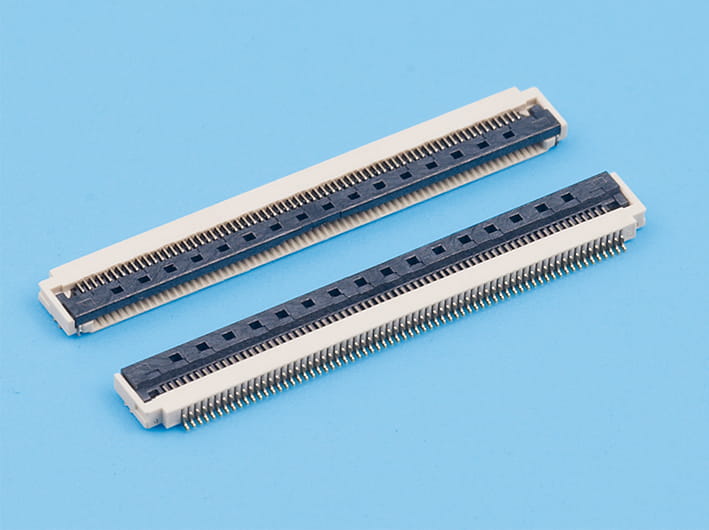
0.5mm Pitch, 2.0mm Height, Hinged Cover, Horizontal Mounting, Large Solder Pads
-

0.5mm pitch 2.0mm height back flip fpc flat connectors, horizontal insert, locking type, zif slide, pcb mount
-
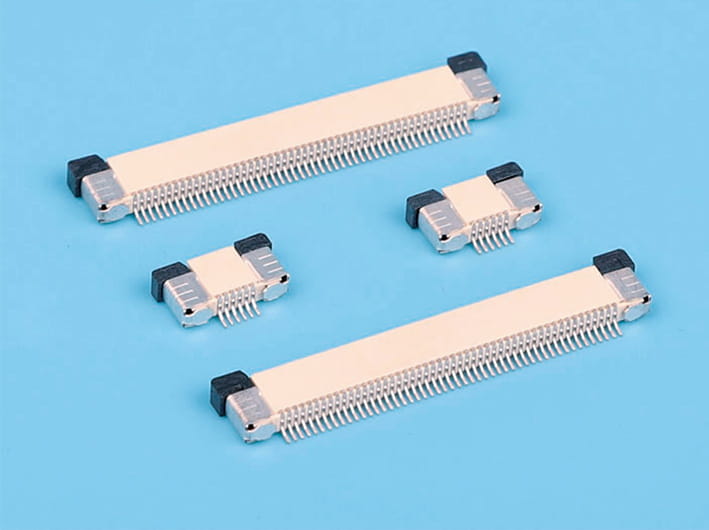
0.5mm Pitch, Ultra-Thin 2.0mm Horizontal FPC Connector (Pull-Out Locking Type, Top Contact Type)
-
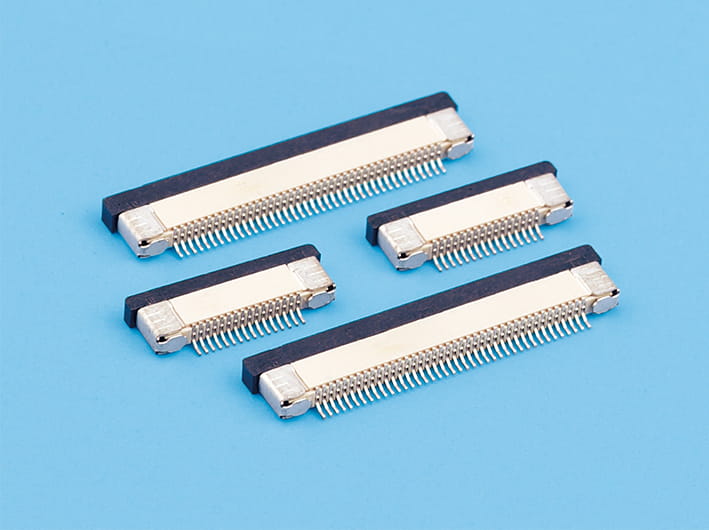
0.5mm Pitch, Ultra-Thin 2.0mm Horizontal FPC Connector (Pull-Out Locking Type, Bottom Contact Type)
-
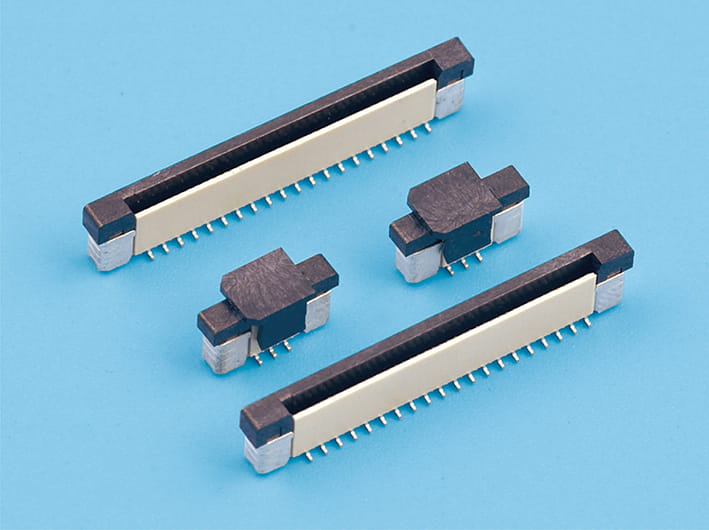
0.5mm pitch 4.5mm height fpc flat cable connector, zif s/t reversed pointer, locking slide
-
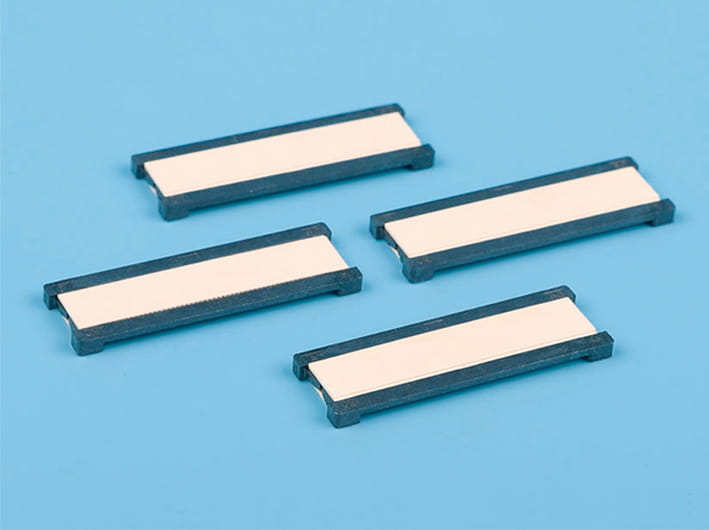
Double-side drawing fpc flat connector, 0.5mm pitch, 2.0mm/2.5mm height, flip type, for flexible cable, pcb mountable
CONTACT INFORMATION
-
Mr.Zhou(Sales manager)
Tel:+86(0)577-62369959
Tel:+86(0)577-62378959
MP:+86-13570877599
E-mail:[email protected]
Wechat:+86-13570877599
PRODUCT LINKS

Copyright © Zhejiang Wenda Electronics Co., Ltd. All Rights Reserved

Custom Electronic Connectors Manufacturer
